

您在这里:
- Home
- PRODUCT
- Excavator
- Caterpillar
- 2020 CAT 320CL Used Excavator 20 Ton Crawler for S…
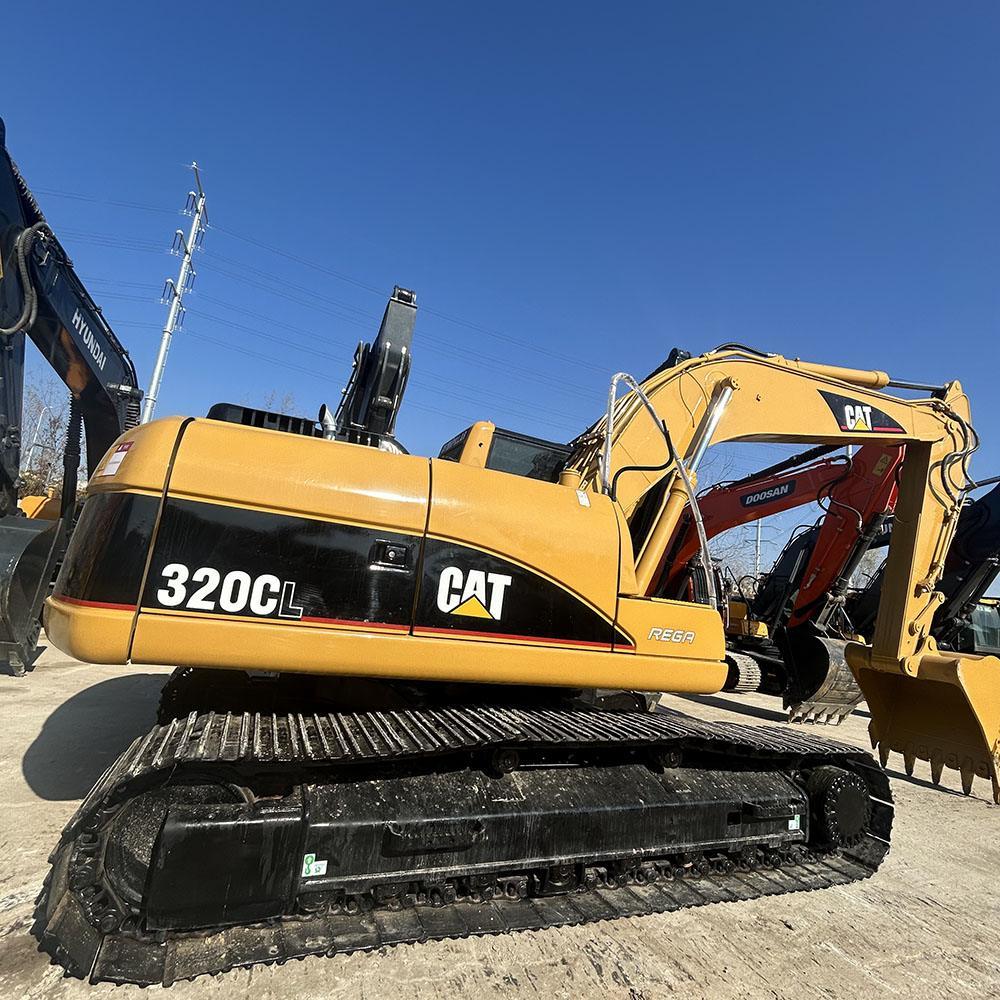
2020 CAT 320CL Used Excavator 20 Ton Crawler for Sale
1-2 Unit$19,000
>=3 Units$18,000
(Price is FOB . Contact WhatsApp for CIF price & shipping cost.)
The Cat® 320CL is a 20-ton class hydraulic excavator that has earned legendary status in the used equipment market. Powered by the Cat 3066T mechanical direct-injection engine producing 103–110 kW (138–147 hp) , this machine is celebrated for its extreme durability, simple maintenance, and exceptional tolerance for poor-quality fuel.
The Long Undercarriage (L) design provides superior stability and lower ground pressure—ideal for heavy digging, truck loading, and soft terrain operations.
Key Specifications:
-
Operating Weight: 20,800 – 21,700 kg (45,850 – 47,840 lb)
-
Engine: Cat 3066T, 6.4L, 103–110 kW (138–147 hp)
-
Max Digging Depth: 6,550 mm (21.5 ft)
-
Max Reach at Ground Level: 9,710 mm (31.9 ft)
-
Bucket Capacity: 0.8 – 1.0 m³
-
Hydraulic Flow: 410 L/min
-
Fuel Tank: 320 L (85 gal)
Key Advantages:
-
Mechanical fuel injection – tolerant of poor-quality diesel, simple diagnostics, low repair costs
-
No DPF/DEF required – eliminates complex aftertreatment failures
-
Extreme durability – the 3066T engine is legendary for longevity
-
Strong structural build – extra-thick steel plates resist cracking
-
Excellent resale value – well-maintained units command premium prices
-
Global Cat dealer support – parts and service available worldwide
The 320CL represents the “golden era” of mechanical excavators – a machine that prioritizes brute strength, reliability, and simplicity over electronic complexity. It is the ideal choice for owners who need a dependable 20-ton excavator that will keep working when other machines have failed.
Specifications may vary by configuration. Please verify exact specifications with your dealer for the specific unit in stock.
| Brand | CAT, Caterpillar |
|---|---|
| Country of Origin | Japan |
| Year | 2020 |
| Model Number | 320CL |
| Working Hours | 1500H |
Categories: Caterpillar, Excavator
Product Categories
Product Specifications
| Parameter (Category) | Value | Table Note |
|---|---|---|
| Model | CAT 320CL / Caterpillar 320CL (C-Series, Long Undercarriage) | |
| Product Type | Crawler Hydraulic Excavator | |
| Exact Model Range | Caterpillar 320 C L (manufactured from 2002 to 2005) | |
| Engine | ||
| Engine Model | Cat 3066ATAAC / 3066T (6-cylinder turbo diesel) | |
| Engine Type / Cylinders | 6-Cylinder, 4-Stroke, Turbocharged Diesel | |
| Displacement | 6.4 L | |
| Bore × Stroke | 102 mm × 130 mm | |
| Net Power (ISO 9249) | 103 kW (138 hp) @ 1,800 rpm | |
| Gross Power / Rated Power | 107–110 kW (143–150 hp) @ 1,800 rpm | |
| Weights | ||
| Operating Weight (Range) | 19,900–21,700 kg (43,900–47,800 lb), factory spec ~20,800 kg | |
| Common Operating Weight (with standard attachments) | 21,415 kg (47,200 lb) | |
| Base Operating Weight (varies by config) | Approx. 20,600–22,300 kg (45,400–49,100 lb) | |
| Dimensions (Transport) | ||
| Transport Length | 9,390–9,540 mm (30.8–31.3 ft) | |
| Transport Width (over tracks) | 2,980 mm (9.8 ft) | |
| Transport Height (to cab top) | 3,010–3,050 mm (9.9–10.0 ft) | |
| Undercarriage | ||
| Track Gauge (center to center) | 2,200–2,380 mm (7.2–7.8 ft) | |
| Track Shoe Width (Standard) | 600 mm (24 in) | |
| Track Shoe Width (Optional) | 500 / 700 / 800 mm | |
| Track Ground Contact Length | 3,650 mm (12.0 ft) | |
| Total Track Length | 4,450 mm (14.6 ft) | |
| Track Chain Grouser Type | Triple Grouser / Double Grouser | |
| Working Ranges | ||
| Max. Digging Depth | 6,550 mm (21.5 ft) | |
| Max. Reach at Ground Level | 9,710 mm (31.9 ft) | |
| Max. Dumping Height | 6,670 mm (21.9 ft) | |
| Max. Digging Height | 9,440 mm (31.0 ft) | |
| Max. Vertical Wall Digging Depth | 5,440 mm (17.8 ft) | |
| Max. Effective Digging Depth | 6,370 mm (20.9 ft) | |
| Digging Forces | ||
| Bucket Digging Force (ISO) | 132 kN (29,700 lbf) | |
| Arm / Stick Digging Force (ISO) | 99 kN (22,300 lbf) | |
| Hydraulic System | ||
| Hydraulic System Type | Load-Sensing (Variable Displacement Piston Pump) | |
| Main Pump Flow (per single pump) | 205 L/min (54 gal/min) | |
| Main Pump Flow (total) | 410 L/min (108 gal/min) | |
| Equipment / Travel Circuit Pressure | 34.3 MPa (4,975 psi) | |
| Swing Circuit Pressure | 26.0 MPa (3,770 psi) | |
| Pilot Circuit Pressure | 4.12 MPa (600 psi) | |
| Travel System | ||
| Travel Speed – Low / High | 3.4 km/h / 5.5 km/h (2.1 / 3.4 mph) | |
| Max. Drawbar / Traction Force | 196–220 kN (44,000–49,500 lbf) | |
| Gradeability | Up to 35° / 70% grade | — |
| Swing System | ||
| Swing Speed | 11.5 rpm (up to 11.8 rpm) | |
| Swing Torque | 61.8 kN·m (45,600 lbf·ft) | |
| Tail Swing Radius | 2,770 mm (9.1 ft) | |
| Capacities | ||
| Fuel Tank Capacity | 320 L (85 gal) | |
| Hydraulic Tank Capacity | 120 L (32 gal) | |
| Total Hydraulic System Capacity | 200–230 L (53–61 gal) | |
| Engine Oil Capacity | 30 L (8 gal) | |
| Cooling System Capacity | 24–30 L (6.3–7.9 gal) | |
| Swing Drive Oil (each) | 8 L (2.1 gal) | |
| Final Drive Oil (each) | 10 L (2.6 gal) | |
| Boom & Arm | ||
| Boom Length | 5,680 mm (18.6 ft) | |
| Arm / Stick Length | 2,900 mm (9.5 ft) | |
| Bucket Capacity (Standard / Common) | 0.8–1.0 m³ (1.0–1.3 yd³) | |
| Bucket Capacity (Max / Optional) | 1.22 m³ (1.6 yd³) | |
| Cab & Operator Environment | ||
| Cab Type | Sealed, ROPS / FOPS Certified, Air-Suspension Seat | |
| Air Conditioning | Standard / Factory-Equipped, AC/Heater | |
| Monitor Type | Basic LCD Information Display / Industrial Standard Display (varies by year) | |
| Other Specifications | ||
| Min. Ground Clearance | 460 mm (18.1 in) | |
| Ground Pressure (with 600 mm shoes) | 44.1 kPa (6.4 psi) | |
| Emission Standard | ||
| Emission Certification (310C/330C Series) | U.S. EPA Tier 2 Equivalent / EU Stage II |
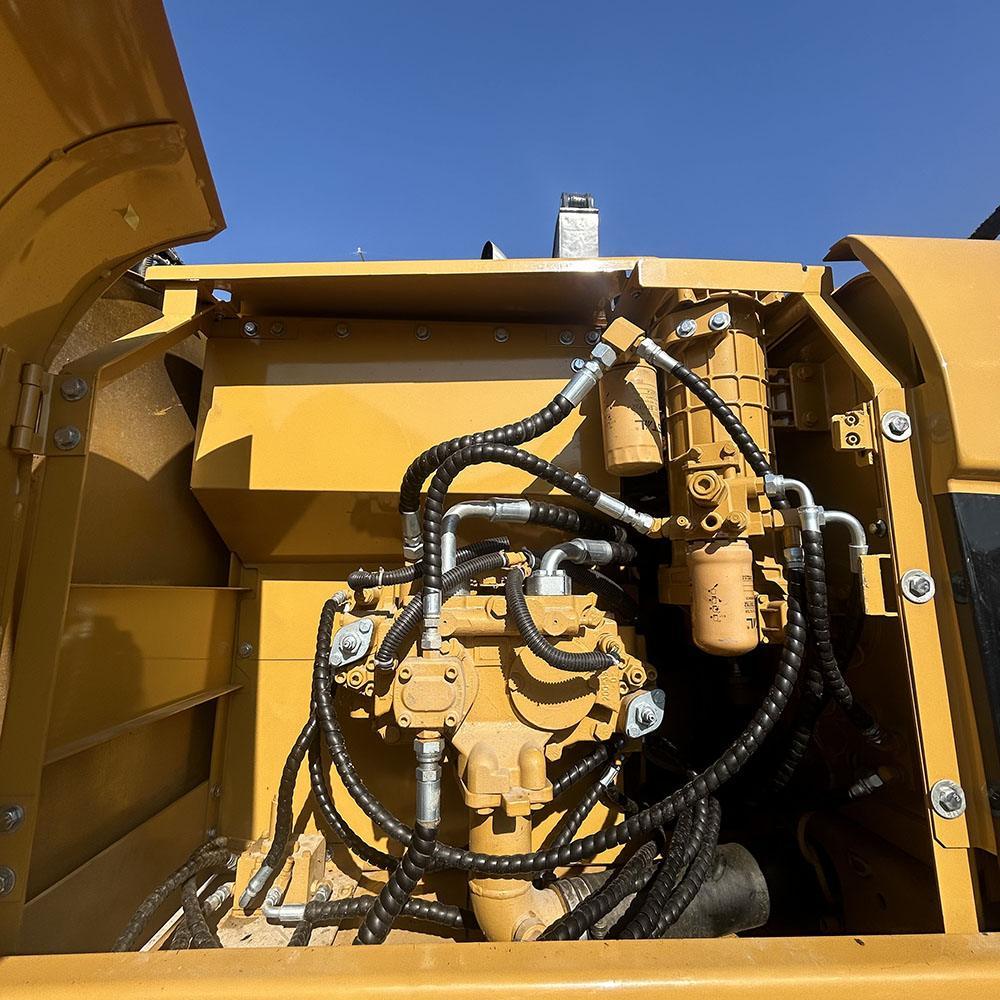
Product Pictures



Expert Inspection Report
Overview: The “Mechanical Injection King”
The Cat® 320CL is a 20-ton class hydraulic excavator produced by Caterpillar during the mid-2000s (approximately 2004–2007). The “C” designates the C-Series generation, while the “L” stands for Long Undercarriage—providing enhanced stability and lower ground pressure compared to the standard 320C.
In the used equipment market, the 320CL has earned a legendary reputation—often referred to as the “Mechanical Injection King” or the “Last Generation of Pure Mechanical Injection Legends” . Its core appeal lies in three key attributes: mechanical direct-injection engine, extreme reliability, and tolerance for poor-quality fuel. It succeeded the iconic 320B and was later replaced by the electronically injected 320D series—representing one of Caterpillar’s finest combinations of “power and durability.”
Despite being out of production for nearly two decades, a well-maintained 320CL still commands strong prices in the used market—sometimes even outperforming later 320D models in value retention. It is a machine that proves the adage: “Old is gold.”
Production Period: Approximately 2004–2007 (overlapping with the 320C in some markets, and succeeded by the 320D).
Core Specifications
| Parameter | Value |
|---|---|
| Operating Weight | 20,800 – 21,700 kg (45,850 – 47,840 lb) |
| Standard Bucket Capacity | 0.8 – 1.0 m³ |
| Engine Model | Cat® 3066ATAAC / 3066T |
| Engine Type | 6-cylinder, turbocharged diesel |
| Rated Power | 103 – 110 kW (138 – 147 hp) @ 1,800 rpm |
| Displacement | 6.4 L |
| Main Hydraulic Flow | 2 × 205 L/min (total 410 L/min) |
| Working Hydraulic Pressure | 34.3 MPa (4,975 psi) |
| Bucket Digging Force | 132 kN |
| Stick Digging Force | 99 kN |
| Swing Speed | 11.5 rpm |
| Travel Speed (High/Low) | 5.5 / 3.4 km/h (3.4 / 2.1 mph) |
| Maximum Digging Depth | 6,550 mm (21.5 ft) |
| Maximum Reach at Ground Level | 9,710 mm (31.9 ft) |
| Maximum Dumping Height | 6,670 mm (21.9 ft) |
| Fuel Tank Capacity | 320 L (85 gal) |
| Transport Length | 9,390 mm (30.8 ft) |
| Transport Width | 2,980 mm (9.8 ft) |
| Transport Height | 3,050 mm (10.0 ft) |
| Track Shoe Width (Standard) | 600 mm (24 in) |
| Track Shoe Width (Optional) | 500 / 700 / 800 mm |
| Track Gauge | 2,200 – 2,380 mm |
| Track Ground Contact Length | 3,650 mm (12.0 ft) |
| Ground Clearance | 460 mm (18.1 in) |
Note on Variants: The 320CL is also available in the 320C L variant (pre-D series transition), which shares the same engine and core specifications. Both are commonly referred to as the 320CL in the used market.
Design Philosophy: The “Swan Song” of the Mechanical Era
The 320CL’s design philosophy can be summarized in three words: Simple, Brutal, Reliable. In an era before common-rail electronic fuel systems became standard, Caterpillar used the most mature and robust technology available to build a machine that would rarely, if ever, let you down.
1. The Engine: The “Soul” of the 320CL
The Cat 3066T engine is the heart and soul of this machine. Its fuel system uses mechanical unit injectors with direct injection—no electronic injectors, no high-pressure common-rail, and virtually no sensitivity to fuel sulfur content.
What does this mean in practice? It will run happily on poor-quality diesel, even fuel from remote job sites. Compared to later 320D models with electronically controlled common-rail engines (which are prone to injector damage and ECU faults from contaminated fuel), the 3066T rarely suffers from fuel system failures. The distinctive, crisp “clack-clack-clack” sound of its mechanical injection may be loud—but to experienced operators, it’s the sound of raw, dependable power.
Engine Highlights:
-
Mechanical unit injection—no electronics to fail in the fuel system
-
Tolerance for poor fuel quality—a major advantage in developing markets
-
Proven reliability—the 3066 platform has millions of field hours
-
Simple diagnostics—no complex ECU scan tools required
-
Long overhaul interval—when properly maintained, the engine can exceed 15,000 hours before major work
2. Hydraulic System: Fast, Powerful, and Stable
The C-Series represented a significant refinement over the B-Series. While the 320B was known for being “rough” and “jerky,” the 320CL offers smoother, more coordinated movements while retaining the “fast and powerful” character that Cat operators love. The boom lifts quickly, and compound movements—simultaneous boom raise, swing, and stick in/out—are remarkably smooth and well-coordinated for a machine of this vintage. The Long Undercarriage (L) provides exceptional stability during truck-loading and heavy digging, reducing the tendency for the machine to “lift” at the rear—a common issue on standard undercarriage machines.
3. Undercarriage and Structure: Built Like a Tank
The “L” suffix provides lower ground pressure and superior stability compared to standard undercarriage models. Standard 600 mm (or optional 800 mm) triple-grouser track shoes provide excellent traction. The track rollers and carrier rollers use Caterpillar’s legendary “yellow grease” sealed lubrication—a design so robust that it’s still the industry benchmark. The boom and stick are built from extra-thick, high-strength steel plates, making the 320CL exceptionally resistant to cracking—even after years of heavy hammer work.
Structural Highlights:
-
X-shaped box-section carbody for exceptional torsional rigidity
-
Grease-lubricated tracks with sealed rollers for extended service life
-
Reinforced boom and stick—extra-thick steel plates resist cracking
-
Full track guards protect components from rock damage
-
Cast-steel boom foot for maximum strength at the most stressed point
Performance and Reliability: What Owners Say
The 320CL has earned an almost universally positive reputation among owners. With proper maintenance, these machines can deliver decades of reliable service.
Owner Testimonials:
-
“Over 20,000 hours and still running strong—speed is still pretty good.”
-
“Almost 10 years of use (23,000 hours) and the machine is still performing well. Caterpillar machines are reliable.”
-
“The 320CL is a simple, powerful, and extremely durable classic model.”
-
“The engine (3066) hasn’t given any trouble so far, and all hydraulics have no leaks anywhere yet.”
-
“The undercarriage stability impressed me. Cab’s roomy enough and AC actually works.”
-
“Hydraulic response was kind of sharp, took a bit to get used to. Doesn’t guzzle diesel too fast, which helps since fuel prices are up.”
Aggregated User Ratings (from Machineryline):
| Category | Score |
|---|---|
| Overall Rating | 4.3 / 5.0 |
| Reliability | 4.4 / 5.0 |
| Maintenance | 4.4 / 5.0 |
| Operation | 4.5 / 5.0 |
| Durability | Strong—”nothing has gone wrong” |
The Verdict from the Field: The 320CL is widely regarded as one of the most reliable and durable excavators ever built—a product of an era when Caterpillar prioritized mechanical simplicity and brute strength over electronic complexity. Owners consistently praise its build quality, engine reliability, and long-term durability. However, the machine is not without its quirks—the sharp hydraulic response takes some getting used to, and the fuel consumption can be significant in heavy applications.
Common Issues and Known Weaknesses
While the 320CL is legendary for reliability, it does have documented issues that used buyers should be aware of.
1. Transmission Speed Issues (Two-Speed Travel Failure). One of the most commonly reported problems on the 320CL is failure to achieve full travel speed. Owners report the machine topping out at only 15 km/h instead of the designed 34 km/h in high range, and only 3 km/h instead of 10 km/h in low range. The root cause is often the transmission dual solenoid valve assembly—specifically:
-
Corrosion on the valve stem causing mechanical binding
-
Incorrect solenoid coil resistance—healthy coils measure approximately 35 ohms; failing coils may drop to 25 ohms or lower
For used buyers: Test travel speeds thoroughly. If the machine feels sluggish in high range, the solenoid valve is likely the culprit.
2. Swing Motor and Turntable Leaks. Some owners report leaks from the swing motor or turntable seal area. This is often caused by worn seal rings in the swing motor or degraded O-rings in the turntable bearing. Symptoms include oil stains around the swing gear housing and low fluid levels in the swing reducers.
3. Oil Ingress into Pump Distribution Gearbox. A documented failure pattern involves oil ingress into the pump distribution chamber. The immediate response is immediate repair after discovery, replacing damaged oil seals, and regularly cleaning and maintaining the hydraulic system’s cooling device followed by a pressure test.
4. Engine Oil Leaks (High-Hour Units). Some high-hour 320CLs develop oil leaks around the crankshaft seals or valve cover gaskets. While not a critical failure, these leaks can become significant if left unaddressed.
5. Electrical and Starter Issues. When the engine won’t start or starts slowly, troubleshooting steps include:
-
Checking battery voltage, wiring connections, switches, and starter motor components for wear
-
Inspecting the fuel system for adequate supply, clogged filters, damaged/dirty fuel lines, and sufficient fuel pressure
-
Checking engine oil level to ensure oil supply to the injection drive pressure circuit
6. Boom Cylinder Seal Wear (Hydraulic Drift). A documented case of boom hydraulic pressure leak, with no external leakage visible, was traced to worn cylinder seals or control valve spool and seal wear. Internal leaks in hydraulic components are harder to detect and often cause significant performance degradation.
For used buyers: Perform a drift test—raise the boom, shut off the engine, and time the drop. Significant drift within 5 minutes indicates failing cylinder seals.
7. Undercarriage Wear. The undercarriage is a major wear item on any tracked machine. Inspect track chains, sprockets, rollers, and idlers carefully on any used unit.
8. Fuel System Sensitivity. While the 3066T is more robust than common-rail systems, it’s not immune to problems:
-
Fuel filter restriction—use only genuine Cat filters
-
Water contamination in fuel causing injector damage
-
Air in the fuel system causing hard starting or rough running
Key Takeaway for Used Buyers: Most of these failure points are detectable with a proper pre-purchase inspection. A well-maintained 320CL with adequate service records and clean oil analysis is far less likely to present major surprises than a cheaper unit with an unknown history.
Maintenance: Keeping the 320CL Running
The 320CL was designed for straightforward maintenance—a major advantage for owners who prefer to service their own machines.
Recommended Maintenance Intervals:
| Component | Interval | Notes |
|---|---|---|
| Engine oil and filter | Every 500 hours | Use heavy-duty diesel oil (30 L capacity) |
| Fuel filters | Every 500 hours | Genuine Cat filters recommended |
| Hydraulic return filter | Every 1,000 hours | Monitor with oil analysis |
| Hydraulic oil change | Every 2,000 hours | 30 L total system capacity |
| Swing drive oil | First 250h, then every 1,000h | |
| Final drive oil | First 250h, then every 1,000h | |
| Coolant change | Every 2,000 hours | 24–30 L capacity |
Estimated 5,000-Hour Maintenance Cost Trends (Reference – USD):
| Maintenance Category | Estimated Cost (USD) | Notes |
|---|---|---|
| Engine oil + filter changes (10 × 500h) | $1,800–3,000 | Using genuine Cat parts |
| Fuel filters (10 × 500h) | $300–600 | Primary + secondary sets |
| Hydraulic oil + filter change (2–3 changes) | $1,200–2,000 | Based on 2,000h interval |
| Swing/final drive oil changes | $500–1,000 | Every 1,000h |
| Undercarriage (tracks, sprockets, rollers) | $5,000–9,000 | Major wear item |
| Bucket teeth / wear parts | $1,000–2,500 | Depends on material handled |
| Labor (accumulated over 5,000h) | $3,000–6,000 | Varies significantly by region |
| Estimated 5,000-hour total (routine) | $12,800 – $24,100 | Excludes major repairs |
Note: These are estimated ranges. Actual costs vary by region, parts pricing, operating conditions, and maintenance history.
How the 320CL Compares to Competitors
| Specification | CAT 320CL | CAT 320D | Komatsu PC200-7 | Hitachi ZX200 |
|---|---|---|---|---|
| Engine | Cat 3066T (mechanical) | Cat C6.6 ACERT (electronic) | Komatsu SAA6D102E | Isuzu 4HK1X |
| Power | 103–110 kW (138–147 hp) | 103–110 kW (138–147 hp) | ~103 kW (138 hp) | ~110 kW (147 hp) |
| Operating weight | 20,800–21,700 kg | ~21,000 kg | ~20,000 kg | ~20,000 kg |
| Fuel system | Direct injection (mechanical) | Common-rail (electronic) | Common-rail | Common-rail |
| DPF/DEF required | No | No (Tier 3) / Yes (Tier 4) | No (Tier 3) / Yes (Tier 4) | No (Tier 3) / Yes (Tier 4) |
| Fuel quality tolerance | ★★★★★ (excellent) | ★★★ (sensitive) | ★★★ (sensitive) | ★★★ (sensitive) |
| Dealer network | ★★★★★ | ★★★★★ | ★★★★ | ★★★★ |
| Resale value | ★★★★★ | ★★★★ | ★★★★ | ★★★★ |
CAT 320CL Advantages:
-
Mechanical fuel system—tolerant of poor-quality fuel, simple diagnostics, low repair costs
-
No DPF/DEF complexity—eliminates two common failure points
-
Extreme durability—the 3066T engine is legendary for longevity
-
Excellent structural strength—extra-thick steel plates resist cracking
-
Strong resale value—well-maintained units command premium prices
-
Simple electronics—fewer sensors and ECU-related failures
Where Competitors May Win:
-
CAT 320D offers better fuel efficiency and smoother hydraulics but is more sensitive to fuel quality
-
Komatsu PC200-7 is known for good fuel efficiency and strong dealer network in Asia
-
Hitachi ZX200 is renowned for exceptionally smooth hydraulic control
Used Market Price Reference (2025–2026)
Used CAT 320CL pricing varies significantly by year, hours, condition, attachments, and region.
General Price Ranges (Reference – USD):
| Condition | Hours | Price Range (USD) |
|---|---|---|
| Excellent (low hours, original paint) | Under 8,000 | $35,000–50,000 |
| Good (average hours, well-maintained) | 8,000–12,000 | $25,000–35,000 |
| Fair (higher hours, visible wear) | 12,000–16,000 | $18,000–25,000 |
| As-is / needs work | 16,000+ | $12,000–18,000 |
Key Valuation Factors:
-
Mechanical engine preference: The 3066T (mechanical) is preferred over electronically controlled engines—machines with the mechanical engine command a premium
-
Original paint: Original paint is a strong indicator of honest ownership—machines with original paint command 5–15% premiums
-
Service records: Complete documentation adds 10–15% to value
-
Undercarriage condition: Can represent 40–50% of a used machine’s value
-
Attachments: Hydraulic thumb, quick coupler, and additional buckets add $1,500–5,000
-
Long undercarriage (L): L models command a premium over standard undercarriage
Recent Market Data:
-
A 2005 model with 1,000 hours was listed at approximately $37,500 USD
-
A 2007 model with 12,948 hours was listed at approximately $35,000 USD
-
A 2004 model with 11,724 hours was listed at approximately $53,000 USD
-
Auction prices tend to be lower but carry higher risk
Used Buyer’s Checklist
When evaluating a used CAT 320CL, follow this comprehensive inspection protocol:
1. Verify the model and serial number. The serial number—typically stamped on the left side of the upper structure near the cab hinge—is the definitive identifier. Common serial prefixes for 320CL include PAB (e.g., PAB01703, PAB04041), GAA (e.g., GAA00242), and others. Never rely solely on the machine’s nameplate or operator manual cover.
2. Verify the engine model. Confirm the machine has the Cat 3066T engine (6.4 L, mechanical injection). This is the 320CL’s primary advantage over later models.
3. Cold-start the engine. Listen for unusual knocking, ticking, or rough idle. Watch for excessive smoke: black indicates fuel system issues, blue indicates oil burning, white indicates coolant leak. Let the machine warm up fully—some issues only appear at operating temperature.
4. Test travel speeds thoroughly (critical). Drive the machine at both high and low speeds on flat ground. High range should achieve approximately 34 km/h—if it’s significantly slower, the transmission solenoid valve may be failing. Low range should achieve approximately 10 km/h. Listen for any unusual noises from the transmission or final drives.
5. Check for hydraulic drift. Raise the boom to full height, shut off the engine, and time the drop. Significant drift within 5 minutes indicates failing cylinder seals or a faulty holding valve.
6. Inspect the hydraulic system for leaks. Look for oil stains around the main control valve, cylinders, hoses, and pumps—common leakage areas include seals, gaskets, connections, and hydraulic lines. Pay special attention to the swing gear area for oil stains.
7. Test all hydraulic functions. Operate the machine through its full range: boom raise/lower, stick in/out, bucket curl/dump, swing left/right, and travel forward/back. The machine should respond smoothly—note that the hydraulic response can be “sharp,” so some jerkiness may be normal for this model.
8. Inspect the undercarriage thoroughly. Check track sag (should be 10–30 mm between the track and carrier roller). Inspect track shoes for uneven wear patterns. Check sprockets for “hooking” (pointed teeth, indicating imminent replacement). Examine rollers for flat spots, seized rotation, or leaking seals.
9. Check for structural cracks. Carefully inspect high-stress areas: boom foot, boom-to-stick pivot point, stick-to-bucket linkage, and main frame near the slew bearing. Look for weld repairs that may indicate previous cracking.
10. Run a diagnostic scan (if possible). While the 320CL has simpler electronics than later models, diagnostic tools can reveal fault codes that may not be visible on the dash. Check for any logged codes.
11. Request S·O·S oil analysis. This is the single most valuable pre-purchase test. Lab results for engine oil, hydraulic oil, and final drives reveal internal wear patterns, contamination, and fuel/coolant dilution before symptoms appear.
12. Verify service records. A 320CL with complete documentation is worth a significant premium over one with unknown maintenance history.
13. Beware of repainted machines. Fresh paint can hide cracks, weld repairs, and hydraulic leaks. Look for paint overspray on hydraulic hoses, wiring, and decals—telltale signs of a cosmetic refresh intended to hide problems. Original paint is a strong indicator of honest ownership.
Final Verdict
The CAT 320CL is one of the most respected 20-ton excavators ever built—a true legend in the used equipment market. Its combination of the mechanically injected 3066T engine, simple and robust hydraulic system, and Caterpillar’s legendary build quality has kept it relevant long after production ended.
Who should buy a used CAT 320CL:
-
Owners who work in regions with variable fuel quality—the mechanical engine is far more tolerant of poor diesel than common-rail systems
-
Buyers who value simplicity and low maintenance costs—no DPF, no DEF, no complex common-rail injectors
-
Operators who prioritize durability over fuel efficiency—the 320CL is built to last, not to sip fuel
-
Those who plan to keep the machine long-term—the 320CL rewards long-term ownership with exceptional reliability
-
Veteran operators who prefer the feel of mechanical controls over electronic refinement
-
Buyers in developing markets where Cat dealer support is strong and parts are readily available
Who should look elsewhere:
-
Operators requiring Tier 4 Final emissions compliance—the 320CL meets Tier 2/Stage II only
-
Buyers who prioritize fuel efficiency—the 320CL is not the most fuel-efficient machine in its class
-
Those who need the latest technology features (Grade Control, telematics, etc.)—the 320CL is a simpler machine
-
Buyers who can’t access Cat dealer support—while the mechanical engine is simpler, genuine Cat parts are still the best choice for reliability
-
Owners with a low tolerance for engine noise—the 3066T is louder than electronically controlled engines
The bottom line: The CAT 320CL is a machine that makes sense on paper and delivers in the field. The 3066T engine’s mechanical simplicity—a deliberate design choice for challenging markets—has proven to be a major advantage for used buyers. It eliminates the expensive failures that plague common-rail systems and Tier 4 aftertreatment. Owners consistently report that the engine, hydraulic pump, and swing motor remain dry and reliable even after thousands of hours. The machine’s “sharp” hydraulic response may take some getting used to, but it’s a sign of the raw power that Cat operators love.
A well-maintained 320CL with documented service history, clean oil analysis, and a healthy undercarriage will deliver thousands of hours of reliable service at a fraction of the cost of newer machines. For contractors who value proven reliability over the latest gadgets, the used CAT 320CL remains one of the smartest buys in the 20-ton excavator segment. As one owner put it: “If you find a used 320CL with original paint, low hours, and an untouched engine, it’s still a hard currency at a reasonable price.”
Specifications may vary by configuration and year of manufacture. Please verify exact specifications with your dealer for the specific unit in stock.
Company Description
Taihongmachinery (TH Engineering Equipment Limited) is a premier global supplier specializing in the export of high-quality, pre-owned heavy construction equipment.
Our company sells Caterpillar,Komatsu,Sany,Doosan,Hyundai,Hitachi,Volvo,Kubota used excavators, used bulldozers, used loaders, used graders, used cranes, used rollers, etc. With a strategic focus on the international trade of used excavators, we have established ourselves as a cornerstone of reliability for clients across Southeast Asia, South Asia, the Middle East, Africa, and South America.
Shipping & Delivery Policy
At Taihong Machinery, we provide flexible global logistics solutions for all our used heavy machinery.
Shipping Method: We recommend working with professional international freight forwarders specializing in heavy equipment (RORO or Flat Rack container shipping).
Flexibility: We are happy to work with your preferred freight forwarder. If you do not have one, we can leverage our network of reliable, certified global logistics partners to provide competitive shipping quotes to your nearest port.
Preparation: All machines undergo professional cleaning and safety inspections prior to loading to ensure they meet international shipping regulations.
Documentation: We provide all necessary export documentation, including Bills of Lading, Packing Lists, and Commercial Invoices, to ensure smooth customs clearance at the destination.
Return & Refund Policy
We provide a detailed pre-shipment inspection report and live video call to confirm machine condition. Returns are generally not accepted, but if the machine does not match the inspection report, we will negotiate a resolution.
Inspection: We encourage all buyers to conduct a thorough inspection of the machine, either in person at our yard in China or via live video consultation with our technicians.
Pre-shipment Verification: Before the machine leaves our yard, we provide a full functional test report and live video proof of the engine, hydraulic, and structural condition. Once the buyer confirms the machine status and the machine is loaded for export, we do not accept returns.
Warranty: All equipment is sold in “as-is” condition. We are committed to transparency and will disclose all known technical details prior to purchase.
Support: Should any issues arise during the shipping process, we will provide full support in communicating with your insurance provider and the shipping line.
Success Cases


A:
At the heart of the 320CL is the Cat 3066 / 3066ATAAC engine (3066 AT: 320CL 发动机型号), a 6-cylinder turbocharged diesel that delivers 103 kW (138 hp) net power at 1,800 rpm (5†L7-L8). Gross power reaches 107 kW (143 hp). The engine is optimized for fuel efficiency and reliable performance in challenging conditions (9†L8-L10).
The “L” designation brings a long undercarriage with a track gauge of 2,380 mm and track grounding length of 3,650 mm, providing exceptional stability for heavy digging and lifting (5†L16-L17). The machine’s load-sensing hydraulic system delivers a total pump flow of 410 L/min (2 × 205 L/min) at 34,300 kPa hydraulic pressure, generating a bucket breakout force of 132 kN (iso) and an arm crowd force of 99 kN (5†L12-L14).
Digging Performance:
| Parameter | Value |
|---|---|
| Max Digging Depth | 6,550–6,700 mm |
| Max Reach at Ground Level | 9,710–10,000 mm |
| Max Dumping Height | 6,670 mm |
| Max Digging Height | 9,440 mm |
| Bucket Capacity | 0.8–1.2 m³ |
Capacities:
| Parameter | Value |
|---|---|
| Fuel Tank | 320 L |
| Hydraulic Tank | 120 L (total system ~240 L) |
| Engine Oil | 30 L |
| Coolant | 24–30 L |
Transport Dimensions:
| Parameter | Value |
|---|---|
| Overall Length (Boom) | 9.39–10.04 m |
| Overall Width | 2.98 m |
| Overall Height | 3.01–3.05 m |
| Operating Weight | 20,800–21,700 kg (depending on configuration) |
The swing system features a specification of 11.5 rpm swing speed with 61.8 kN·m swing torque, while travel speeds are 5.5–5.6 km/h high range and 3.4 km/h low range, with 196–220 kN of traction force. The cab environment includes ROPS/FOPS certification and an air-suspension seat (5†L18-L19).
A:
Understanding the 320CL’s place in Caterpillar’s evolution is crucial for used buyers. The “C” in 320CL represents a significant upgrade from the “B” model, with improvements in engine power, hydraulics, and operator comfort (12†L15-L16). Compared to its predecessor, the 320CL features better operator comfort, a quieter, roomier cab, improved hydraulics, and slightly improved fuel efficiency.
The “L” suffix is equally important. Long undercarriage increases the machine’s stability and lifting capacity, allowing it to handle larger buckets and work on less-than-level ground with greater confidence. This makes the 320CL ideal for heavy-duty earthmoving, trenching deep sewer lines, and handling oversized rocks or demolition debris where stability is critical.
A:
The engine on this one (Cat 3066) hasn’t given any trouble so far and all hydraulics have no leaks anywhere yet (10†L15-L17). The undercarriage stability impressed me (11†L13). Cab’s roomy enough and AC actually works (10†L17-L21).
Hydraulic response was kind of sharp, took a bit to get used to. Doesn’t guzzle diesel too fast, which helps since fuel prices are up (10†L6-L8). The maintenance side is ok, nothing weird popped up, but it’s not super easy to get at the filters compared to the previous gen (10†L31-L33).
Just don’t go skipping your service intervals or you’ll be sorry (10†L39-L42).
A:
No machine is perfect, and the 320CL has several documented issues that used buyers should be aware of. Understanding these can save thousands in unexpected repairs.
1. Hydraulic Pump Wear and Pressure Loss. The most frequently reported issue involves hydraulic pump degradation. Standard troubleshooting protocol involves checking the relief valve and the relief valve oil seal. If both are normal, it usually indicates hydraulic pump wear—specifically of the valve plate (13†L5-L8). In more severe cases, low hydraulic power may require checking pilot pressure at all RPMs, negative flow control settings, pump control head adjustments, and traveling pump power (14†L15-L18). One documented case noted the machine struggling to dig dirt even at level 6 speed, tracking pull to one side, and the thumb not holding pressure when transporting rocks (14†L21-L33).
2. Engine Performance Issues (Black Smoke/Low Power). In cases where the engine stalls under load at an idle or full throttle, the root cause could be pump actuators (pump regulators) worn between the housing and the servo control spool, combined with jammed two-piece swash cradle saddle bearings (2†L26-L32).
3. Boom Arm Pressure Relief (Hydraulic Drift). A documented case of 320CL boom hydraulic pressure leak, with no external leakage visible, was traced to worn cylinder seals or control valve spool and seal wear. Internal leaks in hydraulic components are harder to detect and often cause significant performance degradation (2†L20-L22).
4. Oil Ingress into Pump Distribution Gearbox. Another documented failure involves oil ingress into the pump distribution chamber. The immediate response is immediate repair after discovery, replacing damaged oil seals, and regularly cleaning and maintaining the hydraulic system’s cooling device followed by a pressure test (15†L8-L10).
5. Electrical and Starter Issues. When the engine won’t start or starts slowly, troubleshooting steps include checking battery voltage, wiring connections, switches, and starter motor components for wear. The fuel system should also be inspected for adequate supply, clogged filters, damaged/dirty fuel lines, and sufficient fuel pressure; engine oil level should be checked to ensure oil supply to the injection drive pressure circuit (15†L10-L11).
6. Fuel Filter Restriction and Fuel System Sensitivity. Using only genuine Cat filters is critical for the 3066 engine’s fuel system. Aftermarket filters often fail to maintain proper pressure and can lead to injector damage—a much more expensive repair than routine filter replacements.
7. Undercarriage Wear. Long undercarriage is excellent for stability but exposes track components to higher stress. Track shoes (typically 600 mm standard, 500/700/800 mm optional), sprockets, rollers, and idlers are major wear items that should be carefully inspected before purchase (5†L17-L18).
A:
The 320CL’s service intervals are extended, with engine oil changes required every 500 hours and hydraulic oil changes every 2,000 hours. The machine’s accessible service points and simplified maintenance procedures ensure minimal downtime, keeping it operational for longer periods (3†L43-L46). Using Cat genuine oil with S·O·S monitoring is strongly recommended.
Estimated Maintenance Costs (Reference):
| Cost Category | Estimated Amount (USD) |
|---|---|
| 5,000-hour cumulative maintenance (routine) | ~$10,000–18,000 |
| Hydraulic pump rebuild/replacement (if needed) | $2,500–5,000 |
| Engine top-end overhaul (10,000–12,000 hours) | $4,000–8,000 |
| Full undercarriage replacement | $5,000–8,000 |
Note: Actual costs vary significantly by region, parts pricing (OEM vs. aftermarket), operating conditions, and labor rates.
You may also like

1-2 Unit$18,000
>=3 Units$17,000
(Price is FOB . Contact WhatsApp for CIF price & shipping cost.)

1-2 Unit$130,000
>=3 Units$110,000
(Price is FOB . Contact WhatsApp for CIF price & shipping cost.)
1-2 Unit$9,800
>=3 Units$9,300
(Price is FOB . Contact WhatsApp for CIF price & shipping cost.)

1-2 Unit$34,000
>=3 Units$31,000
(Price is FOB . Contact WhatsApp for CIF price & shipping cost.)

1-2 Unit$33,800
>=3 Units$32,880
(Price is FOB . Contact WhatsApp for CIF price & shipping cost.)

1-2 Unit$10,000
>=3 Units$9,500
(Price is FOB . Contact WhatsApp for CIF price & shipping cost.)
1-2 Unit$40,000
>=3 Units$35,000
(Price is FOB . Contact WhatsApp for CIF price & shipping cost.)

1-2 Unit$15,800
>=3 Units$14,600
(Price is FOB . Contact WhatsApp for CIF price & shipping cost.)