

SALE


Showing All 4 Results
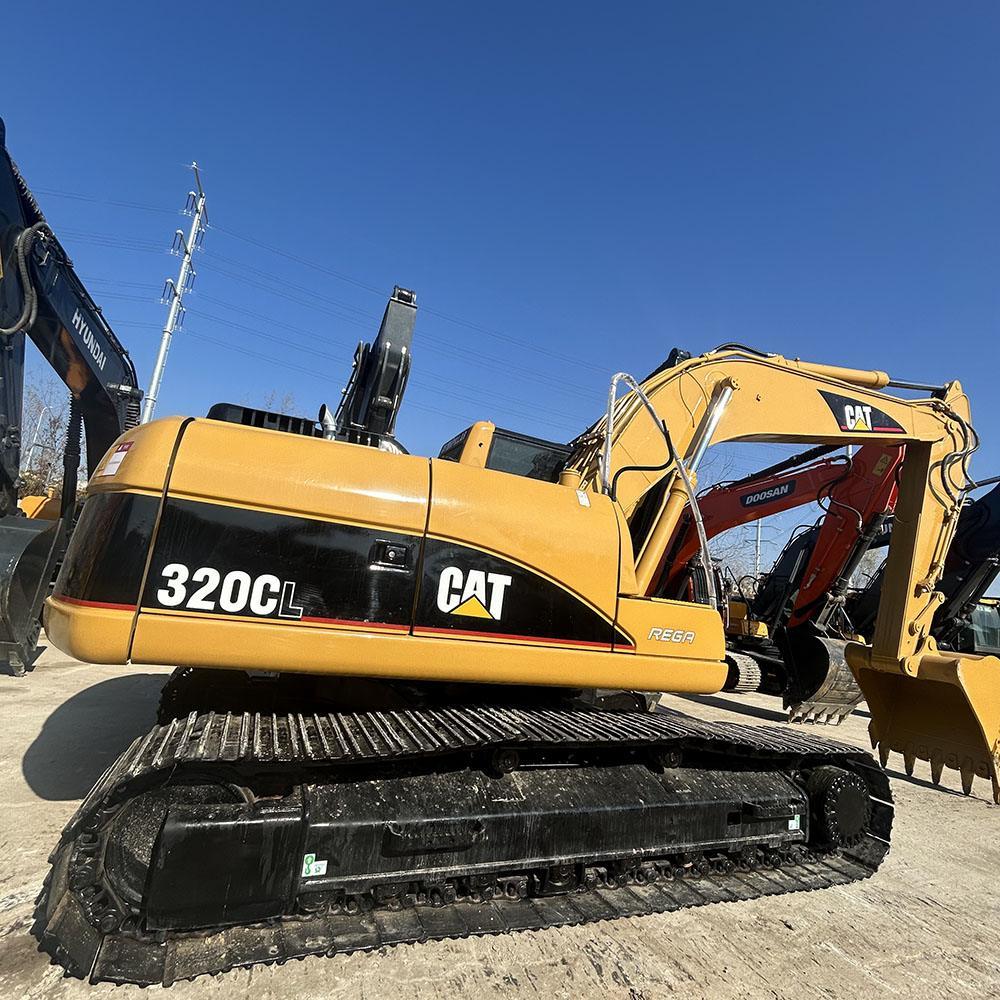
At the heart of the 320CL is the Cat 3066 / 3066ATAAC engine (3066 AT: 320CL 发动机型号), a 6-cylinder turbocharged diesel that delivers 103 kW (138 hp) net power at 1,800 rpm (5†L7-L8). Gross power reaches 107 kW (143 hp). The engine is optimized for fuel efficiency and reliable performance in challenging conditions (9†L8-L10).
The “L” designation brings a long undercarriage with a track gauge of 2,380 mm and track grounding length of 3,650 mm, providing exceptional stability for heavy digging and lifting (5†L16-L17). The machine’s load-sensing hydraulic system delivers a total pump flow of 410 L/min (2 × 205 L/min) at 34,300 kPa hydraulic pressure, generating a bucket breakout force of 132 kN (iso) and an arm crowd force of 99 kN (5†L12-L14).
Digging Performance:
| Parameter | Value |
|---|---|
| Max Digging Depth | 6,550–6,700 mm |
| Max Reach at Ground Level | 9,710–10,000 mm |
| Max Dumping Height | 6,670 mm |
| Max Digging Height | 9,440 mm |
| Bucket Capacity | 0.8–1.2 m³ |
Capacities:
| Parameter | Value |
|---|---|
| Fuel Tank | 320 L |
| Hydraulic Tank | 120 L (total system ~240 L) |
| Engine Oil | 30 L |
| Coolant | 24–30 L |
Transport Dimensions:
| Parameter | Value |
|---|---|
| Overall Length (Boom) | 9.39–10.04 m |
| Overall Width | 2.98 m |
| Overall Height | 3.01–3.05 m |
| Operating Weight | 20,800–21,700 kg (depending on configuration) |
The swing system features a specification of 11.5 rpm swing speed with 61.8 kN·m swing torque, while travel speeds are 5.5–5.6 km/h high range and 3.4 km/h low range, with 196–220 kN of traction force. The cab environment includes ROPS/FOPS certification and an air-suspension seat (5†L18-L19).
Understanding the 320CL’s place in Caterpillar’s evolution is crucial for used buyers. The “C” in 320CL represents a significant upgrade from the “B” model, with improvements in engine power, hydraulics, and operator comfort (12†L15-L16). Compared to its predecessor, the 320CL features better operator comfort, a quieter, roomier cab, improved hydraulics, and slightly improved fuel efficiency.
The “L” suffix is equally important. Long undercarriage increases the machine’s stability and lifting capacity, allowing it to handle larger buckets and work on less-than-level ground with greater confidence. This makes the 320CL ideal for heavy-duty earthmoving, trenching deep sewer lines, and handling oversized rocks or demolition debris where stability is critical.
The engine on this one (Cat 3066) hasn’t given any trouble so far and all hydraulics have no leaks anywhere yet (10†L15-L17). The undercarriage stability impressed me (11†L13). Cab’s roomy enough and AC actually works (10†L17-L21).
Hydraulic response was kind of sharp, took a bit to get used to. Doesn’t guzzle diesel too fast, which helps since fuel prices are up (10†L6-L8). The maintenance side is ok, nothing weird popped up, but it’s not super easy to get at the filters compared to the previous gen (10†L31-L33).
Just don’t go skipping your service intervals or you’ll be sorry (10†L39-L42).
No machine is perfect, and the 320CL has several documented issues that used buyers should be aware of. Understanding these can save thousands in unexpected repairs.
1. Hydraulic Pump Wear and Pressure Loss. The most frequently reported issue involves hydraulic pump degradation. Standard troubleshooting protocol involves checking the relief valve and the relief valve oil seal. If both are normal, it usually indicates hydraulic pump wear—specifically of the valve plate (13†L5-L8). In more severe cases, low hydraulic power may require checking pilot pressure at all RPMs, negative flow control settings, pump control head adjustments, and traveling pump power (14†L15-L18). One documented case noted the machine struggling to dig dirt even at level 6 speed, tracking pull to one side, and the thumb not holding pressure when transporting rocks (14†L21-L33).
2. Engine Performance Issues (Black Smoke/Low Power). In cases where the engine stalls under load at an idle or full throttle, the root cause could be pump actuators (pump regulators) worn between the housing and the servo control spool, combined with jammed two-piece swash cradle saddle bearings (2†L26-L32).
3. Boom Arm Pressure Relief (Hydraulic Drift). A documented case of 320CL boom hydraulic pressure leak, with no external leakage visible, was traced to worn cylinder seals or control valve spool and seal wear. Internal leaks in hydraulic components are harder to detect and often cause significant performance degradation (2†L20-L22).
4. Oil Ingress into Pump Distribution Gearbox. Another documented failure involves oil ingress into the pump distribution chamber. The immediate response is immediate repair after discovery, replacing damaged oil seals, and regularly cleaning and maintaining the hydraulic system’s cooling device followed by a pressure test (15†L8-L10).
5. Electrical and Starter Issues. When the engine won’t start or starts slowly, troubleshooting steps include checking battery voltage, wiring connections, switches, and starter motor components for wear. The fuel system should also be inspected for adequate supply, clogged filters, damaged/dirty fuel lines, and sufficient fuel pressure; engine oil level should be checked to ensure oil supply to the injection drive pressure circuit (15†L10-L11).
6. Fuel Filter Restriction and Fuel System Sensitivity. Using only genuine Cat filters is critical for the 3066 engine’s fuel system. Aftermarket filters often fail to maintain proper pressure and can lead to injector damage—a much more expensive repair than routine filter replacements.
7. Undercarriage Wear. Long undercarriage is excellent for stability but exposes track components to higher stress. Track shoes (typically 600 mm standard, 500/700/800 mm optional), sprockets, rollers, and idlers are major wear items that should be carefully inspected before purchase (5†L17-L18).
The 320CL’s service intervals are extended, with engine oil changes required every 500 hours and hydraulic oil changes every 2,000 hours. The machine’s accessible service points and simplified maintenance procedures ensure minimal downtime, keeping it operational for longer periods (3†L43-L46). Using Cat genuine oil with S·O·S monitoring is strongly recommended.
Estimated Maintenance Costs (Reference):
| Cost Category | Estimated Amount (USD) |
|---|---|
| 5,000-hour cumulative maintenance (routine) | ~$10,000–18,000 |
| Hydraulic pump rebuild/replacement (if needed) | $2,500–5,000 |
| Engine top-end overhaul (10,000–12,000 hours) | $4,000–8,000 |
| Full undercarriage replacement | $5,000–8,000 |
Note: Actual costs vary significantly by region, parts pricing (OEM vs. aftermarket), operating conditions, and labor rates.