

SALE

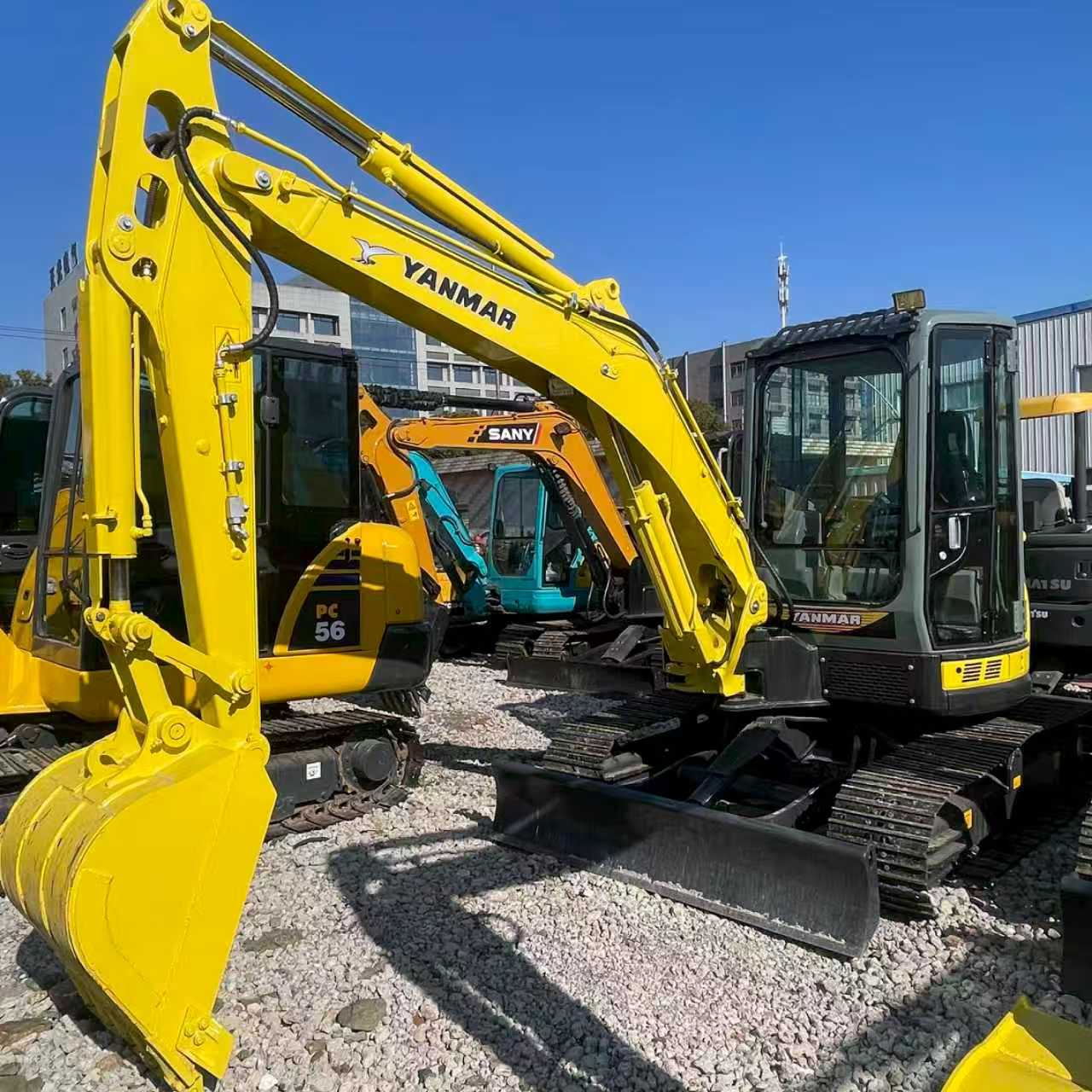
Yanmar is a Japanese leader in compact construction equipment, known for ultra-reliable, fuel-efficient mini excavators. Used Yanmar excavators are globally sought after for low operating costs, durability, and easy transportability. Key second-hand models include the ViO series (zero-tail-swing: ViO17–ViO55), the B series (conventional tail-swing: B27–B50), and larger SV models like the SV100.
Showing The Single Result
Yanmar holds a globally respected position in the compact equipment sector, with more than 30 percent market share in mini excavators within Japan and strong positions across multiple equipment categories worldwide. The brand pioneered the zero-tail-swing concept and continues to be recognized for its reliability, performance, and commitment to customer satisfaction. For buyers of used Yanmar excavators, this heritage translates directly into predictable lifecycle costs and equipment longevity. As Yanmar CE’s North America President noted at CONEXPO 2026, “Reliability matters. Uptime matters. Predictable lifecycle cost matters”.
Used Yanmar excavators are also renowned for their fuel-efficient diesel engines, which reduce operating costs while maintaining robust hydraulic performance. According to independent buyer feedback, Yanmar mini excavators are valued for their small footprint, maneuverability, efficient hydraulic performance, and operator-friendly controls—qualities that make them suitable for everything from light-duty landscaping to demanding excavation tasks. Additionally, the brand’s extensive global dealer and parts network ensures that spare parts and technical support remain accessible even for older used units, an essential consideration for international buyers.
Yanmar’s used excavator lineup is dominated by two main series, each serving distinct operational needs.
ViO Series (Zero-Tail-Swing): The ViO series features true zero-tail-swing design, making these machines ideal for confined urban jobsites and work near traffic or structures. Key models in the used market include:
ViO17 – Operating weight: 1,760 kg (3,880 lb), horsepower: 14 hp. A 2023 ViO17 can be found at approximately 13,000USD,whilea2018modelwitharound4,200hoursoffersalowerentrypointatroughly13,000USD,whilea2018modelwitharound4,200hoursoffersalowerentrypointatroughly7,300.
ViO25-6B – Produced since 2022, weight: 2.82 tons.
ViO30-6B – Manufactured from 2019 to 2024, weight: 3.17 tons.
ViO35 – Operating weight: 3,535 kg (7,793 lb), horsepower: 28 hp. A 2023 ViO35 with 1,458 hours demonstrates the low-hour availability in the used market.
ViO50-6B – In production since 2019, weight: 4.7 tons; powered by a 28.3 kW engine with 36.5 kN bucket digging force and 42.7 kN traction force; Eco Mode and auto deceleration come as standard.
B Series (Conventional Tail-Swing): The B series models (such as B27, B37, and B50) feature conventional tail-swing design, offering greater digging force and enhanced stability for heavier-duty applications compared to compact zero-tail counterparts. These machines are particularly well-suited for jobs where rear swing radius is less restricted but maximum digging power remains a priority.
For buyers requiring larger capacity, the SV Series (e.g., SV100) provides a balance of compact design and heavy-duty performance, while the ViO80 series appeals to operators needing greater power with the same zero-tail-swing advantages.
Service life varies significantly by model and usage conditions. According to an internal Yanmar survey conducted across Europe and North America, 94% of Yanmar models have an average life expectancy exceeding 5,000 hours, with some models reaching over 10,000 hours. For mini excavators specifically, industry sources indicate that high-quality machines like Yanmar typically last 2,500 to 3,500 hours under normal operating conditions, though with proper maintenance this figure can be substantially extended.
Regarding depreciation, the commonly applied standard for used construction equipment follows a tiered schedule: 20% depreciation in the first year, followed by a 5% annual decrease thereafter (15% in year two, 10% in year three, 5% in year four). By the fifth year, depreciation typically stabilizes at approximately 5% or less annually. This means that Yanmar excavators that have passed their steepest depreciation curve still retain significant residual value while offering years of productive life. For context, a used Yanmar excavator with approximately 4,800 hours has typically completed its major value drop but remains well within its operational lifespan, assuming regular maintenance and responsible operation.
A thorough pre-purchase inspection is essential to avoid costly repairs. Industry guidelines recommend the following systematic approach:
Engine and Starting System: Perform both cold and hot start checks. Observe exhaust smoke color—blue smoke suggests internal engine wear or oil consumption, while black smoke may indicate fuel inefficiency or combustion issues. Verify that the engine starts promptly without excessive cranking, abnormal knocking, or stalling. Evidence of engine oil leaks around gaskets, seals, or the oil pan should be carefully assessed.
Hydraulic System: Inspect hydraulic fluid levels when the system is cool for accurate readings. Examine all visible hydraulic hoses, lines, cylinders, and seals for rubbing, chafing, leaks, or damage. During operation, check cylinder seals for leakage and verify smooth, responsive performance of all hydraulic functions. Jerky movement, whining noises, or inconsistent speed may indicate internal wear, contamination, or hydraulic pump issues.
Undercarriage and Track Assembly: The undercarriage is one of the most expensive components to replace. Inspect tracks, rollers, sprockets, and idlers for uneven wear, misalignment, cracks, or missing components. Rubber tracks should be checked for cuts, chunks missing, or separation from steel cords. Also verify the backfill blade condition if equipped.
Boom, Arm, and Attachment Points: Examine the main boom sections, stick (arm), and attachment points for cracks, especially around pin bosses, pivot joints, and weld seams. Look for evidence of previous structural repairs such as mismatched paint, poor weld quality, or replacement panels, which may indicate prior damage that could compromise structural integrity.
Service Documentation and Hours Verification: Request complete maintenance records, including oil and filter change intervals (standard for Yanmar is 500 hours for engine oil), hydraulic fluid and filter replacements, and any major component repairs. Cross-reference hour meter readings with service logs where possible—inconsistent readings can indicate odometer tampering. Be particularly cautious about units lacking documentation or showing evidence of incomplete maintenance cycles.
Warning Signs to Reject: Watch for evidence of structural repairs, repeated hydraulic leaks, smoke under load, inconsistent hour readings between meter and physical condition, lack of service records, signs of submersion or fire damage, and aftermarket modifications that may affect safety or performance. If possible, conduct an operational test in both cold and fully warmed conditions, as some issues only emerge once components reach operating temperature.
Yes, used Yanmar excavators can be financed through multiple channels, though terms vary based on equipment age, condition, and operating hours. According to Vibrant Credit Union, Yanmar’s exclusive loan processing partner in the United States, used equipment financing carries an APR that is one percentage point higher than new equipment financing rates. Loan terms are determined by equipment age and usage: units under 5 years or with less than 500 hours qualify for up to 84-month terms; machines aged 6–10 years or with 501–1,000 hours qualify for up to 72 months; units aged 11+ years or with over 1,001 hours generally receive 60-month maximum terms. Minimum credit score for standard approval is 660, with higher rates applied below that threshold.
In Canada, Mehmi Financial Group reports that used Yanmar Construction equipment up to 14 years old is commonly financed, subject to condition, hours, and documentation. Approval decisions are typically rendered within 24–48 business hours for most applications.
For general construction equipment financing in 2026, interest rates for used machinery typically range from 5% to 20%, depending on the buyer’s credit history, business revenue, loan term, and the age and condition of the equipment. Broader equipment financing market data shows average yields on equipment loans at approximately 7.4% as reported by the Equipment Leasing & Finance Association (ELFA), with the cost of funds at 4.8%. Buyers with strong credit profiles and well-documented business operations typically secure rates in the 5.99%–9.99% range.
Many lenders also offer flexible down payment options from 10-15% of equipment value, with up to 100% financing potentially available for qualified buyers. Lease-to-own, operating lease, and term loan structures are all available depending on the lender and buyer‘s financial situation.