

Used SDLG 936L Loader for Sale | Reliable 3 Ton Wheel Loader
1-2 Unit$21,000
>=3 Units$20,300
(Price is FOB . Contact WhatsApp for CIF price & shipping cost.)
Used loader for sale: Get the best price on a Used SDLG 936L loader at Taihong Machinery. This reliable 3-ton wheel loader features low hours, original Weichai engine, and high bucket efficiency. Global shipping with professional FOB/CIF quotes. Contact us for a job-ready SDLG loader today!
| Brand | SDLG |
|---|---|
| Country of Origin | China |
| Year | 2024 |
| Model Number | 936L |
| Working Hours | 300H |
Categories: Loader
Product Categories
Product Specifications
| Category | Parameter | Typical Value |
| Basic Info | Type | Wheel Loader |
| Operating weight | 10,700 kg | |
| Rated Load | 3,000 kg (3 Ton) | |
| Bucket capacity | 1.8 m³ (Standard) | |
| Work Device | Boom length | 3,100 mm |
| Stick/Dump Reach | 1,050 mm | |
| Mobility | Min. Turning Radius | 5,381 mm |
| Walking speed | Max. 38.0 km/h | |
| Gradeability | 30° | |
| Digging Force | Bucket digging force | ≥ 96 kN |
| Max. Tractive Force | ≥ 105 kN | |
| Engine | Engine model | Weichai WP6G125E22 |
| Rated power | 92 kW (125 hp) @ 2200 rpm | |
| Displacement | 6.75 L | |
| No. of cylinders | 6 Cylinders | |
| Cooling method | Water-cooled | |
| Capacities | Fuel tank | 140 L |
| Length | 7,100 – 7,230 mm | |
| Width | 2,510 mm (Bucket width) | |
| Height | 3,170 mm | |
| Range | Max. lifting height | 3,789 mm |
| Max. excavation depth | 约 100 mm | |
| Max. unloading height | 2,950 mm | |
| Maximum digging height | 4,877 mm |
Product Pictures


Expert Inspection Report
When you talk about the most popular 3-ton loaders for export, the SDLG 936L is the undisputed “Evergreen” model. Born from the deep partnership between SDLG and Volvo, this machine has become synonymous with “Value for Money” in the international used equipment market.
If you’re pitching this machine to an overseas client or evaluating one for your inventory, here is the “boots-on-the-ground” breakdown of what makes this loader tick.
1. The First Impression: Practicality Over Fluff
The 936L is built on two principles: Simplicity and Durability. Unlike Caterpillar or Komatsu units that are packed with sensitive sensors and complex electronics, the 936L feels “purely mechanical.” In regions like Africa or Southeast Asia—where a wrench is the primary diagnostic tool—this lack of complexity is a massive selling point. It’s agile, has a tight turning radius, and fits perfectly in timber yards, sand pits, or small farms where a 5-ton loader would be overkill.
2. The Heart of the Beast: Weichai WP6G125
The core competitiveness of this machine lies in its Weichai (Deutz tech) engine.
-
Bulletproof Reliability: This engine isn’t “picky.” Everyone knows that diesel quality in some regions can be hit or miss. While high-tech Common Rail engines might choke and shut down, the 936L’s mechanical pump engine just keeps humming along.
-
Parts Everywhere: You can find filters, belts, and gaskets for this engine in almost any major port city or machinery hub worldwide. It’s the “AK-47” of engines—it just works.
3. The “Volvo DNA” in the Chassis
You can tell SDLG learned a lot from Volvo regarding structural integrity.
-
Cooling System: The airflow design on the 936L is clever. It’s less prone to dust buildup, which is a lifesaver in tropical climates. It keeps the water tank from blowing even during 12-hour shifts in the heat.
-
Reinforced Frames: The box-structure frames handle high-stress loading well. Even on units with 5,000+ hours, you rarely see the stress cracks that plague cheaper “budget” brands.
4. Where are the “Potholes”? (The Reality Check)
A real expert review doesn’t ignore the flaws. If you’re buying a used 936L, watch out for these:
-
The Transmission: When testing the A301 gearbox, always start it cold and jump into 1st gear. If there’s a heavy “clunk” or a delay, the internal friction plates are likely worn, and a rebuild is coming.
-
Pins and Bushings: If the previous owner was lazy with the grease gun, these pins wear down fast. Give the boom a shake—if there’s too much “play,” the machine has had a rough life.
-
Electrical Gremlins: While the iron is strong, the dashboard gauges on older units are notorious for failing. It doesn’t stop the machine from working, but it gives the buyer an excuse to lowball your price.
5. The Insider Secret: Why do buyers specifically ask for it?
It’s simple: The ROI (Return on Investment). You can pick up a solid used 936L for under $20k USD. It does the same job as a 3-ton Cat, consumes slightly less fuel than an older LiuGong, and costs a fraction of the price. To an owner-operator, this is a “money-making tool.” As long as it stays upright and keeps scooping, it’s the best machine in the world.
Company Description
Taihongmachinery (TH Engineering Equipment Limited) is a premier global supplier specializing in the export of high-quality, pre-owned heavy construction equipment.
Our company sells Caterpillar,Komatsu,Sany,Doosan,Hyundai,Hitachi,Volvo,Kubota used excavators, used bulldozers, used loaders, used graders, used cranes, used rollers, etc. With a strategic focus on the international trade of used excavators, we have established ourselves as a cornerstone of reliability for clients across Southeast Asia, South Asia, the Middle East, Africa, and South America.
Shipping & Delivery Policy
At Taihong Machinery, we provide flexible global logistics solutions for all our used heavy machinery.
Shipping Method: We recommend working with professional international freight forwarders specializing in heavy equipment (RORO or Flat Rack container shipping).
Flexibility: We are happy to work with your preferred freight forwarder. If you do not have one, we can leverage our network of reliable, certified global logistics partners to provide competitive shipping quotes to your nearest port.
Preparation: All machines undergo professional cleaning and safety inspections prior to loading to ensure they meet international shipping regulations.
Documentation: We provide all necessary export documentation, including Bills of Lading, Packing Lists, and Commercial Invoices, to ensure smooth customs clearance at the destination.
Return & Refund Policy
We provide a detailed pre-shipment inspection report and live video call to confirm machine condition. Returns are generally not accepted, but if the machine does not match the inspection report, we will negotiate a resolution.
Inspection: We encourage all buyers to conduct a thorough inspection of the machine, either in person at our yard in China or via live video consultation with our technicians.
Pre-shipment Verification: Before the machine leaves our yard, we provide a full functional test report and live video proof of the engine, hydraulic, and structural condition. Once the buyer confirms the machine status and the machine is loaded for export, we do not accept returns.
Warranty: All equipment is sold in “as-is” condition. We are committed to transparency and will disclose all known technical details prior to purchase.
Support: Should any issues arise during the shipping process, we will provide full support in communicating with your insurance provider and the shipping line.
Success Cases


A:
The SDLG 936L (also designated as LG936L) is a 3‑ton rated wheel loader that has been in continuous production since 2018, making it one of SDLG’s most popular and proven medium‑duty loader models. Understanding its core specifications is essential for any potential buyer evaluating a used unit.
Core Specifications (plain list):
-
Operating Weight: 10,700 – 10,750 kg
-
Rated Load Capacity: 3,000 kg (3 tons)
-
Bucket Capacity: 1.6 – 1.8 m³ (standard), 1.4 – 3.0 m³ range
-
Engine: Weichai WP6G125E22 / WP6G125E332 (92 kW / 123 hp)
-
Maximum Breakout Force: 96 kN
-
Maximum Tractive Force: ≥105 kN
-
Maximum Dumping Height: 2,950 – 3,040 mm
-
Dumping Distance: 1,050 mm
-
Maximum Travel Speed: 38 km/h
-
Fuel Tank Capacity: 160 L
-
Dimensions (L×W×H): 7,100 × 2,520 × 3,170 mm
The 936L is powered by a Weichai WP6G series turbocharged diesel engine, delivering 92 kW (approximately 123 hp) of reliable power. This powerplant is known for its high torque reserve, fuel efficiency, and proven durability across diverse operating conditions. The machine employs a single‑stage, four‑element dual‑turbine torque converter that effectively utilizes engine power while increasing torque output, resulting in superior tractive performance.
In real‑world operations, the LG936L has demonstrated impressive productivity. At a stone crushing plant in Indonesia, LG936L wheel loaders work an average of 11 hours daily, moving up to 320 m³ of aggregates and stone ashes per day. At an Australian hide‑processing facility, a single LG936LA operates 10–20 hours per week and transports approximately 50 tons of salt weekly, processing 650,000 hides annually. These performance metrics validate the machine’s capability as a reliable workhorse for demanding material‑handling applications.
A:
Purchasing a used SDLG 936L requires a systematic inspection approach to ensure you’re getting a machine that will deliver reliable performance and value. Based on industry best practices and SDLG’s own maintenance guidelines, here is a comprehensive pre‑purchase inspection checklist.
-
Operating Hours and Age Verification
The most critical metric is the machine’s operating hours. Used 936L units are commonly available with 0–2,000 hours, and machines under 1,000 hours are often described as being in “very new and tight” condition. Always verify hours against the machine’s service records—discrepancies are a red flag. The LG936L has been manufactured since 2018, so older units may require more careful evaluation. -
Engine Condition Assessment
Engine wear is one of the most common issues in used wheel loaders. Start the engine cold and listen for unusual knocking, excessive smoke, or rough idling. Check for:
-
Oil leaks around the turbocharger and valve cover
-
Coolant condition (milky appearance indicates head gasket issues)
-
Exhaust smoke color (black = fuel system issues; blue = oil burning; white = coolant infiltration)
-
The Weichai WP6G engine should start readily and maintain steady idle without surging
-
Hydraulic System Evaluation
The hydraulic system is the lifeline of any wheel loader. Inspect for:
-
Leaks around cylinders, hoses, and fittings
-
Smooth, responsive operation of lift arms and bucket tilt
-
Unusual whining or groaning from the hydraulic pump
-
Proper oil level and condition in the hydraulic reservoir
-
The breakout force should reach 96 kN under load—test by attempting to lift a full bucket
-
Transmission and Drivetrain
The LG936L features a planetary powershift transmission. During a test drive:
-
Shift through all gears (forward and reverse) to check for smooth engagement
-
Listen for grinding or clunking sounds
-
Verify that the machine achieves its maximum speed of 38 km/h
-
Check axle and differential for leaks or unusual noises
-
Structural Integrity and Wear Items
-
Tires: Check tread depth, sidewall cracks, and even wear patterns
-
Bucket: Inspect cutting edge wear, cracks in the bucket structure, and pin/bushing play
-
Frame and Articulation: Check the center articulation joint for excessive play—this is a high‑wear area
-
Cab and Controls: Verify air conditioning operation (standard equipment on LG936L), seat condition, and control responsiveness
-
Maintenance History Review
Request complete maintenance records. A disciplined maintenance schedule—including checks every 250 hours with particular attention to the driveline—is a strong indicator of proper care. Machines with documented service histories command premium prices but offer significantly lower risk. -
Professional Inspection
For high‑value purchases, consider engaging an independent inspection service. Professional inspectors are available in over 20 countries, and an inspection costs significantly less than repairing a defective hydraulic cylinder.
A:
Proper maintenance is essential for maximizing the lifespan and resale value of your used SDLG 936L. SDLG recommends a structured maintenance program that balances preventive care with cost‑effective operation.
Daily Checks (Every 8–10 Operating Hours)
Before each shift, operators should perform a walk‑around inspection including:
-
Engine oil level
-
Hydraulic fluid level
-
Coolant level and condition
-
Tire pressure and condition
-
Visual inspection for leaks, loose bolts, and damaged components
-
Functionality of lights, horn, and safety devices
Regular Service Intervals:
-
Every 250 hours: Comprehensive maintenance including engine oil and filter change, hydraulic oil filter replacement, driveline inspection, and greasing of all pivot points
-
Every 500 hours: Transmission oil and filter change, axle oil change, fuel filter replacement
-
Every 1,000 hours: Complete hydraulic oil change, cooling system flush, brake system inspection
-
Every 2,000 hours: Major overhaul inspection, injector testing, turbocharger inspection
Industry experience with SDLG wheel loaders working in demanding applications confirms that disciplined 250‑hour maintenance checks—with particular focus on components like the driveline—are critical for preventing premature wear.
Typical Operating Costs (Estimates)
While actual costs vary by region and operating conditions, here are benchmark figures for budgeting:
-
Fuel Consumption: The Weichai WP6G engine is designed for fuel efficiency. Typical consumption ranges from 12–16 L/hour depending on load factor and duty cycle.
-
Engine Oil Change (250 hrs): Approximately 18 L of engine oil plus filter.
-
Hydraulic Oil Change (1,000 hrs): Approximately 128 L system capacity.
-
Tire Replacement: A full set of quality tires typically lasts 2,000–4,000 hours depending on operating surface.
-
Major Component Life: With proper maintenance, SDLG loaders are known to achieve 10+ years of productive service.
Cost‑Saving Tips:
-
Use genuine SDLG or equivalent‑quality filters and fluids
-
Train operators in proper machine operation to reduce wear
-
Keep detailed maintenance logs to track component life and predict replacements
-
Consider extended warranty or parts support programs—some suppliers offer lifetime parts support at cost price for purchased machines
A:
The 3‑ton wheel loader segment is highly competitive, with major manufacturers including Caterpillar, Komatsu, Volvo, LiuGong, and XCMG offering comparable models. Here’s how the SDLG 936L positions itself against the competition.
Value Proposition: Performance at Accessible Pricing
SDLG, as a subsidiary of Volvo Construction Equipment, combines Volvo’s technological expertise with Chinese manufacturing cost advantages. This unique positioning allows the 936L to offer:
-
Volvo‑influenced design and quality standards
-
Competitively priced acquisition and operating costs
-
Extensive parts availability through SDLG’s global dealer network
Performance Comparison (key metrics):
-
Operating Weight: SDLG 936L = 10,700 kg ; Industry average (3‑ton class) = 10,000 – 11,000 kg
-
Breakout Force: 96 kN vs. 85 – 100 kN average
-
Dumping Height: 2,950 – 3,040 mm vs. 2,800 – 3,100 mm average
-
Engine Power: 92 kW (123 hp) vs. 85 – 110 kW average
The 936L’s breakout force of 96 kN is competitive with premium brands, while its 3.04 m dumping height provides excellent clearance for standard dump trucks.
Real‑World Performance Validation:
The LG936L has been validated across diverse applications worldwide:
-
Agriculture: Farmers praise it as their “right‑hand man” for strong power, driving comfort, and complete parts supply
-
Waste Management: Malaysian solid waste plants rely on the L936L’s reliability for continuous operations
-
Mining and Quarrying: Indonesian stone crushing operations run LG936L units 11 hours daily, moving 320 m³ of material per day
-
Construction: The loader excels in farms, timber plants, and urban construction projects
Key Advantages of the SDLG 936L:
-
Proven Reliability: The LG936L has been SDLG’s top‑selling wheel loader for several years
-
Fuel Efficiency: Advanced fuel injection and consumption control systems reduce operating costs
-
Maneuverability: Compact dimensions and tight turning radius make it suitable for confined work spaces
-
Operator Comfort: Air‑conditioned steel cab with wide visibility and spacious operating environment
-
Service Support: SDLG’s global distributor network ensures parts availability and technical support
Considerations:
-
The 936L is a mid‑tier machine—while highly capable, it may not match the extreme durability of premium European or Japanese brands in the most punishing mining applications
-
Resale value, while strong, typically doesn’t match Caterpillar or Komatsu equivalents in Western markets
-
Emissions compliance varies—ensure the specific unit meets your region’s requirements (Tier 3 / China National III engines are common)
A:
Like any heavy equipment, used SDLG 936L loaders can develop issues over time. Understanding these common problems—and their solutions—helps buyers make informed decisions and owners maintain peak performance.
-
Hydraulic System Issues
Hydraulic problems are among the most frequently reported issues in used SDLG wheel loaders.
-
Common symptoms: Slow lift arm response, weak breakout force, excessive hydraulic noise, or leaking cylinders.
-
Root causes: Low hydraulic fluid level; insufficient oil supply to pumps; air in the system; worn cylinders/valves; contaminated fluid.
-
Solutions: Check and maintain proper fluid levels; bleed air; replace worn seals and cylinders; change fluid and filters at 1,000‑hour intervals; for persistent issues, seek professional diagnosis.
-
Engine Wear and Performance Degradation
Engine wear is one of the most common problems, particularly in higher‑hour machines.
-
Common symptoms: Loss of power, increased fuel consumption, hard starting, excessive exhaust smoke.
-
Root causes: Extended operation without proper maintenance; low‑quality fuel/oil; worn injectors or turbocharger; clogged filters.
-
Solutions: Follow the 250‑hour oil and filter change schedule rigorously; use recommended oil grade (18 L capacity); replace fuel filters regularly; test/calibrate injectors at major services; monitor ECM fault codes (e.g., code 1 for crankshaft sensor) for early warning.
-
DEF and Emissions System Faults (Tier 4 / Stage V models)
For newer 936L units with emissions controls, DEF system issues can occur.
-
Common symptoms: Flashing regeneration warning light, reduced power, DEF fault codes.
-
Root causes: Incomplete regeneration cycles; low DEF fluid; DEF pump/relay malfunctions.
-
Solutions: Check DEF levels regularly and top up with high‑quality fluid; allow regeneration cycles to complete; have DEF components inspected by qualified technicians; clear codes after fixing the root cause.
-
Steering System Problems
The 936L features responsive hydraulic steering, but issues can develop.
-
Common symptoms: Heavy steering, steering delay, or complete failure.
-
Root causes: Air in the steering system; faulty steel‑ball in the check valve body of the steering unit; low steering pump pressure; contaminated fluid.
-
Solutions: Bleed the steering system; inspect/replace faulty steering unit components; check pump pressure and flow; maintain clean hydraulic fluid throughout.
-
Transmission and Drivetrain Wear
The planetary powershift transmission requires proper maintenance.
-
Common symptoms: Harsh shifting, slipping in gear, unusual noises, or failure to engage.
-
Root causes: Low or contaminated transmission fluid; worn clutch packs; driveline component wear.
-
Solutions: Change transmission oil and filter every 500 hours; inspect driveline components at 250‑hour intervals; address shifting issues promptly to prevent cascading damage.
Preventive Recommendations:
-
Maintain detailed service records
-
Use genuine SDLG parts or equivalent quality replacements
-
Train operators in proper machine operation and daily inspection procedures
-
Address warning signs immediately—small problems become expensive failures
-
Keep the operation and maintenance manual accessible for reference
You may also like
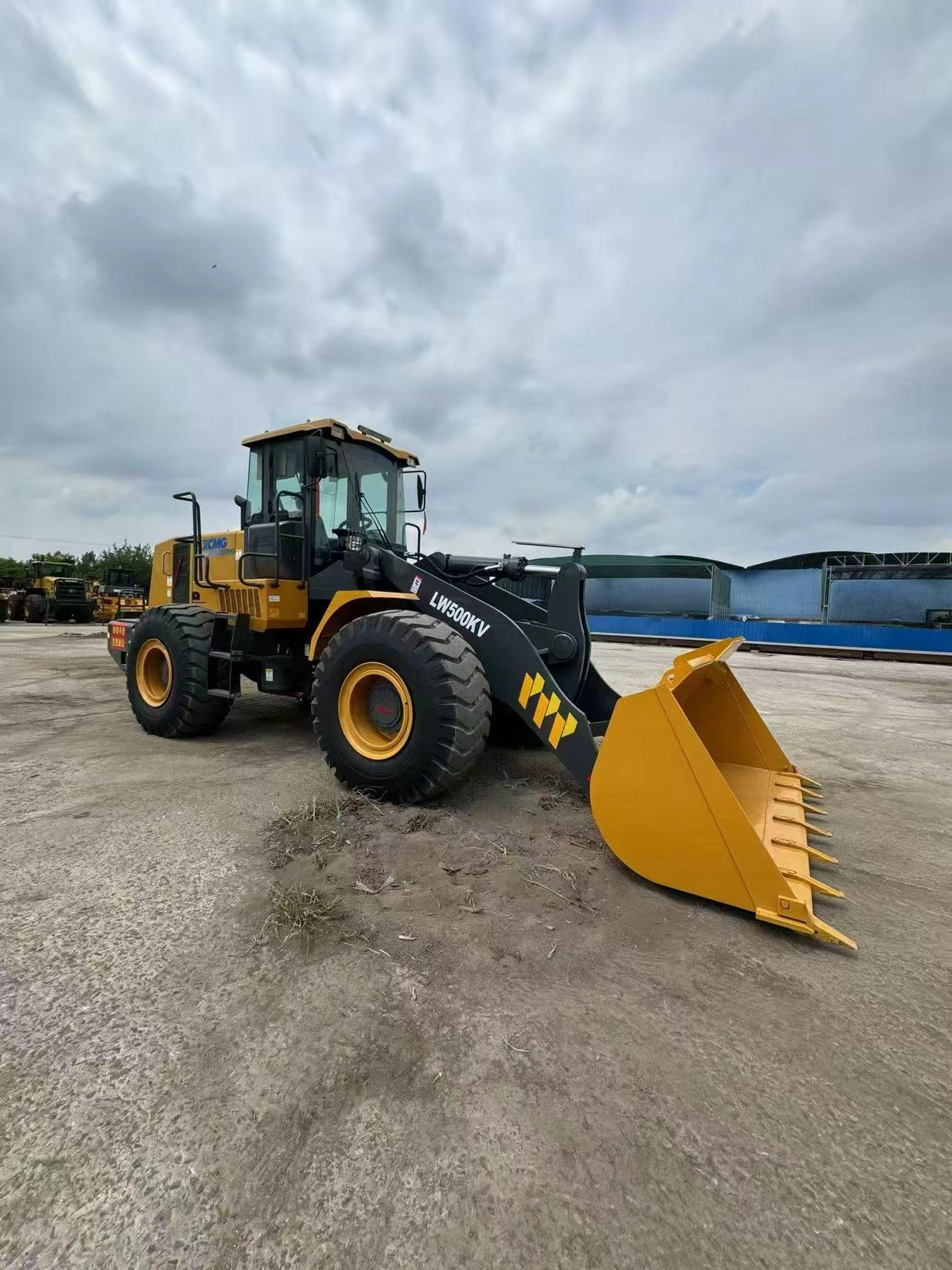
1-2 Unit$21,900
>=3 Units$20,900
(Price is FOB . Contact WhatsApp for CIF price & shipping cost.)
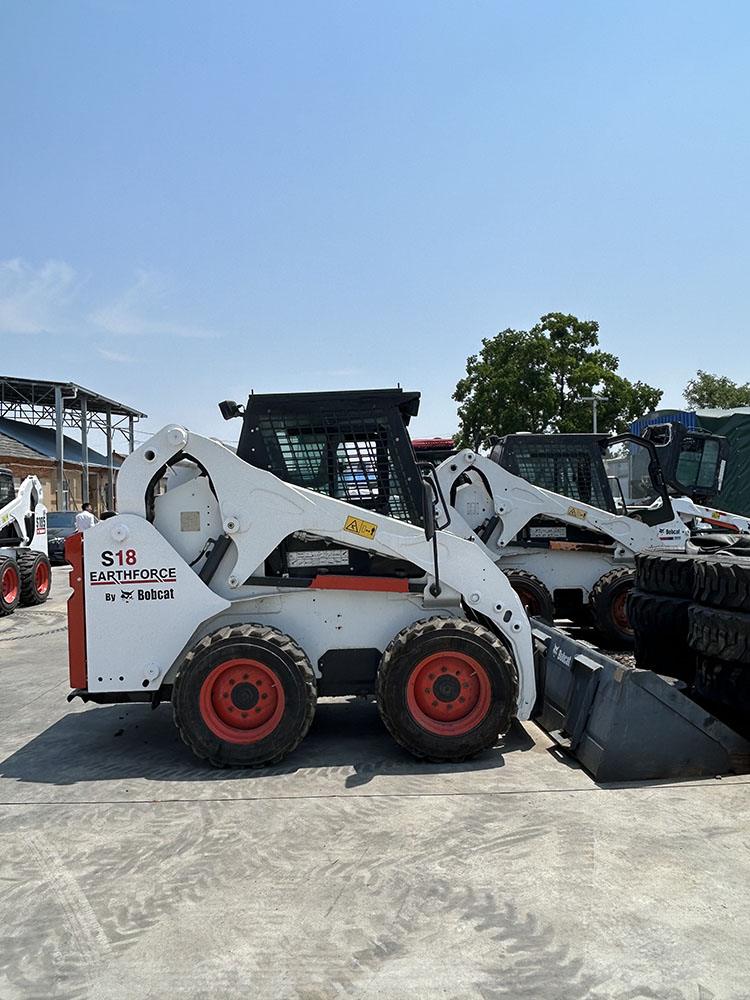
1-2 Unit$13,900
>=3 Units$12,999
(Price is FOB . Contact WhatsApp for CIF price & shipping cost.)
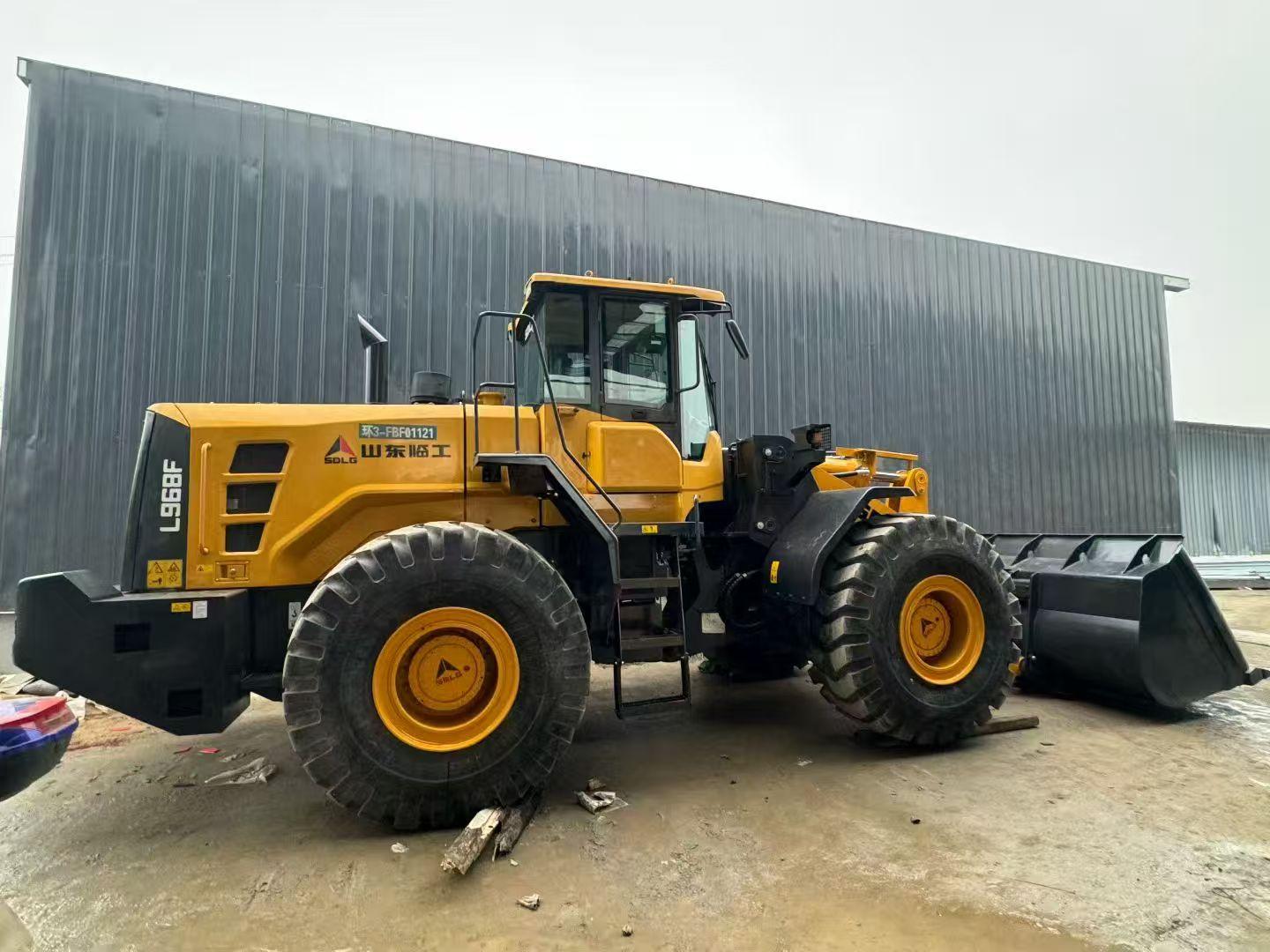
1-2 Unit$22,900
>=3 Units$21,800
(Price is FOB . Contact WhatsApp for CIF price & shipping cost.)
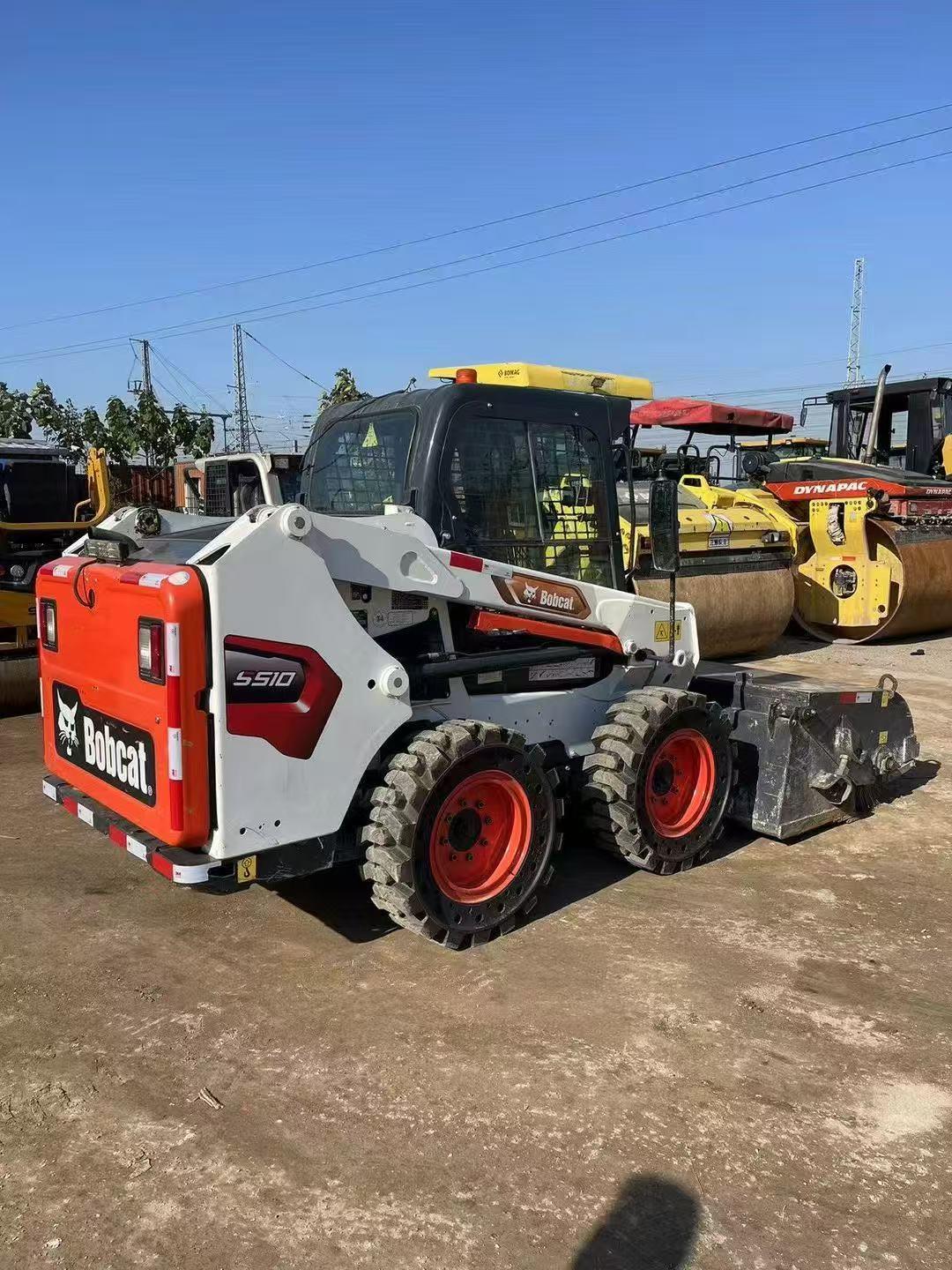
1-2 Unit$28,800
>=3 Units$27,900
(Price is FOB . Contact WhatsApp for CIF price & shipping cost.)

1-2 Unit$21,900
>=3 Units$20,800
(Price is FOB . Contact WhatsApp for CIF price & shipping cost.)
1-2 Unit$18,900
>=3 Units$17,900
(Price is FOB . Contact WhatsApp for CIF price & shipping cost.)
1-2 Unit$18,900
>=3 Units$18,800
(Price is FOB . Contact WhatsApp for CIF price & shipping cost.)

1-2 Unit$110,000
>=3 Units$108,000
(Price is FOB . Contact WhatsApp for CIF price & shipping cost.)