

Used CAT D7G Bulldozer for Sale – Low Price, High Performance
1-2 Unit$35,900
>=3 Units$34,800
(Price is FOB . Contact WhatsApp for CIF price & shipping cost.)
Used Bulldozer, CAT Bulldozer, Crawler Bulldozer – Get the CAT D7G for sale at a low price with high performance. Powerful, durable, and ready for heavy jobs. Best value for your fleet. Contact us today.
| Brand | CAT |
|---|---|
| Country of Origin | Japan |
| Model Number | D7G |
| Year | 2025 |
| Working Hours | 800H |
Categories: Bulldozer
Tags: CAT Bulldozer, Crawler bulldozer, Hydraulic bulldozer, Land leveling bulldozer, Second Hand Bulldozer, Used CAT D7G Bulldozer
Product Categories
Product Specifications
|
item
|
value
|
|
Machine Weight
|
20580KG
|
|
Dozing Capacity
|
4.2 m³
|
|
Engine Brand
|
CAT
|
|
Power(W)
|
150 k
|
|
Place of Origin
|
Japan
|
|
Hydraulic Cylinder Brand
|
Original
|
|
Hydraulic Pump Brand
|
Original
|
|
Hydraulic Valve Brand
|
Original
|
|
Brand Name
|
CAT
|
|
Year
|
2023
|
|
Video outgoing-inspection
|
Provided
|
|
Machinery Test Report
|
Provided
|
|
Core Components
|
Gear, Pump, Engine
|
|
Product name
|
Caterpillar Crawler Bulldozer
|
|
Condition
|
Used
|
|
Moving Type
|
Crawler
|
|
Model
|
D7G Crawler Bulldozer
|
|
Keywords
|
Used Original Cat Dcrawler Bulldozer
|
|
Brand
|
Caterpillar CAT
|
Product Pictures


Expert Inspection Report
The CAT D7G is a legendary medium-to-heavy crawler dozer, renowned for its rugged durability, powerful performance, and straightforward mechanical design. Built before the era of extensive electronics, the D7G remains a favorite among contractors who value reliability, ease of maintenance, and low total cost of ownership.
Performance & Power:
Powered by the Caterpillar 3306T turbocharged diesel engine delivering approximately 149–156 kW (200–210 hp), the D7G offers exceptional drawbar pull and pushing power. Operating weight ranges from 18,500 kg to 22,000 kg depending on blade and ripper configuration, with standard blade capacities of 3.8–5.0 m³ (semi-U or U-blade).
Durability & Service Life:
The D7G features a rugged powershift transmission, heavy-duty undercarriage, and a modular design that simplifies field repairs. Well-maintained units routinely exceed 20,000–25,000 operating hours, making used examples a long-term investment.
Cost Advantage:
A used D7G typically costs 60–70% less than a newer D7E or D7R model, while offering excellent parts availability worldwide and simple mechanical servicing.
Expert Verdict:
For budget-conscious contractors needing a tough, no-nonsense dozer for heavy earthmoving, land clearing, or mining support, the used CAT D7G remains a proven workhorse.
Company Description
Taihongmachinery (TH Engineering Equipment Limited) is a premier global supplier specializing in the export of high-quality, pre-owned heavy construction equipment.
Our company sells Caterpillar,Komatsu,Sany,Doosan,Hyundai,Hitachi,Volvo,Kubota used excavators, used bulldozers, used loaders, used graders, used cranes, used rollers, etc. With a strategic focus on the international trade of used excavators, we have established ourselves as a cornerstone of reliability for clients across Southeast Asia, South Asia, the Middle East, Africa, and South America.
Shipping & Delivery Policy
At Taihong Machinery, we provide flexible global logistics solutions for all our used heavy machinery.
Shipping Method: We recommend working with professional international freight forwarders specializing in heavy equipment (RORO or Flat Rack container shipping).
Flexibility: We are happy to work with your preferred freight forwarder. If you do not have one, we can leverage our network of reliable, certified global logistics partners to provide competitive shipping quotes to your nearest port.
Preparation: All machines undergo professional cleaning and safety inspections prior to loading to ensure they meet international shipping regulations.
Documentation: We provide all necessary export documentation, including Bills of Lading, Packing Lists, and Commercial Invoices, to ensure smooth customs clearance at the destination.
Return & Refund Policy
We provide a detailed pre-shipment inspection report and live video call to confirm machine condition. Returns are generally not accepted, but if the machine does not match the inspection report, we will negotiate a resolution.
Inspection: We encourage all buyers to conduct a thorough inspection of the machine, either in person at our yard in China or via live video consultation with our technicians.
Pre-shipment Verification: Before the machine leaves our yard, we provide a full functional test report and live video proof of the engine, hydraulic, and structural condition. Once the buyer confirms the machine status and the machine is loaded for export, we do not accept returns.
Warranty: All equipment is sold in “as-is” condition. We are committed to transparency and will disclose all known technical details prior to purchase.
Support: Should any issues arise during the shipping process, we will provide full support in communicating with your insurance provider and the shipping line.
Success Cases


A:
The CAT D7G is a medium-to-heavy crawler bulldozer manufactured by Caterpillar, powered by the legendary Cat 3306 engine. This 6-cylinder, in-line, four-stroke turbocharged diesel engine has a displacement of 10.5 L, with bore and stroke of 121 mm × 152 mm. The 3306 engine uses direct injection technology, which provides good productivity per unit of fuel burned and allows lower engine speeds for reduced stresses and increased engine life. Depending on configuration and production year, net power output ranges from 149 kW to 172 kW (200–230 hp), with typical net power of 150 kW (202 hp). Gross power can reach 164 kW (220 hp).
Operating weight varies significantly based on configuration. Standard D7G weight is approximately 20,580 kg (45,381 lb). Heavier configurations with cab, ripper, and attachments can reach 22,000–24,300 kg (48,500–53,600 lb). Blade capacity options: S-Blade (Straight) approximately 4.2 m³, SU-Blade (Semi-Universal) approximately 4.6 m³, and U-Blade (Universal) up to 5.0–5.8 m³. Fuel tank capacity is 415 L (110 gallons), hydraulic oil tank holds 102 L (27 gallons), engine oil capacity is 27 L, and cooling system capacity is 45.4 L. The D7G features a 3-speed powershift transmission with 3 forward and 3 reverse gears. Travel speeds: forward F1 0–3.9 km/h, F2 0–6.4 km/h, F3 0–9.9 km/h; reverse R1 0–4.5 km/h, R2 0–7.8 km/h, R3 0–12.7 km/h. Track shoe width is standard 560 mm, with optional 510 mm or 610 mm for LGP configurations. Track pitch is 216 mm. Ground pressure is approximately 73 kPa (10.6 psi). The D7G is also available in LGP (Low Ground Pressure) configuration for soft terrain applications, featuring wider track shoes for reduced ground pressure and improved flotation.
A:
Used CAT D7G pricing varies significantly based on age, operating hours, condition, configuration, and market region. Based on comprehensive market analysis across multiple platforms, used D7G pricing in the current market falls into the following tiers:
| Condition / Hours | Price Range (USD) | Examples / Notes |
|---|---|---|
| High-hour / Economy (5,000–10,000+ hours) | $11,000 – $25,000 | 1986 model sold for $11,000 (auction); 1978 model with 3,219 hours priced around $40,000 SGD (~$30,000 USD) |
| Medium-hour / Good (2,000–5,000 hours) | $25,000 – $40,000 | 1987 model with 3,402 hours; 2019 model with 1,900 hours priced at $34,700; 1988 model with 4,553 hours |
| Low-hour / Excellent (1,000–2,000 hours) | $35,000 – $50,000 | 2023 model with 789 hours priced at $42,000; Ex-army 2005 model with 1,202 hours at $42,000+; 2019 model with 1,900 hours at $34,700 |
| Ultra-low hours / Near-new (under 1,000 hours) | $50,000 – $65,000+ | 2004 ex-army model with only 166 hours, 95% undercarriage remaining, priced at premium (request price) |
Market data examples (verified listings):
-
Economy tier: A 1986 Cat D7G sold at auction with high offer of $11,000.
-
Good condition tier: A 2019 D7G with 1,900 hours and excellent maintenance rating is priced around $34,700.
-
Higher tier: A 2023 D7G with only 789 hours is listed at $42,000.
-
LGP configuration: D7G LGP models with low hours command premium pricing, typically $45,000–$60,000 depending on condition.
-
Ex-army units: Military-surplus D7G units with ultra-low hours (166–1,202 hours) and high-percentage undercarriage remaining (85–95%) are highly sought after, often priced at a premium.
Price variation factors: Units with documented service history, undercarriage with 70%+ remaining life, and clean hydraulic systems command premium valuations. LGP configurations typically sell at a premium due to specialized applications (soft terrain, pipeline, reclamation). Import taxes, shipping costs (FOB vs. CIF), and local market demand also play significant roles. The D7G‘s production years range from approximately 1974 to 1990s, with later reconditioned units (2018–2023) still appearing in the market as refurbished machines. Prospective buyers should verify operating hours via hour meter, inspect undercarriage wear (track rollers, sprockets, track shoes), and request operation tests before purchase. The final price will also depend on whether the machine includes a ripper (multi-shank ripper adds value), blade type (U-blade vs. S-blade), and overall cosmetic condition.
A:
The CAT D7G is widely recognized for excellent fuel efficiency relative to its power class, primarily due to the 3306 engine‘s direct injection technology, which maintains good productivity per unit of fuel burned by optimizing the combustion process. The minimum fuel consumption rate is approximately 205–215 g/kW·h.
Fuel consumption estimates:
-
Under normal working conditions (moderate load, grading): Approximately 18–22 L/h
-
Under heavy load conditions (full blade capacity, ripping operations, uphill dozing): Approximately 25–30 L/h
-
With a fuel tank capacity of 415 L, the D7G can support continuous operation of 14–23 hours per refueling depending on load conditions.
Hydraulic system performance:
The D7G’s hydraulic system powers the blade and ripper functions. Key specifications:
-
Hydraulic tank capacity: 102 L (27 gallons)
-
System pressure: Approximately 16.9 MPa (2,450 psi)
-
Pump flow rate: Approximately 227 L/min (60 gpm)
-
Hydraulic oil type: High-quality diesel engine oil or dedicated hydraulic oil meeting Cat specifications
-
Recommended hydraulic oil change interval: Every 1,000–2,000 operating hours depending on operating conditions
Hydraulic system features:
The D7G‘s hydraulic system uses a gear-type pump driven directly from the engine. The system is designed for simplicity and reliability, with fewer electronic components than modern machines. The blade control system allows precise adjustments of blade height, tilt, and angle (depending on blade type). For units equipped with a ripper, a separate hydraulic circuit controls ripper depth and angle.
Operating cost considerations:
The D7G meets Tier 2 emission standards (pre-DPF, pre-DEF), making it widely acceptable in most international markets without the maintenance costs associated with modern after-treatment systems. This is a significant advantage for used buyers in regions with less stringent emission regulations or where DEF supply is unreliable. The absence of DPF (Diesel Particulate Filter) and SCR (Selective Catalytic Reduction) systems eliminates common failure points found on newer Tier 4 Final machines, reducing long-term maintenance costs by an estimated 15–25% compared to modern equivalents.
A:
The CAT D7G is engineered for exceptional long-term durability, with well-maintained units routinely exceeding 15,000–20,000 operating hours without major component failure. The 3306 engine is legendary in the industry for reliability, with many units reaching 20,000+ hours before requiring major overhaul. The U.S. Army‘s rebuild program for D7G MCAP (Mine-Clearing/Armor Protection) bulldozers extends service life by 15 years, demonstrating the platform’s exceptional longevity.
Common maintenance issues reported for the D7G include:
-
Torque converter overheating (transmission issues) – On CAT D7G units used in port or ship-hold applications (e.g., pushing iron ore or pellets), when operating hours reach 800–1,000 hours, some machines experience low or no pressure in the torque converter and transmission, resulting in weak hydraulic drive or complete loss of power. Troubleshooting follows the principle of “easy first, then difficult; simple first, then complex.” Common diagnostic methods include pressure measurement to locate the fault.
-
Engine low power under load – Owners report experiencing a drop in power when pushing half to full blade of dirt up an incline. Transmission pump pressure readings: approximately 375 psi at minimum throttle and 460–475 psi at high idle. The torque converter inlet and outlet pressure tests are recommended for diagnosis. Fuel pressure and turbo boost pressure should be checked first. Possible causes include torque converter issues, fuel system problems, or turbocharger malfunction.
-
Fuel leakage at throttle shaft on injection pump – On some D7G models (e.g., 1979 serial number 92V11662), fuel leaks occur at the throttle shaft on the injection pump. Repair involves removing the governor housing to replace the inner seal in the governor body. A groove worn into the flyweight shaft by the seal may make governor housing removal difficult.
-
Converter housing flooding – If the torque converter housing floods, there is either too much leakage or the scavenge pump is not removing oil fast enough. This condition typically occurs when the machine is left idling and the pump is turning slowly.
-
Final drive and steering clutch wear – The D7G uses steering clutches and brakes that require periodic adjustment and eventual rebuild. Well-maintained units can see 5,000–8,000 hours before steering clutch service is needed. Cross shaft and steering clutches should be inspected regularly.
-
Undercarriage wear – Track components (rollers, idlers, sprockets, track chains) experience continuous wear. The D7G uses sealed and lubricated track chains (SALT) that minimize internal bushing wear, extending undercarriage service life as a system. Regular monitoring of wear limits is critical to reduce cost-per-hour.
Maintenance schedule (recommended intervals):
-
Daily (every 10 hours): Check fuel, engine oil, coolant levels; inspect hydraulic hoses for leaks; check track tension
-
Every 250 hours: Engine oil and filter change (27 L capacity)
-
Every 500 hours: Fuel filter replacement; inspect hydraulic system; grease pivot points
-
Every 1,000 hours: Hydraulic oil and filter change (102 L capacity); final drive oil inspection (34 L per side); cooling system flush (45.4 L)
-
Every 2,000 hours: Transmission and torque converter oil change (70 L combined)
-
Track adjustment: Grease under high pressure; relief valve must be handled with extreme caution
The D7G‘s modular design simplifies major repairs. The engine, transmission, and final drives can be removed and serviced individually. Large access openings on both sides make major service points easily accessible, minimizing maintenance and repair downtime. Parts availability remains excellent worldwide due to the D7G’s long production run and Caterpillar‘s extensive parts network.
A:
Understanding the differences between Caterpillar D-series models is crucial for selecting the right used bulldozer for your application. Here’s a comprehensive comparison:
| Feature | CAT D6 | CAT D7F | CAT D7G | CAT D7H |
|---|---|---|---|---|
| Engine | Various | 3306 (approx. 150 hp) | 3306 (200–230 hp) | 3306 (230 hp gross) |
| Gross Power | 120–320+ hp range | ~160–180 hp | 200–230 hp | 230 hp |
| Operating Weight | 15,000–20,000 kg | ~21,600 kg (47,650 lb) | 20,580–24,300 kg (45,400–53,600 lb) | ~27,200 kg (60,000 lb) |
| Blade Capacity | 2.1–4.5 m³ | ~4.0 m³ | 4.2–5.8 m³ | ~5.0–6.0 m³ |
| Transmission | Powershift | Powershift | 3-speed powershift | Powershift |
| Best For | General earthmoving, smaller sites, utility work | Medium dozing, older tech, budget buys | Grading, site prep, heavy earthmoving, mining support | Heavy dozing, production work, larger projects |
| Used Price Range | $15,000–45,000 | $20,000–35,000 | $20,000–65,000 | $35,000–80,000+ |
Detailed model distinctions:
-
CAT D6: The D6 is a smaller, more agile machine than the D7G. It is available in multiple configurations (D6D, D6G, D6H, D6R, D6T) spanning several decades of production. The D6 typically offers 120–200+ hp and is ideal for general earthmoving, smaller construction sites, and utility work where maneuverability is prioritized over maximum pushing power. Used D6 prices are generally lower than D7G, but the D6 cannot match the D7G’s production rates in heavy dozing applications.
-
CAT D7F: The D7F is the direct predecessor to the D7G, with production from the early 1970s to late 1970s. The D7F weighs approximately 21,600 kg (47,650 lb), making it lighter than the D7G. The D7F offers lower horsepower (approximately 160–180 hp) and older technology. Used D7F units are typically the most affordable option but may require more frequent maintenance due to age. The D7F is best for budget-conscious buyers who need a capable dozer for lighter work.
-
CAT D7G: The D7G represents the “sweet spot” in the D-series lineup for value-conscious buyers. It offers 200–230 hp, rugged simplicity (minimal electronics), and exceptional reliability. The D7G is widely considered the most popular model in the D7 series due to its balance of power, durability, and ease of maintenance. The U.S. Army used armored D7G for mine clearing and unarmored D7G for earthworks, demonstrating the platform’s versatility and ruggedness.
-
CAT D7H: The D7H is the upgraded successor to the D7G, featuring the elevated sprocket (Hi-Drive) undercarriage design. This design improves operator comfort and undercarriage component life but adds complexity. The D7H has a gross power rating of 230 hp and operating weight of approximately 27,200 kg (60,000 lb), making it more powerful than the D7G. The D7H is one of the most powerful bulldozers in its class. Used D7H prices are significantly higher than D7G, typically ranging from $35,000 to $80,000+ depending on condition and hours.
Expert recommendation for used buyers:
-
Choose D7G if: You need a reliable, cost-effective dozer for medium-to-heavy earthmoving, land clearing, mining support, or site preparation. The D7G provides 200–230 hp (similar to D7H) at a significantly lower purchase price (typically 30–50% less than D7H), has simpler mechanics with fewer electronics to fail, and offers excellent parts availability worldwide. The D7G is ideal for contractors who want proven performance without the premium price tag.
-
Choose D7H if: You need maximum production capacity, prefer the elevated sprocket design for improved operator comfort, and have a larger budget for both purchase and maintenance.
-
Choose D6 if: Your work involves smaller sites, lighter material, or requires greater maneuverability, and your budget is more limited.
-
Choose D7F only if: Your budget is very tight and you are comfortable with an older machine that may require more frequent maintenance and parts sourcing.
You may also like

1-2 Unit$20,000
>=3 Units$18,000
(Price is FOB . Contact WhatsApp for CIF price & shipping cost.)
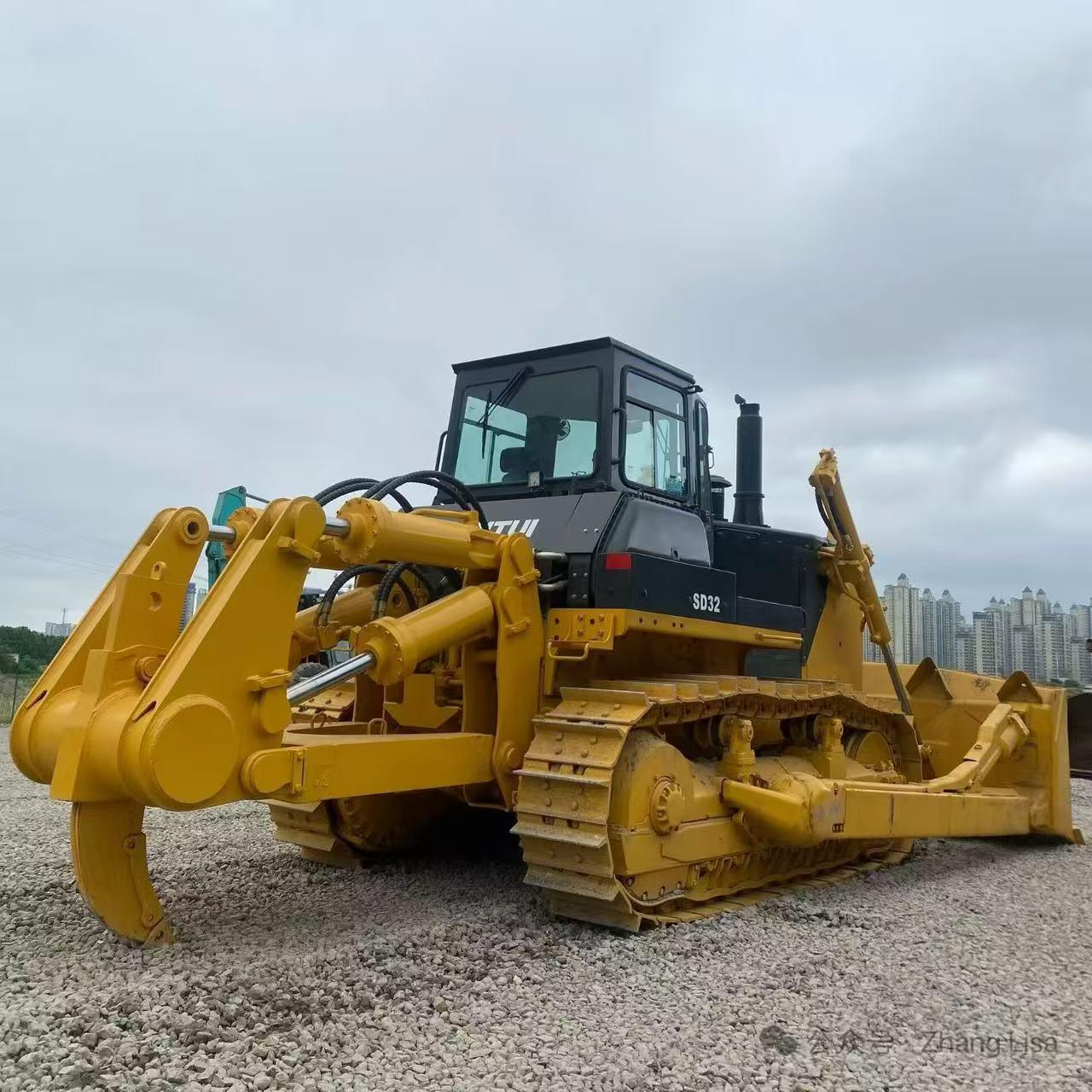
1-2 Unit$58,000
>=3 Units$57,500
(Price is FOB . Contact WhatsApp for CIF price & shipping cost.)

1-2 Unit$25,800
>=3 Units$24,500
(Price is FOB . Contact WhatsApp for CIF price & shipping cost.)

1-2 Unit$25,900
>=3 Units$24,800
(Price is FOB . Contact WhatsApp for CIF price & shipping cost.)

1-2 Unit$35,900
>=3 Units$34,800
(Price is FOB . Contact WhatsApp for CIF price & shipping cost.)
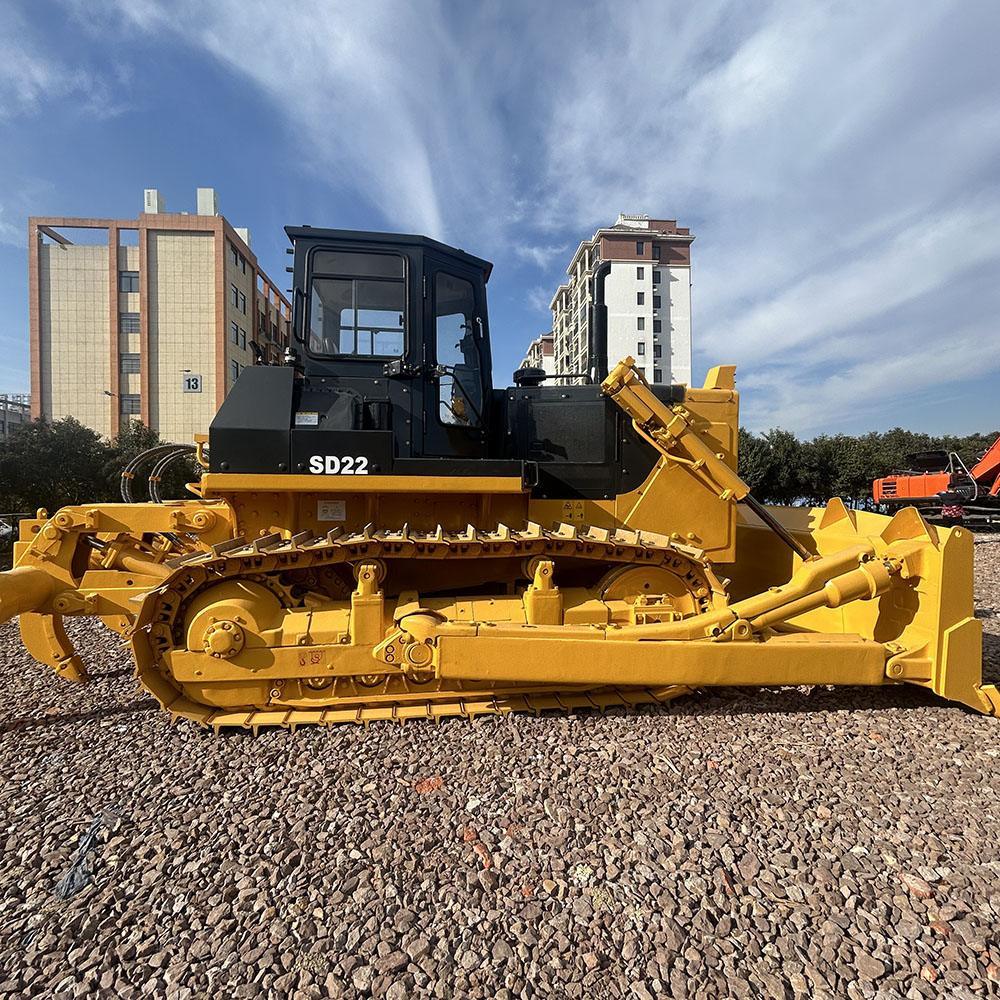
1-2 Unit$39,800
>=3 Units$38,800
(Price is FOB . Contact WhatsApp for CIF price & shipping cost.)