

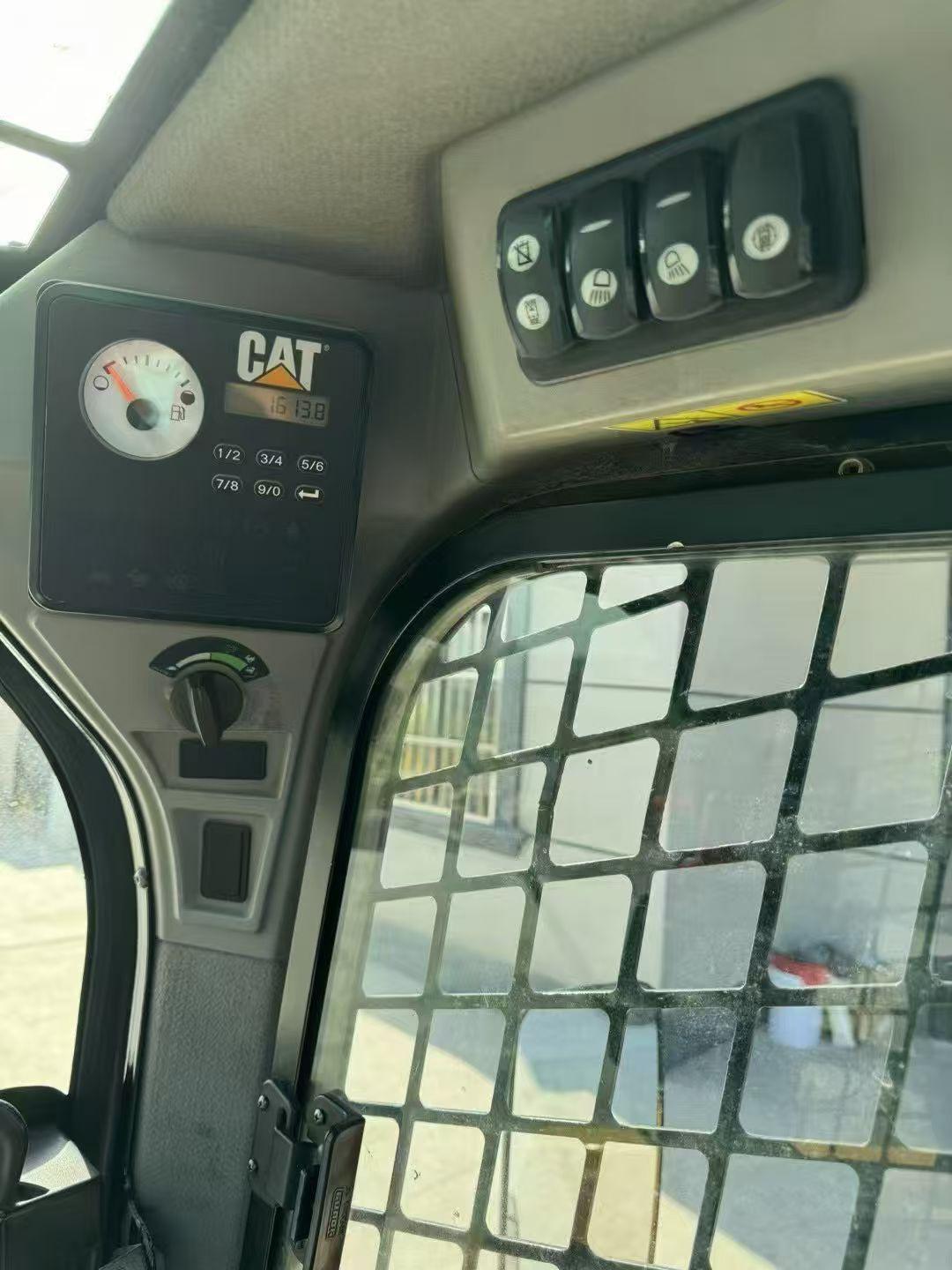
Used CAT 246D3 Skid Steer Loader For Sale, Low Hours, Good Condition
1-2 Unit$22,900
>=3 Units$21,800
(Price is FOB . Contact WhatsApp for CIF price & shipping cost.)
CAT 246D3 Skid Steer Loader – Brief Description
The Cat® 246D3 is a radial-lift skid steer loader engineered for contractors who need a versatile, powerful, and comfortable machine for landscaping, construction, agriculture, and general material handling. Powered by the Cat C3.3B DIT turbo diesel engine delivering 55.4 kW (74.3 hp) of gross power, this machine combines impressive mid-lift reach, excellent digging performance, and outstanding drawbar power to handle a wide range of attachments and job site demands.
Key Specifications:
-
Rated Operating Capacity: 1,000 kg (2,200 lb)
-
Operating Weight: 3,392 kg (7,478 lb)
-
Engine: Cat C3.3B DIT (turbo), 3.3 L displacement
-
Peak Torque: 265 N·m (195 ft·lbf) @ 1,600 rpm
-
Emissions: Meets U.S. EPA Tier 4 Final and EU Stage V standards
Key Features & Advantages:
-
15% more cab space – Redesigned cab with a wider door opening for easier entry and exit
-
Industry-leading sealed and pressurized cab – Provides a cleaner, quieter operating environment with excellent work tool visibility
-
Standard seat-mounted adjustable joystick controls – Delivers superior operator comfort and reduces fatigue
-
Electronic Torque Management System & standard two-speed travel – Maximizes performance and production capability
-
Cat® Intelligent Leveling system – Offers industry-leading technology with dual-direction self-leveling, work tool return-to-dig, and work tool positioner
-
Advanced Display – On-screen adjustments for implement response, hydrostatic response, and creep control; multi-language functionality, customizable layouts, security system, and rearview camera
-
Standard Speed Sensitive Ride Control – Improves operation on rough terrain, enabling better load retention, increased productivity, and greater operator comfort
-
Attachment recognition & smart technology – Industry-first integration that automates complex attachments and tailors controls
The 246D3 is built for contractors who demand versatility, comfort, and productivity in a compact, reliable package. Whether you’re moving materials, grading, or handling attachments, this machine delivers the performance and durability you expect from Caterpillar.
| Brand | CAT |
|---|---|
| Country of Origin | Japan |
| Year | 2025 |
| Model Number | 246D3 |
| Working Hours | 800H |
Categories: Loader
Tags: Cat 246D3, Construction Machinery, front end loader, radial lift loader, Skid Steer Loader, used skid steer loader, wheel loader
Product Categories
Product Specifications
|
item
|
value
|
|
Type
|
Skid Steer Loader
|
|
Engine Brand
|
CAT
|
|
Power(W)
|
55 kw
|
|
Place of Origin
|
Korea
|
|
Warranty
|
1 Year
|
|
Machine Weight
|
1095kg
|
|
Hydraulic Pump Brand
|
CAT
|
|
Brand Name
|
CAT
|
|
Bucket capacity
|
0.45 m³
|
|
Color
|
Yellow
|
|
Power Type
|
Diesel
|
|
Moving Type
|
Wheel Loader
|
|
Dimension(Long * Breadth * High)
|
3708mm*1676mm*2110mm
|
|
Make
|
CAT
|
|
Hydraulic Cylinder Brand
|
CAT
|
|
Hydraulic Valve Brand
|
CAT
|
|
UNIQUE SELLING POINT
|
High operating efficiency
|
|
Machinery Test Report
|
Provided
|
|
Video outgoing-inspection
|
Provided
|
|
Core Components
|
Engine, Motor, Bearing
|
|
Product name
|
Wheel Skid Steer Loader
|
|
Keyword
|
Wheelloader
|
|
Drive type
|
4 Wheel Drive
|
|
Model
|
CAT 246D3
|
|
Engine
|
CAT
|
|
Key words
|
Wheel Loader China
|
Product Pictures



Expert Inspection Report
The Cat 246D3 is a radial-lift skid steer that excels at digging, grading, and material handling. For a used machine, it remains one of the most reliable mid-frame loaders on the market.
✅ Strengths
-
Engine: Cat C3.3B turbo (74.3 hp) – Tier 4 Final, durable and fuel-efficient.
-
ROC: 2,200 lb (with counterweight up to 2,410 lb) – real-world lifting capacity.
-
High Flow XPS option (32 gpm) – runs augers, planers, and snow blowers easily.
-
Operator comfort: Suspension seat, optional A/C, excellent visibility.
-
Two-speed hydrostatic – up to 11.1 mph for fast job site moves.
⚠️ Weaknesses (Used Buying Tips)
-
Emissions system: Tier 4 requires proper maintenance; check for DPF regeneration issues.
-
Radial lift: Not ideal for high pallet stacking (choose vertical-lift if that’s your main task).
-
Chain case leaks: Inspect both sides for oil leaks or metal debris.
🛠️ What to Check Before Buying Used
-
Service records – regular oil, fuel filters, and DPF cleaning.
-
Hydraulic hoses – look for cracking or weeping.
-
Bucket pins & bushings – excessive play means worn linkage.
-
Engine idle hours vs. active regen cycles – low hours but many regens = potential issue.
💬 Verdict
“A used Cat 246D3 is an excellent choice if you need a strong digging skid steer for construction, ag, or landscaping. Avoid machines with unknown maintenance history. Pay a bit more for low-hour units with high-flow – it’s worth it.”
Company Description
Taihongmachinery (TH Engineering Equipment Limited) is a premier global supplier specializing in the export of high-quality, pre-owned heavy construction equipment.
Our company sells Caterpillar,Komatsu,Sany,Doosan,Hyundai,Hitachi,Volvo,Kubota used excavators, used bulldozers, used loaders, used graders, used cranes, used rollers, etc. With a strategic focus on the international trade of used excavators, we have established ourselves as a cornerstone of reliability for clients across Southeast Asia, South Asia, the Middle East, Africa, and South America.
Shipping & Delivery Policy
At Taihong Machinery, we provide flexible global logistics solutions for all our used heavy machinery.
Shipping Method: We recommend working with professional international freight forwarders specializing in heavy equipment (RORO or Flat Rack container shipping).
Flexibility: We are happy to work with your preferred freight forwarder. If you do not have one, we can leverage our network of reliable, certified global logistics partners to provide competitive shipping quotes to your nearest port.
Preparation: All machines undergo professional cleaning and safety inspections prior to loading to ensure they meet international shipping regulations.
Documentation: We provide all necessary export documentation, including Bills of Lading, Packing Lists, and Commercial Invoices, to ensure smooth customs clearance at the destination.
Return & Refund Policy
We provide a detailed pre-shipment inspection report and live video call to confirm machine condition. Returns are generally not accepted, but if the machine does not match the inspection report, we will negotiate a resolution.
Inspection: We encourage all buyers to conduct a thorough inspection of the machine, either in person at our yard in China or via live video consultation with our technicians.
Pre-shipment Verification: Before the machine leaves our yard, we provide a full functional test report and live video proof of the engine, hydraulic, and structural condition. Once the buyer confirms the machine status and the machine is loaded for export, we do not accept returns.
Warranty: All equipment is sold in “as-is” condition. We are committed to transparency and will disclose all known technical details prior to purchase.
Support: Should any issues arise during the shipping process, we will provide full support in communicating with your insurance provider and the shipping line.
Success Cases


A:
Rated Operating Capacity (ROC) is the single most important specification for selecting a skid steer loader. ROC is defined as 50% of the machine’s tipping load (for wheeled skid steers) – meaning a loader with a tipping load of 3,400 lb has an ROC of 1,700 lb. This is the maximum weight the machine can safely lift and carry under normal operating conditions.
Industry standard size classes based on ROC:
| Size Class | ROC Range | Typical Horsepower | Common Applications |
|---|---|---|---|
| Small frame | < 1,750 lb | 50–70 HP | Landscaping, snow removal, utility work |
| Medium frame | 1,750 – 2,200 lb | 70–90 HP | General construction, grading, material handling |
| Large frame | 2,200 – 3,000+ lb | 90–110+ HP | Heavy excavation, demolition, forestry, pallet stacking |
Data insight:
A machine with ROC of 2,200 lb can safely handle a full pallet of concrete blocks (approx. 2,000–2,100 lb) or a cubic yard of wet sand (~2,400 lb – slightly over, so need a larger model). Always choose a ROC that is at least 10–15% above your heaviest typical load to maintain stability and tire life.
A:
The difference lies in the loader arm linkage design, which affects lift height, reach at full height, and digging performance.
| Feature | Radial‑Lift | Vertical‑Lift |
|---|---|---|
| Lift path arc | Curved (like a radius) | Straight up and down |
| Max reach at mid‑height | Excellent – best for digging and grading | Limited |
| Max reach at full height | Less – not ideal for high stacking | Excellent – great for truck loading |
| Breakout force (digging) | Higher (typically +10–15%) | Lower |
| Typical ROC range | 1,500 – 2,400 lb | 2,000 – 3,500+ lb |
Data‑driven advice:
-
Choose radial‑lift if your main tasks are excavation, trenching, grading, or backhoe work. Radial machines provide superior drawbar pull and bucket penetration. For example, the Cat 246D3 (radial) has a tilt breakout force of 7,355 lb – ideal for hard dirt or gravel.
-
Choose vertical‑lift if you frequently load trucks, stack pallets, or dump into high containers. Vertical models can reach over 10‑12 ft dump heights, while radial units typically max out at 8‑9 ft.
Real‑world example: A construction crew doing foundation excavation (radial) vs. a recycling yard loading flatbed trucks (vertical) will need different machines.
A:
Standard skid steer hydraulic flow is typically 18–25 gallons per minute (gpm) at 3,000–3,500 psi. High‑flow systems deliver 30–45 gpm at 4,000–5,000 psi, providing up to double the hydraulic horsepower. This directly impacts attachment performance.
| Attachment | Standard Flow (20 gpm) | High Flow (40 gpm) | Performance Gain |
|---|---|---|---|
| Auger (12‑inch in clay) | 15–20 holes/hour | 35–45 holes/hour | +100–125% |
| Brush cutter (60‑inch) | 1‑inch diameter max | 3‑inch diameter max | Much heavier cutting capacity |
| Cold planer / asphalt grinder | 2‑4 inches deep | 6‑8 inches deep | 2x depth |
| Snow blower | Light snow only | Wet/heavy snow + long throw | Effective in all conditions |
Data to remember:
Hydraulic power (HP) = (Flow × Pressure) ÷ 1714.
Standard: (20 gpm × 3,000 psi) / 1714 ≈ 35 HP
High‑flow: (40 gpm × 4,000 psi) / 1714 ≈ 93 HP – nearly 3× more power.
Recommendation: If you plan to use attachments like mulchers, planers, trenchers, or large augers, invest in a high‑flow machine. Otherwise, standard flow is sufficient for buckets, pallet forks, and small sweepers.
A:
Skid steers operate in harsh environments, so proactive maintenance dramatically extends life. Based on Caterpillar and Bobcat service data, here are key components and their typical replacement intervals (under normal conditions):
| Component | Inspection Interval | Replacement / Service Interval | Data‑backed tip |
|---|---|---|---|
| Drive belt (serpentine) | Every 250 hours | 1,000–1,500 hours | A worn belt reduces alternator output and cooling fan speed; early failure at 800h is common in dusty jobs. |
| Tires – lug / solid | Daily | 800–1,200 hours (lug) / 2,000+ h (solid) | Solid tires cost 3× more but eliminate flats – ideal for demolition or scrap yards. |
| Hydraulic oil & filter | Every 500 hours | 1,000 hours or annually | Use OEM filters; aftermarket can cause pressure drops and pump cavitation. |
| Chain case oil | Every 500 hours | 1,000 hours | Metal flakes in oil indicate worn chains or sprockets – immediate inspection needed. |
| Bucket pins & bushings | Every 250 hours | 1,500–2,500 hours | Grease every 10 hours; worn pins cause sloppy attachment fit and accelerate coupler wear. |
| Axle bearings / seals | Every 1,000 hours | 2,000–3,000 hours | Leaking seals let dirt into chain case – leading to $2,000–$5,000 repair. |
Pro data point: According to equipment auction data, skid steers with documented service records sell for 15–20% more than those without, and they typically last 8,000–12,000 hours vs. 5,000–6,000 hours for neglected units.
A:
Buying a used skid steer can save 30–60% off new price, but hidden issues can cost $5,000–$15,000 in repairs. Use this professional inspection checklist:
1. Engine (cold start)
-
Pass: Starts within 3 seconds, no excessive white/black smoke, idles smooth.
-
Fail: Hard start, blue smoke (oil burning), knocking noises.
-
Data: Look for diesel particulate filter (DPF) regeneration frequency – if regen occurs every 2–3 hours instead of 10–15 hours, there’s a fuel or injector issue.
2. Hydraulics
-
Lift boom to full height, hold for 5 minutes. Pass: Drop less than 1 inch. Fail: Drop > 2 inches (worn cylinder seals).
-
Cycle tilt and auxiliary hydraulics – listen for whining (cavitation) or jerky movement.
3. Chain case
-
Drain a small amount of oil (should be clean, not milky). Pass: Clear or dark but no metal. Fail: Metal shavings (chains/sprockets failing) or water (seal leak).
4. Tires and undercarriage
-
Pass: Lug depth > 60% remaining, no sidewall cuts. Fail: Uneven wear indicates alignment or bearing issues.
-
Solid tires: check for chunks missing – more than 1/4” depth of rubber loss means replacement soon.
5. Operator controls & cab
-
Test pilot controls or joysticks for dead zones. Pass: Smooth, proportional movement. Fail: Sticking or delayed response (electronic or linkage wear).
6. Hour meter vs. physical wear
-
Cross‑check: A 2,000‑hour machine with severely worn pedal pads, torn seat, and repainted bucket likely has 5,000+ actual hours.
-
Typical resale value: 1,000–2,500 hours = 80% of new price; 2,500–4,500 hours = 50–65%; 4,500+ hours = 30–45% (but higher risk).
Final tip: Always run the machine through a full cycle – lift, tilt, drive forward/back, turn sharp. Any unusual vibrations, grinding, or hydraulic lag is a red flag.
You may also like
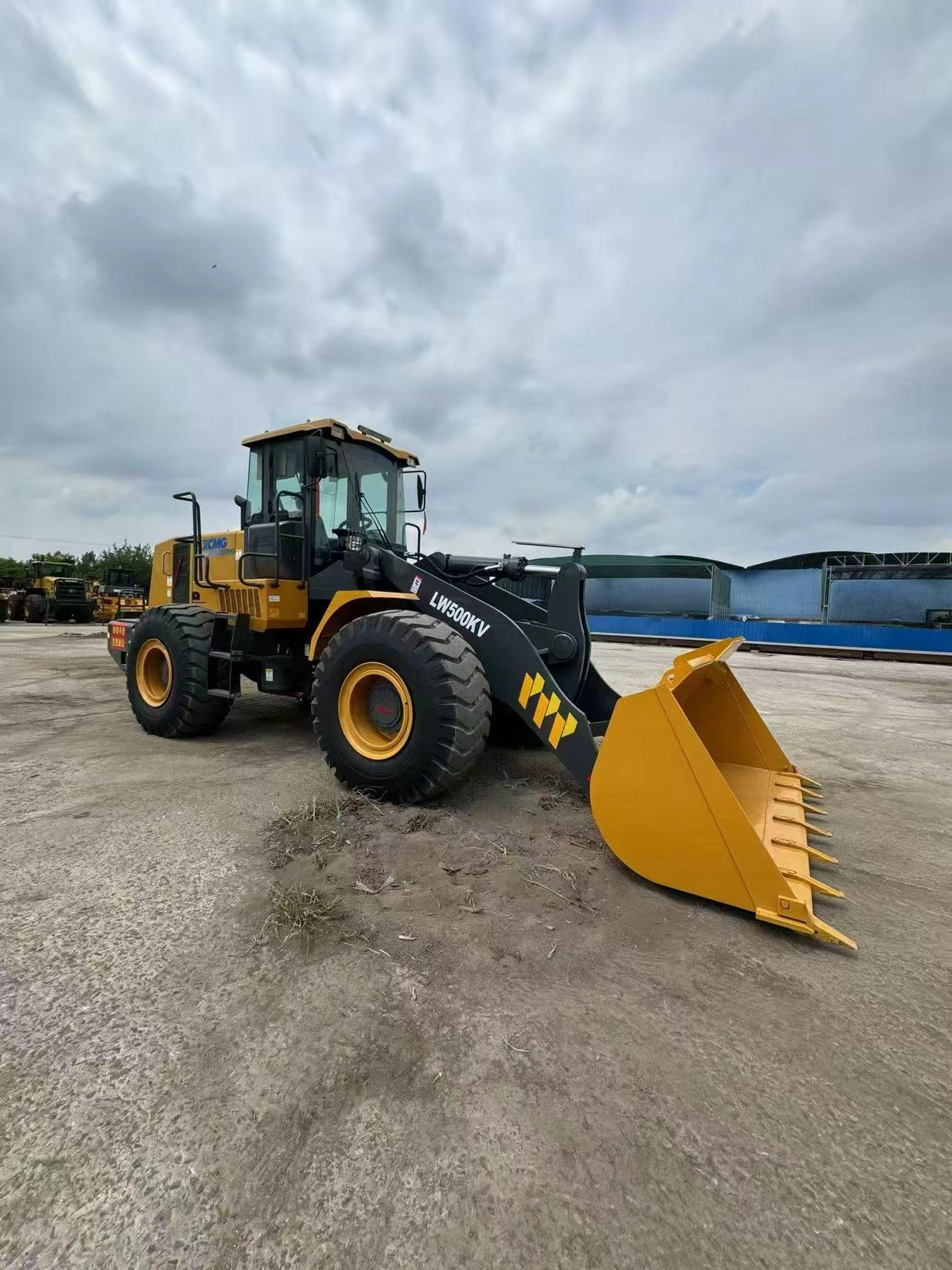
1-2 Unit$21,900
>=3 Units$20,900
(Price is FOB . Contact WhatsApp for CIF price & shipping cost.)

1-2 Unit$19,888
>=3 Units$18,888
(Price is FOB . Contact WhatsApp for CIF price & shipping cost.)

1-2 Unit$35,000
>=3 Units$34,500
(Price is FOB . Contact WhatsApp for CIF price & shipping cost.)

1-2 Unit$110,000
>=3 Units$108,000
(Price is FOB . Contact WhatsApp for CIF price & shipping cost.)
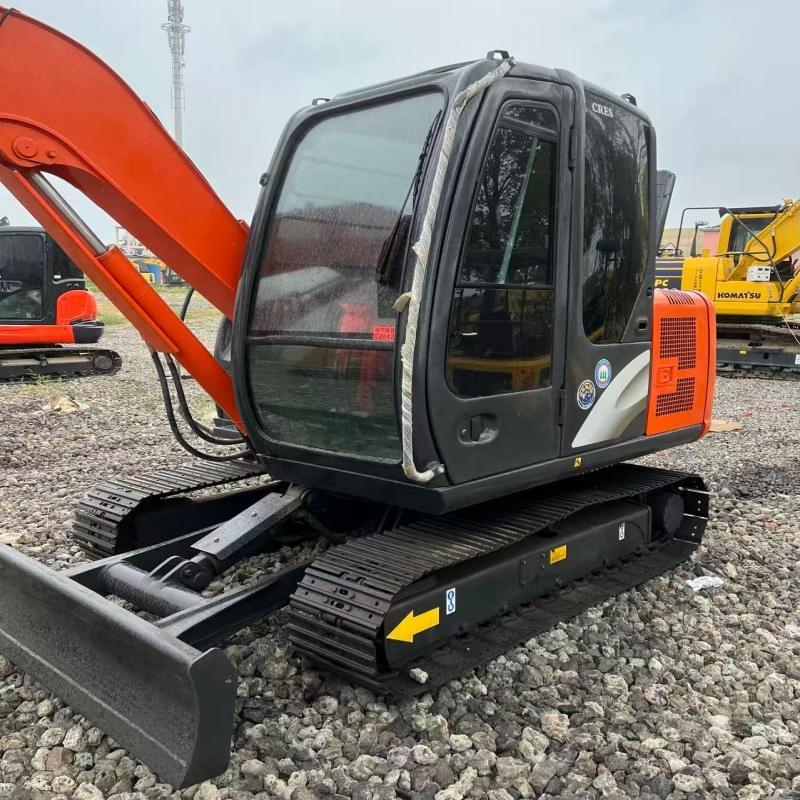
1-2 Unit$9,800
>=3 Units$9,300
(Price is FOB . Contact WhatsApp for CIF price & shipping cost.)

1-2 Unit$33,800
>=3 Units$32,880
(Price is FOB . Contact WhatsApp for CIF price & shipping cost.)
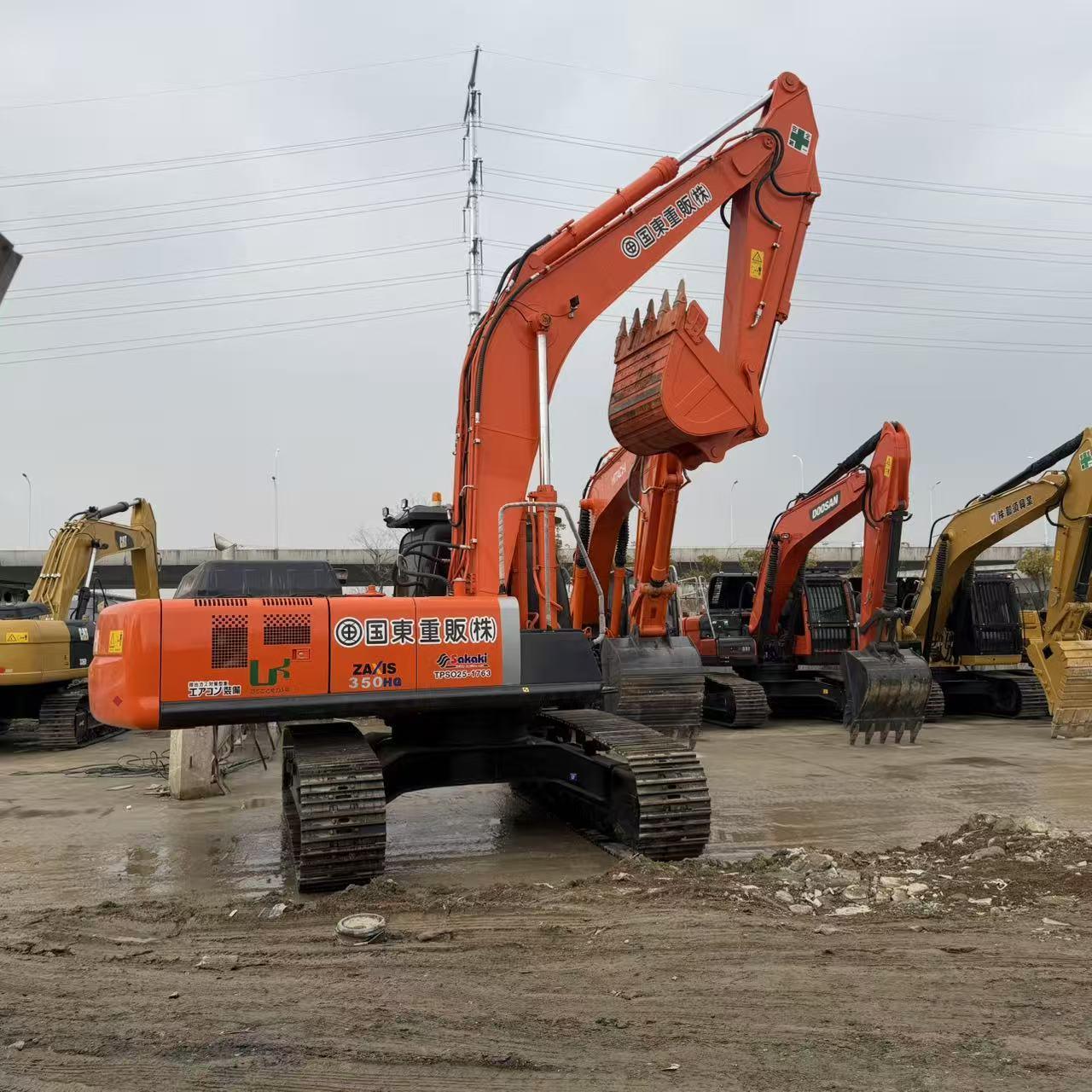
1-2 Unit$39,800
>=3 Units$38,600
(Price is FOB . Contact WhatsApp for CIF price & shipping cost.)

1-2 Unit$25,800
>=3 Units$24,600
(Price is FOB . Contact WhatsApp for CIF price & shipping cost.)