

您在这里:
- Home
- PRODUCT
- Excavator
- Caterpillar
- 2022 CAT 323D2L Used Excavator 23 Ton Crawler for …
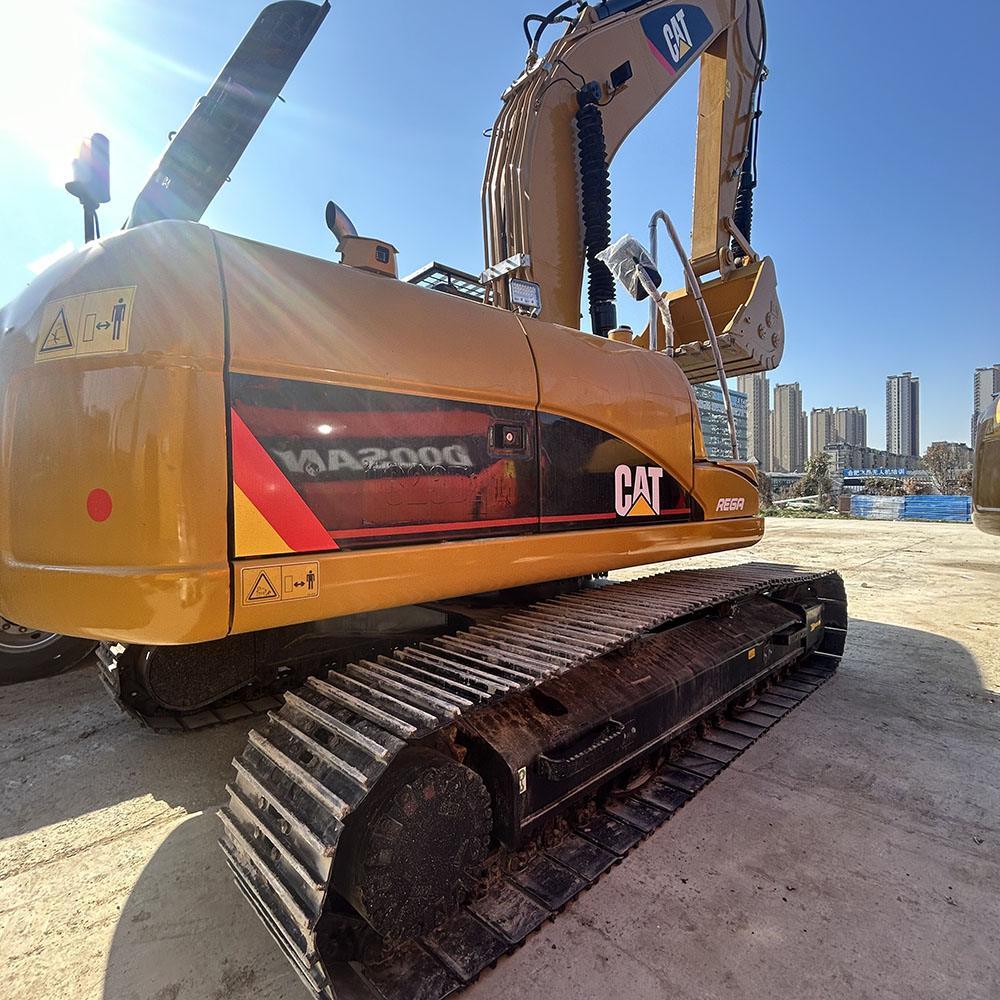
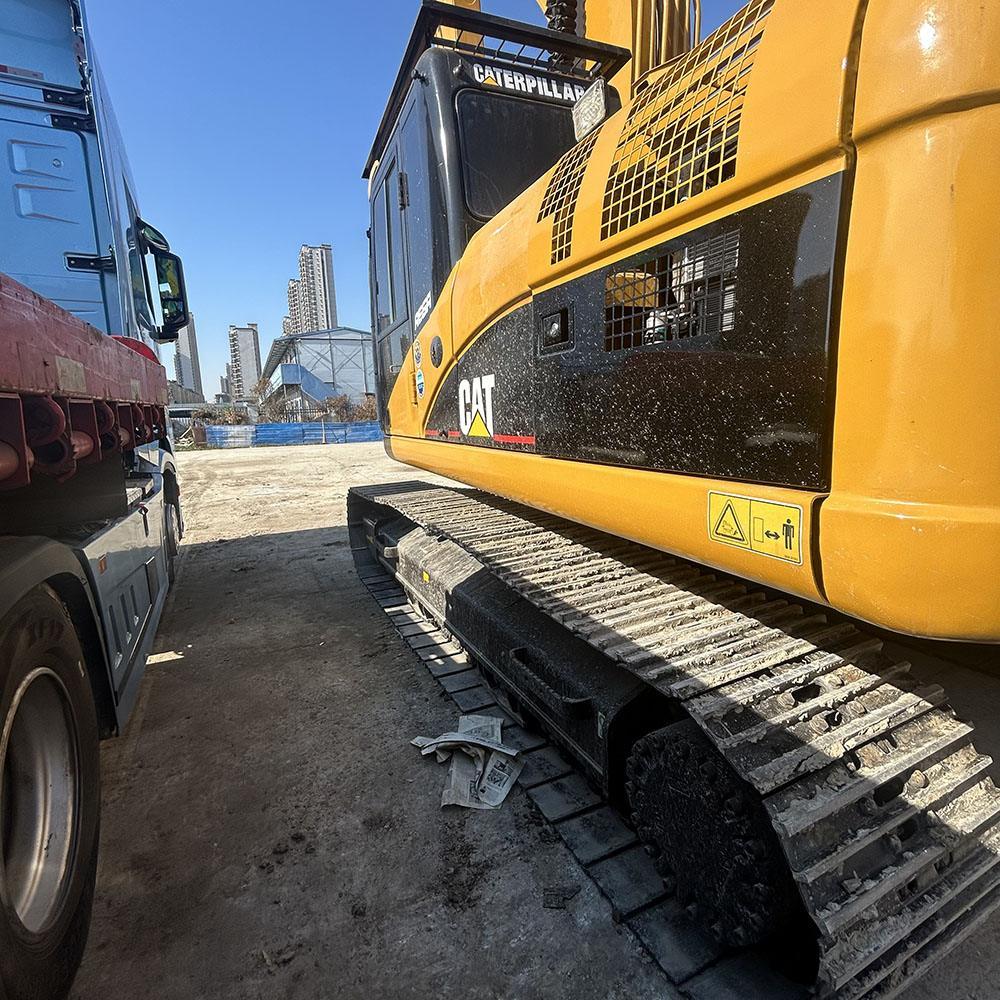
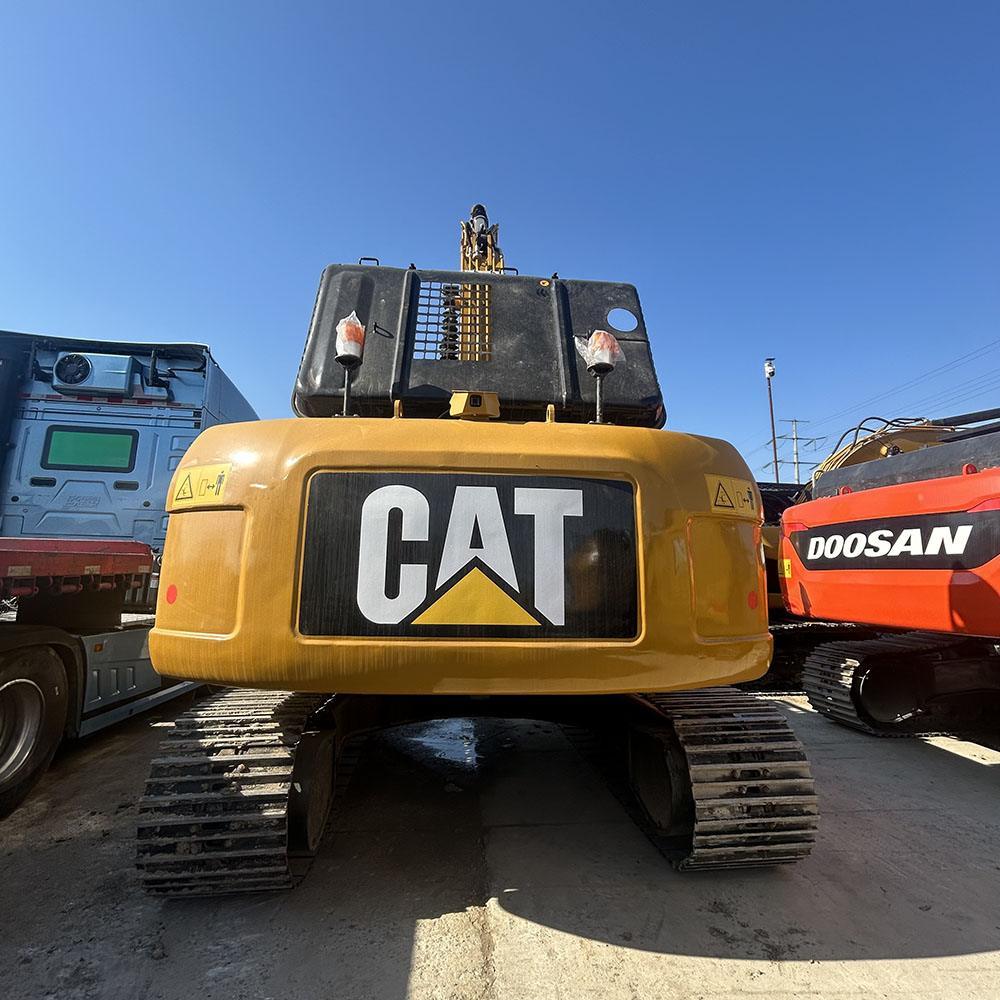
2022 CAT 323D2L Used Excavator 23 Ton Crawler for Sale
1-2 Unit$26,200
>=3 Units$24,888
(Price is FOB . Contact WhatsApp for CIF price & shipping cost.)
The Cat® 323D2L is a 23-ton class hydraulic excavator that delivers the perfect balance of power, stability, and reliability for demanding earthmoving, quarry, and deep excavation applications.
Powered by the Cat® C7.1 ACERT™ engine producing 116–118 kW (156–158 hp) , the 323D2L combines proven performance with excellent fuel efficiency. The Long Undercarriage (L) design provides superior stability and lower ground pressure—ideal for soft terrain, slope work, and heavy lifting operations.
Key Specifications:
-
Operating Weight: 22,800 – 23,300 kg (50,265 – 51,370 lb)
-
Engine: Cat C7.1 ACERT™, 7.01L, 116–118 kW (156–158 hp)
-
Max Digging Depth: 6,710 mm (22.0 ft)
-
Max Reach at Ground Level: 10,160 mm (33.3 ft)
-
Bucket Capacity: 1.0 – 1.3 m³
-
Hydraulic Flow: 404–428 L/min
-
Fuel Tank: 410 L (108 gal)
Key Advantages:
-
No DPF/DEF required – Tier 3 emissions compliance means simpler, lower-cost ownership
-
Long undercarriage – enhanced stability and reduced ground pressure on soft terrain
-
Durable structure – reinforced X-shaped carbody, grease-lubricated tracks
-
Proven C7.1 ACERT engine – millions of field hours across global applications
-
Strong resale value – considered “hard currency” in the used market
-
Global dealer support – parts and service available worldwide
The 323D2L fills the critical gap between 20-ton and 25-ton classes—offering more power and reach than a 320D2 while remaining more maneuverable and transportable than a 325D2L. It is the ideal choice for contractors who need a machine that is “just big enough, just powerful enough, and just reliable enough” —particularly well-suited for deep excavation, municipal pipeline work, and foundation projects.
Specifications may vary by configuration. Please verify exact specifications with your dealer for the specific unit in stock.
| Brand | CAT, Caterpillar |
|---|---|
| Year | 2022 |
| Country of Origin | Japan |
| Model Number | 323D2L |
| Working Hours | 600H |
Categories: Caterpillar, Excavator
Tags: CAT 323D2L, Caterpillar 323D2L, caterpillar excavator, Construction Machinery, crawler excavator, Hydrulic Crawler Excavator, used digger, used excavator
Product Categories
Product Specifications
| Category | Parameter | Value (Metric / Imperial) |
|---|---|---|
| Model | Model | CAT 323D2 L (Series 2) |
| Product Type | Crawler Hydraulic Excavator | |
| Engine Model | Cat® C7.1 ACERT™ | |
| Engine | Engine Type | Diesel, 6-cylinder turbocharged |
| Displacement | 7.01 L (428 in³) | |
| Bore × Stroke | 105 mm × 135 mm (4.13 in × 5.31 in) | |
| Net Flywheel Power – SAE J1349/ISO 9249 | 110 kW (149 hp) | |
| Engine Power – ISO 14396 | 117 kW (158 hp) | |
| Rated Speed | 2,200 rpm | |
| Emission Standard | Equivalent to U.S. EPA Tier 3 / EU Stage IIIA | |
| High Altitude Capability | Up to 5,000 m (16,405 ft) | |
| Weights | Maximum Operating Weight* | 23,300 kg (51,147 lb) |
| Minimum Operating Weight | 22,200 kg (48,900 lb) | |
| Operating Weight (Common) | 23,300 kg (51,300 lb) | |
| *Note | Dependent on application; 5.7m boom + R2.9 stick + 600mm TG shoes | |
| Service Refill Capacities | Fuel Tank | 410 L (108 gal US) |
| Cooling System | 25 L (6.6 gal US) | |
| Engine Oil | 18 L (4.8 gal US) | |
| Swing Drive | 8 L (2.1 gal US) | |
| Final Drive (each) | 10 L (2.6 gal US) | |
| Hydraulic System (including tank) | 260 L (68.7 gal US) | |
| Hydraulic Tank | 120 L (31.7 gal US) | |
| Hydraulic System | Pump Type | Variable displacement piston pump |
| Max Flow – Operation | 202×2 L/min (53.4×2 gal/min) | |
| Max Flow – Travel | 214×2 L/min (56.5×2 gal/min) | |
| Max Pressure – Equipment | 35,000 kPa (5,076 psi) | |
| Max Pressure – Travel | 35,000 kPa (5,076 psi) | |
| Max Pressure – Swing | 25,000 kPa (3,626 psi) | |
| Pilot System – Max Flow | 23.1 L/min (6.1 gal/min) | |
| Pilot System – Max Pressure | 3,920 kPa (569 psi) | |
| Digging Forces | Bucket Digging Force (ISO) | 140 kN (≈14.3 t) |
| Stick Digging Force (ISO) | 107 kN (≈10.9 t) | |
| Swing System | Swing Speed | 10.5 rpm |
| Swing Torque | 61.8 kN·m (45,581 lb·ft) | |
| Drive & Travel | Max Travel Speed | 5.6 km/h (3.5 mph) |
| Drawbar Pull | 205 kN (46,086 lbf) | |
| Gradeability | 35° (70%) | |
| Operating Ranges | Max Digging Depth | 6,720 mm (22.0 ft) |
| Max Reach at Ground Level | 9,860 mm (32.3 ft) | |
| Max Digging Height | 9,490 mm (31.1 ft) | |
| Max Dumping Height | 6,490 mm (21.3 ft) | |
| Max Vertical Wall Digging Depth | 5,690 mm (18.7 ft) | |
| Dimensions | Transport Length | 9,460 mm (31.0 ft) |
| Transport Width | 2,980 mm (9.8 ft) | |
| Transport Height | 3,030 mm (9.9 ft) | |
| Tail Swing Radius | 2,750 mm (9.0 ft) | |
| Track Gauge | 2,380 mm (7.8 ft) | |
| Track Shoe Width (Standard) | 600 mm (24.0 in) | |
| Min. Ground Clearance | 450 mm (17.7 in) | |
| Boom & Stick | Boom Length | 5,700 mm (18.7 ft) |
| Stick Length | 2,900 mm (9.5 ft) | |
| Bucket | Bucket Capacity | 1.19 m³ (1.6 yd³) |
| Max Bucket Capacity | 1.34 m³ (1.8 yd³) | |
| Operator Environment | Cab Type | ROPS certified, pressurized |
| In-Cab Sound Level (ISO 6396) | 69 dB(A) | |
| Spectator Sound Level (ISO 6395) | 103 dB(A) | |
| Monitor | Full-color LCD, 40% larger screen | |
| Other | Efficient Hydraulic System | Hydraulic cross-sensing system allows either pump to utilize 100% engine power |
| Eco-Mode | Can save up to 15% fuel | |
| Ground-Level Maintenance | Most service points accessible from ground level |
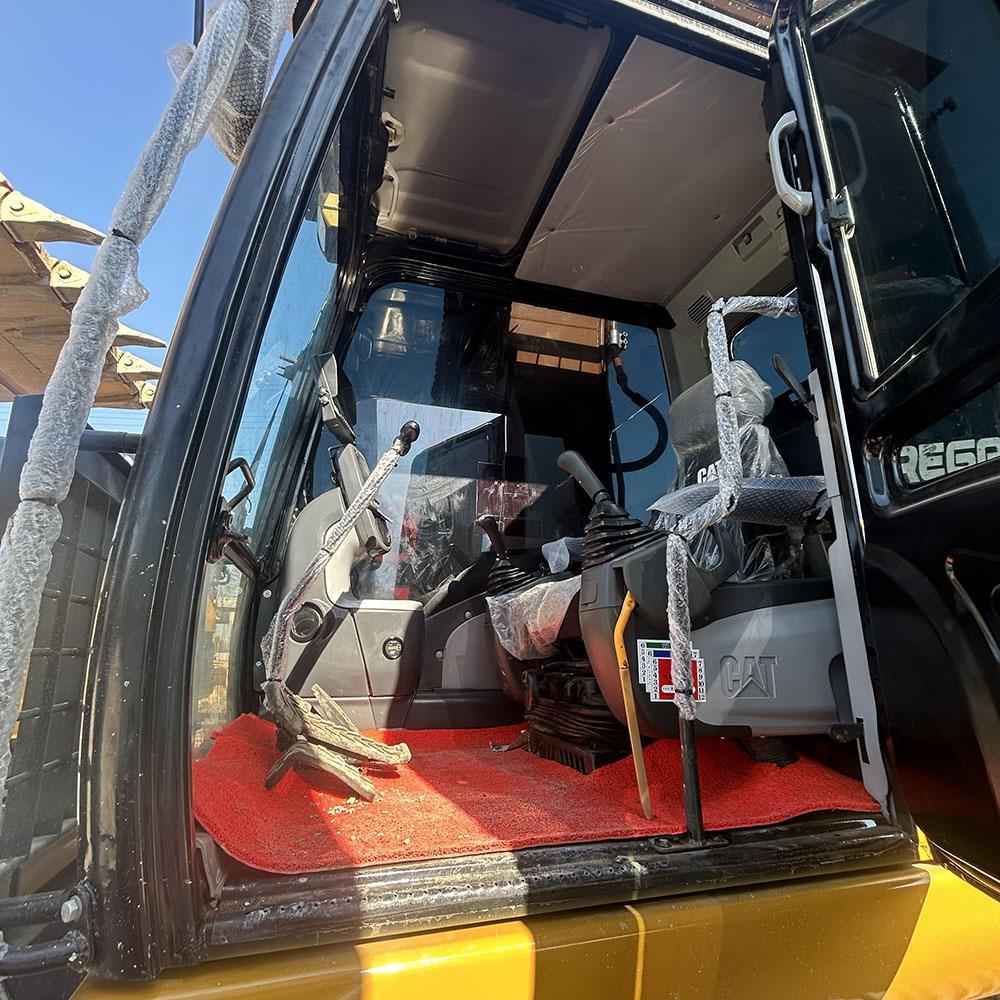
Product Pictures
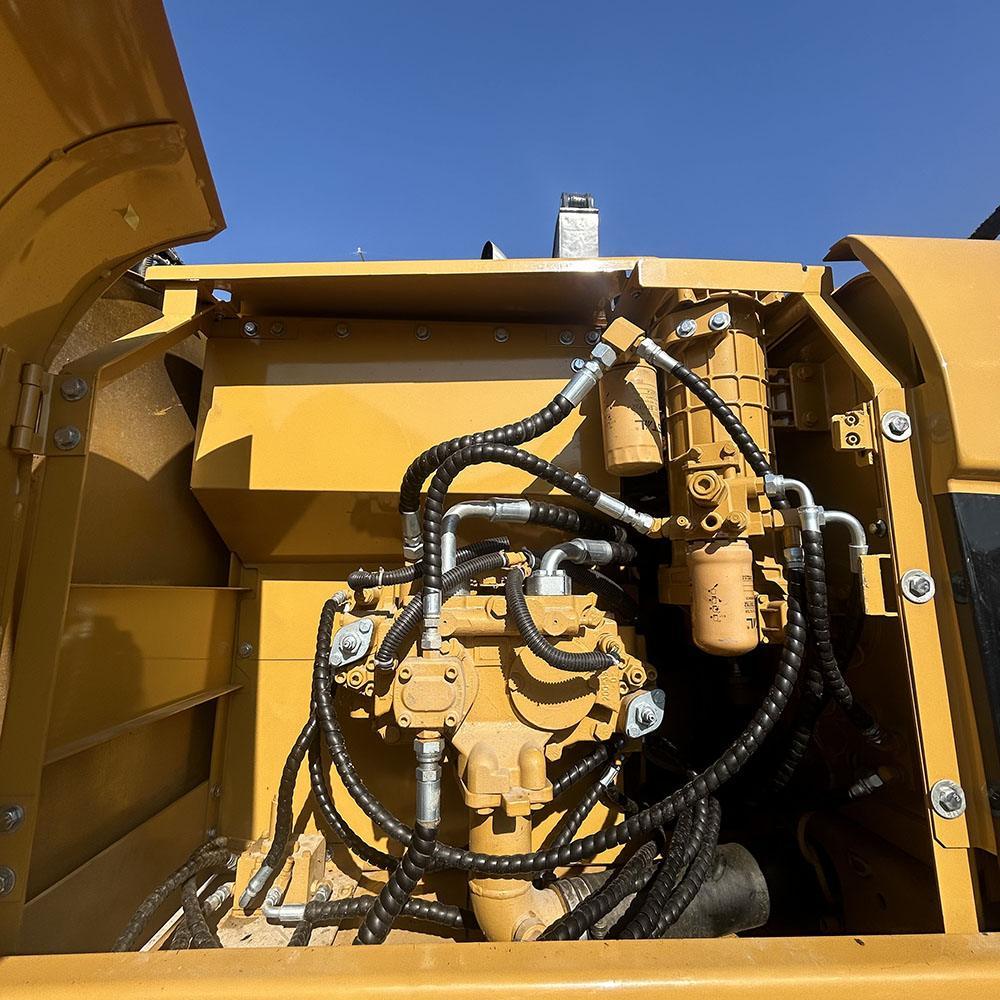
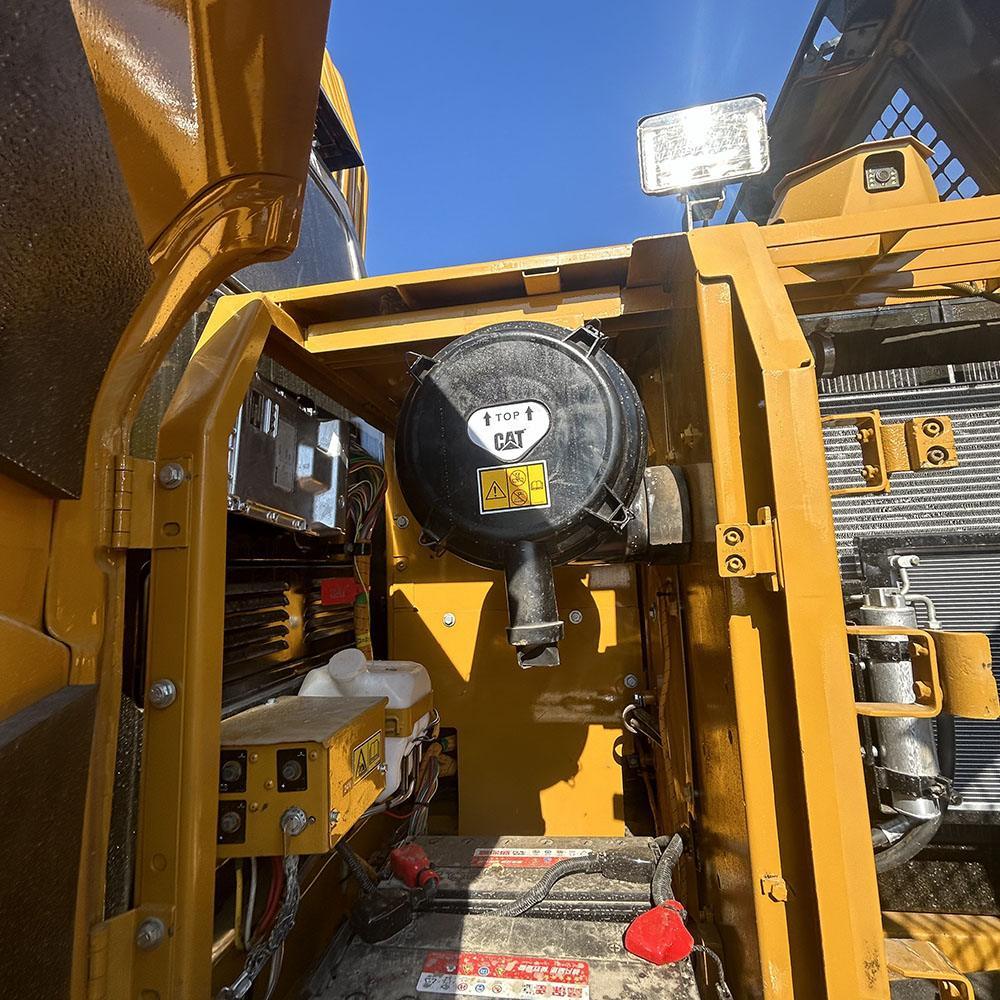
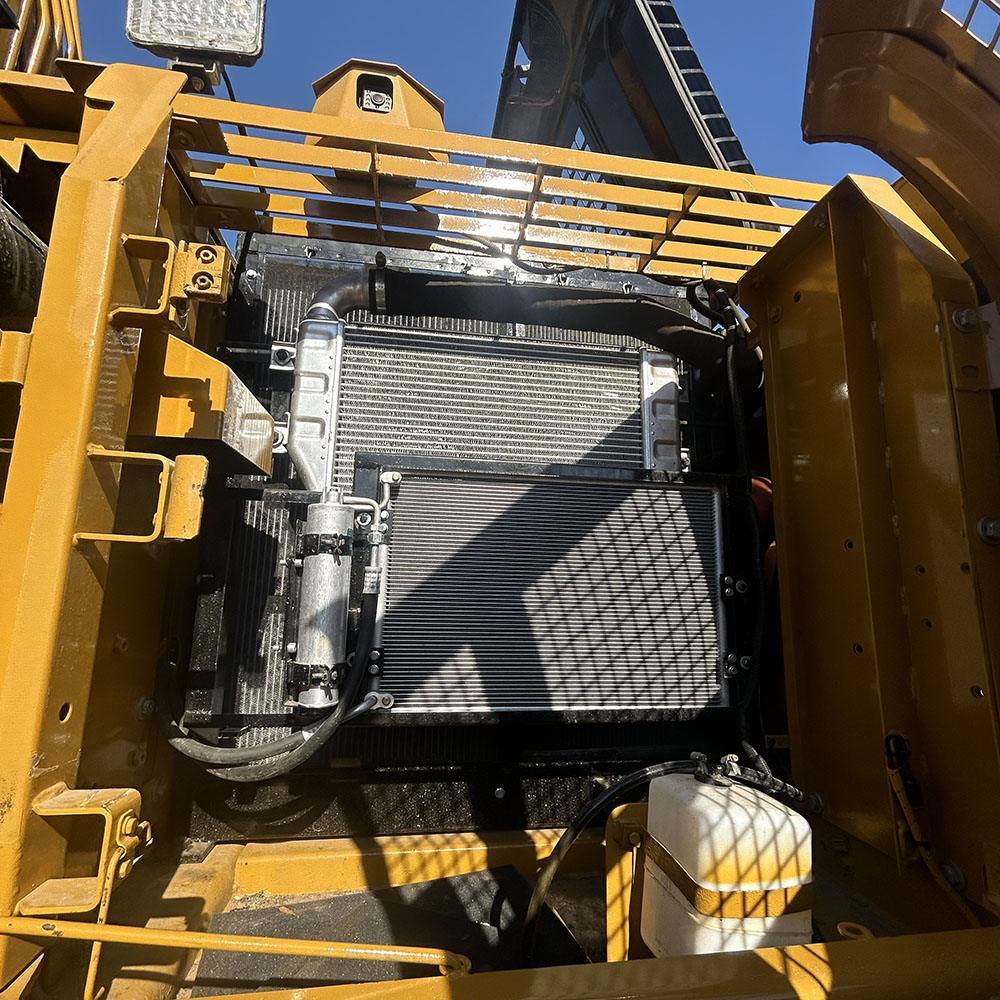
Expert Inspection Report
Overview: The 23-Ton “Goldilocks” Excavator
The Cat® 323D2L occupies a uniquely strategic position in Caterpillar’s mid-size excavator lineup. Weighing in at approximately 22,800–23,300 kg (50,265–51,370 lb), it sits squarely between the 320D2 (21.7-ton class) and the 325D2L (26.7-ton class)—offering more power and reach than a 320 while remaining more maneuverable and transportable than a 325.
The “D2” designation marks the second-generation upgrade to the D-Series platform, bringing significant refinements in fuel economy, hydraulics, and operator comfort. The “L” stands for Long Undercarriage, delivering enhanced stability, lower ground pressure, and superior performance on soft terrain.
For contractors who need a machine that is “just big enough, just powerful enough, and just reliable enough” —the 323D2L has become a genuine industry benchmark.
Production Period: Approximately 2012–2018 (overlapping with the 323F in some markets). The 323D2L has since been succeeded by the Next Generation 323 and 323 GC models.
Core Specifications
| Parameter | Value |
|---|---|
| Engine Model | Cat® C7.1 ACERT™ |
| Displacement | 7.01 L (428 in³) |
| Bore × Stroke | 105 mm × 135 mm (4.13 in × 5.31 in) |
| Net Power (SAE J1349/ISO 9249) | 116 kW (156 hp) |
| Gross Power (ISO 14396) | 118 kW (158 hp) |
| Operating Weight | 22,800 – 23,300 kg (50,265 – 51,370 lb) |
| Standard Bucket Capacity | 1.19 m³ (HD) |
| Fuel Tank Capacity | 410 L (108 gal US) |
| Hydraulic System Capacity (incl. tank) | 260 L (68.7 gal US) |
| Engine Oil Capacity | 22 L (5.8 gal US) |
| Cooling System Capacity | 25 L (6.6 gal US) |
| Swing Drive Oil (each) | 8 L (2.1 gal US) |
| Final Drive Oil (each) | 10 L (2.6 gal US) |
| Swing Speed | 10.5 rpm |
| Swing Torque | 61.8 kN·m (45,581 lb/ft) |
| Maximum Travel Speed | 5.6 km/h (3.5 mph) |
| Maximum Drawbar Pull | 205 kN (46,086 lbf) |
| Main System Flow (Operation) | 202 × 2 L/min (53.4 × 2 gal/min) |
| Main System Flow (Travel) | 214 × 2 L/min (56.5 × 2 gal/min) |
| Maximum Pressure – Equipment | 35,000 kPa (5,076 psi) |
| Maximum Pressure – Swing | 25,000 kPa (3,626 psi) |
| Maximum Pressure – Travel | 35,000 kPa (5,076 psi) |
| Emissions Standard | China III / Tier 3 / Stage IIIA equivalent |
Note: Some sources list the 323D2L with an operating weight of 23,310 kg and a transport length of 9,460 mm. The 323D2L can also be equipped with a 790 mm (31 in) track shoe option for lower ground pressure in soft terrain.
Working Ranges
| Parameter | Value |
|---|---|
| Maximum Digging Depth | 6,710 mm (22.0 ft) |
| Maximum Reach at Ground Level | 10,160 mm (33.3 ft) |
| Maximum Digging Height | 9,420 mm (30.9 ft) |
| Maximum Dumping Height | 6,500 mm (21.3 ft) |
| Boom Length | 5,700 mm (18.7 ft) |
| Stick Length (Standard) | 2,900 mm (9.5 ft) |
| Tail Swing Radius | 2,750 mm (9.0 ft) |
| Transport Length | 9,460 mm (31.0 ft) |
| Transport Width | 2,980 mm (9.8 ft) |
| Transport Height | 3,030 mm (9.9 ft) |
| Track Shoe Width (Standard) | 600 mm (24 in) |
Boom and Stick Options: The standard configuration uses a 5.7 m boom with a 2.9 m stick. Optional stick lengths include 2.5 m (for greater digging force) and 3.4 m (for extended reach). Bucket capacities range from 1.0 m³ to 1.3 m³, with heavy-duty rock buckets available for demanding applications.
The C7.1 ACERT Engine: Power Without Complexity
The 323D2L is powered by the Cat C7.1 ACERT™ engine—a 7.01-liter, 6-cylinder turbocharged diesel that delivers 116–118 kW (156–158 hp) of power. This engine represents a thoughtful evolution from the earlier C6.6 powerplant, bringing significant advantages for used buyers:
Key Engine Advantages:
-
No DPF or DEF required: The C7.1 meets China III / Tier 3 / Stage IIIA emission standards without requiring a diesel particulate filter or DEF fluid. This eliminates two of the most common and expensive failure points on modern diesel equipment.
-
Low-quality fuel tolerance: The engine is specifically designed to be less sensitive to low-quality fuel—a critical advantage in regions where diesel quality is inconsistent.
-
Fuel-saving features: The engine includes automatic speed control that reduces RPM during no-load or light-load conditions. With Eco mode engaged, operators can achieve fuel savings of up to 15%.
-
Electronic control, mechanical injection: The C7.1 uses an electronically controlled, mechanically actuated unit injection (MEUI) system—combining the precision of electronic control with the durability and simplicity of mechanical injection.
-
Proven reliability: The C7.1 platform has accumulated millions of field hours across global applications, making it one of the most trusted engines in Caterpillar’s mid-size excavator lineup.
Hydraulic System: Fast, Precise, and Powerful
Caterpillar’s hydraulic systems are renowned for being “fast, powerful, and precise” —and the 323D2L is a perfect example.
Key Hydraulic Features:
-
Total flow of 404 L/min (202 × 2 L/min) during operation, increasing to 428 L/min (214 × 2 L/min) during travel—providing ample power for the most demanding digging and lifting tasks.
-
35,000 kPa (5,076 psi) equipment circuit pressure, delivering class-leading digging forces.
-
Independent swing pump: A dedicated swing pump ensures smooth, interference-free compound movements—allowing operators to swing and dig simultaneously without sacrificing performance.
-
Boom and stick regeneration circuits: Built-in regeneration valves speed up cylinder movement and reduce fuel consumption during boom-down and stick-in operations.
-
Precise pilot control: The pilot system delivers linear, responsive joystick feedback with excellent fine control.
-
Proven reliability: The hydraulic system is designed for extended service life, with high-quality seals and components that resist leakage even after thousands of hours of operation.
Operator Comfort and Cab Features
The D2 Series brought significant improvements in operator comfort compared to the original D-Series.
Key Cab Features:
-
Spacious, quiet, and comfortable operator station designed for long workdays.
-
40% larger screen: The new monitor has a 40% larger screen and four times the resolution of the previous D-Series display.
-
42 language capability: The monitor can display information in 42 languages—supporting today’s diverse global workforce.
-
Full-color LCD display: The monitor provides real-time data on fuel consumption, maintenance intervals, and diagnostic codes. It also projects images from the optional rearview camera.
-
ROPS/FOPS certified cab: The Roll Over Protective Structure meets OSHA and MSHA sound requirements.
-
Ergonomic controls: All control switches are conveniently located on the right-hand and left-hand consoles.
-
Excellent visibility: Thin pillars and unobstructed sightlines to the front, sides, and rear enhance safety and precision.
-
Suspension seat: Air-suspension seat with adjustable armrests and headrest for operator comfort.
-
Automatic climate control: Powerful heating and air conditioning for all-weather comfort.
Structural Durability: Built to Last
The 323D2L is built on Caterpillar’s legendary structural platform, designed for long life and low maintenance.
Structural Highlights:
-
X-shaped box-section carbody: Provides excellent resistance to torsional bending and superior strength.
-
Long undercarriage (L): Longer track frame delivers lower ground pressure and enhanced stability—critical for working on soft terrain or performing heavy lifting operations.
-
Grease-lubricated tracks: Reduce internal bushing wear, extend service life, and lower operating costs.
-
8 track rollers per side: Provides excellent load distribution and undercarriage durability.
-
High-strength boom and stick: Reinforced box-section construction with stress-relieved welds for extended fatigue life.
-
Full track guards: Standard equipment protects the rollers and track chains from rock damage.
What Owners Say: The Verdict from the Field
The 323D2L has earned a reputation as a reliable, durable, and productive machine. Owners consistently praise its build quality, engine power, and long-term reliability.
What Owners Praise:
-
“Durable and reliable, fast speed, strong adaptability, and rarely breaks down during long-term use.”
-
“Powerful, fuel-efficient, and highly intelligent—a benchmark product in the 20-ton class.”
-
“A classic all-rounder. No complex aftertreatment system, mature technology—an ideal choice for veteran operators.”
-
“If you find a used 323D2L with original paint, low hours, and an untouched engine, it’s still a hard currency at a reasonable price.”
-
“Excels in deep excavation applications—perfect for municipal pipelines and foundation work.”
Aggregated User Ratings:
| Category | Rating |
|---|---|
| Performance & Quality | Widely recognized as excellent |
| Durability | Strong—”rarely breaks down” |
| Adaptability | Excellent—suited for diverse applications |
| Resale Value | Strong—”hard currency” in the used market |
The Verdict from the Field: The 323D2L is widely regarded as one of the most reliable and durable machines in its class—a product of Caterpillar’s “golden era” of engineering. Owners consistently praise its build quality, engine power, and long-term reliability. It is considered a benchmark product in the 20–23 ton class, particularly well-suited for deep excavation, municipal pipeline work, and foundation projects.
Common Issues and Known Weaknesses
While the 323D2L is generally a reliable machine, several issues have been documented that used buyers should be aware of.
1. Fuel System Issues. The C7.1’s MEUI fuel system, while robust, is sensitive to fuel quality and contamination:
-
Black smoke: Often caused by poor-quality diesel, clogged injectors, carbon buildup in cylinders, or air intake system leaks
-
Hard starting or power loss: Frequently traced to fuel filter blockage or fuel pump failure
-
Air filter blockage: Restricts airflow, affecting combustion and engine performance
For used buyers: Use only genuine Cat filters and maintain clean fuel storage. Regular filter changes are essential for injector longevity.
2. Hydraulic System Leaks. Seals and O-rings can harden over time, leading to external leaks around:
-
Cylinder seals (boom, stick, bucket)
-
Main control valve
-
Hydraulic hoses and fittings
For used buyers: Inspect the hydraulic system thoroughly for oil stains around the main control valve, cylinders, hoses, and pumps.
3. Electrical and Sensor Issues. Some owners have reported:
-
ECM power supply failures or CAN data bus communication faults causing loss of dashboard data and reduced hydraulic power
-
Intermittent fault codes that require Cat ET diagnostic software to diagnose
For used buyers: Run a diagnostic scan with Cat ET to check for active or logged fault codes before purchase.
4. Engine Oil Leaks. Some 323D2L units have been reported to develop crankshaft oil seal leaks—a known issue on high-hour machines. One owner noted that “both of my 323DLs leak—crankshaft oil seal leaks. Generally, they don’t seal well. If the leak isn’t severe, I just leave it alone.”
For used buyers: Inspect the underside of the engine for oil residue, particularly around the crankshaft seal area.
5. Slow or Weak Hydraulic Action. Some owners have reported:
-
Slow cylinder operation or weak digging force—often caused by abnormal main relief valve pressure or blocked relief valves
-
Single-track travel issues—the machine won’t travel on one side in high speed but will in low speed
For used buyers: Test all hydraulic functions under load—the machine should respond smoothly without hesitation.
6. Undercarriage Wear. The undercarriage is a major wear item on any tracked machine. Inspect track chains, sprockets, rollers, and idlers carefully on any used unit.
Key Takeaway for Used Buyers: Most of these failure points are detectable with a proper pre-purchase inspection. A well-maintained 323D2L with adequate service records and clean oil analysis is far less likely to present major surprises than a cheaper unit with an unknown history.
Maintenance: Keeping the 323D2L Running
The 323D2L was designed with serviceability in mind, featuring extended maintenance intervals, advanced filtration, and user-friendly electronic diagnostics.
Recommended Maintenance Intervals:
| Component | Interval | Notes |
|---|---|---|
| Engine oil and filter | Every 500 hours | Use Cat-specified oil (22 L capacity) |
| Fuel filters | Every 500 hours | Genuine Cat filters essential |
| Hydraulic return filter | Every 1,000–2,000 hours | Monitor with S·O·S sampling |
| Hydraulic oil change | Extended intervals | Monitor with S·O·S sampling |
| Swing drive oil | First 250h, then every 1,000h | 8 L per drive |
| Final drive oil | First 250h, then every 1,000h | 10 L per drive |
| Coolant change | Every 2,000 hours | 25 L capacity |
Key Maintenance Features:
-
Extended service intervals: Advanced filtration systems reduce downtime
-
Convenient filter access: Filters are positioned for easy replacement
-
User-friendly electronic diagnostics: Makes troubleshooting quick and efficient
-
S·O·S sampling ports: Scheduled Oil Sampling ports are provided for engine oil, hydraulic oil, and coolant, enabling proactive maintenance
Estimated 5,000-Hour Maintenance Cost Trends (Reference – USD):
| Maintenance Category | Estimated Cost (USD) | Notes |
|---|---|---|
| Engine oil + filter changes (10 × 500h) | $2,000–3,500 | Using genuine Cat parts |
| Fuel filters (10 × 500h) | $400–800 | Primary + secondary sets |
| Hydraulic oil + filter change (2–3 changes) | $1,500–2,500 | Based on extended intervals |
| Swing/final drive oil changes | $600–1,200 | Every 1,000h |
| Undercarriage (tracks, sprockets, rollers) | $5,000–10,000 | Major wear item |
| Bucket teeth / wear parts | $1,500–3,500 | Depends on material handled |
| Labor (accumulated over 5,000h) | $4,000–8,000 | Varies significantly by region |
| Estimated 5,000-hour total (routine) | $15,000 – $29,500 | Excludes major repairs |
Note: These are estimated ranges. Actual costs vary by region, parts pricing, operating conditions, and maintenance history.
How the 323D2L Compares to Competitors
| Specification | CAT 323D2L | CAT 320D2 | Komatsu PC220-8 | Hitachi ZX225 |
|---|---|---|---|---|
| Engine | Cat C7.1 ACERT | Cat C7.1 | Komatsu SAA6D107E | Isuzu 4HK1X |
| Net power | 116–118 kW (156–158 hp) | 98–104 kW (131–139 hp) | ~125 kW (168 hp) | ~132 kW (177 hp) |
| Operating weight | 22,800–23,300 kg | ~21,700 kg | ~23,000 kg | ~23,500 kg |
| Hydraulic flow | 404–428 L/min | ~380 L/min | ~450 L/min | ~460 L/min |
| Max digging depth | 6,710 mm | ~6,200 mm | ~6,900 mm | ~7,000 mm |
| Tail swing | Standard / L | Standard / L | Reduced / Conventional | Standard |
| DPF/DEF required | No (Tier 3) | No (Tier 3) | Yes (Tier 4F on later models) | Yes (Tier 4F on later models) |
| Dealer network | ★★★★★ | ★★★★★ | ★★★★ (Asia strong) | ★★★★ |
| Resale value | ★★★★★ | ★★★★★ | ★★★★ | ★★★★ |
CAT 323D2L Advantages:
-
No DPF/DEF complexity—simpler, cheaper to maintain than Tier 4 Final competitors
-
More power than the 320D2—116 kW vs. 98 kW, with greater digging depth and reach
-
Lighter and more maneuverable than the 325D2L—easier to transport
-
Long undercarriage stability—the “L” design provides better stability than standard-track competitors
-
Proven C7.1 engine—millions of field hours across global applications
-
Strongest resale value—Cat consistently holds value better than competitors
-
Excellent parts availability—Cat’s global dealer network is unmatched
Where Competitors May Win:
-
Komatsu PC220-8 offers Komtrax telematics and strong dealer network in Asia
-
Hitachi ZX225 is renowned for exceptionally smooth hydraulic control
Used Market Price Reference (2025–2026)
Used CAT 323D2L pricing varies significantly by year, hours, condition, attachments, and region.
Recent Market Listings (Chinese Market – RMB/USD):
| Year | Hours | Price (RMB) | Price (USD approx.) |
|---|---|---|---|
| 2016 | 9,072 | 295,000 | ~$40,700 |
| 2017 | 13,000 | 295,000 | ~$40,700 |
| 2018 | 6,000 | ~300,000–350,000 | ~$41,500–48,500 |
Export Market Listings:
-
Used CAT 323D2L (23-ton class): Starting from $34,000–35,000 per unit, with discounts for bulk purchases
-
Cat Certified Used 323D2L: Priced at approximately $30,000 for export
General Price Ranges (Reference – USD):
| Condition | Hours | Price Range (USD) |
|---|---|---|
| Excellent (low hours, documented service) | Under 3,000 | $45,000–60,000 |
| Good (average hours, well-maintained) | 3,000–6,000 | $35,000–45,000 |
| Fair (higher hours, visible wear) | 6,000–10,000 | $25,000–35,000 |
| As-is / needs work | 10,000+ | $18,000–25,000 |
Valuation Factors:
| Factor | Premium/Discount | Notes |
|---|---|---|
| Complete service records | +10–15% | Documentation reduces buyer risk |
| Low hours (under 3,000) | +$10,000–20,000 | Near-new condition commands premium |
| Long undercarriage (L model) | Standard | Most units are L models |
| Hydraulic thumb & quick coupler | +$3,000–6,000 | Adds significant functionality |
| Additional buckets | +$1,500–4,000 | Multiple buckets add versatility |
| Original paint / no major repairs | +10–20% | “Hard currency” in the used market |
| Visible hydraulic leaks or fault codes | –20–40% | Indicates deferred maintenance |
| No service records | –10–20% | Highest inspection risk |
Used Buyer’s Checklist
When evaluating a used CAT 323D2L, follow this comprehensive inspection protocol:
1. Verify machine identity, serial number, and variant. Check the serial number to confirm the exact model and year of manufacture. The 323D2L was produced from approximately 2012 to 2018, with serial number prefixes indicating different production batches. Confirm whether the machine has a long undercarriage (L) , as this affects stability and operating weight. Look for original paint—a well-maintained machine with original paint is highly valued in the used market.
2. Verify the engine model and emissions tier. Confirm the machine has the Cat C7.1 engine (7.01 L). The 323D2L meets Tier 3 / Stage IIIA emission standards—no DPF or DEF systems—which is a major advantage for used buyers. Some early or specific market units may have the C6.6 engine, so verify the model plate.
3. Cold-start the engine. Listen for unusual knocking, ticking, or rough idle. Watch for excessive smoke: black indicates fuel system issues, blue indicates oil burning, white indicates coolant leak. Let the machine warm up fully—some issues only appear at operating temperature.
4. Check for black smoke. If the machine emits black smoke, check:
-
Fuel quality—ensure high-quality diesel is being used
-
Injector condition—clogged injectors may need cleaning
-
Air filter—clogged filters restrict airflow
-
Air intake system—check for leaks
5. Test all hydraulic functions. Operate the machine through its full range: boom raise/lower, stick in/out, bucket curl/dump, swing left/right, and travel forward/back. The machine should respond smoothly without hesitation, whining pumps, or jerky movements. Pay attention to compound actions—simultaneous operations should feel smooth and coordinated.
6. Check for hydraulic drift. Raise the boom to full height, shut off the engine, and time the drop. Significant drift within 5 minutes indicates failing cylinder seals or a faulty holding valve.
7. Inspect the hydraulic system for leaks. Look for oil stains around the main control valve, cylinders, hoses, and pumps. Check the crankshaft oil seal area for oil residue—a known issue on high-hour units.
8. Inspect the undercarriage thoroughly. The 323D2L’s undercarriage is a major wear item. Check track sag (should be 10–30 mm between the track and carrier roller). Inspect track shoes for uneven wear patterns. Check sprockets for “hooking” (pointed teeth, indicating imminent replacement). Examine rollers for flat spots, seized rotation, or leaking seals.
9. Check for structural cracks. Carefully inspect high-stress areas: boom foot, boom-to-stick pivot point, stick-to-bucket linkage, and main frame near the slew bearing. Look for weld repairs that may indicate previous cracking.
10. Run a diagnostic scan. Using Cat ET (Electronic Technician), check for active or logged fault codes—especially fuel system codes and engine derate conditions. Pay attention to ECM power supply issues and CAN data bus communication faults.
11. Request S·O·S oil analysis. This is the single most valuable pre-purchase test. Lab results for engine oil, hydraulic oil, and final drives reveal internal wear patterns, contamination, and fuel/coolant dilution before symptoms appear.
12. Verify service records and maintenance history. A 323D2L with complete documentation is worth a significant premium over one with unknown maintenance history.
13. Beware of repainted machines. Fresh paint can hide cracks, weld repairs, and hydraulic leaks. Look for paint overspray on hydraulic hoses, wiring, and decals. Original paint is a strong indicator of honest ownership.
Final Verdict
The CAT 323D2L is one of the most respected 23-ton excavators in the global market. Its combination of the proven C7.1 engine, powerful hydraulic system, and Caterpillar’s unmatched global parts support has kept it relevant long after production ended. For used buyers, the 323D2L offers a compelling value proposition—provided you understand what you’re buying and can perform proper due diligence.
Who should buy a used CAT 323D2L:
-
Contractors who need more power than a 320D2 but don’t require the size of a 325D2L
-
Deep excavation specialists—the 323D2L excels at pipeline work, foundation digging, and municipal projects
-
Owners who prioritize reliability and durability—the 323D2L has earned a reputation for “rarely breaking down”
-
Buyers who value resale value—the 323D2L is considered “hard currency” in the used market
-
Operations with access to strong Cat dealer support—parts availability is critical for long-term reliability
-
Veteran operators who prefer mature, proven technology without complex aftertreatment systems
Who should look elsewhere:
-
Operators working primarily in extremely confined spaces—the 323D2L is a conventional-tail-swing machine
-
Buyers who cannot access Cat dealer support—OEM parts are essential for reliability
-
Those who need Tier 4 Final emissions compliance—the 323D2L meets Tier 3 only
-
Operations that require maximum hydraulic flow above all else—the Komatsu PC220 offers slightly higher flow
The bottom line: A well-maintained CAT 323D2L with documented service history, clean S·O·S oil analysis, and a healthy undercarriage will deliver thousands of hours of reliable service and hold its value better than most competitors. The C7.1 engine delivers proven power, and the 404–428 L/min hydraulic flow ensures outstanding productivity. The machine’s Tier 3 emissions compliance—meaning no DPF or DEF systems—represents a significant advantage over newer Tier 4 Final machines for buyers who want to avoid aftertreatment complexity and costs.
The 323D2L is widely regarded as a classic all-rounder and a product of Caterpillar’s “golden era”—a time when the company prioritized mechanical reliability and serviceability over electronic complexity. Owners consistently praise its build quality, engine power, and long-term reliability. However, the machine is not without its challenges. The documented issues—particularly fuel system sensitivity, crankshaft oil seal leaks, and hydraulic leaks—mean that thorough pre-purchase inspection is essential.
For contractors who need a 23-ton production machine and have the resources to maintain it properly, the used CAT 323D2L remains one of the smartest buys in today’s market. Its combination of Cat build quality, mechanical simplicity (no DPF/DEF), and strong resale value makes it a machine that will serve its owner well for years to come. As one owner put it: “If you find a used 323D2L with original paint, low hours, and an untouched engine, it’s still a hard currency at a reasonable price.”
Specifications may vary by configuration and year of manufacture. Please verify exact specifications with your dealer for the specific unit in stock.
Company Description
Taihongmachinery (TH Engineering Equipment Limited) is a premier global supplier specializing in the export of high-quality, pre-owned heavy construction equipment.
Our company sells Caterpillar,Komatsu,Sany,Doosan,Hyundai,Hitachi,Volvo,Kubota used excavators, used bulldozers, used loaders, used graders, used cranes, used rollers, etc. With a strategic focus on the international trade of used excavators, we have established ourselves as a cornerstone of reliability for clients across Southeast Asia, South Asia, the Middle East, Africa, and South America.
Shipping & Delivery Policy
At Taihong Machinery, we provide flexible global logistics solutions for all our used heavy machinery.
Shipping Method: We recommend working with professional international freight forwarders specializing in heavy equipment (RORO or Flat Rack container shipping).
Flexibility: We are happy to work with your preferred freight forwarder. If you do not have one, we can leverage our network of reliable, certified global logistics partners to provide competitive shipping quotes to your nearest port.
Preparation: All machines undergo professional cleaning and safety inspections prior to loading to ensure they meet international shipping regulations.
Documentation: We provide all necessary export documentation, including Bills of Lading, Packing Lists, and Commercial Invoices, to ensure smooth customs clearance at the destination.
Return & Refund Policy
We provide a detailed pre-shipment inspection report and live video call to confirm machine condition. Returns are generally not accepted, but if the machine does not match the inspection report, we will negotiate a resolution.
Inspection: We encourage all buyers to conduct a thorough inspection of the machine, either in person at our yard in China or via live video consultation with our technicians.
Pre-shipment Verification: Before the machine leaves our yard, we provide a full functional test report and live video proof of the engine, hydraulic, and structural condition. Once the buyer confirms the machine status and the machine is loaded for export, we do not accept returns.
Warranty: All equipment is sold in “as-is” condition. We are committed to transparency and will disclose all known technical details prior to purchase.
Support: Should any issues arise during the shipping process, we will provide full support in communicating with your insurance provider and the shipping line.
Success Cases


A:
The 323D2L is fundamentally defined by its proven powerplant and robust dimensions. The heart of the machine is the Cat C7.1 ACERT™ diesel engine. A multi-cylinder, turbocharged unit, it features a displacement of 7.01 liters (428 in³). The engine delivers a reliable power output: the gross power is rated at 118 kW (158 hp), while the net power (SAE J1349/ISO 9249) is 110–116 kW (149–156 hp).
The “L” in 323D2L stands for Long Undercarriage, which provides a stable base for heavy digging, lifting, and working on uneven terrain. The operating weight ranges from approximately 22,300 kg to 23,300 kg (49,163–51,368 lb), with a common standard weight of 23.3 tons. The standard bucket capacity is 1.19–1.34 m³ (1.6–1.8 yd³). For transport, the overall length is approximately 9.95 meters (32.7 ft), width 2.98 meters (9.8 ft), and height 3.05 meters (10.0 ft).
Engine & Performance Parameter Table
| Parameter | Specification |
|---|---|
| Engine Model | Cat C7.1 ACERT™ |
| Engine Type | Diesel, 6-cylinder turbocharged |
| Displacement | 7.01 L (428 in³) |
| Bore × Stroke | 105 mm × 135 mm (4.13 in × 5.3 in) |
| Gross Power (ISO 14396) | 118 kW (158 hp) |
| Net Power (SAE J1349 / ISO 9249) | 110–116 kW (149–156 hp) |
| Emission Standard (Tier 3 models) | Equivalent to U.S. EPA Tier 3 / EU Stage IIIA |
| Emission Standard (Lower Tier models) | Equivalent to U.S. EPA Tier 2 / EU Stage II |
Weight, Dimensions & Capacities Table
| Parameter | Specification |
|---|---|
| Operating Weight Range | 22,300–23,300 kg (49,163–51,368 lb) |
| Common Operating Weight | 23.3 t (51,368 lb) |
| Minimum Working Weight | 21,990 kg (48,480 lb) |
| Transport Length | ~9,950 mm (32.7 ft) |
| Transport Height | ~3,050 mm (10.0 ft) |
| Transport Width | ~2,980 mm (9.8 ft) |
| Tail Swing Radius | ~2,800–2,850 mm (9.2–9.4 ft) |
| Fuel Tank Capacity | 410 L (108.3 gal) |
| Total Hydraulic System Capacity | ~240 L (63.4 gal) |
| Hydraulic Tank Capacity | ~120 L (31.7 gal) |
| Engine Oil Capacity | 18 L (4.8 gal) |
| Cooling System Capacity | 25 L (6.6 gal) |
Working Ranges (with standard R2.9 stick) Table
| Parameter | Specification |
|---|---|
| Boom Length | 5,700 mm (18.7 ft) |
| Stick Length | 2,900 mm (9.5 ft) |
| Max Digging Depth | 6,620–6,930 mm (21.7–22.7 ft) |
| Max Reach at Ground Level | 9,860–10,300 mm (32.3–33.8 ft) |
| Max Dumping Height | 6,810 mm (22.3 ft) |
| Max Digging Height | 9,140 mm (30.0 ft) |
Performance Parameter Table
| Parameter | Specification |
|---|---|
| Bucket Digging Force (ISO) | ~140–150 kN (≈15–16.8 t) |
| Stick Digging Force (ISO) | ~105–110 kN (≈11.8–12.4 t) |
| Swing Speed | 10.5–11.0 rpm |
| Travel Speed (High/Low) | 5.5 / 3.4 km/h (3.4 / 2.1 mph) |
| Max Drawbar Pull | ~206 kN (≈21 t) |
| Gradeability | 35° / 70% grade |
| Ground Pressure (with 600 mm shoes) | ~45–50 kPa |
Hydraulic System Parameter Table
| Parameter | Specification |
|---|---|
| Hydraulic Type | Load sensing, variable displacement piston pump |
| Main Pump Flow (total) | 428 L/min (113 gal/min) |
| Equipment Circuit Pressure | 35 MPa (5,076 psi) |
| Travel Circuit Pressure | 35 MPa (5,076 psi) |
| Swing Circuit Pressure | ~28 MPa (4,060 psi) |
| Pilot Circuit Pressure | 4.0 MPa (580 psi) |
| Primary Aux Circuit Flow | Up to 250 L/min (66 gal/min) |
| Secondary Aux Circuit Flow | Up to 40 L/min (10.6 gal/min) |
A:
Understanding the 323D2L‘s place in Caterpillar‘s evolution is crucial. The “D2” represents the “Series 2” upgrade to the D-series, which introduced key refinements over the original 323D.
The Refined C7.1 Engine: At the heart of the 323D2L is the Cat C7.1 ACERT engine, widely regarded as one of Caterpillar‘s most reliable powerplants in this size class. It delivers a net power of 110–116 kW (149–156 hp). Importantly, the C7.1 was specifically engineered for emerging market fuel conditions, featuring a high-pressure common rail injection system designed to be robust and less sensitive to fuel quality variations, which is a critical consideration for used machines that may have operated in diverse environments. The C7.1 was offered in Tier 2 and Tier 3 emission configurations depending on the target market.
Electronically Controlled Fan: The 323D2 L is equipped with a temperature-sensing, electronically controlled hydraulic fan. The ECM precisely controls fan speed based on demand, minimizing fuel consumption while maintaining optimal cooling performance. According to manufacturer data, this design reduces fuel consumption by approximately 3%.
Long Undercarriage Stability: The “L” suffix is critically important. The long undercarriage significantly enhances stability, particularly when working on uneven ground or lifting heavy loads. This stability allows operators to work with greater confidence and efficiency, translating directly into increased productivity.
Superior Serviceability: This is one of the 323D2L’s strongest selling points for used buyers. Most daily maintenance points — including engine oil dipstick and fill, fuel filters, and hydraulic oil level checks — are accessible from ground level. The number of fuel filters was reduced compared to previous models, and filter change intervals were extended. This design philosophy reduces the complexity and labor time for routine service and minimizes downtime. Additionally, the machine is equipped with S·O·S sample ports for engine oil, hydraulic oil, and coolant, making routine fluid analysis quick and simple.
Durable Structure: The work equipment (boom and stick) features large box-section structures with thick multi-plate fabrications, stress-relieved via heat treatment. The use of baffle plates in high-stress areas increases strength without adding significant weight. The main frame is a robust, one-piece fabricated box construction with reinforced mountings for the cab, counterweight, and attachments.
A:
The 323D2L was a significant leap forward in fuel efficiency for Caterpillar at the time of its introduction. Publicly quoted real-world fuel consumption for this class is approximately 15 liters per hour (4 gallons per hour), though this varies significantly by application, load, and operator habits.
The engine‘s robust design also gives it a significant advantage over competitors: it is specifically designed to be less sensitive to low-quality fuel, a common issue in many developing markets, thus protecting injectors and pumps and reducing downtime. The combination of these features makes the 323D2L particularly attractive for used buyers who will be paying for fuel themselves — lower consumption directly translates to higher profitability over the machine‘s remaining life.
Fuel Efficiency Features Table
| Feature | Benefit |
|---|---|
| Smart/Economy Mode | Saves up to 15% fuel consumption |
| ECM-Controlled Cooling Fan | Reduces fuel consumption by approx. 3% |
| Two Selectable Operating Modes | Balances power and fuel economy |
| Robust Fuel System Design | Less sensitive to low-quality fuel |
| Low Fuel Consumption (reference) | ~15 L/h |
A:
The 323D2L is generally considered a robust and reliable machine. However, like any complex piece of equipment, it has documented issues that used buyers should be aware of.
1. Hydraulic Performance Issues (Slow Boom/Lack of Power). Slow boom operation, especially when combined with normal swing and travel speeds, is a documented concern. A 2017 owner report described a 2013 323D2L with 3,700 hours experiencing extremely slow boom raising under load, despite other functions operating normally. Potential causes for this issue include:
-
Main pump wear or pressure loss
-
Main relief valve malfunction
-
Pilot circuit issues
-
Boom cylinder piston seal failure
2. Engine-Related Failures. The C7.1 engine is generally reliable, but several issues can occur, particularly on high-hour units:
-
Fuel supply issues: Clogged fuel filters or failing fuel pump can cause hard starting or power loss
-
Electrical/ECM issues: ECM power supply faults or CAN bus communication failures can trigger ‘derate‘ (reduced power) mode
-
Poor fuel quality: The C7.1 is less sensitive than many competitors, but chronically bad fuel will still damage injectors over time
-
High-hour wear: Beyond 10,000–12,000 hours, injector wear, oil pump degradation, and bearing wear become considerations
3. Electrical and Electronic Failures. The 323D2L‘s control systems are robust, but documented issues include:
-
Dashboard displays going blank or showing erratic data
-
Sensors and switches failing due to vibration or corrosion
-
CAN bus communication faults
-
Potential starter motor, alternator, or battery issues on older units
4. Structural Wear on High-Hour Units. Over many thousands of hours, pin and bushing wear in the boom, stick, and bucket linkage can occur. Track frame cracking is rare but possible after 8,000–10,000 hours, especially with heavy side-loading use.
5. Hydraulic Hose & Seal Wear. As machines age, hoses harden, seals shrink, and fittings loosen. Common issues include boom cylinder seal leaks causing drift, final drive seal leaks, and external hose leaks due to abrasion or age.
Common Issues & Solutions Table
| Symptom | Common Cause | Diagnostic Method | Solution |
|---|---|---|---|
| Slow boom raising | Pump wear / relief valve | Pressure test main circuits | Pump rebuild or relief valve replacement |
| Hard starting / low power | Fuel supply / filters | Check filter condition & fuel pressure | Replace filters, diagnose fuel system |
| Dashboard blank / erratic data | CAN bus / ECM power | Check battery voltage, fuses, connections | Repair wiring or replace faulty component |
| Machine stuck in low power | ECM derate condition | Check diagnostic codes with Cat ET | Repair root cause (electrical/engine fault) |
| Hydraulic overheating | Contaminated oil / pump wear | S·O·S analysis, pressure/flow test | Change oil, flush system, repair pump |
| Boom drift (sinking) | Cylinder piston seal failure | Raise boom, shut off engine, measure drift | Replace piston seal |
| Track tension loss / excessive wear | Idler spring fatigue | Measure track sag | Adjust tension, replace spring if required |
| Irregular travel (pulling to one side) | Travel motor relief valve failure | Pressure test travel circuit | Replace or repair relief valve |
A:
The 323D2L was designed with serviceability as a primary focus. The extended service intervals and ground-level access translate directly to lower long-term operating costs.
Maintenance Features:
-
Extended intervals: Major fluid and filter change intervals are longer than previous-generation machines
-
Ground-level access: Most daily and routine maintenance points accessible from ground
-
Filter consolidation: Reduced number of fuel filters simplifies maintenance and reduces parts cost
-
Remote diagnostic capability: Product Link telematics enables remote monitoring of machine health
While specific 5,000-hour cumulative costs vary by region and parts pricing, several sources indicate that operating costs for the Series 2 D-models are up to 15% lower than previous generations, primarily due to longer maintenance intervals and reduced parts consumption. Owners using genuine Cat filters and fluids, combined with S·O·S oil analysis, report significantly better component longevity than those using aftermarket alternatives. One owner of a high-hour 323DL reported using “nothing but original parts” over 13,000 hours, noting that while aftermarket cylinder seal kits cost only 300,theylastedlessthanayear,whereastheoriginal300,theylastedlessthanayear,whereastheoriginal2,000 kits with labor were ultimately the more cost-effective solution.
Recommended Maintenance Intervals Table
| Component | Service Interval (Reference) | Notes |
|---|---|---|
| Engine oil & filter | Every 500 hours | Use genuine Cat oil with S·O·S |
| Fuel filters (primary/secondary) | Every 500 hours | Use genuine Cat filters |
| Hydraulic return filter | Every 1,000–2,000 hours | Extended compared to older models |
| Hydraulic oil change | Every 3,000–5,000 hours (extendable with S·O·S) | Use Cat HYDO Advanced oil |
| Coolant | Every 12,000 hours / 6 years | Use Cat Extended Life Coolant |
| Swing drive oil | First 250 h, then every 1,000 h | |
| Final drive oil | First 250 h, then every 1,000 h |
Estimated Maintenance Costs (Reference) Table
| Cost Category | Estimated Amount (USD) |
|---|---|
| 5,000-hour cumulative maintenance (routine) | ~$8,000–15,000 |
| Hydraulic pump rebuild / replacement (if needed) | $2,500–5,000 |
| Engine top-end overhaul (10,000–12,000 hours) | $4,000–8,000 |
| Full undercarriage replacement (tracks, sprockets, rollers) | $5,000–9,000 |
| Stick cylinder repair (piston seals) | $1,500–3,000 |
| Annual S·O·S oil analysis | $30–50 per sample |
Note: These are estimated ranges. Actual costs vary significantly by region, parts pricing, operating conditions, and maintenance history.
You may also like

1-2 Unit$18,000
>=3 Units$17,000
(Price is FOB . Contact WhatsApp for CIF price & shipping cost.)
1-2 Unit$17,800
>=3 Units$16,800
(Price is FOB . Contact WhatsApp for CIF price & shipping cost.)
1-2 Unit$9,800
>=3 Units$9,300
(Price is FOB . Contact WhatsApp for CIF price & shipping cost.)

1-2 Unit$8,800
>=3 Units$8,570
(Price is FOB . Contact WhatsApp for CIF price & shipping cost.)
1-2 Unit$41,800
>=3 Units$40,888
(Price is FOB . Contact WhatsApp for CIF price & shipping cost.)
1-2 Unit$9,000
>=3 Units$8,000
(Price is FOB . Contact WhatsApp for CIF price & shipping cost.)

1-2 Unit$15,800
>=3 Units$14,600
(Price is FOB . Contact WhatsApp for CIF price & shipping cost.)
1-2 Unit$27,800
>=3 Units$24,800
(Price is FOB . Contact WhatsApp for CIF price & shipping cost.)