used excavator
used excavator
High Quality Used Komatsu PC160-7 Excavator | 16Ton 2024 Hydraulic Crawler
High Quality Used Komatsu PC70-8 Excavator 7Ton Earth Moving Machine
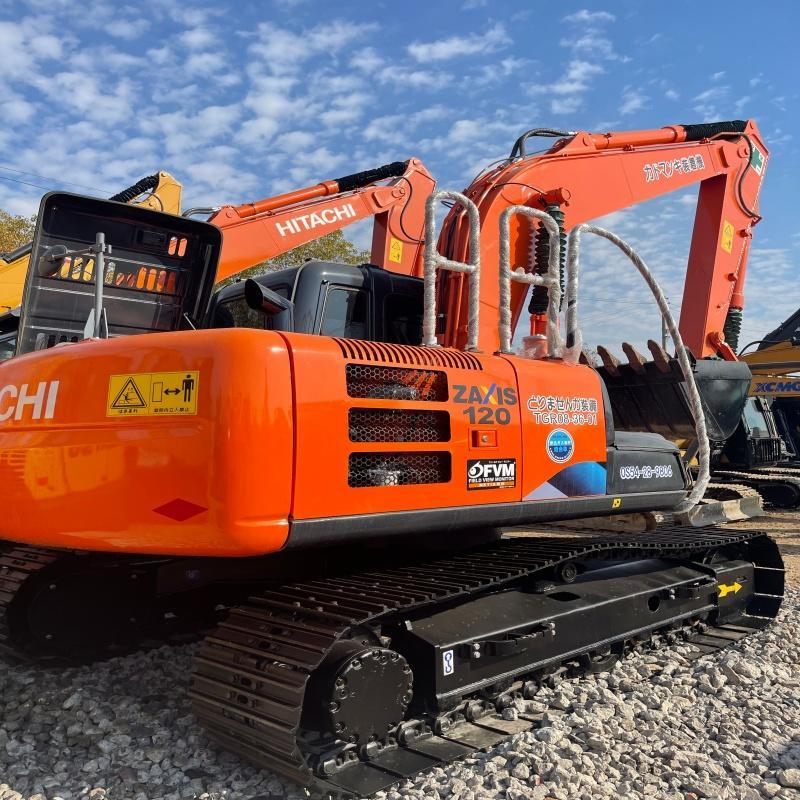
High-Quality Used Hitachi ZX120 Crawler Excavator | 0.52m³ Bucket | Strong Undercarriage | Competitive Price
Hitachi ZX200 20 Ton Crawler Excavator
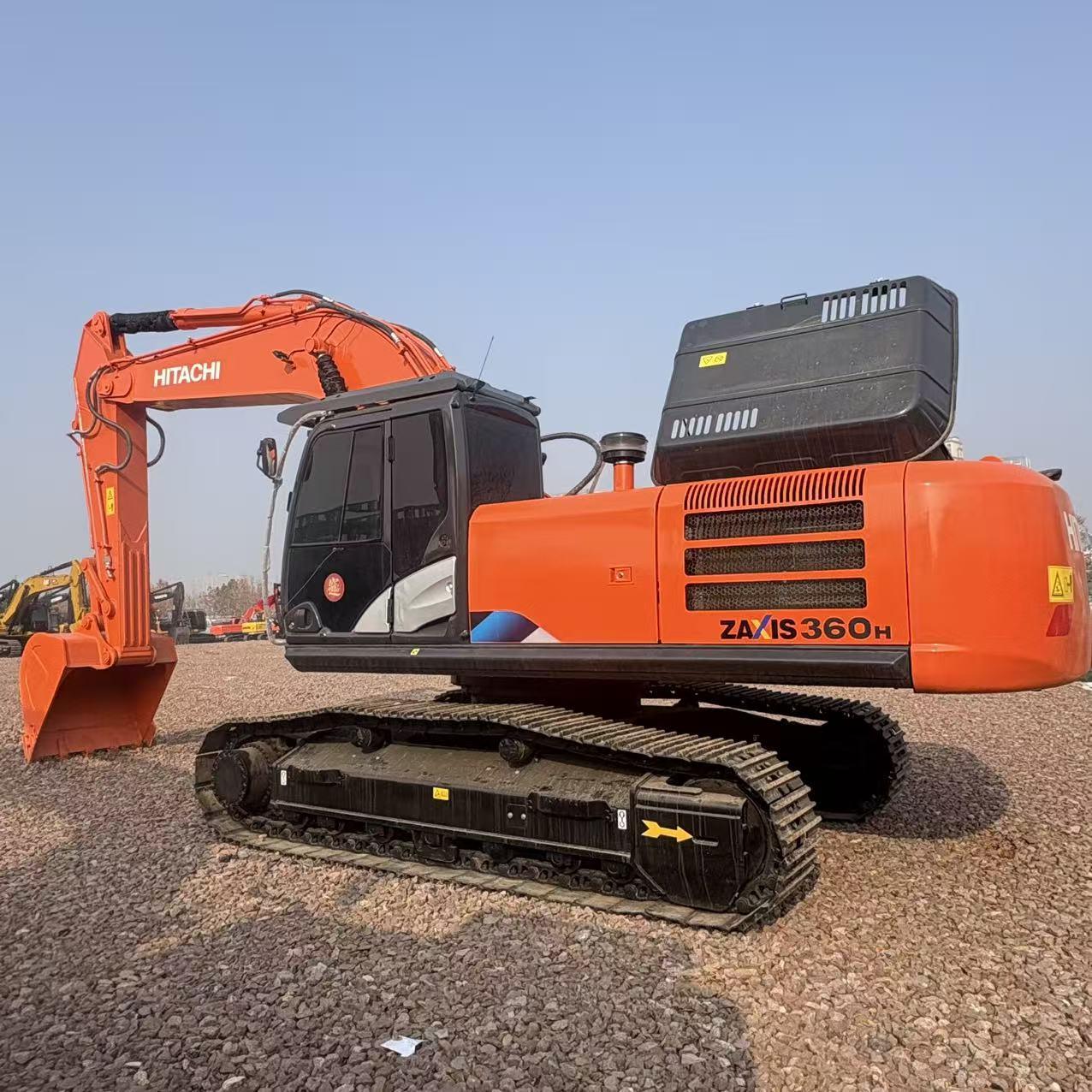
Hitachi ZX360H Hydraulic Crawler Excavator for Sale
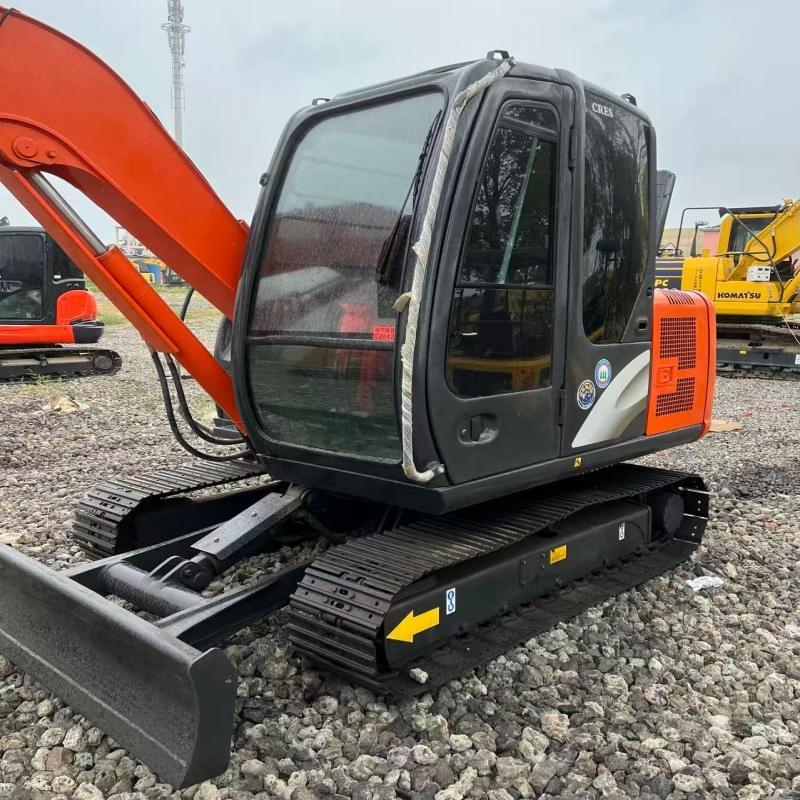
Japan Used Hitachi ZX60 Mini Excavator 6 Ton for Sale
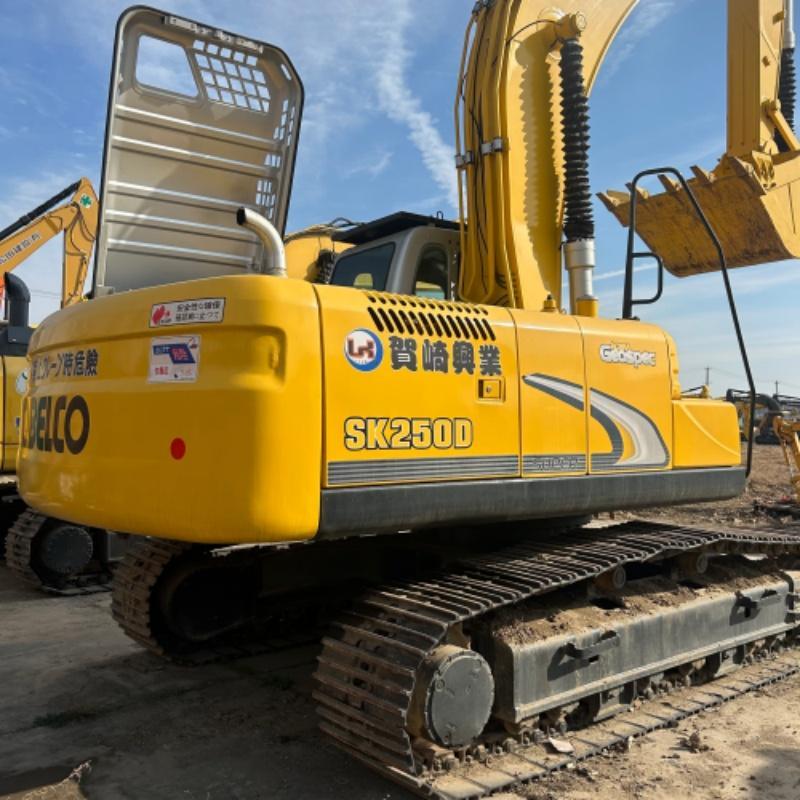
Kobelco SK250D Hydraulic Excavator Earthmoving Equipment
Kobelco SK75 Hydraulic Excavator For Sale 7 Ton Digger
Low Hour Used Volvo EC140BLC/DL 14T Excavator in Good Condition
Second Hand Komatsu PC60-8 Mini Excavator 6ton Used Digger 2023 Japan for Sale
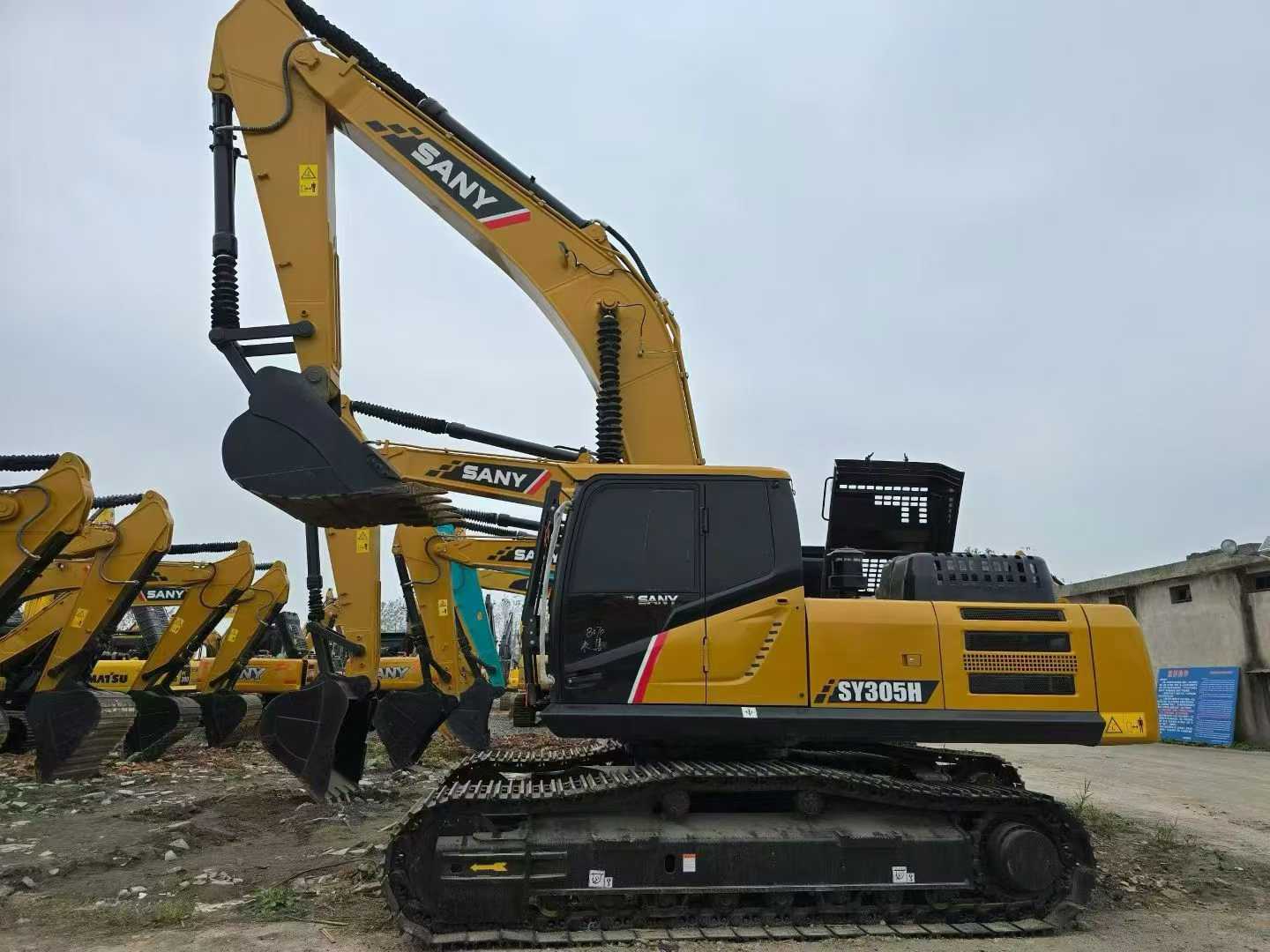
Used 2022 Sany SY485H Excavator 48 Ton 320HP Mining Quarry for Sale
Used 2023 Komatsu PC55MR Mini Excavator - 5 Ton Japan Compact Digger for Construction
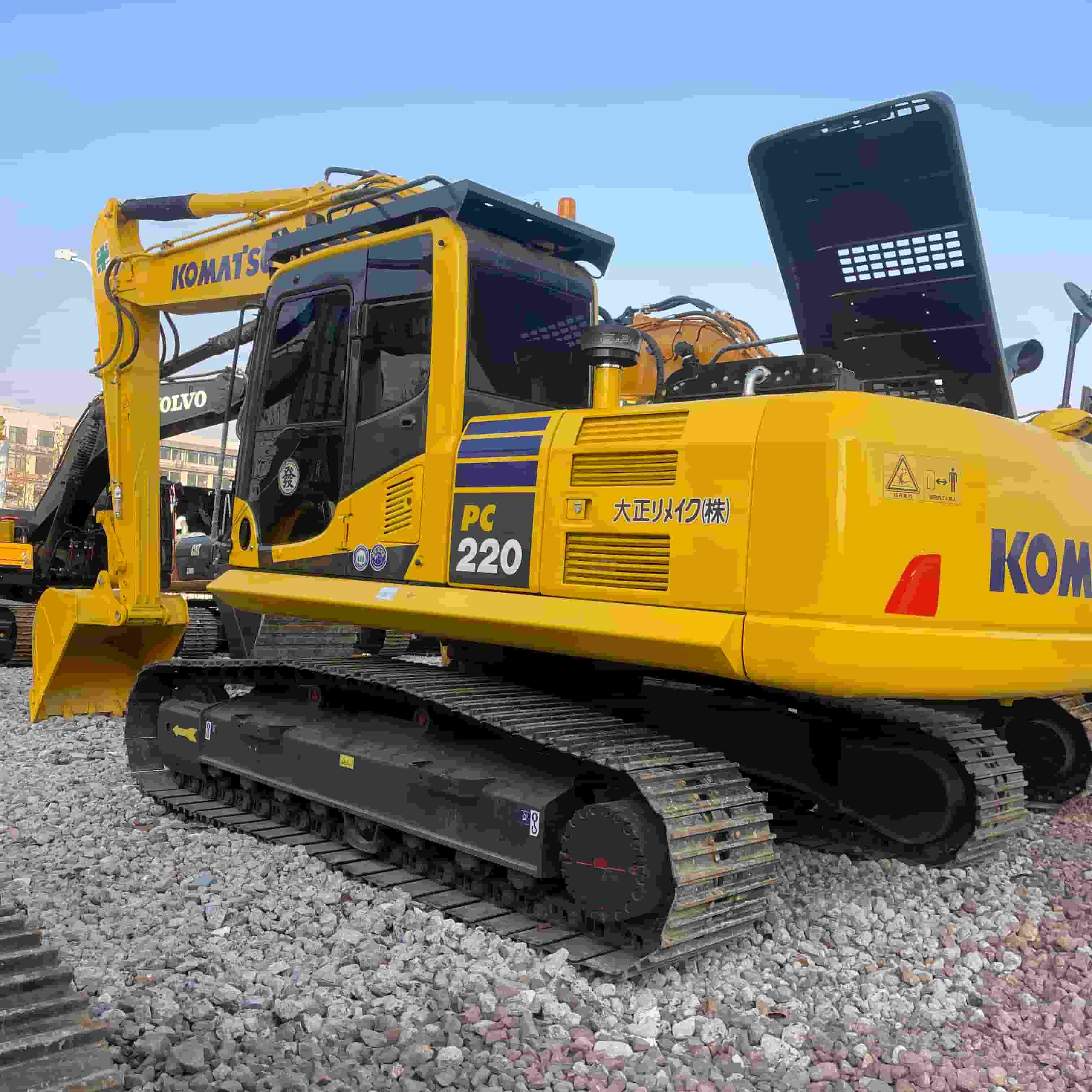
Used 2024 Komatsu PC220 Hydraulic Excavator – 22 Ton Crawler Digger
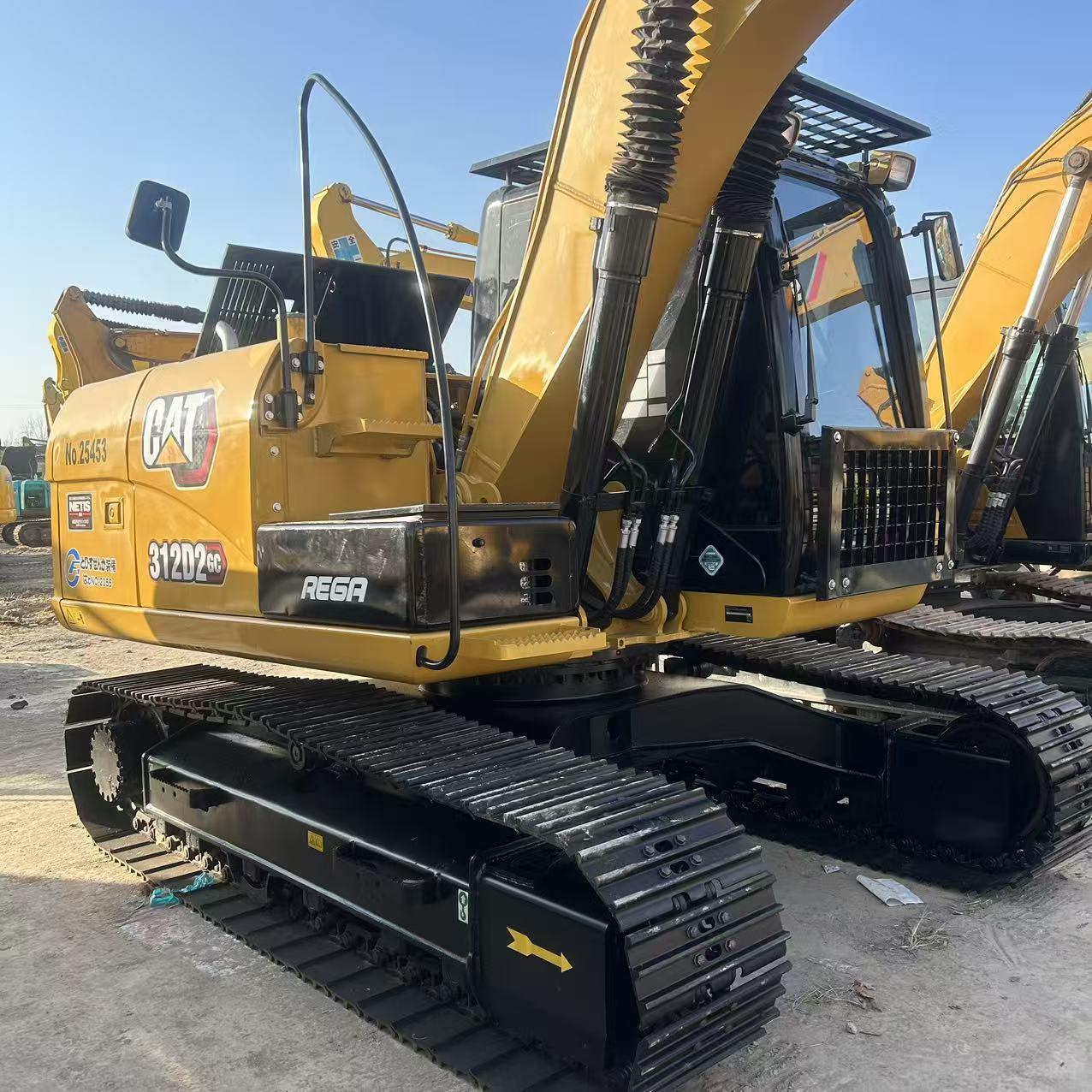
Used CAT 312D Excavator | Hydraulic Ready for Work
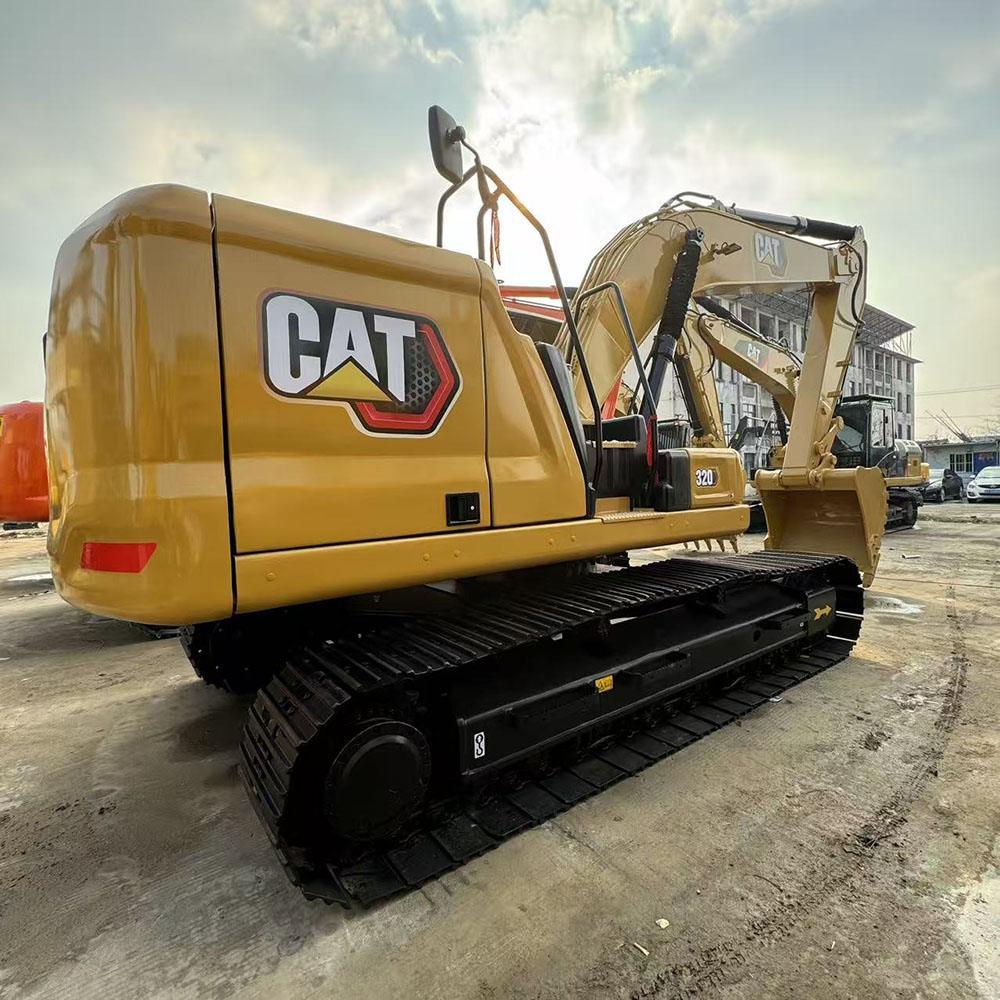
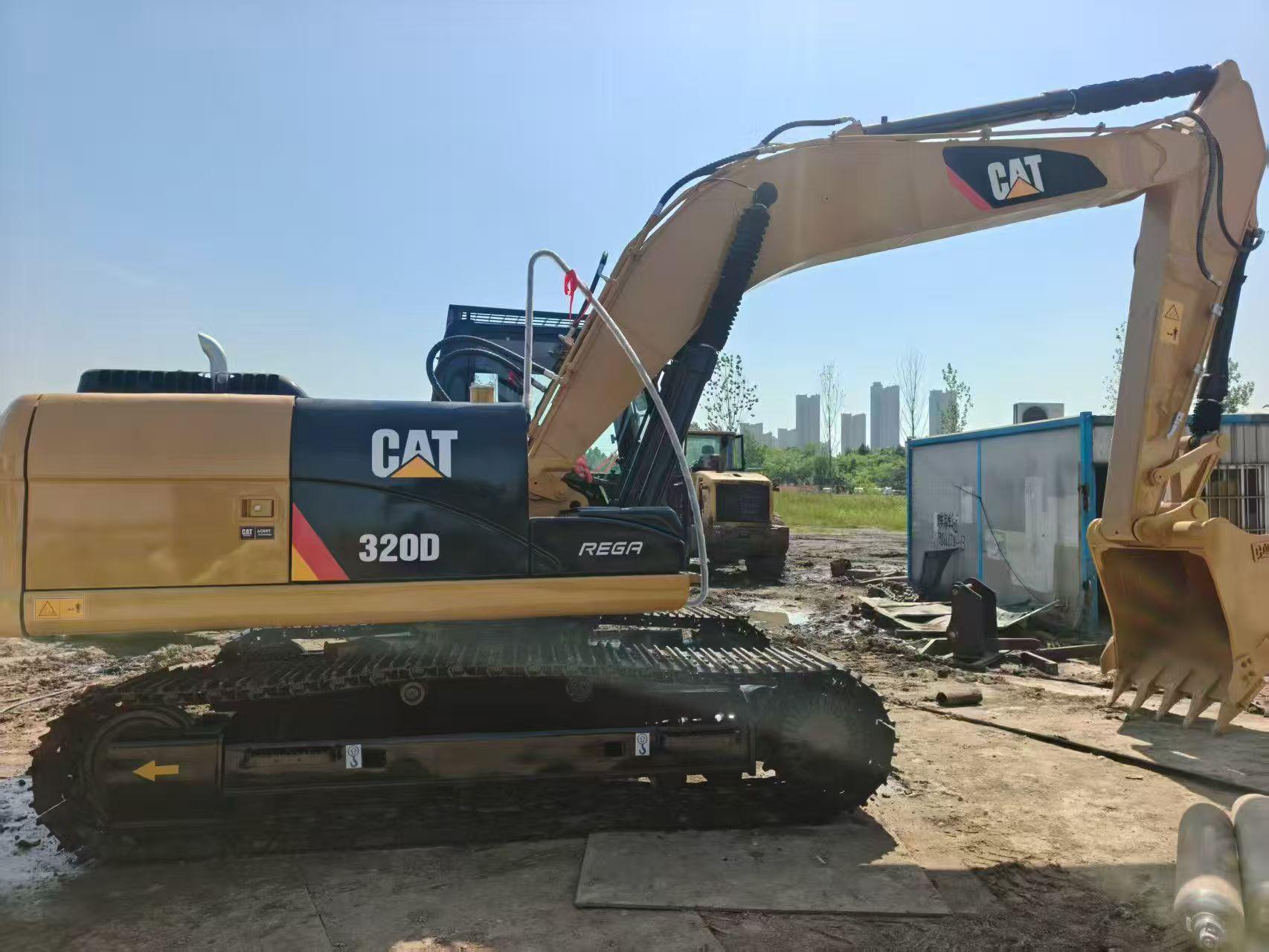
Used Caterpillar 320 Hydraulic Excavator for Sale
Used Caterpillar 336D Excavator – 36 Ton, Good Condition, Export Ready
Used Doosan DH225LC-7 Crawler Excavator for Sale Good Condition Ready to Work
Showing 19-36 Results(Total 83 Results)
Frequently Asked Questions about used excavator Excavator
The 320GC is powered by the Cat C4.4 ACERT™ diesel engine, delivering 107 kW (143 hp) net power (ISO 9249). The hydraulic system provides a main pump flow of 442 L/min, operating at 35,000 kPa equipment pressure, generating an ISO bucket digging force of 129 kN and a stick digging force of 99 kN.
Operating weight ranges from 20,400 kg to 22,000 kg, depending on undercarriage and counterweight configuration. Standard configuration includes a 5.7 m reach boom, 2.9 m stick, and 1.0 m³ general duty bucket. Working ranges include a maximum digging depth of 6.72 m, ground-level reach of 9.86 m, and loading height of 6.49 m. Transport dimensions include a shipping length of 9.53 m, overall cab height of 2.96 m, and tail swing radius of 2.83 m. Fuel tank capacity is 345 L, hydraulic system total capacity is 234 L, and the C4.4 engine requires 15 L of engine oil.
In the Next Generation three-model lineup (320 GC, 320, and 323), the 320GC sits at the entry point. Caterpillar explicitly designed this model for owners whose priority is lowest cost per hour——not maximum power or advanced technology.
The 320GC omits several high-end features found on the standard 320, such as factory-integrated Cat Grade with 2D, Grade Assist, and onboard Payload weighing. For contractors doing general earthmoving, site prep, utility work, and landscaping, the 320GC delivers everything needed—great fuel economy, low maintenance costs, and proven durability—without the price tag of technology they may never use.
Fuel consumption is the 320GC’s standout strength. According to user reports, a 320D consumes approximately 20 liters per hour, while the 320GC consumes only 13–14 liters per hour in comparable applications——a 30–35% reduction. Caterpillar’s official figures confirm up to 20% less fuel consumption than the 320F and 320D2 GC in similar applications——savings that directly affect profitability.
The design achieves this through a combination of lower engine operating speeds, a high-efficiency electric cooling fan that runs only when needed, and a new main control valve that eliminates pilot lines. Smart Mode automatically matches engine and hydraulic power to digging conditions, further optimizing combustion.
While the 320GC lacks the full suite of factory-integrated Cat Connect technology (2D Grade, Grade Assist, Payload) available on the standard 320 and 323, it still comes well-equipped.
The excavator features an intuitive 8-inch touchscreen monitor with jog dial keys for menu navigation and camera viewing. Operator ID and push-button start help secure the machine. A rearview camera helps operators see behind the machine. The integrated vehicle health management system provides step-by-step service guidance and parts information to minimize downtime. Standard Product Link / VisionLink telematics enables remote monitoring of machine health, location, hours, and fuel consumption.
The 320GC comes standard with auxiliary hydraulics for attachments, requires no operator input on the aftertreatment system, and includes a high-efficiency electric cooling fan that can reverse direction to clear debris.
The 320GC is generally a robust machine, but several issues have been documented.
Undercarriage Coil Spring Cracking. A formal case study identified coil spring fractures in the track adjuster system. Analysis found surface corrosion accelerated the fracture process, combined with repeated excessive loads from track shoe movements. The spring material is high-carbon steel with brittle characteristics——regular undercarriage inspections are crucial, especially in corrosive or high-impact environments.
Hydraulic Weakness. Reported issues include action delay and insufficient digging power. Proper diagnosis requires measuring pilot pressure, checking proportional solenoid coil resistance and current, verifying main pump output pressure, and inspecting for clogged flow control valves.
Engine starting problems and black smoke. Hard starts can result from low battery charge, faulty starter motor, or clogged fuel systems. Black smoke often indicates incomplete combustion due to poor fuel quality, incorrect injection timing, or clogged air filters.
Electrical system failures. Display anomalies and controller faults can occur——users report black screen issues requiring EMMC chip replacement. A 2021 owner report noted “the machine arm’s movements don’t feel very smooth, still not good after thousands of hours”, along with engine hose aging, monitor black screen lockups, and system update fees. Regular maintenance and software updates help mitigate these issues.
Transmission and Travel System Problems. A 2019 user reported intermittent sudden engine shutdown while traveling downhill.
Maintenance Costs: Lower Than Previous Generations
Caterpillar claims maintenance cost reductions of 15–25% compared to the 320F and 320D2 GC, achieved through extended service intervals and synchronized maintenance.
Extended service intervals:
-
Hydraulic oil filter replacement: 3,000 hours (50% longer than previous designs)
-
Engine oil and filter: Using Cat genuine oil with S·O·S monitoring extends intervals to 1,000 hours (double previous)
-
Coolant change: Long-life coolant intervals of 12,000 hours / 6 years
-
Final drive oil: First change at 250 hours, then every 1,000 hours
Daily maintenance is performed from ground level, including engine oil dipstick access without climbing the machine. The integrated health management system provides proactive service reminders. While specific 5,000-hour cumulative costs vary by region and conditions, the 320GC consistently maintains lower maintenance costs than previous-generation models.