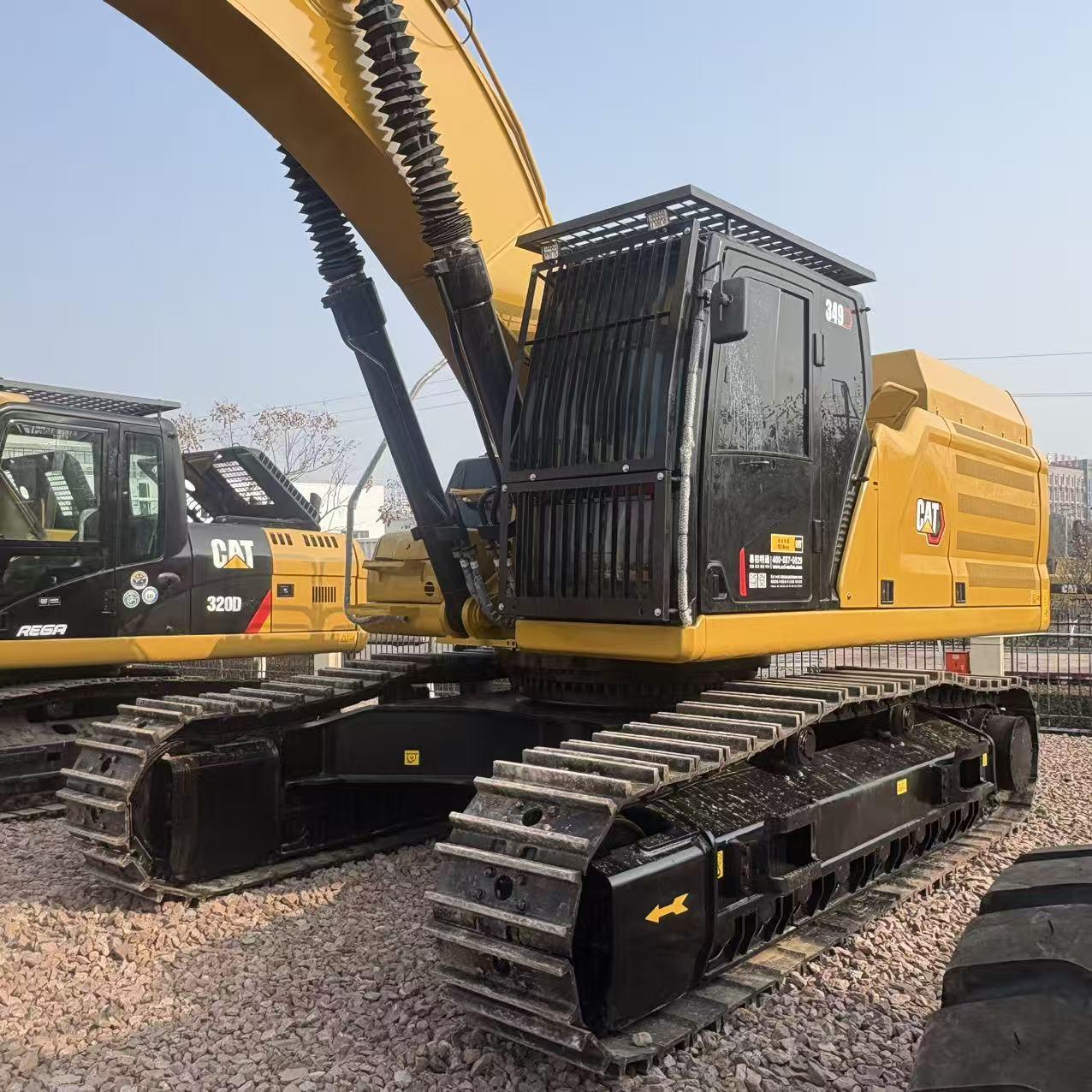
The Caterpillar 336D is one of the most popular large used excavators in the global market. Known for its durability, powerful performance, and strong resale value, this 36-ton class machine is widely used in construction, quarrying, and mining support applications. However, when importing a used Caterpillar 336D from China or any other market, a thorough inspection is essential to avoid costly surprises.
This guide provides a 7-point inspection checklist covering the most critical areas to evaluate before purchasing. Whether you’re comparing against a used Komatsu PC360, a used Hitachi ZX350, or a newer used Caterpillar 336GC, these inspection tips will help you make a confident, data-driven decision.
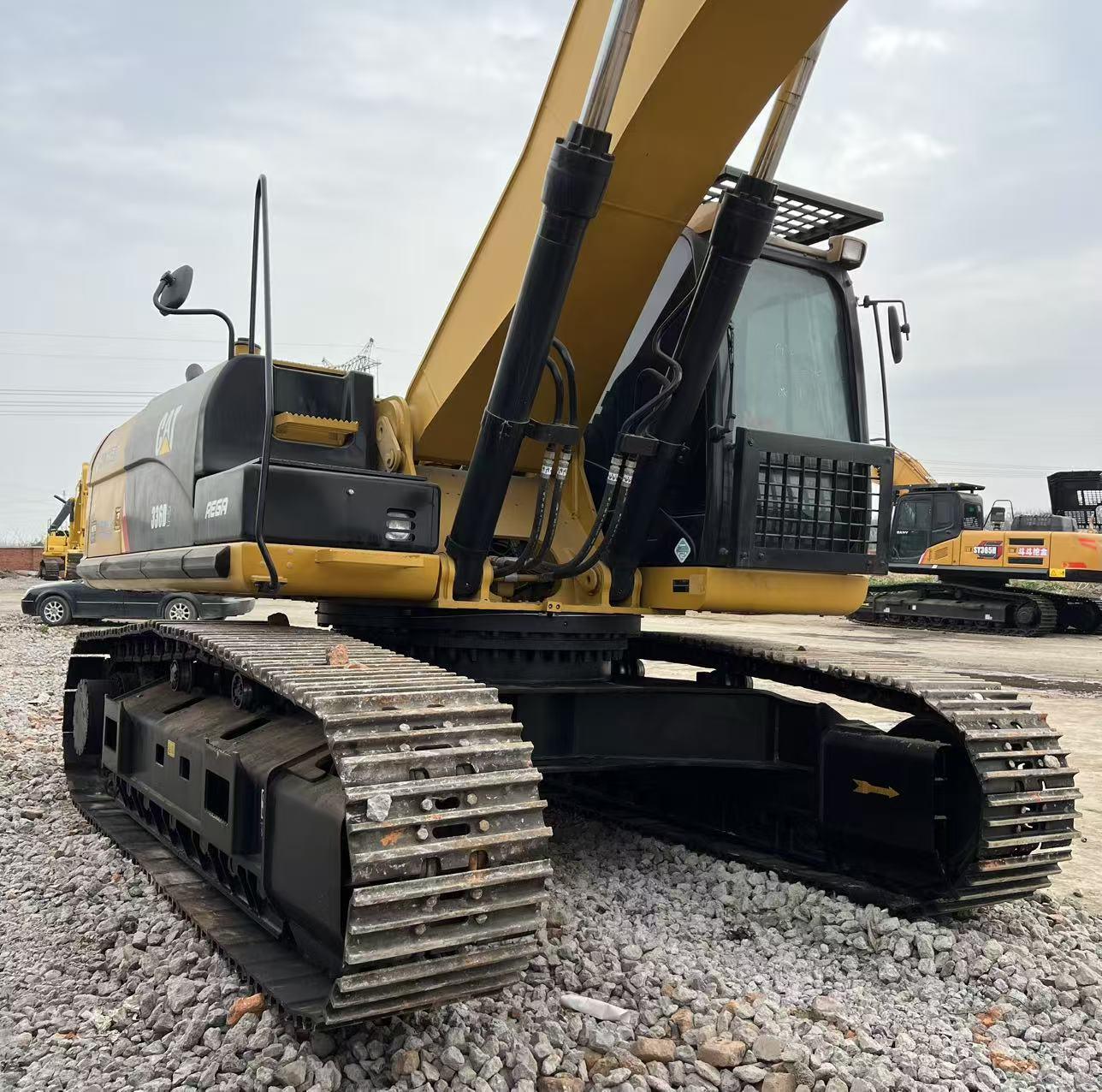
1. Engine System: Cold Start and Performance
The engine is the most expensive component to repair on any used excavator. The Cat 336D is powered by a C9 or C9.3 ACERT™ engine, known for robust low-end torque. A proper engine inspection should include:
Cold Start Test
Request that the machine has not been warmed up before your inspection. Observe:
- Start time: Should be within 3–5 seconds of cranking
- Exhaust smoke:
- Brief black smoke is normal
- Persistent black smoke = injector or air filter issues
- Blue smoke = burning oil (worn piston rings or valve seals)
- White smoke = coolant entering combustion (potential head gasket failure)
Idle Stability and Noise
- Engine should idle smoothly without fluctuating RPM
- Listen for knocking, ticking, or metallic noises
Under Load Performance
After reaching operating temperature, test the engine under hydraulic load. The machine should maintain power without bogging down.
Common Engine Issues on High-Hour 336D Units
Based on field inspection data, common issues include:
- Injector failure: Causes misfire, rough idle, and black smoke
- Sensor contamination: Air pressure and turbocharger sensors can become covered with debris, triggering fault codes
- Oil leaks: Particularly around the injector harness and valve cover gaskets
Competitor Context
When comparing to a used Komatsu PC360, the Cat 336D generally offers similar power but with a reputation for slightly higher fuel consumption. A used Hitachi ZX350 is often praised for faster cycle times but may have higher long-term maintenance costs .
2. Hydraulic System: Function and Leakage
Hydraulic repairs are among the most expensive on any used excavator. A thorough hydraulic inspection can reveal hidden issues.
Visual Inspection
Walk around the machine and inspect:
- Hoses and fittings: Look for wet spots, drips, kinks, or chafing
- Cylinder rods: Check for scoring, pitting, or chrome peeling—damaged rods will tear cylinder seals
- Pump area: Look for oil accumulation around the main pump
Function Testing
With engine at operating temperature, test each function:
- Boom up/down
- Arm (stick) in/out
- Bucket curl/dump
- Swing left/right
- Travel forward/reverse
Smooth, responsive movement without jerking or hesitation indicates a healthy system.
Hydraulic Drift Test
Position the bucket with arm extended, engine off, and observe:
- A small amount of drift over 10–15 minutes is normal
- Rapid drift (arm dropping significantly within minutes) indicates internal cylinder seal leakage or valve wear
Pressure Testing
If possible, request hydraulic pressure readings:
- Main pump pressure should be within OEM specifications (typically 31–34 MPa depending on model)
- Pilot pressure should be stable
Common Hydraulic Issues on 336D
- Main relief valve leakage: Causes weak digging force
- Cylinder rod damage: Scoring from debris or improper maintenance
- Pin and bushing wear: Excessive play in linkage affects precision
- Hydraulic pump wear: Whining noise and slow cycle times
3. Undercarriage and Track System
Undercarriage wear is one of the largest variable costs in owning a used excavator. A full replacement can cost $5,000–$10,000. Inspect carefully:
Track Chains
- Measure track sag between the carrier roller and track shoe (typically 30–50mm on properly tensioned tracks)
- Check for rust between bushings (indicates prolonged sitting)
- Inspect for worn or broken track links
Sprockets and Idlers
- Drive sprockets with sharp, hooked teeth indicate advanced wear (less than 30% life remaining)
- Front idlers should show no excessive wear or leaking seals
Rollers
- Check all bottom rollers and carrier rollers
- Rollers that don’t turn freely (seized bearings) need replacement
- Oil leaks from rollers indicate seal failure
Track Shoes
- Inspect for missing track shoes or bolts
- Check grouser height—worn shoes reduce traction
Undercarriage Wear Measurement Example
From a real-world inspection of a Cat 336D with approximately 8,000 hours:
| Component | Wear Measurement | Status |
|---|---|---|
| Track pitch | 10% worn | Good |
| Track shoes | 40% worn | Serviceable |
| Sprockets | 35% worn | Good |
| Carrier rollers | 20% worn | Good |
A machine with undercarriage wear exceeding 60% on multiple components will likely need replacement within 1,000–2,000 hours.
4. Boom, Arm, and Structural Components
Structural integrity is critical for safety and long-term reliability.
Visual Inspection
- Boom and arm: Check all weld joints for cracks—particularly at stress points where the boom attaches to the frame and where the arm attaches to the boom
- Main frame: Inspect around the turntable connection for cracks or welding repairs
- Counterweight: Ensure original counterweight is present and undamaged
Pin and Bushing Wear
- Check all pivot points for excessive play
- Grease fittings should be present and functional
- Excessive play (over 5mm movement) indicates worn bushings—repair cost $1,000–$3,000
Common Structural Issues
- Cracks in boom foot area (from overloading)
- Weld repairs on track frames (may indicate accident damage)
- Bent or twisted track frames
5. Electrical System and Cab Condition
Electrical issues can be frustrating and expensive to diagnose. The Cat 336D uses electronic controls for engine management and hydraulic optimization.
Monitor Panel
- All warning lights should illuminate briefly at startup
- Check for active or logged fault codes
- Fuel level, coolant temperature, and hydraulic oil temperature gauges should function
Cab Functionality
- HVAC: Test both heating and air conditioning (repair cost $500–$1,500 if non-functional)
- Joysticks: Smooth operation; buttons should respond
- Seat: Check condition and adjustability
- Safety lever: Must function properly (critical safety component)
Common Electrical Issues
- Sensor contamination: Air pressure and turbocharger sensors can accumulate debris
- Wiring harness chafing: Particularly around engine compartment
- Loose connections: Can cause intermittent performance issues
6. Operational Performance Test
Run the machine for at least 30–60 minutes to evaluate all functions under real-world conditions.
Travel Test
- Drive forward in a straight line. Veering to one side without steering input indicates hydraulic imbalance or final drive issues
- Test both forward and reverse speeds
Swing Test
- Swing left and right multiple times
- Grinding or hesitation indicates swing bearing or swing motor wear
Digging Test
- Test boom, arm, and bucket functions under load
- Compare cycle times to specifications
- Check for smooth combined operations (e.g., boom raise while swinging)
Brake Test
- On a slight grade, the machine should hold position without drifting
7. Documentation and History Verification
The most overlooked aspect of buying a used excavator is verifying its history. Inconsistent documentation can indicate tampering or hidden damage.
Service Records
- Request full maintenance logs
- Look for consistent oil and filter changes
- Major component rebuilds (engine, hydraulic pump, swing motor) should be documented
Hour Meter Verification
Cross-reference displayed hours with physical wear indicators:
- Pedal rubber wear (should match hours)
- Seat condition (original vs. replaced)
- Joystick wear
- Paint fade on high-touch areas
If the machine shows 4,000 hours but pedals are worn smooth and the seat is heavily cracked, the meter may have been tampered with.
Ownership and Usage History
- Ask about previous applications: mining, construction, rental, municipal
- Machines from single-owner fleets often have better maintenance
- Verify there are no liens or ownership disputes
Export Documentation
For international buyers, ensure the seller can provide:
- Commercial invoice
- Packing list
- Bill of lading
- Certificate of origin (if required)
- Export customs declaration
Competitor Context: How Does the 336D Compare?
When evaluating large used excavators, it’s helpful to understand how the Cat 336D stacks up against alternatives:
| Brand/Model | Strengths | Considerations |
|---|---|---|
| Caterpillar 336D | Proven durability; global parts network; strong resale value | Higher fuel consumption than newer models |
| Caterpillar 336GC | 32% fuel savings over 336D2L ; extended maintenance intervals | Higher purchase price; newer technology |
| Komatsu PC360 | Excellent fuel efficiency; smooth hydraulics | Parts availability varies by region |
| Hitachi ZX350 | Fast cycle times; operator comfort | Higher long-term maintenance reported by some users |
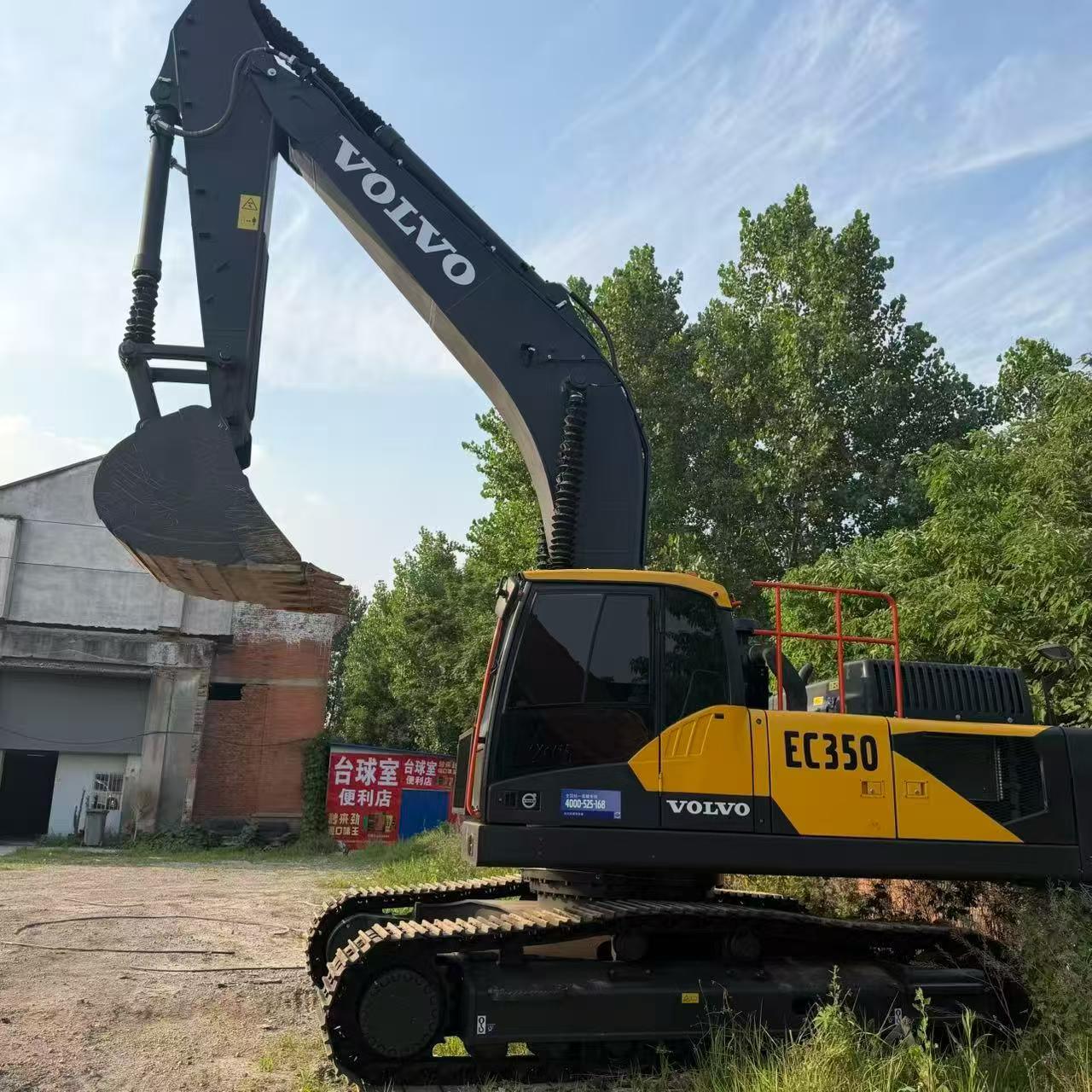
| Volvo EC350 | Safety features; cab comfort | Lower resale value than Cat |
Summary: Inspection Checklist Recap
| Area | Key Inspection Points |
|---|---|
| 1. Engine | Cold start, smoke color, idle stability, under-load performance |
| 2. Hydraulics | Leaks, cylinder rods, function speed, drift test, pump noise |
| 3. Undercarriage | Track tension, sprocket teeth, roller condition, wear measurements |
| 4. Structure | Boom/arm weld cracks, pin/bushing wear, main frame integrity |
| 5. Electrical | Monitor panel, fault codes, HVAC, joysticks, safety lever |
| 6. Operation | Travel, swing, digging, brake test |
| 7. Documentation | Service records, hour meter verification, ownership history |
Conclusion: Inspect Thoroughly, Import Confidently
The Caterpillar 336D remains a reliable and powerful used excavator that serves contractors well in demanding applications. However, a successful import depends on thorough pre-purchase inspection. By following this 7-point checklist, you can identify potential issues before they become costly problems.
Remember: the cheapest machine upfront is rarely the best value long-term. Invest time in inspection now to enjoy years of reliable performance later.
Your Trusted Partner for Used Caterpillar Excavators: Taihongmachinery
At Taihongmachinery (TH Engineering Equipment Limited) , we specialize in connecting international buyers with high-quality used Caterpillar excavators, including the popular 336D model. With years of experience serving clients across Africa, the Middle East, Southeast Asia, and Latin America, we understand the factors that matter most when investing in heavy equipment.
Why Choose Taihongmachinery:
- Curated Inventory: We carefully inspect every used Caterpillar 336D before listing—verifying hour meters, component wear, and operational condition against OEM standards.
- Transparent Condition Reports: We provide detailed photos, videos, and honest assessments—including engine start-up videos, hydraulic function tests, and undercarriage wear measurements.
- Third-Party Inspections Welcome: We encourage buyers to arrange independent inspections through SGS, Bureau Veritas, or other agencies. Our confidence in our equipment means we have nothing to hide.
- Competitive Pricing: Our direct sourcing channels allow us to offer fair market prices—typically 15–25% below dealer retail.
- Full Export Support: From documentation to shipping coordination, our logistics team handles the complexities.
- After-Sales Assistance: Even after your used excavator arrives, we’re here to help with parts sourcing and technical support.
Whether you’re comparing a used Caterpillar 336D against a used Komatsu PC360 or considering a newer used Caterpillar 336GC, Taihongmachinery provides the expertise and transparency you need to make a confident investment.