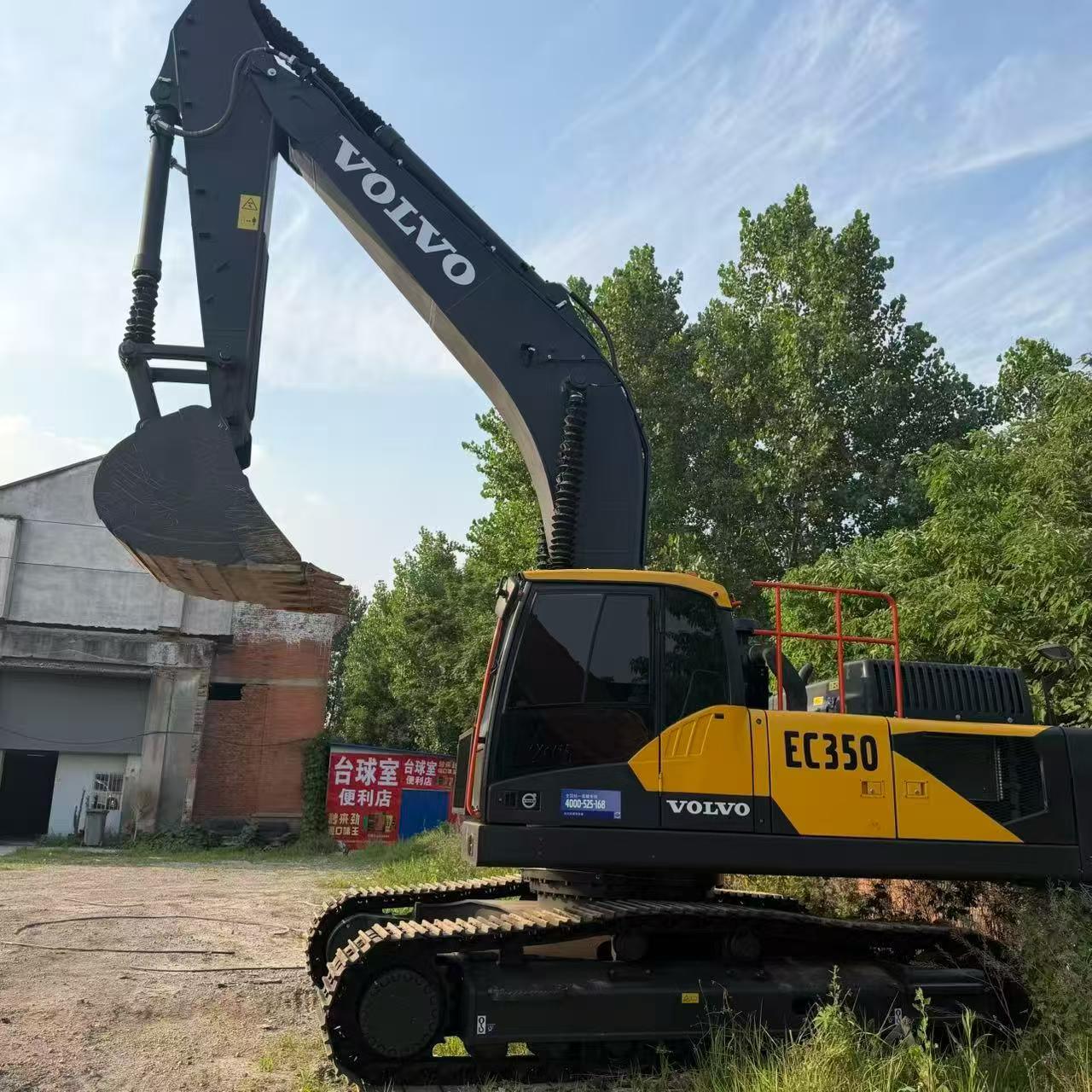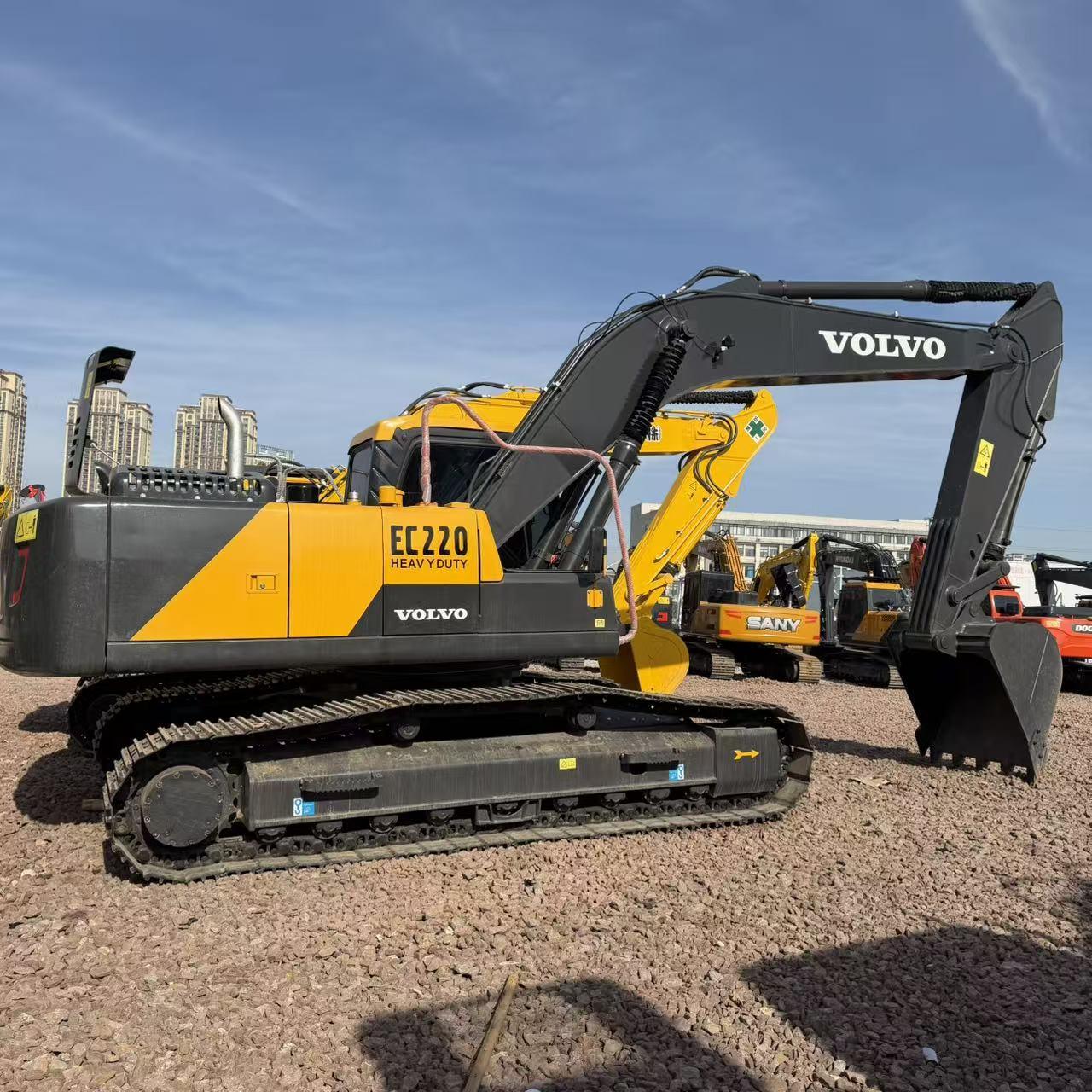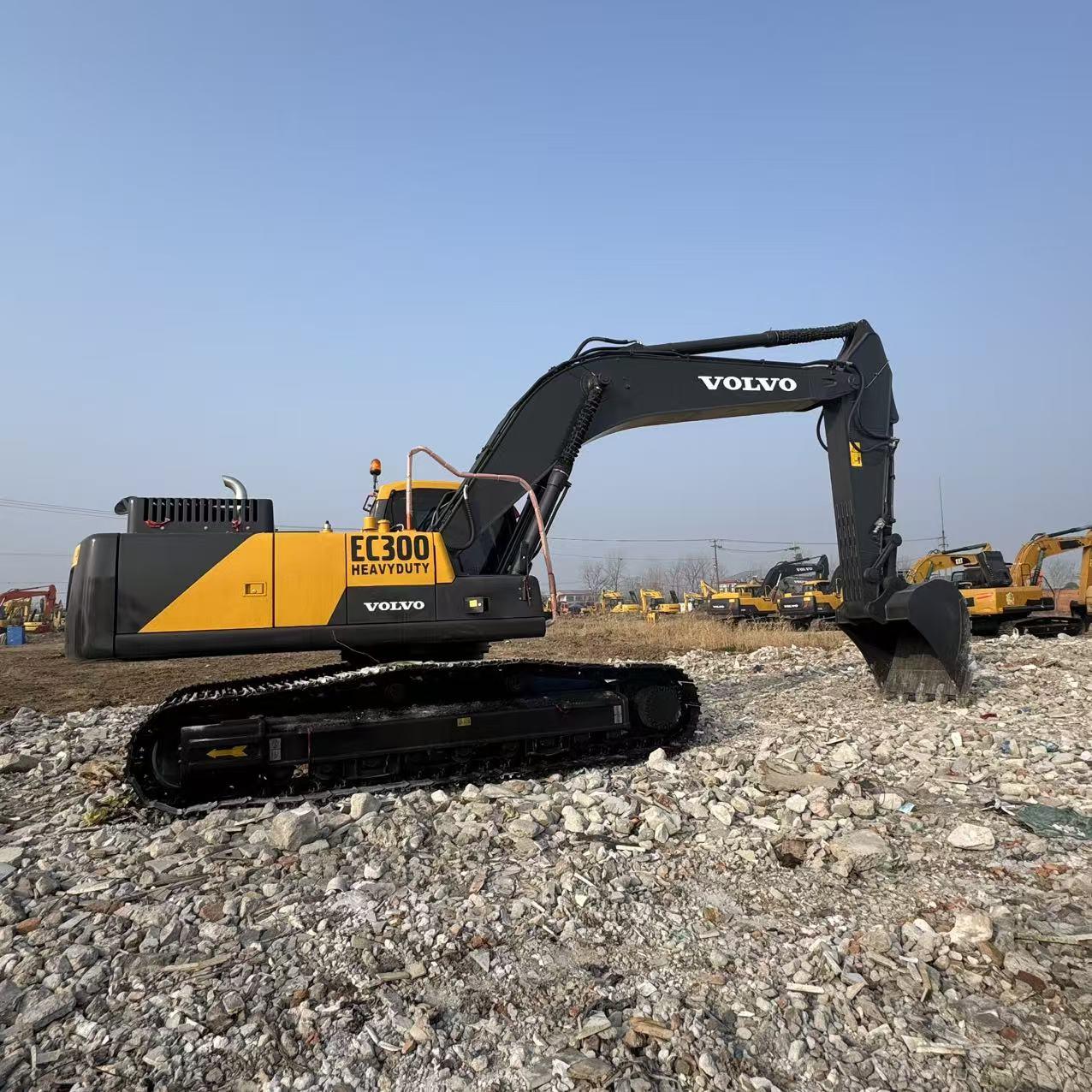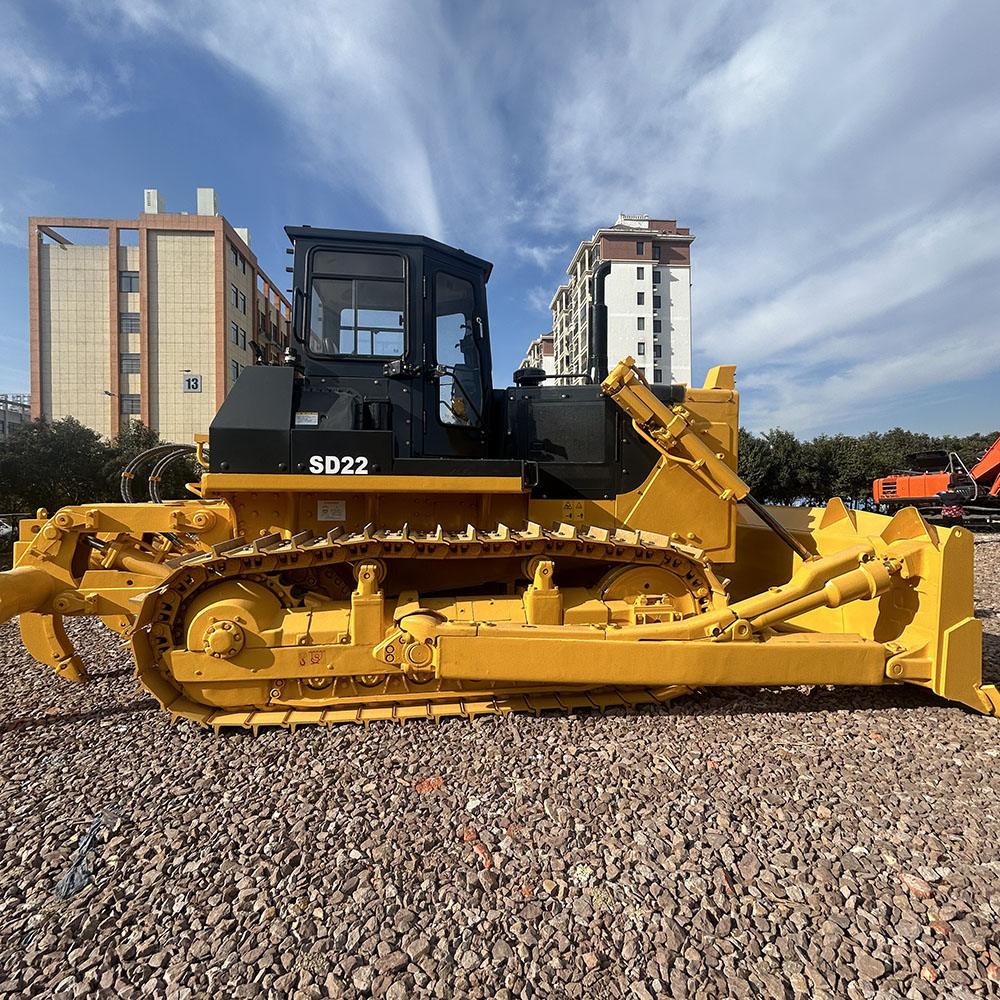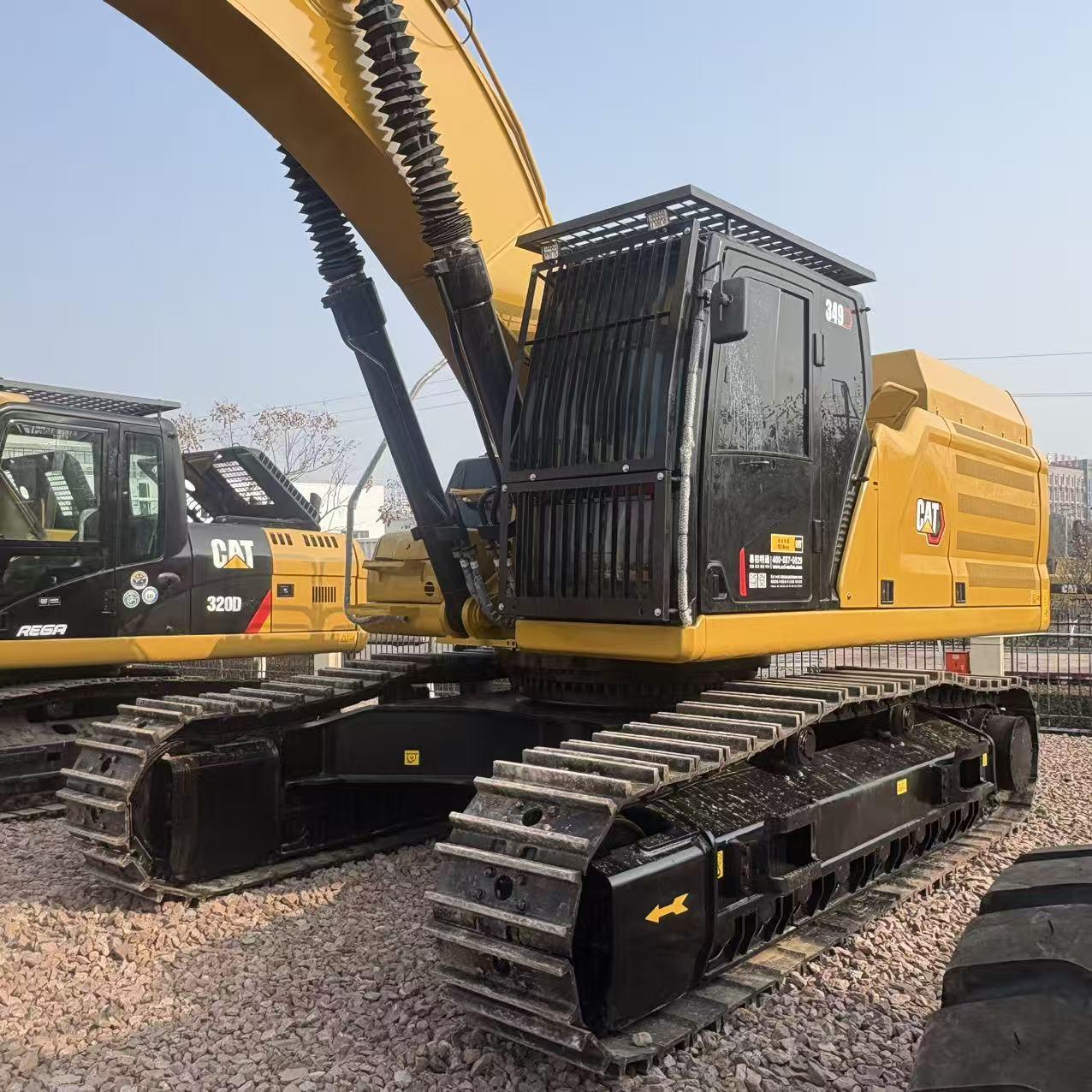
The used construction equipment market is on a strong growth track in 2026, with the global sector expected to grow at a CAGR of 4.2% and reach approximately USD 100.5 billion by 2035, fueled by increasing infrastructure projects worldwide and strong demand for cost-effective machinery solutions. This growth makes choosing the right used wheeled excavator more critical than ever—not just for upfront savings but for long-term productivity and ROI.
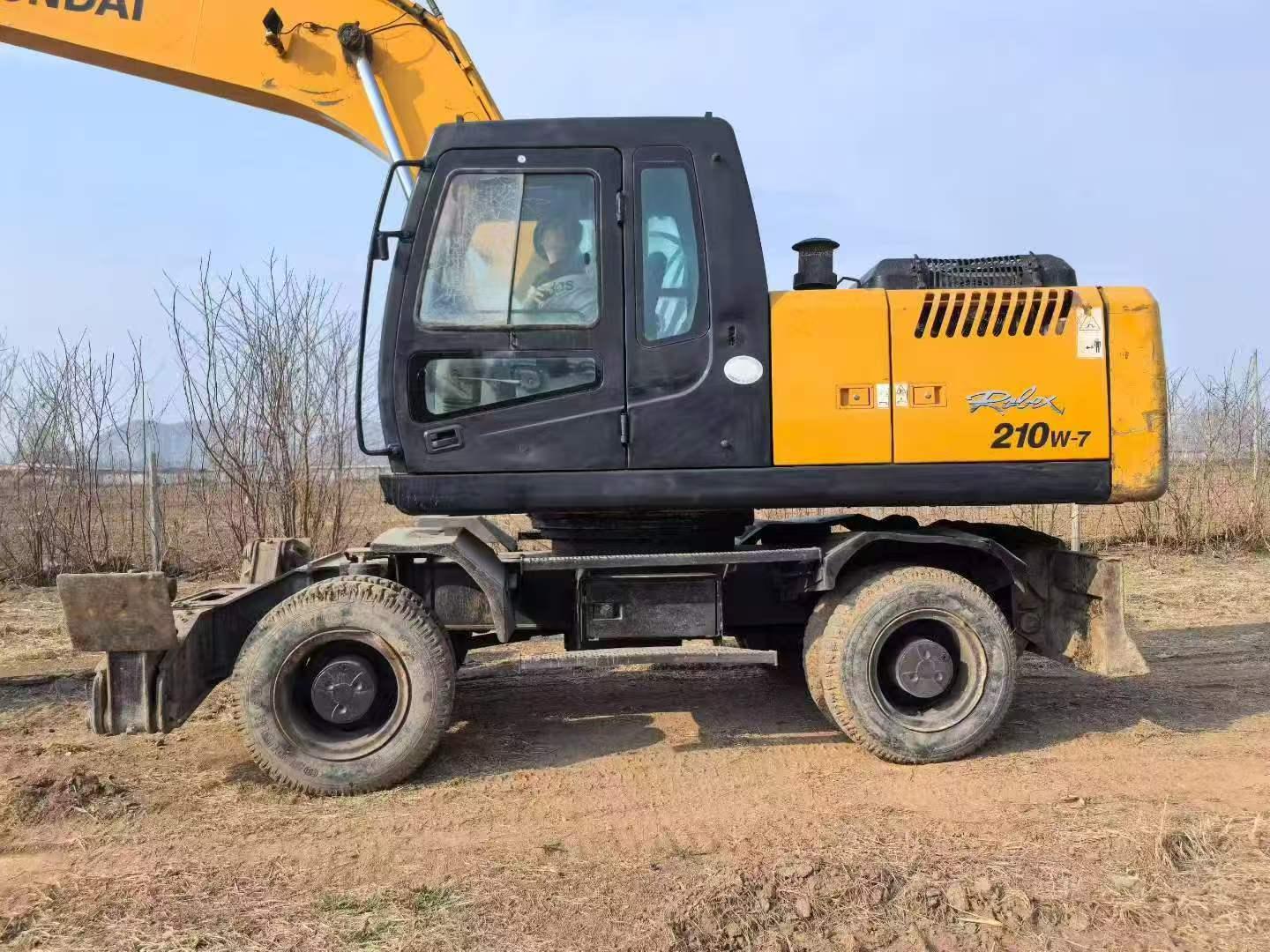
Within the 15–21 metric ton wheeled excavator segment, two models stand out as top contenders for contractors, rental fleets, and infrastructure firms: the Hyundai HW150 and the Hyundai HW210. Both offer the core advantage of wheeled excavators: mobility. Capable of traveling at up to 35–38 km/h between job sites without the expense and logistics of low-bed trailers, wheeled excavators shine in urban construction, road maintenance, municipal projects, and any application requiring frequent relocation.
Whether you are digging foundation trenches, laying utility lines, performing site grading, or handling material, the choice between these two machines largely hinges on your operational scale, typical project size, and budget. This guide delivers a head-to-head comparison of specifications, performance, pricing, fuel efficiency, and resale value to help you make an informed decision. We will also cover what to look for when buying used and introduce you to Taihongmachinery—your trusted partner for quality used equipment.
Hyundai HW150: Agile Performance for Confined Sites
The Hyundai HW150 is a 15-ton class wheeled excavator designed for maximum maneuverability and efficiency on tight, restricted job sites. Hyundai positions the HW150 series (including the compact-radius CR variant) as a machine purpose-built for urban construction and landscaping projects where space is at a premium. As Hyundai CE notes, the HW150A CR has been designed to provide maximum mobility and productivity on restricted construction sites and infrastructure projects.
Core Specifications: Operating weight: approx. 13.74 to 17.17 tons, depending on configuration Bucket capacity: 0.58 m³ standard (0.52–0.71 m³ range) Engine: Cummins F4.5 or B4.5 (4-cylinder, Tier 4 Final / Stage V compliant), delivering 125–129 kW (168–173 hp) Torque: 670–780 Nm, delivering strong low-end performance Hydraulic flow: 2 × 160 L/min, load-sensing LUDV system for smooth multi-function operation Max travel speed: 35–39.5 km/h Max digging depth: 4,820–5,280 mm Max digging reach: 7,920–8,370 mm Transport dimensions: 7,850–7,710 mm length × 2,510–2,530 mm width × 3,090–3,790 mm height
The HW150’s standout feature is its compact radius design (CR variant), which significantly reduces tail swing and allows safe, productive operation in narrow urban corridors, near existing structures, and on roadways with limited clearance. On the HW150A CR, the reduced tail swing provides class-leading compactness for working in confined spaces and busy environments.
For exporters, a well-maintained used HW150 offers an excellent value proposition. In the second-hand market, typical pricing for a 2018–2022 HW150 ranges from USD 28,000 to 38,000 FOB, depending on operating hours (typically 2,500–5,500 hours) and overall condition.
Hyundai HW210: Heavy-Duty Production Machine
The Hyundai HW210 occupies the 21-ton segment—a class that commands higher production rates, deeper digging capability, and more substantial material handling capacity than the HW150.
**Core Specifications: Operating weight: approx. 20,800–21,200 kg (about 21 tons), offering excellent stability for heavy-duty operations Bucket capacity: 0.8–1.34 m³ (depending on model year and configuration) Engine: Cummins B6.7 or QSB6.7 (6-cylinder, Tier 4 Final), delivering 129–137 kW (174–183 hp) Max torque: 890 N·m, providing substantial low-end grunt for digging heavy materials Hydraulic flow: advanced EPFC (Electronic Positive Flow Control) system with 2 × 221 L/min, delivering responsive and fuel-efficient performance Max travel speed: 35–38.4 km/h Max digging depth: 6,210–6,410 mm Max digging reach: 9,760–9,980 mm Transport dimensions: 9,590–9,760 mm length × 2,530 mm width × 3,245–3,380 mm height
The HW210 also features Variable Power Control with three selectable modes: P (Power mode) maximizes speed for heavy work; S (Standard mode) optimizes performance and fuel efficiency for general tasks; and E (Economy mode) improves control and efficiency for lighter applications. This flexibility makes the HW210 adaptable across a wide spectrum of site conditions and workload intensities.
For used HW210 buyers, 2018–2021 models with 3,000–6,000 operating hours typically list in the USD 32,000–42,000 FOB range. Low-hour units (under 3,000 hours) command prices at the higher end of this bracket, reflecting the premium buyers place on remaining service life and reduced wear.
The HW210 is the largest wheeled excavator in Hyundai’s current lineup, offering the greatest horsepower, breakout force, and digging depth—ideal for heavy construction, road-building, and infrastructure projects requiring substantial daily material movement.
Side-by-Side Specifications Table
| Parameter | Hyundai HW150 | Hyundai HW210 |
|---|---|---|
| Operating Weight | 13.74–17.17 tons | ~21 tons (20,800–21,200 kg) |
| Bucket Capacity | 0.52–0.71 m³ | 0.8–1.34 m³ |
| Engine Model | Cummins F4.5 / B4.5 | Cummins B6.7 / QSB6.7 |
| Power Output | 125–129 kW (168–173 hp) | 129–137 kW (174–183 hp) |
| Hydraulic Flow | 2 × 160 L/min | 2 × 221 L/min |
| Travel Speed | 35–39.5 km/h | 35–38.4 km/h |
| Max Digging Depth | 4.82–5.28 m | 6.21–6.41 m |
| Max Digging Reach | 7.92–8.37 m | 9.76–9.98 m |
| Transport Length | ~7.85 m | ~9.59 m |
| Transport Width | ~2.52 m | ~2.53 m |
| Transport Height | 3.09–3.79 m | 3.25–3.38 m |
| Emission Standard | Tier 4 / Stage V | Tier 4 Final |
| Used Price Range (FOB) | USD 28,000–38,000 | USD 32,000–42,000 |
Data sources: LECTURA Specs, Hyundai Construction Equipment, TH-Mach.com, IronPros
Which One Should You Choose? Selection Guidelines
The choice between the HW150 and HW210 ultimately comes down to matching machine capabilities to operational requirements.
Choose the Hyundai HW150 if:
- Your work primarily occurs in urban areas, confined job sites, or road construction zones with limited space
- You need to frequently relocate between multiple small-to-medium job sites in a single workday
- Your digging depths rarely exceed 5 meters
- Your projects involve utility installation, landscaping, foundation digging, or municipal repair work
- Budget is a primary consideration, and you seek maximum value at a lower entry price
- You prefer a 4-cylinder engine with simpler maintenance and lower emissions aftertreatment requirements
Choose the Hyundai HW210 if:
- Your operation focuses on larger-scale infrastructure, highway construction, or industrial site development
- You regularly work at depths exceeding 5.5 meters or require a digging reach beyond 9 meters
- Your daily material volume demands larger buckets (1.0 m³ or more) for efficient production
- You require higher breakout forces to handle compacted earth, rock, or demolition debris
- You have a larger transport trailer capable of handling the HW210’s greater weight and dimensions
- You anticipate that your workload will justify the premium cost through faster cycle times and higher daily production
Performance and Fuel Efficiency: What Hyundai Brings to the Table
For buyers of used Hyundai wheeled excavators, fuel efficiency and operating costs are arguably more important than initial purchase price when evaluating total cost of ownership across 5,000 to 8,000 operating hours. Hyundai has invested significantly in powertrain and hydraulic optimization to differentiate its machines.
The HW150 combines a Cummins F4.5 engine with load-sensing LUDV hydraulics. The F4.5 engine requires no urea (DEF), lowering consumable costs for long-term owners—a significant operating advantage. It delivers higher torque in the 1,300–1,500 rpm range, meaning better fuel economy where excavators spend most of their working time. The engine also features a maintenance-free air pre-filter as standard, extending engine life and reducing downtime.
The HW210, equipped with the larger Cummins B6.7, typically offers 10% improved fuel efficiency compared to earlier series, thanks to electronic pump flow rate control via the EPFC system and Tier 4 Final engine refinements. The HW series hydraulic advancements and electronic improvements deliver faster cycle speeds than previous models, which directly boosts daily production.
The HW210’s three power modes allow operators to instantly scale performance to match workload: Power Mode for heavy excavation, Standard Mode for balanced efficiency, and Economy Mode for lighter finishing work and reduced fuel burn. An 8-inch interactive touchscreen monitor puts machine diagnostics, power mode selection, and operational data directly in the operator’s view.
Overall, both models represent Hyundai’s commitment to blending Korean engineering precision with Cummins’ global powertrain reliability. Hyundai excavators are hydraulic digging machines recognized by buyers for operator-focused cabs, fuel-efficient engine and hydraulic systems, and configurations suited to both general construction and heavy-duty applications.
In terms of resale value, a 2–3 year old Hyundai excavator with approximately 2,500 hours can retain up to 85% of its original purchase price when resold—a reflection of both brand durability and consistent demand for used Hyundai equipment, particularly in developing markets where cost-effectiveness and parts availability are critical considerations.
The 2026 Used Wheeled Excavator Market: What Buyers Need to Know
Global inventory trends suggest that 2026 is shaping up as a seller’s market for high-quality used equipment. According to the latest Sandhills Global market reports (May 2026), used construction equipment inventory continues to tighten, with heavy-duty construction equipment inventory falling 11.55% year-over-year, marking seven consecutive months of decline.
For buyers, this translates into:
- Reduced selection of low-hour, well-maintained wheeled excavators
- Stabilizing asking prices—no major bargains expected in 2026
- A premium for documented service histories and clean machines
- Greater importance on acting quickly when a suitable unit becomes available
Given these market conditions, buyers are encouraged to prioritize machine quality and documentation over chasing the lowest price. A slightly higher upfront investment in a lower-hour HW210 or HW150 will likely pay dividends in reduced downtime, lower repair costs, and stronger resale value down the line. As leading industry data confirms, the used construction equipment market is expanding, driven by budget-conscious contractors and accelerating digital marketplaces.
Pre-Purchase Inspection Guide for Used Hyundai Wheeled Excavators
Before committing to any used wheeled excavator, a disciplined pre-purchase inspection is essential. The following checklist covers the critical areas to examine.
1. Engine and Starting System
- Perform both cold and hot start checks. The engine should start without excessive cranking or abnormal knocking.
- Observe exhaust color. Blue smoke indicates oil burning and internal wear; black smoke may signal fuel inefficiency.
- Check for oil leaks around gaskets, seals, and the oil pan. Examine the engine block for cracks or prior repair work.
2. Hydraulic System
- Inspect all hydraulic hoses, lines, cylinders, and seals for leaks, rubbing, chafing, or visible damage.
- Operate all hydraulic functions (boom, arm, bucket, swing). Movement should be smooth, responsive, and free from jerking or whining, which indicates internal wear or contamination.
- Verify that cylinder seals are not leaking and that there is no drift when the machine is stationary.
3. Tires and Undercarriage (Critical for Wheeled Models)
- Inspect tire tread depth. Uneven wear may indicate alignment or steering geometry issues.
- Check sidewalls for cuts, bulges, or weather cracking. Replacing all four tires can add substantial cost.
- For wheeled models, examine axles, steering linkages, and wheel bearings for looseness or damage.
4. Structural Integrity and Frame
- Walk around the machine slowly. Inspect the boom, arm, main chassis, and attachment points for cracks, especially around pin bosses and welded joints.
- Look for evidence of previous structural repairs: mismatched paint, poor weld quality, or replacement panels often conceal prior damage.
5. Outriggers and Stabilizers
- Deploy and retract all outriggers. They should move smoothly without hesitation or binding.
- With outriggers down, listen for hydraulic bypass or cylinder leak-down. Any drifting indicates worn seals.
6. Operational Field Test
- If possible, operate the machine under real working conditions: digging, swinging, and traveling.
- Test both when the machine is cold and after it has reached operating temperature, as some issues (e.g., overheating, hydraulic lag) only appear once components are warm.
7. Documentation Review
- Request complete maintenance records: oil and filter changes, hydraulic fluid replacements, and major component repairs.
- Verify hour meter readings against service logs. Inconsistent readings can indicate odometer tampering or incomplete records.
Buying a Used Hyundai HW150 or HW210 with Confidence
When evaluating purchasing channels, prioritize suppliers that demonstrate transparency and after-sale support. Indicators of a reliable supplier include:
- Third-party inspection readiness: Suppliers willing to facilitate independent inspections through accredited firms show confidence in their machine quality
- Detailed pre-sale documentation: Comprehensive records, including inspection reports, service histories, and walk-around videos, allow you to make an informed choice
- Professional shipping and logistics support: Experienced forwarders should offer flexible options (container, flat rack, RO-RO, bulk vessel) matching your destination port requirements
- Post-sale support: Availability of genuine Hyundai spare parts and technical assistance is critical for minimizing operational downtime
A working partnership with a specialized used machinery supplier can significantly reduce procurement risks and ensure you receive a machine that delivers consistent, long-term performance.
About Taihongmachinery (TH Engineering Equipment Limited)
Taihongmachinery (TH Engineering Equipment Limited) is a professional and trusted supplier of high-quality used construction equipment, headquartered in Shanghai, China. With extensive export experience across global markets—including Southeast Asia, Africa, the Middle East, South America, and beyond—Taihongmachinery specializes in providing thoroughly inspected, well-maintained used excavators, wheeled excavators, loaders, bulldozers, graders, and other heavy machinery.
Every used Hyundai wheeled excavator offered by Taihongmachinery undergoes a rigorous pre-delivery inspection process covering structural integrity, engine health, hydraulic system performance, tire condition, and outrigger operation. The company offers:
- Detailed pre-sale inspection reports and walk-around videos – Full transparency on machine condition
- Flexible FOB/CIF shipping arrangements via container, flat rack, RO-RO, or bulk vessel – tailored to your destination
- Competitive pricing with negotiable terms – T/T payment available with 30% deposit and 70% balance
- Ongoing genuine Hyundai spare parts and technical support – Ensuring minimal downtime after purchase
- 6–12 month warranty on selected units – Added peace of mind for international buyers
Whether you are expanding your rental fleet, upgrading your construction fleet, or sourcing cost-effective machinery for a major infrastructure project, Taihongmachinery delivers quality and professionalism you can count on.
📧 Contact Taihongmachinery (TH Engineering Equipment Limited) today to request a detailed quote, arrange a virtual inspection, or discuss your specific requirements for a used Hyundai HW150, HW210, or any other heavy equipment model. Your next reliable machinery partner is just a message away.