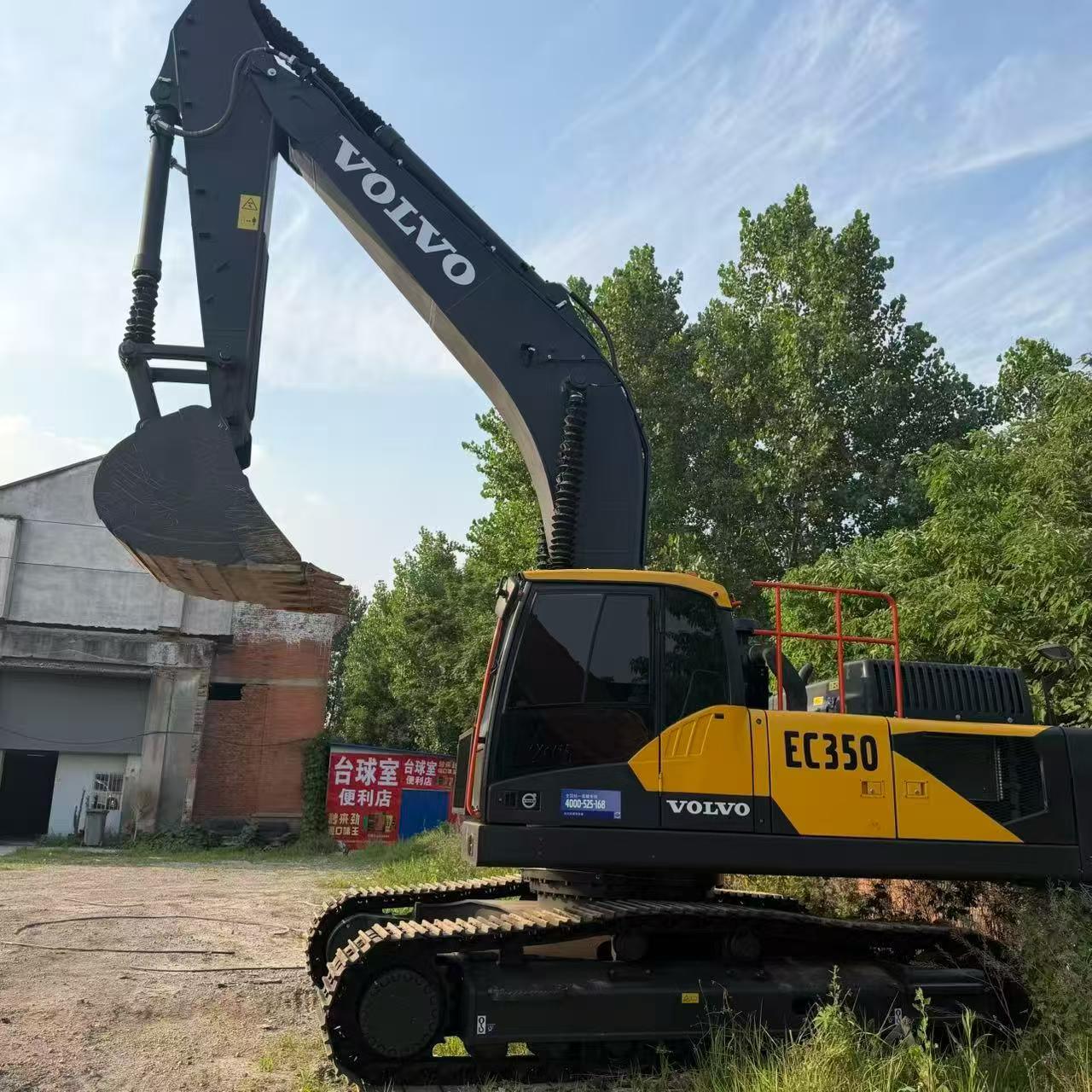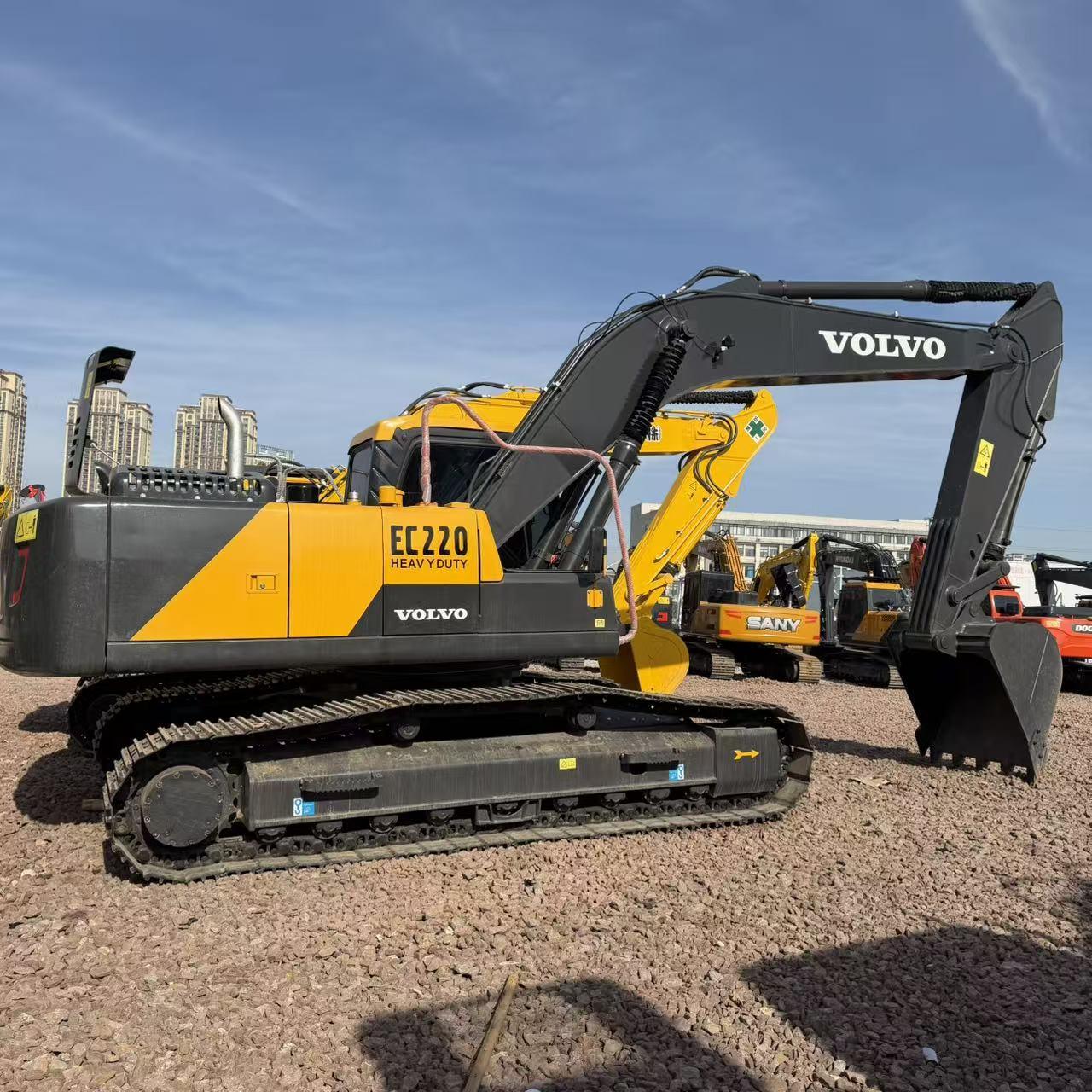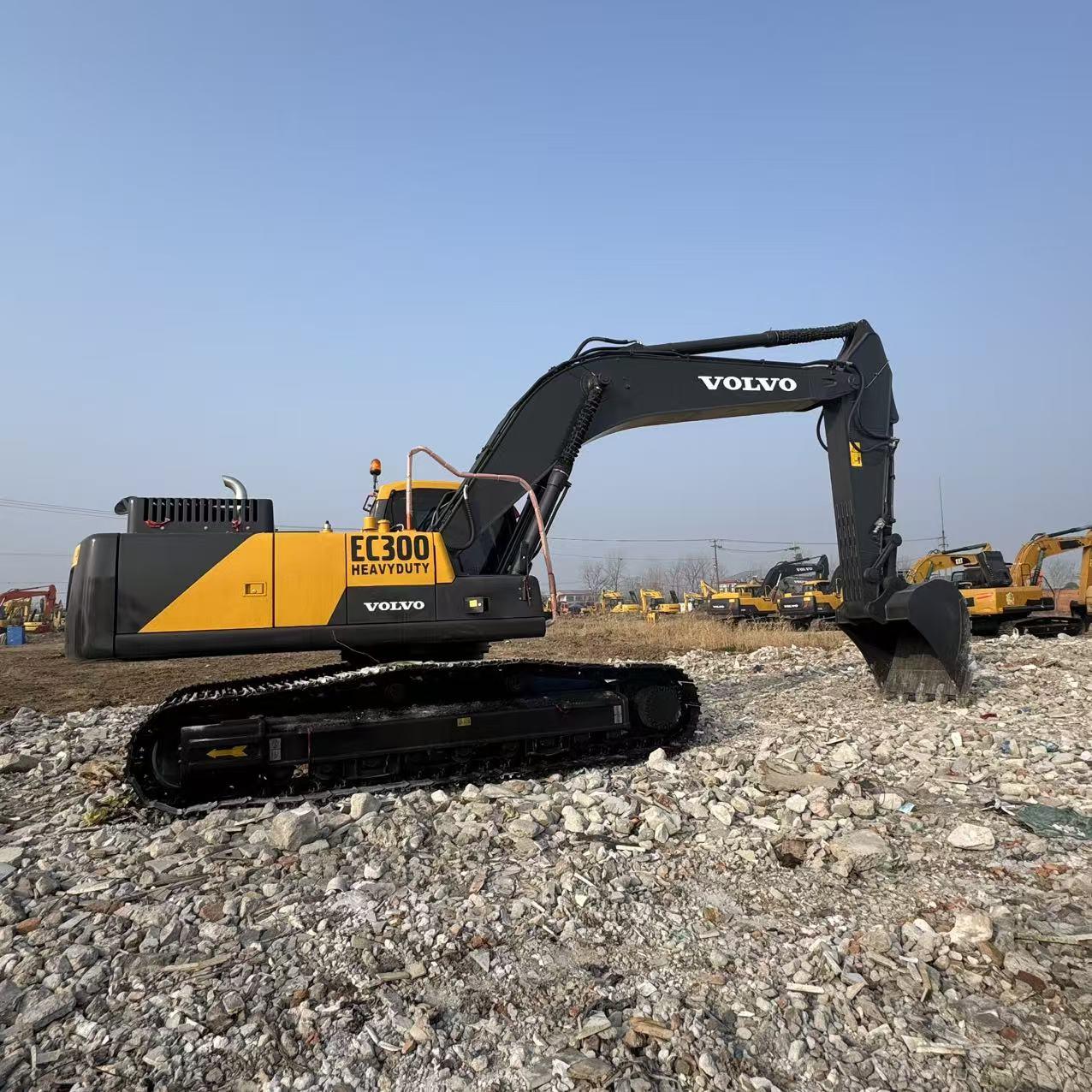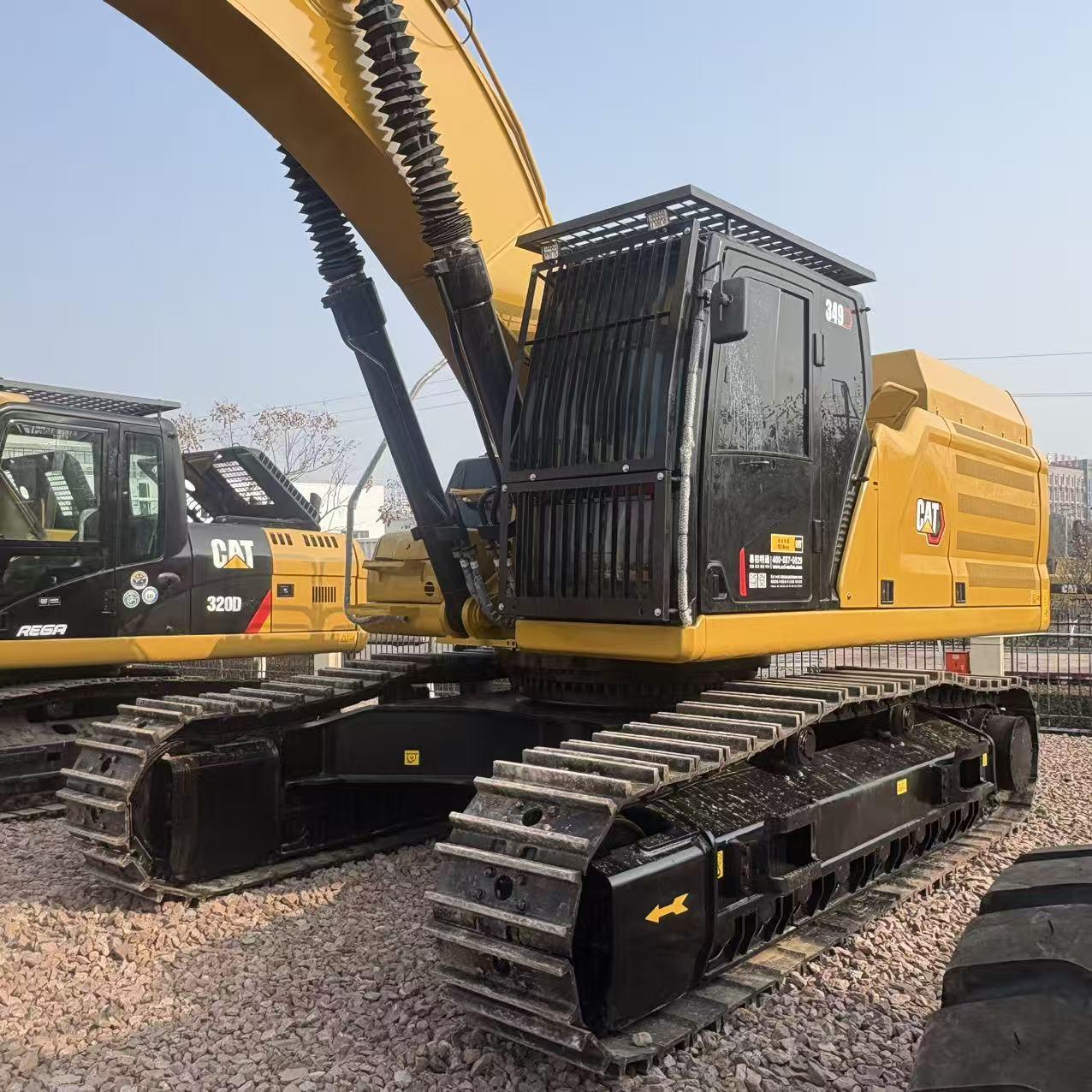
Purchasing a used excavator can be a smart investment for your construction or earthmoving business—provided you know exactly what you’re getting. One of the most critical factors that determines a machine’s true value and remaining lifespan is its actual working hours. Unfortunately, hour meters can be tampered with, and paperwork may not always tell the full story. In this comprehensive guide, we’ll walk you through five professional methods to verify the real operating hours of a used excavator before you hand over your hard‑earned money.

1. Inspect the Physical Hour Meter and Its Mounting
The most obvious place to start is the machine’s hour meter itself. On modern used excavators, this is typically an electronic digital display on the dashboard. On older models, you might find an analog gauge. While checking the number displayed is the first step, it’s far from foolproof. Here’s what to look for beyond the digits:
- Signs of tampering: Look for scratches, mismatched screw heads, or evidence that the meter has been removed and reinstalled. On digital displays, check if the screen or surrounding panel shows signs of forced entry.
- Consistency with the machine’s age: A 10‑year‑old used excavator showing only 2,000 hours is theoretically possible (about 200 hours per year), but it should raise a red flag. Compare the hours with the general wear and tear you observe on the undercarriage, pins, and hydraulic components.
- Operational check: Start the engine and let it idle. The hour meter should increment in real time. If it doesn’t move, or if it jumps erratically, the meter may be disconnected or faulty.
Remember: the hour meter is just a starting point. Alone, it’s not reliable proof of true hours, which is why you need to combine this with the following methods.
2. Analyze Maintenance Records and Service History
A well‑maintained used excavator usually comes with a paper trail. Request all available service records from the seller, including:
- Regular service intervals: Look for entries every 250, 500, or 1,000 hours. If the records show consistent oil changes, filter replacements, and hydraulic fluid checks, they will likely list the hour reading at the time of service. These readings can be cross‑referenced with the current meter.
- Major component replacements: Records of engine overhauls, pump repairs, or undercarriage work often include the hour reading when the work was done. This can help you build a timeline.
- Ownership history: If the machine has changed hands multiple times, try to obtain service records from previous owners. Gaps in documentation may indicate periods where hours were not properly tracked.
Be cautious: documents can be forged. Look for consistent handwriting, logos from reputable dealers, and contact information you can verify. A phone call to the listed service center can confirm whether the work was actually performed.
3. Perform a Detailed Visual Inspection of Wear Components
Experienced equipment buyers know that a used excavator’s physical condition often tells a more accurate story than any meter. By examining key wear areas, you can estimate whether the hours align with the meter’s reading.
Undercarriage
- Track chain sag: Measure the sag between the carrier roller and the sprocket. Excessive sag indicates worn chains.
- Rollers and idlers: Check for flat spots, leaks, or play. Worn components suggest high hours or poor maintenance.
- Sprocket teeth: Look for hooking or sharpening of the teeth. If they are severely worn, the machine likely has seen many hours.
Hydraulic System
- Hoses and fittings: Cracks, bulges, or leaks indicate age and usage. Original hoses on a high‑hour machine will often show weathering.
- Cylinder rods: Look for pitting, scoring, or chrome wear. Smooth, shiny rods suggest moderate use; heavy scratching points to extensive operation.
- Pump and valve body: Check for oil seepage around seals. Excessive leaks can be a sign of high hours.
Engine Compartment
- Belts and hoses: Cracks, glazing, or soft spots indicate age. If these appear new, the seller may have replaced them to hide wear.
- Radiator and cooling fins: Clogged or corroded fins suggest the machine has worked in dusty environments for many hours.
- Exhaust system: Rust and soot buildup can give clues about operating conditions and hours.
If the meter reads 5,000 hours but the undercarriage looks like it has 10,000 hours of wear, you have a clear discrepancy.
4. Use Diagnostic Software and On‑Board Computers
Modern used excavators (typically those manufactured after the early 2000s) are equipped with electronic control modules (ECMs) that store operating data. This data is far harder to tamper with than a simple hour meter. Here’s how to leverage it:
- Connect a diagnostic tool: Dealers or independent service technicians can plug into the machine’s diagnostic port and read the true engine hours, often stored in multiple locations within the ECM.
- Check for error codes: The system may also record fault codes with time stamps, which can help verify when certain issues occurred.
- Look for “hidden” hour meters: Some excavators have separate hour counters for the engine, hydraulic pump, and PTO. If these numbers don’t match, tampering may have occurred.
If you’re not comfortable doing this yourself, hire a qualified technician to perform a pre‑purchase inspection. The cost is minimal compared to the risk of buying a misrepresented machine.
5. Consult the Dealer or Manufacturer’s Database
For major brands like Caterpillar, Komatsu, Volvo, and Hitachi, dealers often maintain service databases that track machine hours whenever the unit is brought in for repairs or maintenance. If the used excavator you’re considering was regularly serviced by an authorized dealer, you may be able to obtain a history report.
- Request a dealer service record: Provide the machine’s serial number to a local dealer. They can often print a list of all recorded hours from past visits.
- Check for software updates: Some manufacturers offer online portals where owners can register and view machine data. If the seller is the original owner, ask for login credentials.
- Verify emissions and safety recalls: Dealer records may also show if the machine was updated with new software or components, which can indirectly confirm usage periods.
Be aware that if the machine was never serviced by a dealer, this option may not yield results. Still, it’s one of the most trustworthy verification methods when available.
Conclusion: Combine All Methods for a Reliable Verdict
No single check can guarantee the true working hours of a used excavator. Dishonest sellers have become sophisticated in tampering with meters and falsifying documents. However, by combining a physical inspection of the hour meter, a thorough review of service records, a detailed wear‑component analysis, diagnostic software interrogation, and dealer database checks, you can build a solid picture of the machine’s real history.
Remember these key takeaways:
- Always be skeptical of unusually low hours for the machine’s age.
- Pay more attention to overall condition than to the meter alone.
- Invest in a professional inspection if you lack the expertise.
- Trust reputable sellers who provide transparent documentation.
Buying a used excavator is a significant investment. Taking the time to verify working hours properly will save you from costly repairs and downtime down the road.
Why Choose Taihong Machinery for Your Next Used Excavator?
At Taihong Machinery, we understand that trust is the foundation of every successful equipment transaction. That’s why every used excavator in our inventory comes with verified working hours, complete service records, and a detailed inspection report. Our team of experienced technicians uses diagnostic software and physical inspections to ensure that the hours you see are the hours the machine has truly worked.
Specializing in high-quality used excavators from top brands like Doosan, Hyundai, Volvo, and Caterpillar, we offer:
- Transparent history: Full maintenance records and hour verification.
- Rigorous inspection: Multi‑point checks on undercarriage, hydraulics, and engine.
- Global shipping: Reliable export services to customers worldwide.
Whether you’re looking for a 22‑ton Doosan or a 48‑ton Volvo, Taihong Machinery is your trusted partner for quality used equipment. [Contact us today] to explore our current stock and request a verified hour report for any machine you’re interested in.