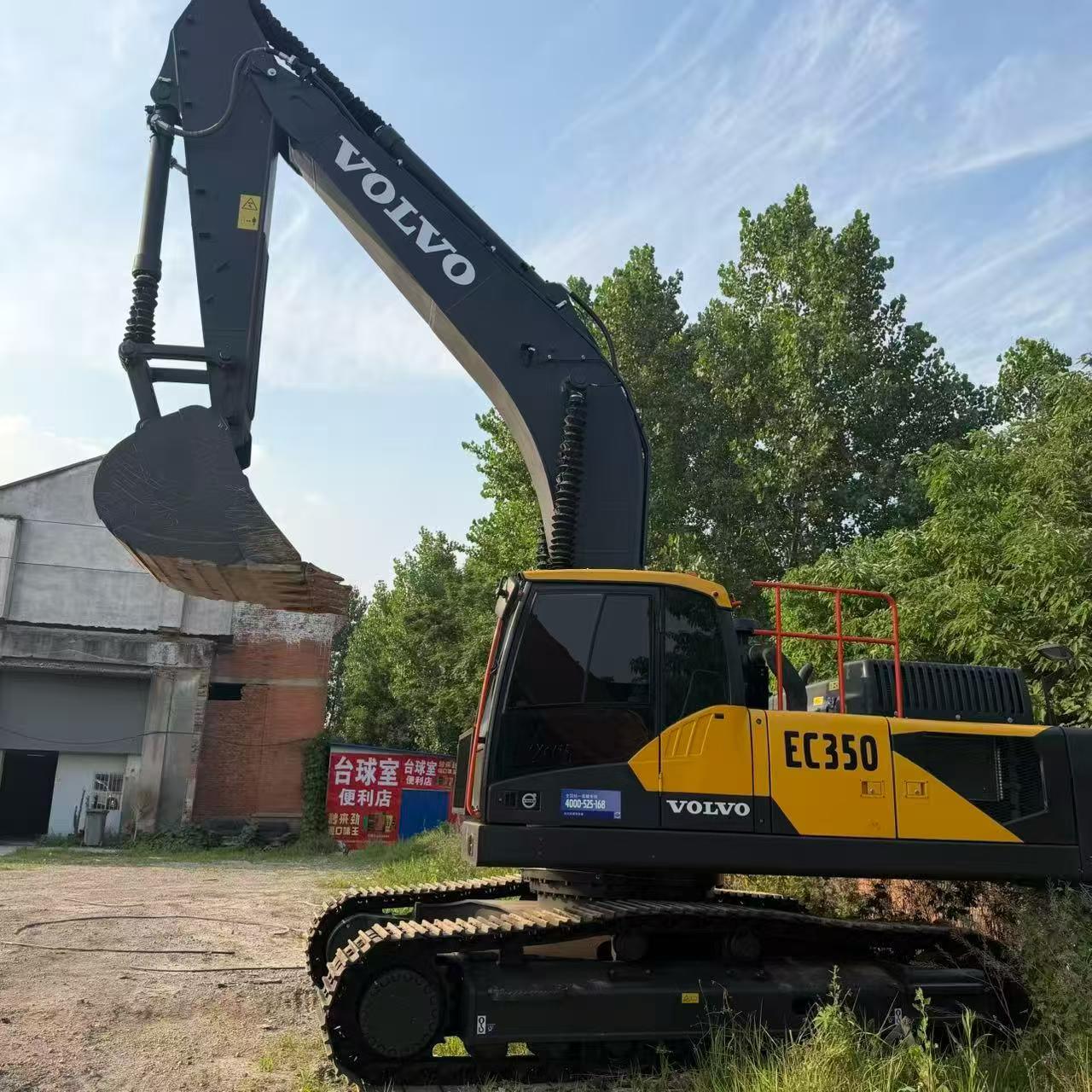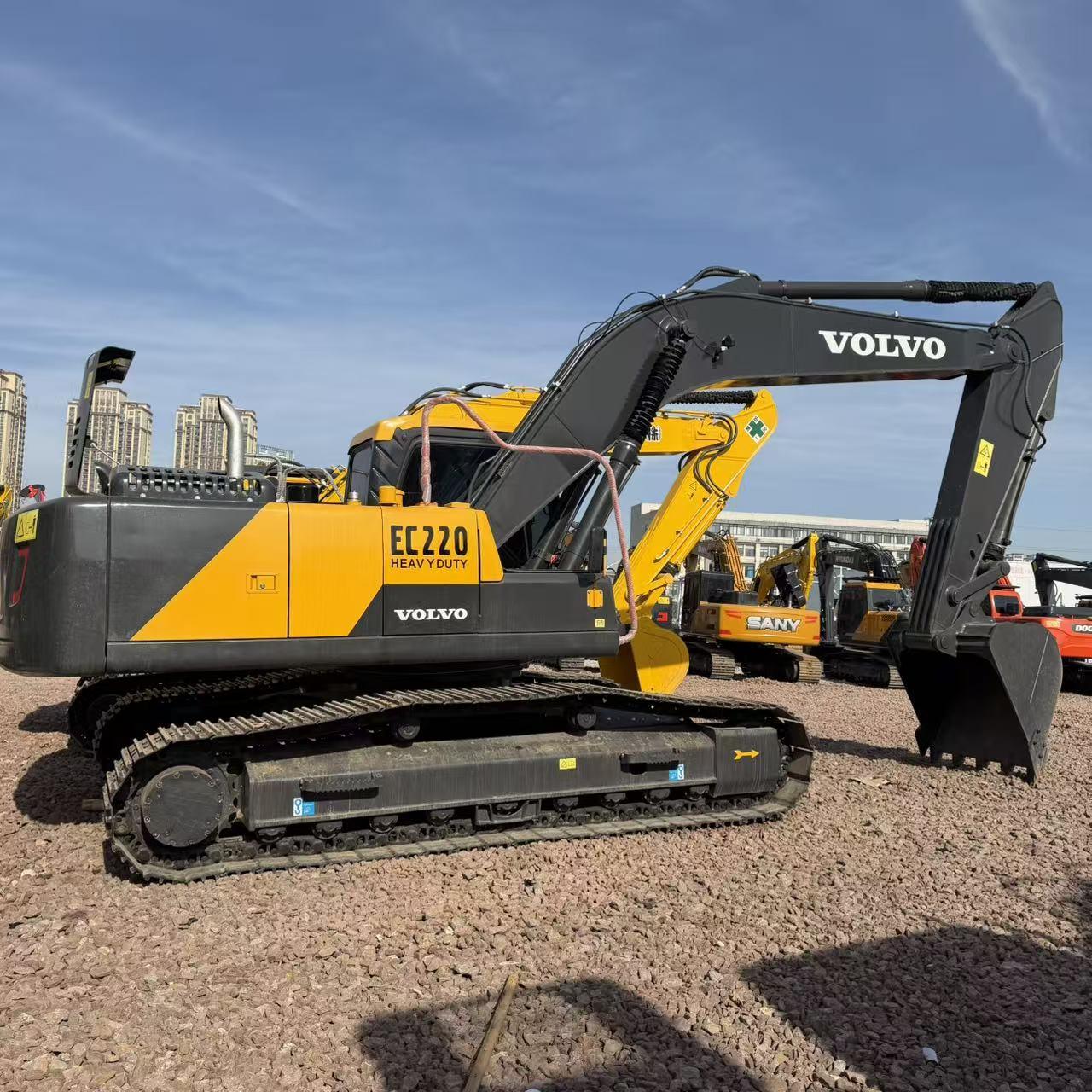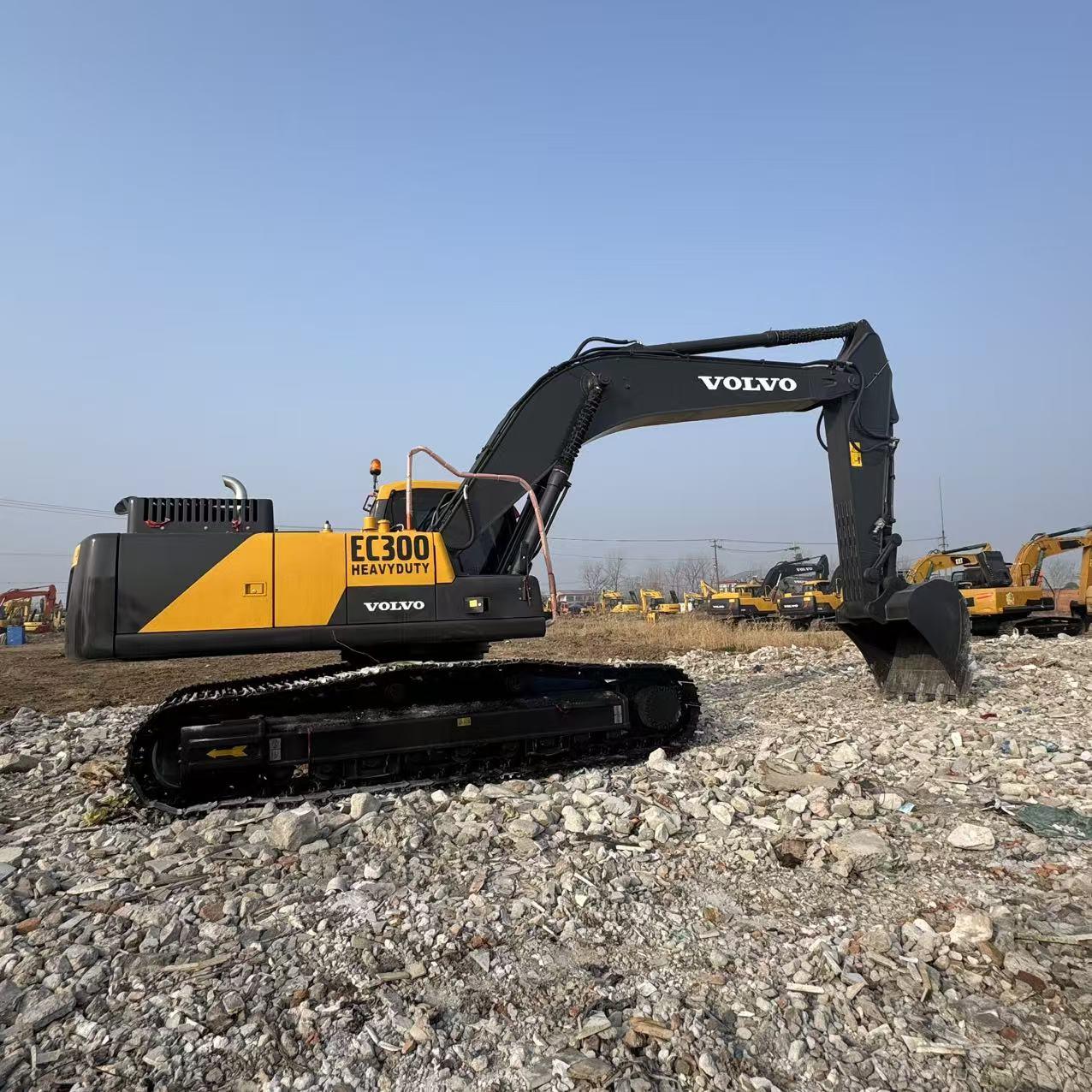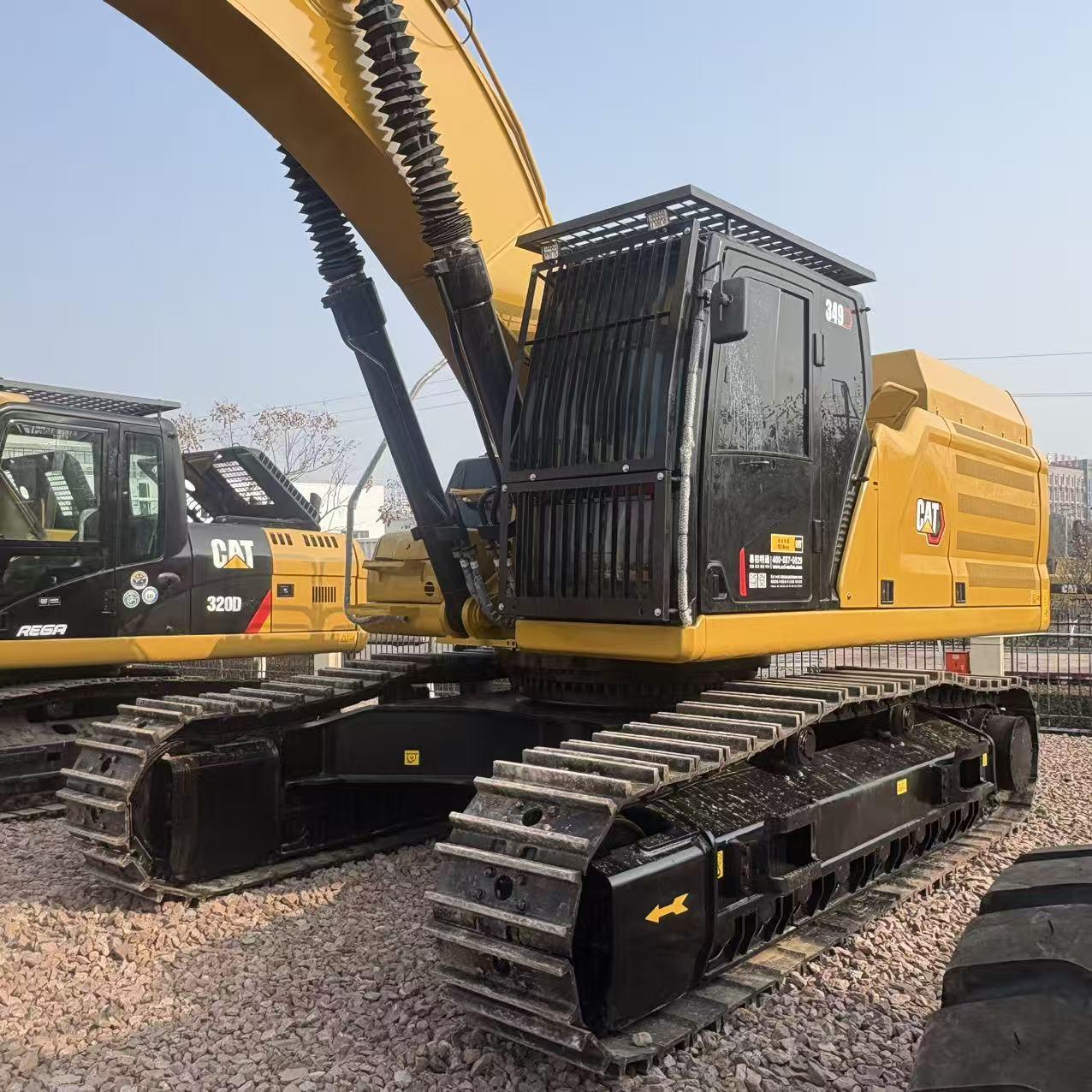
When shopping for a used excavator, the machine’s appearance can be deceiving. A fresh coat of paint might hide a multitude of sins—from prior accidents and extensive corrosion to poor repair work. For buyers who want a machine that will deliver reliable performance for years, distinguishing between original paint and a repainted finish is a critical skill. In fact, industry data suggests that over 30% of used heavy equipment sold in some markets has been cosmetically altered to hide flaws. In this comprehensive guide, we’ll walk you through five definitive signs to help you spot the difference and make an informed investment.
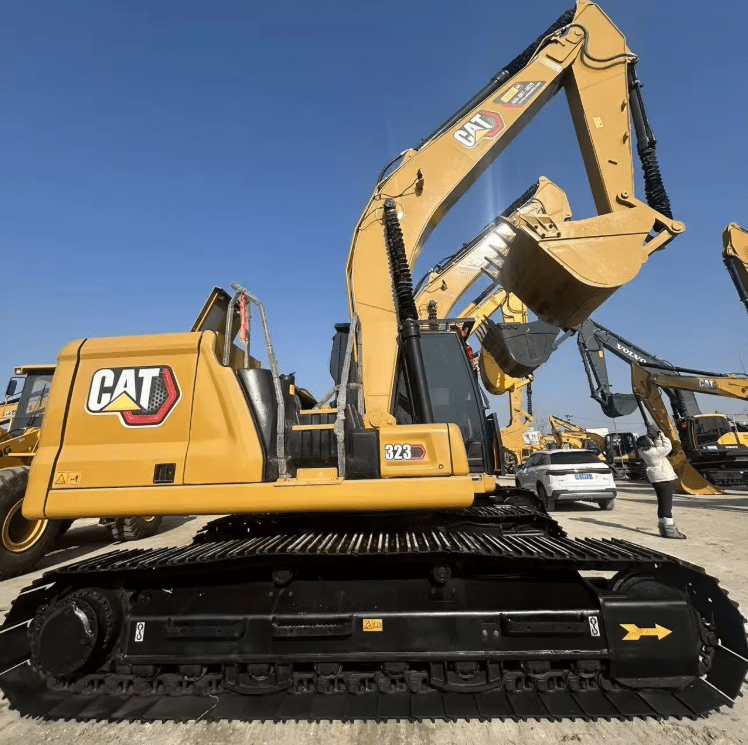
Sign 1: Check for Overspray on Non-Painted Components
One of the most telltale signs of a repainted used excavator is the presence of overspray on parts that are typically left unpainted. When a machine is factory-finished, painters use precision masks to protect components like hydraulic hoses, decals, glass, and rubber seals. Aftermarket repaints are often done hastily, leading to telltale evidence:
- Hydraulic hoses and fittings: Look closely at rubber hoses and metal fittings. If you see specks of paint on them, the machine has likely been repainted. Factory painting occurs before these components are installed, so they should remain clean.
- Glass and windows: Run your fingers along the edges of windows. Paint residue on rubber gaskets or glass surfaces is a clear red flag.
- Decals and emblems: Original paint jobs have decals applied over the paint, with no paint bleeding underneath. If you notice paint edges around decals, or if decals feel raised and uneven, the machine may have been painted after the decals were removed and reapplied poorly.
- Electrical wiring: Inspect wiring harnesses in the engine compartment. Paint on electrical tape or connectors indicates a rushed repaint job.
Industry insight: In factory painting processes, robotic sprayers achieve 98% precision in coating application, leaving adjacent components untouched. By contrast, field repaints typically achieve only 60-70% accuracy, resulting in visible overspray.
Sign 2: Examine Paint Thickness and Orange Peel Texture
Professional painters and equipment inspectors often use a paint thickness gauge to measure coating depth. While you may not have a gauge handy during an initial walk-around, you can still train your eye to spot inconsistencies:
- Paint thickness variation: Factory paint on a used excavator is applied in controlled layers, typically resulting in a uniform thickness of 3-5 mils (thousandths of an inch). Repaints often have thicker, uneven coats that may hide surface imperfections. Look for drips, runs, or areas where paint appears to pool—especially around corners and edges.
- Orange peel texture: Factory finishes usually have a smooth, consistent surface. Repaints, particularly those done with spray cans or low-quality equipment, often exhibit an “orange peel” texture—a bumpy surface resembling the skin of an orange. This occurs when paint particles don’t level properly before drying.
- Gloss inconsistency: Walk around the machine and view it from different angles. If certain panels reflect light differently, they may have been repainted at different times or with mismatched paint batches.
Pro tip: Shine a flashlight at a low angle across flat surfaces. This technique highlights texture variations and can reveal areas that have been sanded or repainted.
Sign 3: Inspect for Masking Lines and Tape Marks
When a machine is repainted, painters often use masking tape to protect certain areas. Even after careful removal, tape lines can leave subtle evidence:
- Sharp color transitions: On factory-painted machines, color transitions (such as between the main body and the chassis) are often soft or naturally blended. Repaints may show unnaturally sharp lines where tape was applied.
- Tape residue: Look for sticky residue along edges where tape was removed. This is especially common around windows, access panels, and hydraulic components.
- Lifted paint edges: Over time, paint that was applied over tape lines may begin to peel or lift at the edges. Run your fingernail gently along panel edges—if you feel a raised ridge or see flaking, the area has likely been repainted.
Case study: In a 2023 inspection study of 150 used excavators at a major European auction house, 67% of machines with visible tape residue had undisclosed structural repairs or corrosion hidden beneath the new paint.
Sign 4: Look for Mismatched Paint Codes and Fading
Heavy equipment manufacturers use specific paint formulations for each model and year. Over time, original paint fades uniformly across the machine. Repainted sections often betray themselves through color mismatches:
- Check the paint code: Most manufacturers place a paint code label somewhere on the machine—often inside the engine compartment or on the frame rail. Compare this code with the visible paint. If the seller claims the paint is original but the color doesn’t match the code, you have a discrepancy.
- Sun fading patterns: Original paint fades evenly over years of sun exposure. Look underneath components (like the underside of the boom or behind the counterweight). If these hidden areas are significantly brighter or darker than exposed surfaces, the machine may have been spot-repainted.
- Metallic flake alignment: Some excavators feature metallic or clear-coated finishes. Under sunlight, metallic flakes in original paint align uniformly. Repaints often have randomly oriented flakes, creating a “sparkly” or uneven appearance.
Data point: Factory paint on heavy equipment typically retains 85-90% of its original gloss after five years of normal use, assuming no harsh environmental exposure. Repaints often lose 30-40% of gloss within the first two years due to inferior paint quality and application.
Sign 5: Scrutinize Wear Areas and Component Age
Paint doesn’t just beautify—it protects. On a genuinely original used excavator, wear patterns tell a consistent story:
- High-contact areas: Check steps, handrails, and grab handles. On a machine with original paint, these areas will show wear—paint may be worn down to bare metal from thousands of operator contacts. If these areas look freshly painted while the rest of the machine appears aged, be suspicious.
- Boom and arm: Look inside the boom pivot points and along the underside of the arm. These areas are prone to scratches from digging and debris. Original paint here should show consistent wear. Fresh paint in these hidden spots often indicates repairs after an accident or structural failure.
- Hardware and fasteners: Bolts, nuts, and washers on a factory machine are typically installed before painting, so they should be painted the same color as surrounding surfaces. If you see unpainted bolts against painted surfaces, the components may have been removed and reinstalled after a repaint.
- Serial number plates: Most manufacturers attach serial number plates with rivets or adhesive. On a repainted machine, these plates may show paint overspray on their edges, or they may appear newer than the surrounding metal.
Expert observation: A well-maintained used excavator with original paint will show “character marks”—consistent, honest wear that tells the machine’s history. A repainted machine often tries to hide history, resulting in a “too perfect” appearance that doesn’t match the component ages.
Conclusion: Trust Your Eyes—and Your Instincts
Learning to distinguish original paint from repaint on a used excavator is a skill that can save you thousands of dollars in unexpected repairs and depreciation. While a repainted machine isn’t automatically a bad purchase—some sellers repaint simply to refresh appearance—it’s crucial to understand why the paint was applied. Was it to hide accident damage? Corrosion? Hours of hard use?
By applying these five signs—checking for overspray, measuring paint texture, inspecting masking lines, verifying color matching, and scrutinizing wear areas—you arm yourself with the knowledge to ask better questions and negotiate from a position of strength.
Remember these key takeaways:
- 80% of repainted machines in a recent industry survey had at least one undisclosed prior repair.
- Always request maintenance records and, if possible, a paint thickness measurement from an independent inspector.
- When in doubt, walk away. There’s always another used excavator available.
Why Choose Taihong Machinery for Your Next Used Excavator?
At Taihong Machinery, we believe that transparency is the cornerstone of trust. That’s why every used excavator in our inventory undergoes a rigorous 48-point inspection—including a detailed paint analysis conducted by our certified technicians. We document original paint condition, note any touch-ups, and provide full disclosure so you know exactly what you’re buying.
Specializing in high-quality used excavators from world-leading brands like Doosan, Hyundai, Volvo, and Caterpillar, we offer:
- Verified history: Complete service records and hour meter certification.
- Paint integrity reports: Detailed documentation of original vs. repainted areas.
- Global logistics: Reliable shipping and export support to customers worldwide.
Whether you’re searching for a compact 22-ton Doosan or a heavy-duty 50-ton Volvo, Taihong Machinery delivers quality you can see—and trust. [Browse our current inventory] or [contact our team] today to schedule a virtual inspection and request a comprehensive paint analysis for any machine you’re interested in. Your next great investment is just a click away.