

您在这里:
- Home
- PRODUCT
- Excavator
- Caterpillar
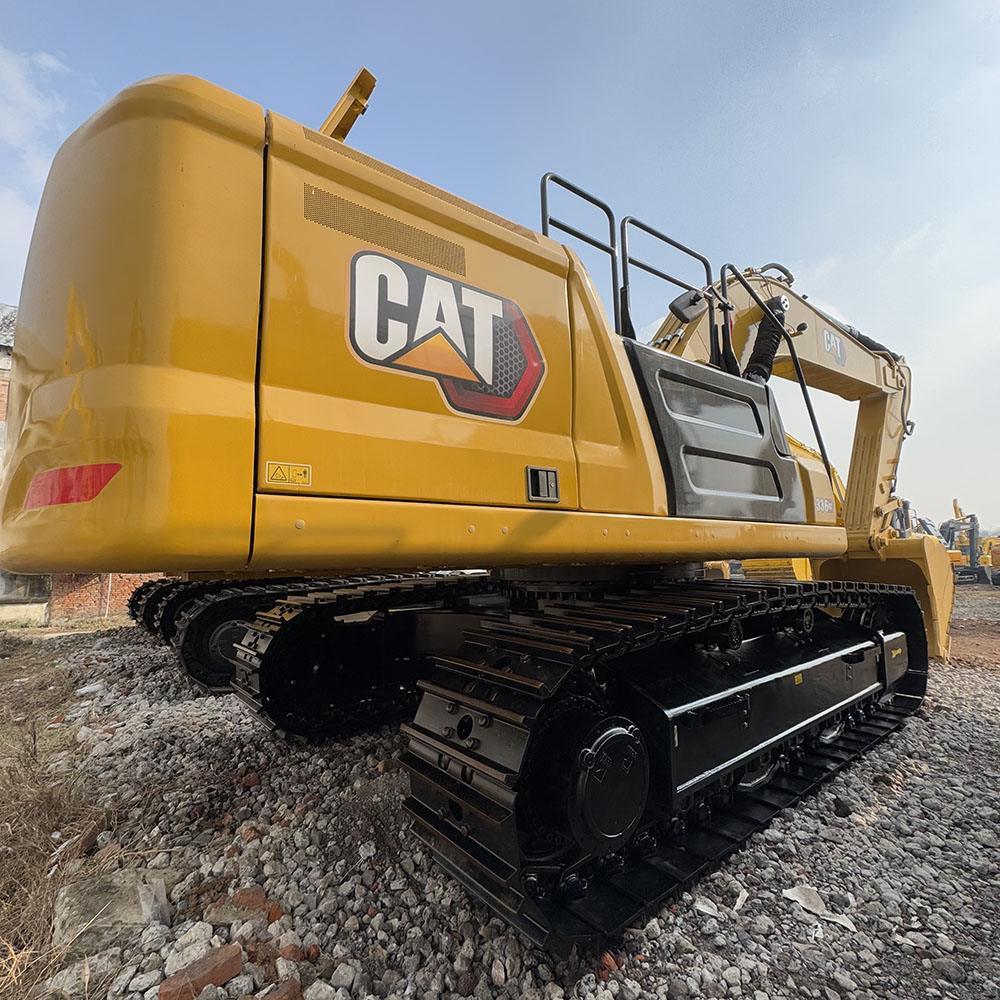
- 2024 Caterpillar 336GC Used Excavator 35 Ton Crawl…
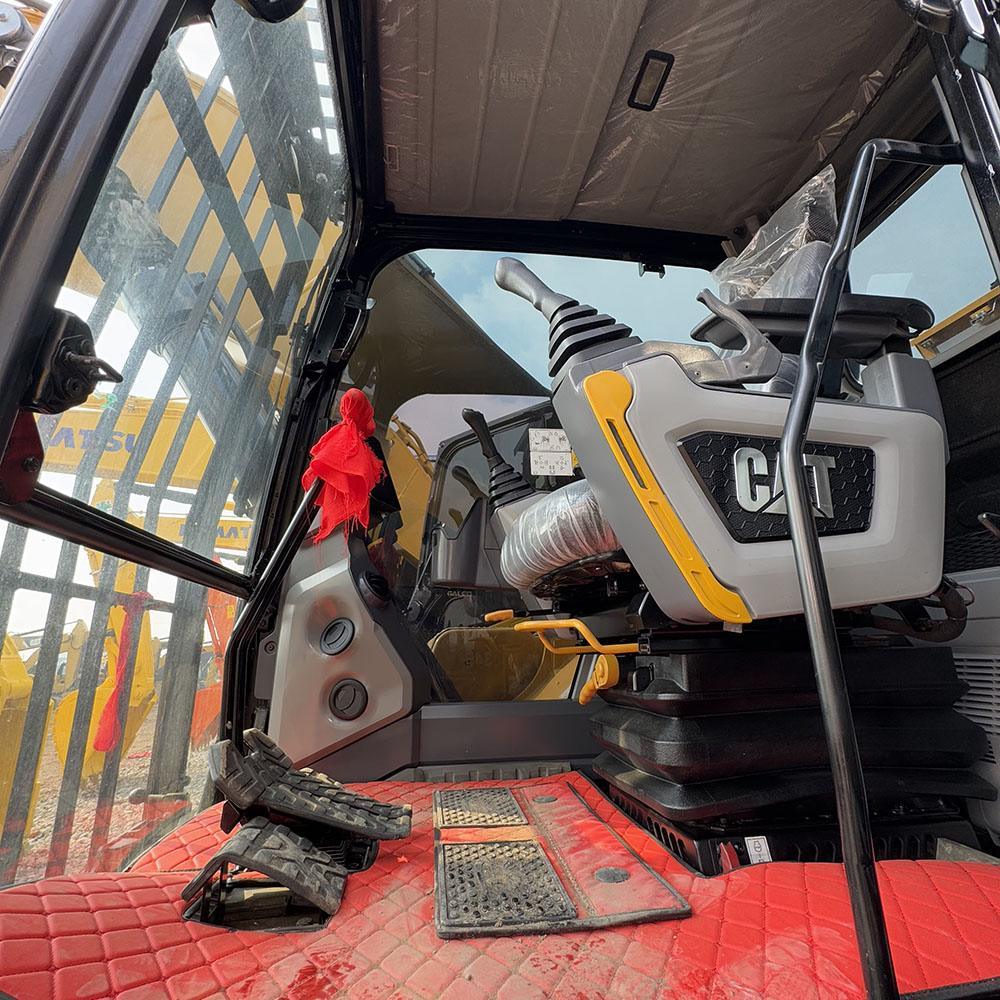
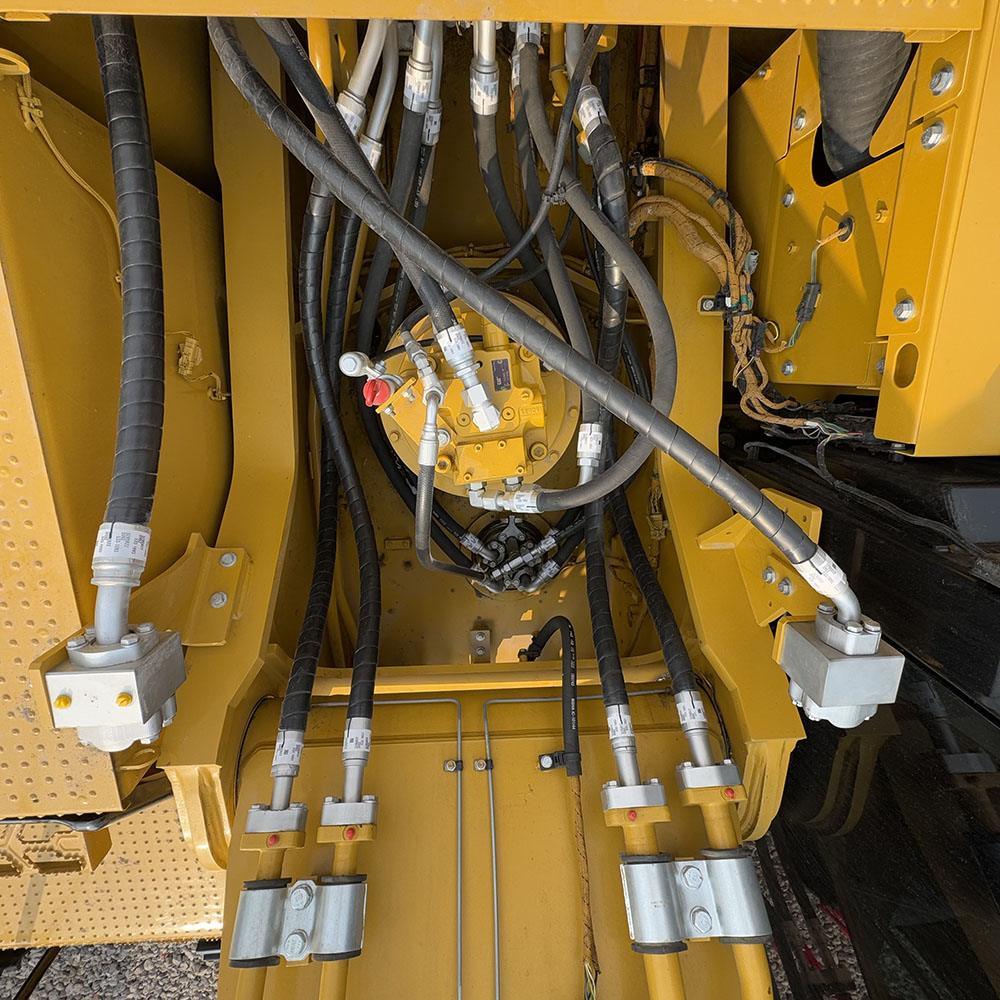
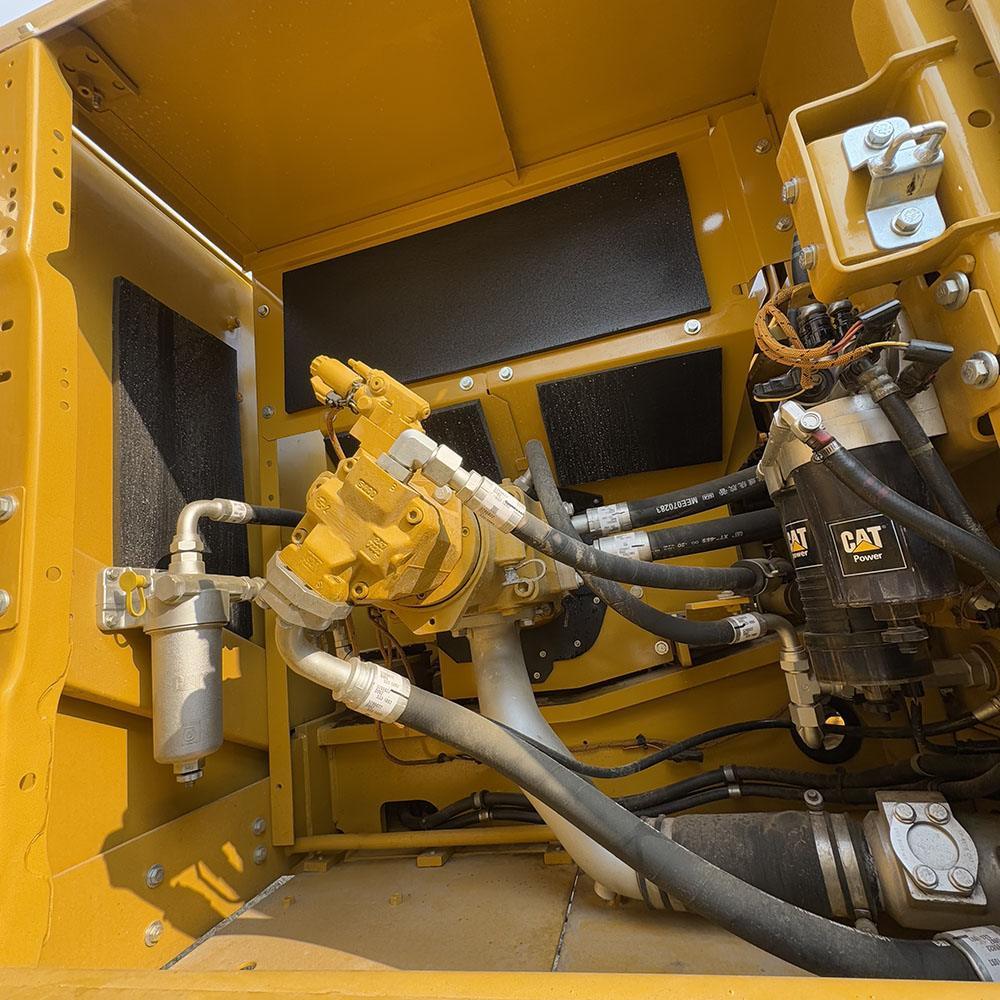
2024 Caterpillar 336GC Used Excavator 35 Ton Crawler for Sale
1-2 Unit$91,980
>=3 Units$88,888
(Price is FOB . Contact WhatsApp for CIF price & shipping cost.)
Looking for a Used Excavator? This CAT 336GC Crawler Excavator delivers Next Gen performance. 2024, 35 Ton, low hours. Get a quote today.
| Brand | CAT, Caterpillar |
|---|---|
| Year | 2024 |
| Country of Origin | Japan |
| Working Hours | 300H |
| Model Number | 336GC |
Categories: Caterpillar, Excavator
Tags: CAT336GC, caterpillar excavator, crawler excavator, Hydraulic Excavator, large digger, large excavator, used digger, used excavator
Product Categories
Product Specifications
|
item
|
value
|
|
Operating Weight
|
36 ton
|
|
Bucket capacity
|
1.88m³
|
|
Engine Brand
|
Caterpillar
|
|
Power(W)
|
204kW
|
|
Working hours
|
0-2000
|
|
Place of Origin
|
Japan
|
|
Hydraulic Cylinder Brand
|
original
|
|
Hydraulic Pump Brand
|
original
|
|
Hydraulic Valve Brand
|
original
|
|
Brand Name
|
Caterpillar
|
|
Year
|
2024
|
|
Attachment
|
digging bucket, breaking hammer, spare teeth
|
|
Machine Weight
|
36500KG
|
|
Core Components
|
Pump
|
|
Product name
|
|
|
Type
|
Crawlerl Excavator
|
|
Keywords
|
Used Excavator Digger
|
|
Brand
|
Japan Brand CAT
|
|
Model
|
Medium
|
| +8619856520507 |
Product Pictures



Expert Inspection Report
The Caterpillar 336 stands as one of the most respected 35-ton class excavators in the heavy equipment industry. Across multiple generations—from the 336D and 336F to the current Next Gen 336 and 336 GC—this machine has earned a reputation for durability, power, and strong resale value. For contractors, quarry operators, and fleet managers evaluating a used 336, understanding the distinctions between generations, the real-world operating costs, and the known failure points is essential to making a sound investment.
Company Description
Taihongmachinery (TH Engineering Equipment Limited) is a premier global supplier specializing in the export of high-quality, pre-owned heavy construction equipment.
Our company sells Caterpillar,Komatsu,Sany,Doosan,Hyundai,Hitachi,Volvo,Kubota used excavators, used bulldozers, used loaders, used graders, used cranes, used rollers, etc. With a strategic focus on the international trade of used excavators, we have established ourselves as a cornerstone of reliability for clients across Southeast Asia, South Asia, the Middle East, Africa, and South America.
Shipping & Delivery Policy
At Taihong Machinery, we provide flexible global logistics solutions for all our used heavy machinery.
Shipping Method: We recommend working with professional international freight forwarders specializing in heavy equipment (RORO or Flat Rack container shipping).
Flexibility: We are happy to work with your preferred freight forwarder. If you do not have one, we can leverage our network of reliable, certified global logistics partners to provide competitive shipping quotes to your nearest port.
Preparation: All machines undergo professional cleaning and safety inspections prior to loading to ensure they meet international shipping regulations.
Documentation: We provide all necessary export documentation, including Bills of Lading, Packing Lists, and Commercial Invoices, to ensure smooth customs clearance at the destination.
Return & Refund Policy
We provide a detailed pre-shipment inspection report and live video call to confirm machine condition. Returns are generally not accepted, but if the machine does not match the inspection report, we will negotiate a resolution.
Inspection: We encourage all buyers to conduct a thorough inspection of the machine, either in person at our yard in China or via live video consultation with our technicians.
Pre-shipment Verification: Before the machine leaves our yard, we provide a full functional test report and live video proof of the engine, hydraulic, and structural condition. Once the buyer confirms the machine status and the machine is loaded for export, we do not accept returns.
Warranty: All equipment is sold in “as-is” condition. We are committed to transparency and will disclose all known technical details prior to purchase.
Support: Should any issues arise during the shipping process, we will provide full support in communicating with your insurance provider and the shipping line.
Success Cases


A:
Not all “336” machines are the same. The series includes several distinct variants, each with different engines, power outputs, and target applications:
| Model | Engine | Net Power | Operating Weight | Key Positioning |
|---|---|---|---|---|
| 336D / 336D2 | Cat C9 / C9.3 ACERT | ~200–226 kW (268–303 hp) | ~33,100–36,000 kg | Earlier generation, widely available on used market |
| 336F | Cat C9.3 ACERT | 226–228 kW (303–306 hp) | ~40,100 kg | Mid-generation, improved emissions and efficiency |
| 336 GC (Next Gen) | Cat C7.1 TTA | 195 kW (261–273 hp) | ~36,500 kg | Fuel-optimized for general construction |
| Next Gen 336 | Cat C9.3B | 223–232 kW (300–311 hp) | ~36,800 kg | Premium model, maximum productivity and technology |
The 336D and 336D2 offer the lowest entry price but carry higher operating costs and older emissions technology. The 336F represents a step up in efficiency and power. The Next Gen 336 (introduced 2018) brings significant advances in fuel economy, technology, and maintenance intervals, while the 336 GC prioritizes low cost per hour for general construction applications.
A:
For the current Next Gen 336, the core specifications are:
| Parameter | Value |
|---|---|
| Net power – ISO 9249 | 223.5 kW (300 hp) |
| Gross power – ISO 14396 | 225 kW (302 hp) |
| Operating weight | 36,800 kg (81,100 lb) |
| Max digging depth | 8,210 mm (26.1 ft) |
| Max reach at ground level | 11,730 mm (38.5 ft) |
| Bucket digging force – ISO | 210 kN (47,190 lbf) |
| Stick digging force – ISO | 144 kN (32,480 lbf) |
| Main hydraulic flow | 558–560 L/min |
| Fuel tank capacity | 600–620 L |
| Swing speed | 8.75 rpm |
For the 336 GC variant, the operating weight is approximately 36,500 kg, with net power of 195 kW (261 hp). Bucket digging force is 196 kN (44,090 lbf), and stick digging force is 128 kN (28,780 lbf).
The engine options also differ by region. In some markets, the 336 is offered with the C7.1 TTA engine (225 kW) for Tier 4 Final / Stage V compliance. In others, the C9.3B engine (232 kW) remains available for higher power demands.
A:
Fuel consumption is one of the most significant operating costs for any excavator. The 336 series has seen substantial improvements across generations:
-
336D / 336D2: Typical consumption of 19–25 L/h in standard conditions. Real-world heavy digging in rock or earthmoving pushes this to 30–36 L/h.
-
336F: Improved efficiency, with the Next Gen 336 delivering up to 15% higher fuel efficiency than the 336F in similar applications.
-
Next Gen 336 (C9.3B): The Smart Mode feature automatically matches engine and hydraulic power to digging conditions, providing maximum power when needed and reducing power when not required. Combined with a demand-based hydraulic fan system, the Next Gen 336 achieves up to 15% fuel savings compared to previous models.
-
336 GC: Equipped with a C7.1 engine and Smart Mode, the 336 GC is approximately 5% more fuel efficient than the 336F in similar applications.
Operating cost benchmarks: Industry data suggests hourly fuel costs of approximately $30 USD for the 336, with monthly fuel costs around $1,000. Monthly maintenance costs are estimated at $2,000–$3,000 depending on usage intensity.
A:
The CAT 336 is generally a robust machine, but several recurring issues have been documented by owners and technicians. Being aware of these can save thousands in unexpected repairs.
1. Hydraulic System Performance Degradation (High-Hour Machines). A documented case on a 336D with 16,000 hours described hydraulics becoming very slow after a few hours of operation, with performance returning after a 30-minute cool-down. The issue appeared when hydraulic oil temperature reached approximately 40°C. Potential causes include main pump wear, flow control solenoid valve issues, or controller problems.
2. Low Rail Pressure / Fuel System Issues. On 336 models with common rail fuel systems, low rail pressure during cranking is a known problem. One technician reported a machine achieving only 760 psi in the rail when 6,000 psi was required for proper starting. This can be caused by leaking injector seals, faulty pressure relief valves, or transfer pump failure. Using genuine Cat filters is critical—aftermarket filters often fail to maintain proper pressure.
3. Frequent Fuel Filter Restriction Events. Some 336 units with 9.3L engines experience fuel filter restriction codes every 150–200 hours. One owner reported that a missing center seal on the filter head during fuel/water separator replacement allowed unfiltered fuel to bypass the primary filter, prematurely clogging secondary filters.
4. Engine Power Loss. Potential causes include clogged air filters (replacement recommended every 500 hours), turbocharger air leaks (check bellows seal integrity), or injector solenoid valve failure requiring Cat ET diagnostic equipment.
5. Travel Deviation. Some owners report the machine pulling to one side during travel, often caused by a faulty travel motor or imbalance in the hydraulic circuit.
6. Undercarriage Wear. Track shoes, sprockets, rollers, and idlers are major wear items. Periodic undercarriage rebuilds can cost $8,000–$12,000 depending on conditions.
Long-term reliability note: One owner reported a CAT 336 running for nearly 15,000 hours with core components untouched, stating: “Attendance rate is our lifeline for making money, it holds up”. With proper maintenance, the 336 is capable of exceptional longevity.
A:
Maintaining a CAT 336 to 5,000 hours requires routine servicing, wear-part replacement, and potentially major component work. Below is a realistic cost breakdown:
| Maintenance Category | Typical Interval | Estimated Cost (USD) |
|---|---|---|
| Engine oil + filter changes | Every 500–1,000 hours | $200–350 per change |
| Fuel filters | Every 500–1,000 hours | $50–100 per change |
| Hydraulic oil + filter change | Every 3,000–5,000 hours | $1,500–2,500 |
| Air filter replacements | As needed (500–1,000 hours) | $150–300 |
| Undercarriage (tracks, sprockets, rollers) | Inspect at 5,000h; replace 5,000–8,000h | $8,000–12,000 |
| Bucket teeth / wear parts | Multiple replacements over 5,000h | $1,000–3,000 |
| Electronic control module (ECM) replacement | As needed | $3,000+ |
| Engine top-end overhaul | At 8,000–12,000h | $4,000–8,000 |
| Hydraulic pump rebuild | As needed (every 6,000–10,000h) | $3,000–6,000 |
| Labor (accumulated over 5,000h) | Variable by region | $3,000–8,000 |
Estimated 5,000-hour cumulative maintenance cost: $18,000–35,000 USD
Maintenance cost reduction (Next Gen models): The Next Gen 336 offers extended maintenance intervals compared to the 336F. Engine oil and fuel filters are synchronized for service at 1,000 hours, reducing downtime. Compared to the 336D2, maintenance costs are reduced by up to 15%, and compared to the 336F, up to 20%. The 336 GC features ground-level access for hydraulic oil checks and fuel system water draining, simplifying daily inspections.
You may also like
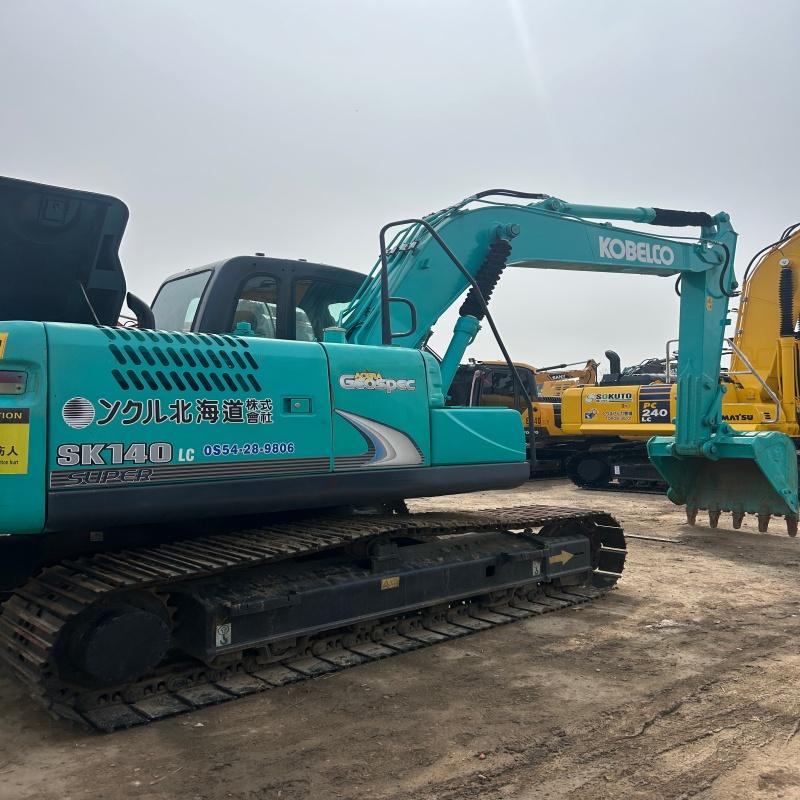
1-2 Unit$22,960
>=3 Units$21,800
(Price is FOB . Contact WhatsApp for CIF price & shipping cost.)

1-2 Unit$18,000
>=3 Units$17,000
(Price is FOB . Contact WhatsApp for CIF price & shipping cost.)

1-2 Unit$8,800
>=3 Units$8,570
(Price is FOB . Contact WhatsApp for CIF price & shipping cost.)
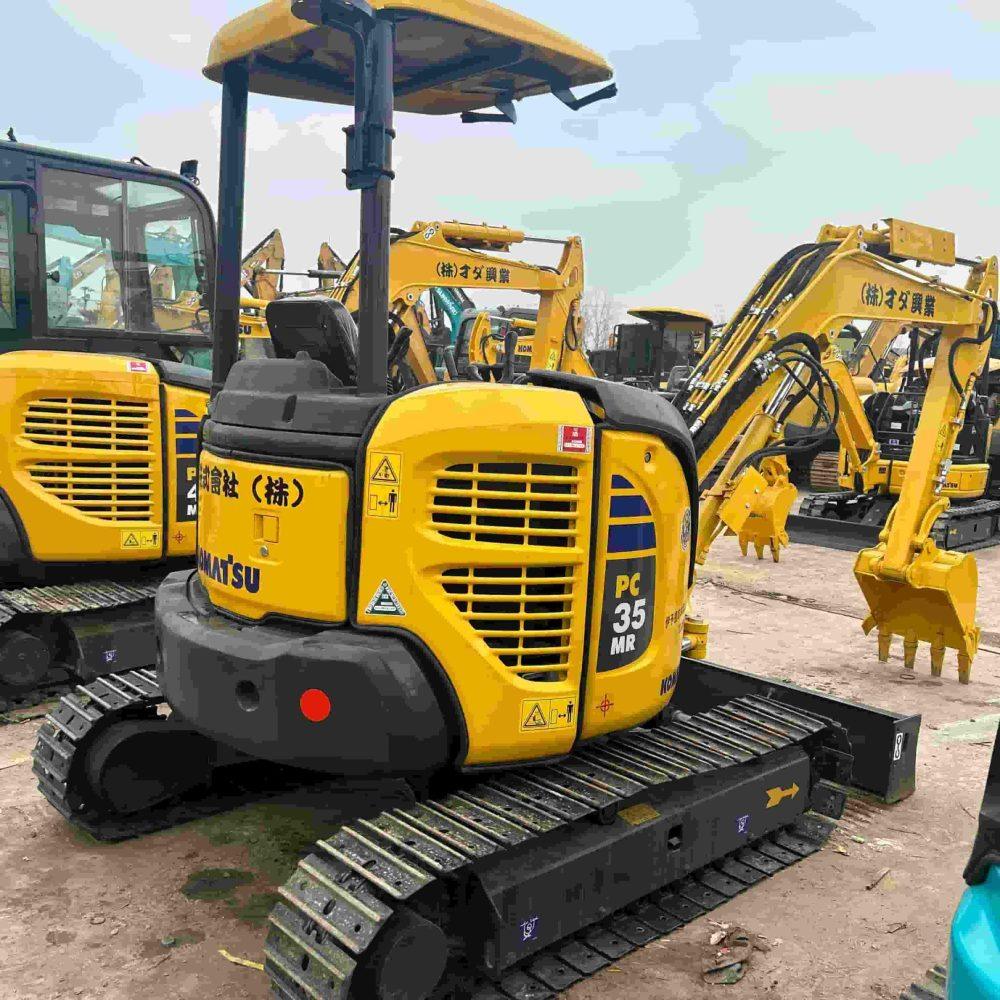
1-2 Unit$9,000
>=3 Units$8,000
(Price is FOB . Contact WhatsApp for CIF price & shipping cost.)

1-2 Unit$25,800
>=3 Units$24,600
(Price is FOB . Contact WhatsApp for CIF price & shipping cost.)

1-2 Unit$60,000
>=3 Units$58,000
(Price is FOB . Contact WhatsApp for CIF price & shipping cost.)
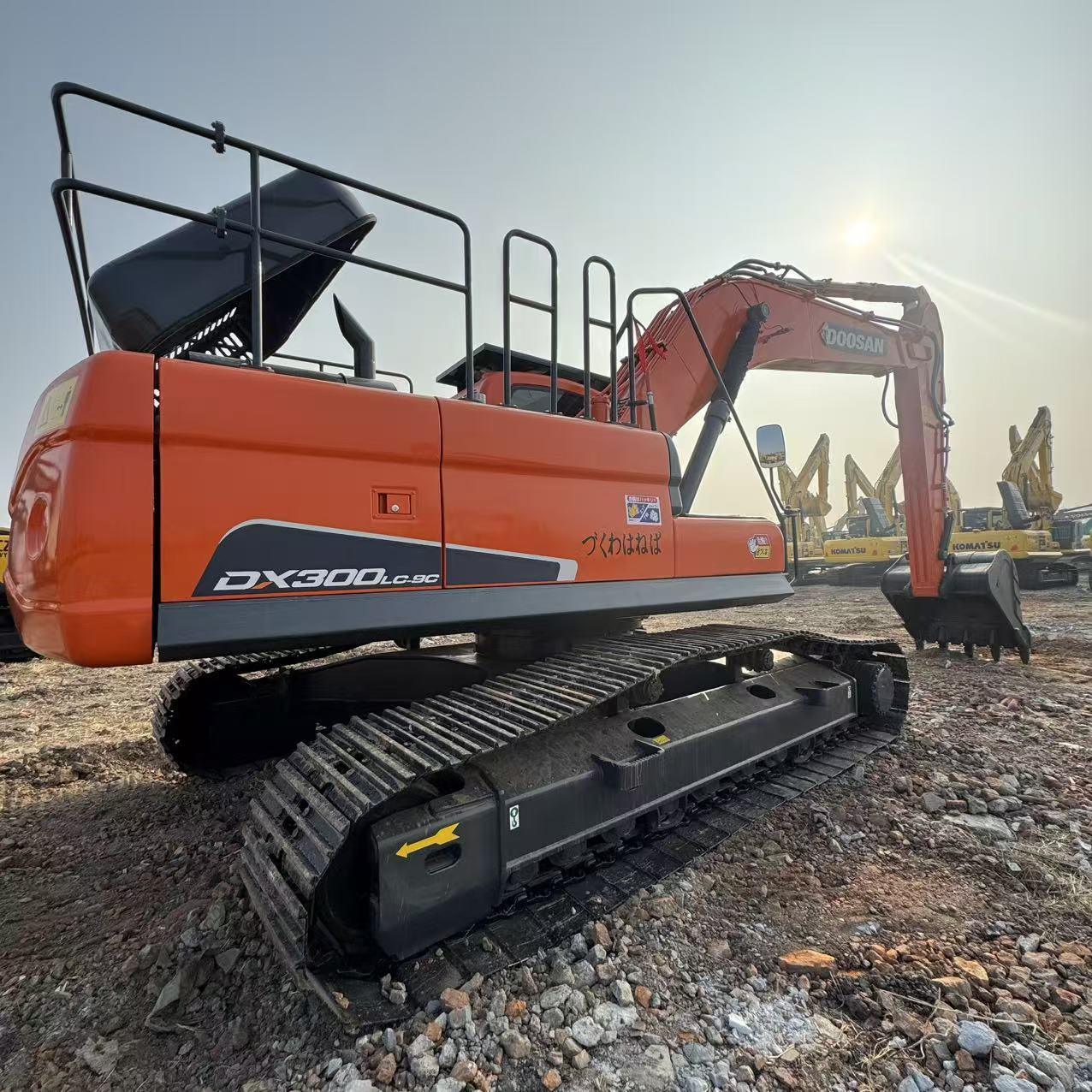
1-2 Unit$40,000
>=3 Units$35,000
(Price is FOB . Contact WhatsApp for CIF price & shipping cost.)
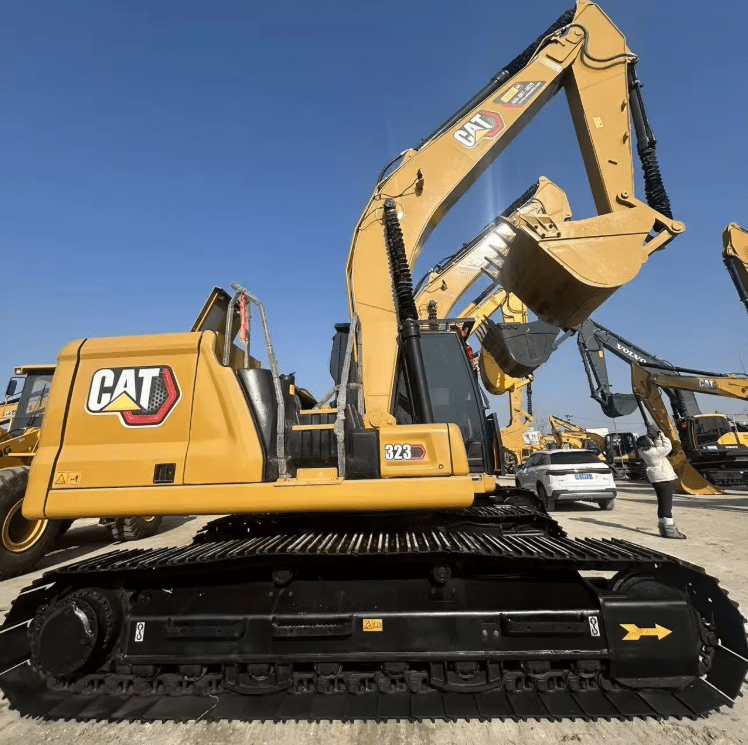
1-2 Unit$27,800
>=3 Units$24,800
(Price is FOB . Contact WhatsApp for CIF price & shipping cost.)