

SALE

Showing All 2 Results
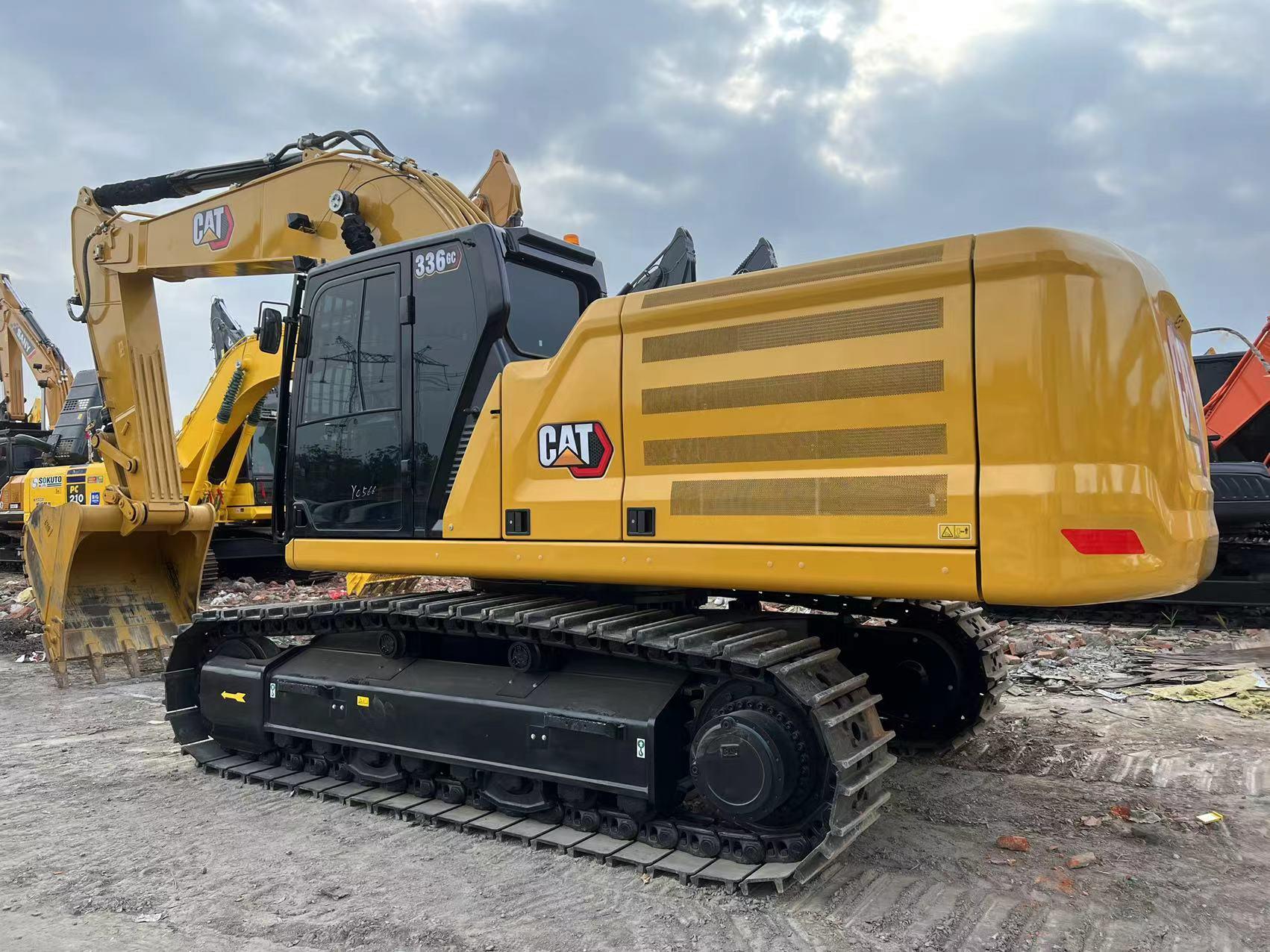
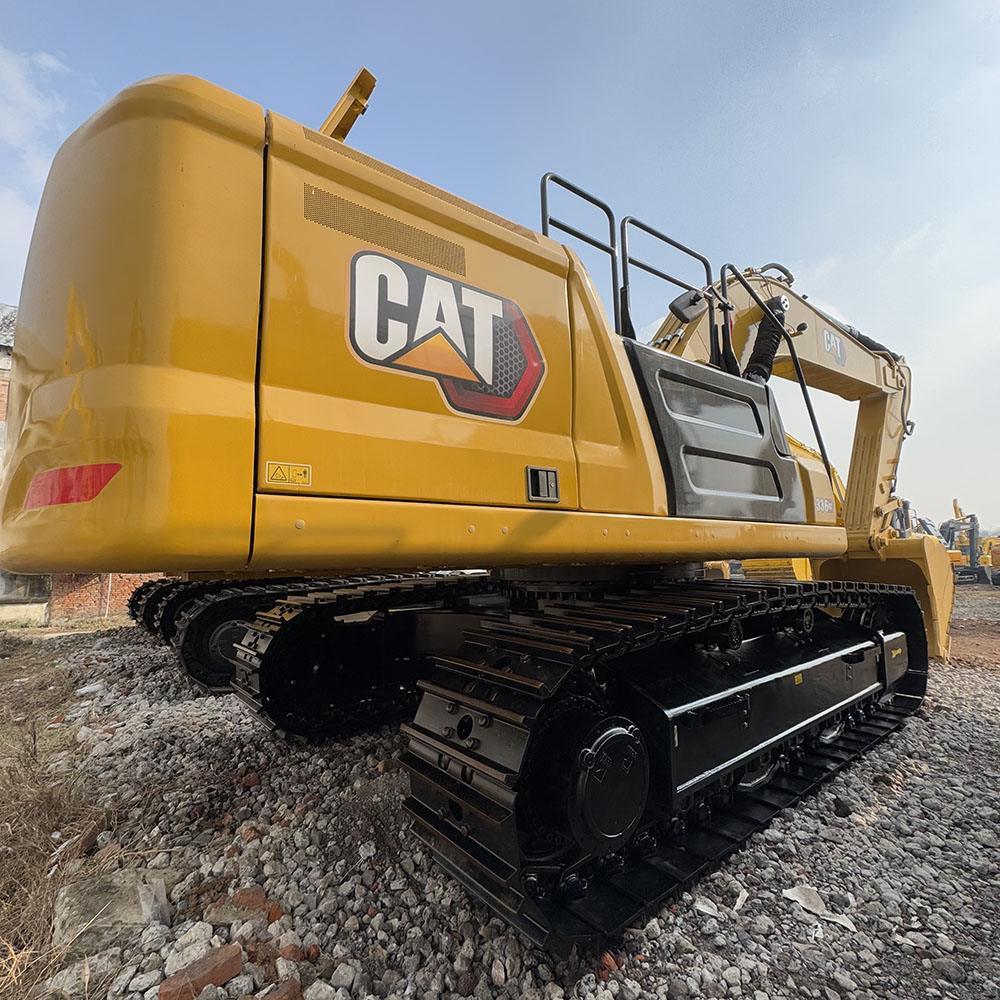
The Caterpillar 336GC was specifically engineered as a “cost-conscious” excavator, prioritizing fuel economy and lower operating costs without sacrificing productivity. According to official Caterpillar specifications, the 336GC delivers up to 5% better fuel efficiency compared to the previous-generation 336D2 in similar applications .
This fuel efficiency is achieved through several key technologies:
Smart Mode Technology: The excavator automatically matches engine and hydraulic power to digging conditions, providing maximum power when needed and reducing power when it isn’t, helping to save fuel .
Advanced Hydraulic System: The C7.1-powered unit uses an optimized hydraulic system that balances power delivery with efficiency, reducing parasitic losses.
Two Power Modes: Operators can select between Power and Smart modes, allowing job-specific optimization.
For used buyers, this means even a pre-owned 336GC will deliver better fuel economy than comparable older models like the 336D or 336D2. At typical fuel prices, a 5% efficiency gain translates to approximately $2,500–$3,500 in annual fuel savings for a machine working 2,000 hours per year.
Engine Specifications at a Glance:
Engine Model: Cat C7.1 (meets China Stage III / EPA Tier 3 equivalent)
Net Power: Approximately 194-206 kW (260-280 hp) depending on configuration
High-ambient capability: Operates up to 52°C (125°F)
Cold start capability: –18°C (0°F)
The 336GC was designed to reduce maintenance expenses, and official Cat documentation indicates up to 15% lower maintenance costs compared to the 336F over a 12,000-hour lifecycle . For used buyers, this translates to tangible savings.
Extended Service Intervals:
Hydraulic oil filter replacement: 3,000 hours (50% longer than previous designs)
Synchronized fuel filter changes: 1,000-hour intervals
Engine oil changes: Up to 1,000 hours using Cat genuine oil and S·O·S monitoring
Ground-Level Access:
Hydraulic system oil checks from ground level
Fuel system water draining from ground level
S·O·S ports located at ground level for easy fluid sampling
| Component | Cost Range | Notes |
|---|---|---|
| Routine service (filters, oil, greasing) | $4,000–$6,000 | Over 5,000-hour period |
| Undercarriage wear parts | $5,000–$8,000 | Dependent on operating conditions |
| Bucket teeth and wear parts | $2,000–$4,000 | Advansys tips last 30% longer |
| Major repairs (unexpected) | $8,000–$15,000 | Engine or hydraulic component issues |
For used units with 4,000–6,000 hours, buyers should budget for undercarriage inspection—a 2021 model with 6,496 hours showed track components with 4–7% wear, indicating significant remaining life .
ased on field data and service documentation, here are the most frequently reported issues and their detection methods:
Common Issues:
Sensor contamination – Air pressure and turbocharger outlet pressure sensors can become covered with dust or debris, triggering fault codes .
Fuel system problems – Clogged fuel filters or poor fuel quality affecting performance.
Electrical connection looseness – Vibration can loosen connectors, causing intermittent issues.
Inspection Checklist:
Check engine fault indicators and read diagnostic codes
Inspect all sensors for debris or damage
Verify fuel filter condition and fuel quality
Listen for unusual knocking or irregular idle
Common Issues:
Proportional solenoid valve failure – Can cause weak digging force or slow response .
Main pump pressure deviation – Should be tested with pressure gauges.
Flow control valve contamination – Can restrict oil flow and slow cycle times.
Inspection Checklist:
Test pilot oil pressure (should be within spec range)
Check proportional solenoid valve current output
Verify main pump output pressure
Observe cycle times for boom, arm, and bucket functions
| Symptom | Potential Issue |
|---|---|
| Intermittent engine shutdown | Loose electrical connections or speed sensor failure |
| Slow hydraulic response | Contaminated flow control valves or worn pump |
| Error codes on monitor | Active system faults requiring diagnosis |
| Unusual pump noise | Internal wear or cavitation |
A thorough pre-purchase inspection by a qualified technician is strongly recommended for any used CAT336GC.
When evaluating a used Caterpillar 336GC, focus on these five critical inspection areas:
Using a real-world example from a 2021 CAT336GC with 6,496 hours :
| Component | Wear Measurement | Status |
|---|---|---|
| Carrier rollers | 4% worn | Good |
| Sprockets | 7% worn | Good |
| Front idlers | 4% worn | Good |
| Track guides | 6% worn | Good |
| Track bushings | 7% worn | Good |
| Track shoes | 3% worn | Good |
This machine demonstrates that with proper maintenance, undercarriage components can still have extensive remaining life at 6,500 hours.
Travel test: Drive straight—veering indicates hydraulic imbalance
Swing function: Should be smooth and hold position
Hydraulic drift: Check if bucket holds position against resistance
Travel alarm: Ensure operational (common failure point noted in inspection)
Joystick button wear (commonly worn on high-hour units)
Rearview mirror condition
Monitor display functionality
HVAC system operation
Check for excessive denting or paint damage
Verify decals are present and readable
Inspect for signs of major repairs or welding
Request maintenance records
Verify hour meter reading against service history
Obtain S·O·S oil analysis results if available
| Year | Hours | Condition | Approximate Price |
|---|---|---|---|
| 2024 | 254 | Demo/Excellent | $74,000–$88,000 |
| 2023 | 800–1,200 | Good | $76,000–$88,000 |
| 2021 | 6,500 | Fair-Good | $50,000–$65,000 |
The CAT336GC occupies a sweet spot in the 35-36 ton excavator class, making it versatile for multiple applications:
1. Medium to Large Construction Projects
Site preparation and earthmoving
Foundation excavation
Utility installation (water, sewer, gas lines)
The standard configuration includes a 6.5m (21’4″) reach boom, 3.2m (10’6″) stick, and 1.88 m³ (2.46 yd³) heavy-duty bucket .
2. Infrastructure Development
Road and highway construction
Bridge foundation work
Port and terminal development
3. Quarry and Mining Support
Overburden removal
Material handling
Stockpile management
4. Demolition (with appropriate guarding)
Building demolition
Concrete processing
| Parameter | Specification |
|---|---|
| Operating weight | ~35,500–36,800 kg |
| Max digging depth | 7.5–7.6 meters |
| Max reach at ground level | 10.7–11.1 meters |
| Altitude capability | 2,300–3,300m without derating |
Choose the 336GC if:
Your primary focus is cost-per-hour rather than maximum production
You work on medium-scale projects (not heavy rock or continuous mining)
Fuel efficiency and lower operating costs are priorities
You need a reliable, easy-to-operate machine
Consider the 336 (non-GC) or 340 if:
You require maximum breakout force for hard digging
Working in severe applications continuously
Higher production rates justify higher fuel consumption
The Caterpillar 336GC has earned its reputation as a cost-effective, reliable excavator. For used buyers, the key advantages are:
5% fuel savings versus previous generation models
15% lower maintenance costs over 12,000 hours
Extended component life with 3,000-hour hydraulic filters and 30% longer bucket tip life
Proven durability with examples showing good component wear at 6,500+ hours
As with any used equipment purchase, thorough inspection and working with reputable suppliers are essential to maximizing your investment.
At Taihongmachinery (TH Engineering Equipment Limited) , we specialize in connecting international buyers with high-quality used Caterpillar excavators, including the popular CAT336GC model. Our team understands the specifications, common issues, and value drivers that matter most to buyers.
Why Choose Taihongmachinery for Your CAT336GC Purchase:
Curated Inventory: We carefully inspect every used CAT336GC before listing, verifying hour meters, component wear, and operational condition.
Transparent Inspections: We provide detailed photos, videos, and wear measurements—no hidden surprises.
Competitive Pricing: Our direct sourcing channels allow us to offer fair market prices, typically 15–25% below dealer retail.
Export-Ready Support: From documentation to shipping coordination, we handle the logistics so you can focus on your business.
After-Sales Assistance: Need parts or technical support after delivery? Our team is just a message away.