

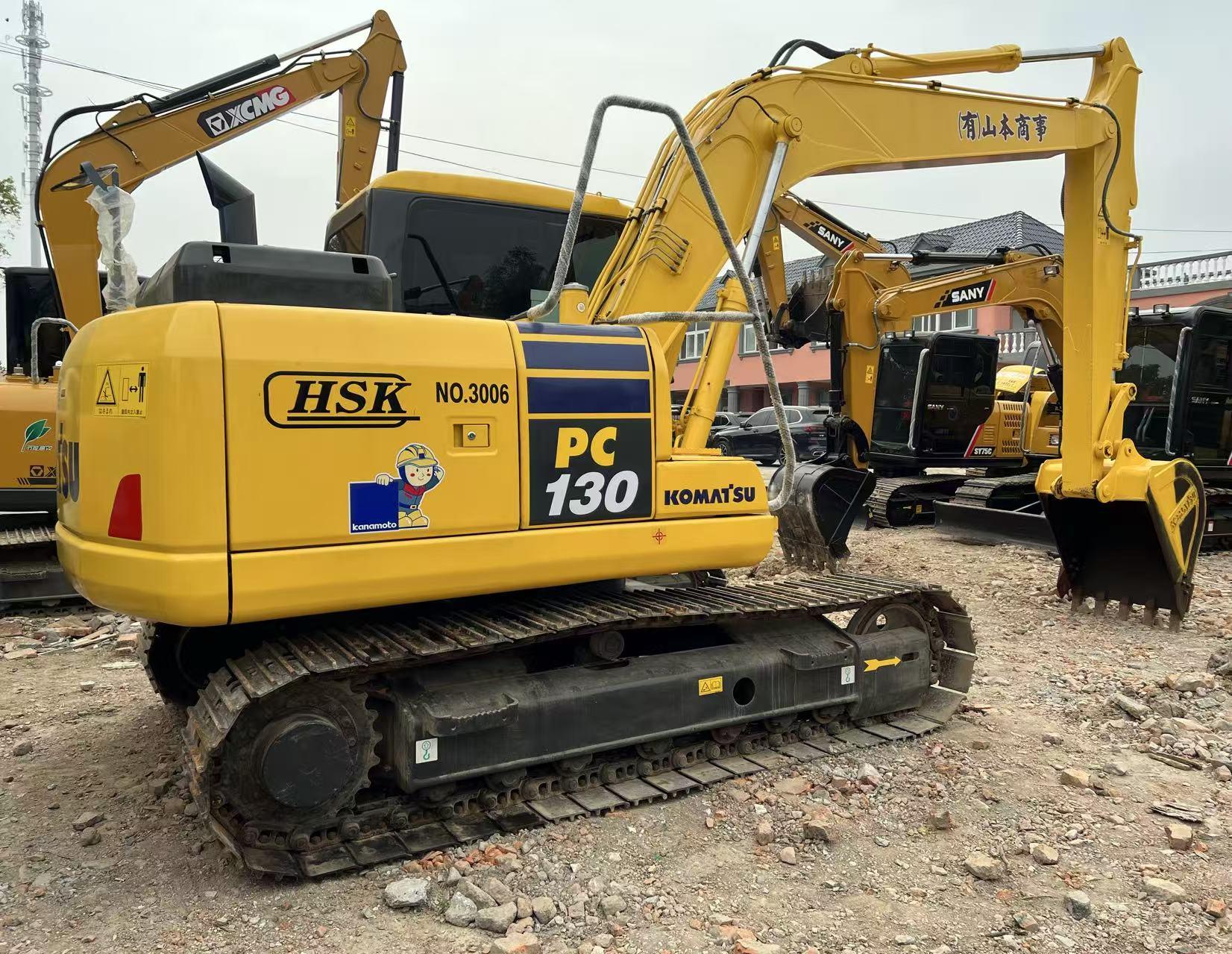
Used Komatsu PC130 Buyer’s Guide: 5 Critical Inspection Tips
The Komatsu PC130 is one of the most respected mid-size…
View Details →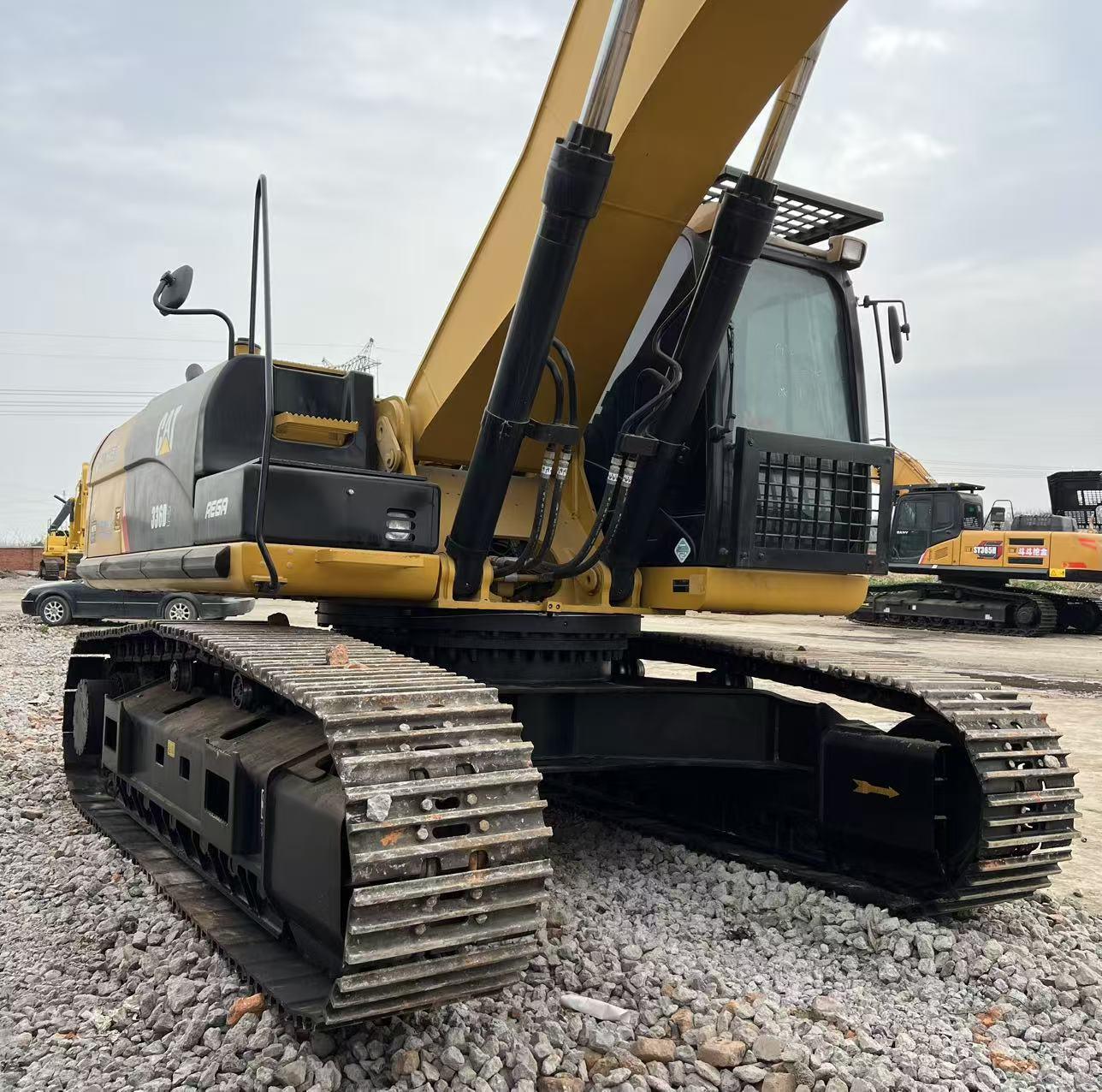
Used CAT 336D Inspection: 7 Key Areas Before Importing
The Caterpillar 336D is one of the most popular large&n…
View Details →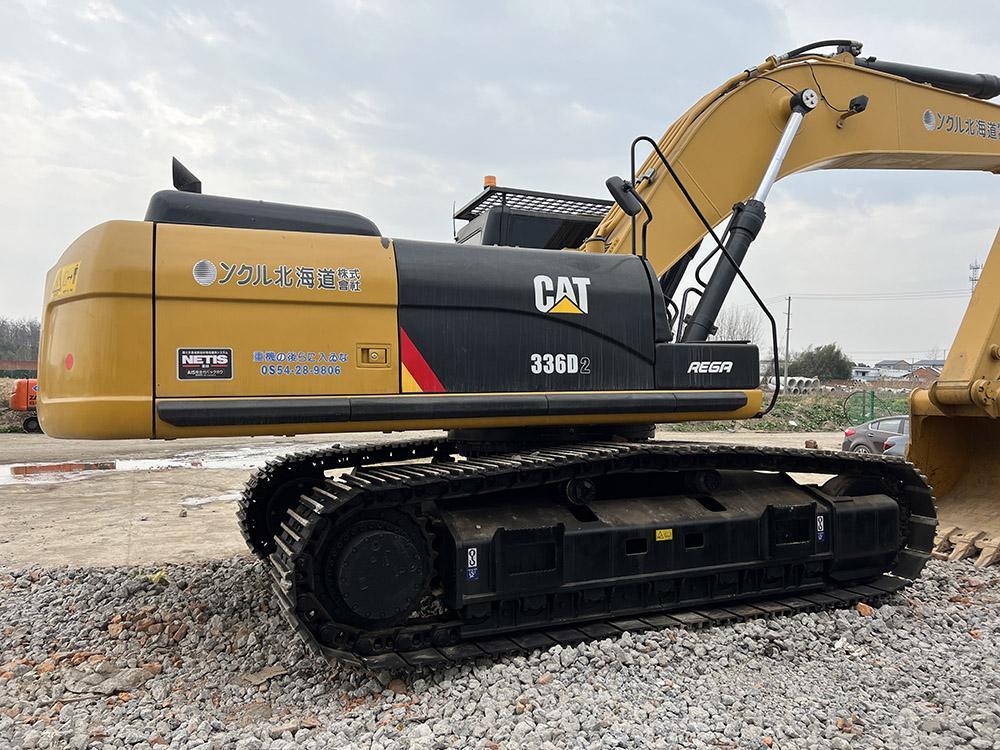
Used CAT 336GC vs. 336D2: Fuel Efficiency & ROI Comparison
When evaluating large used excavators for your fleet, t…
View Details →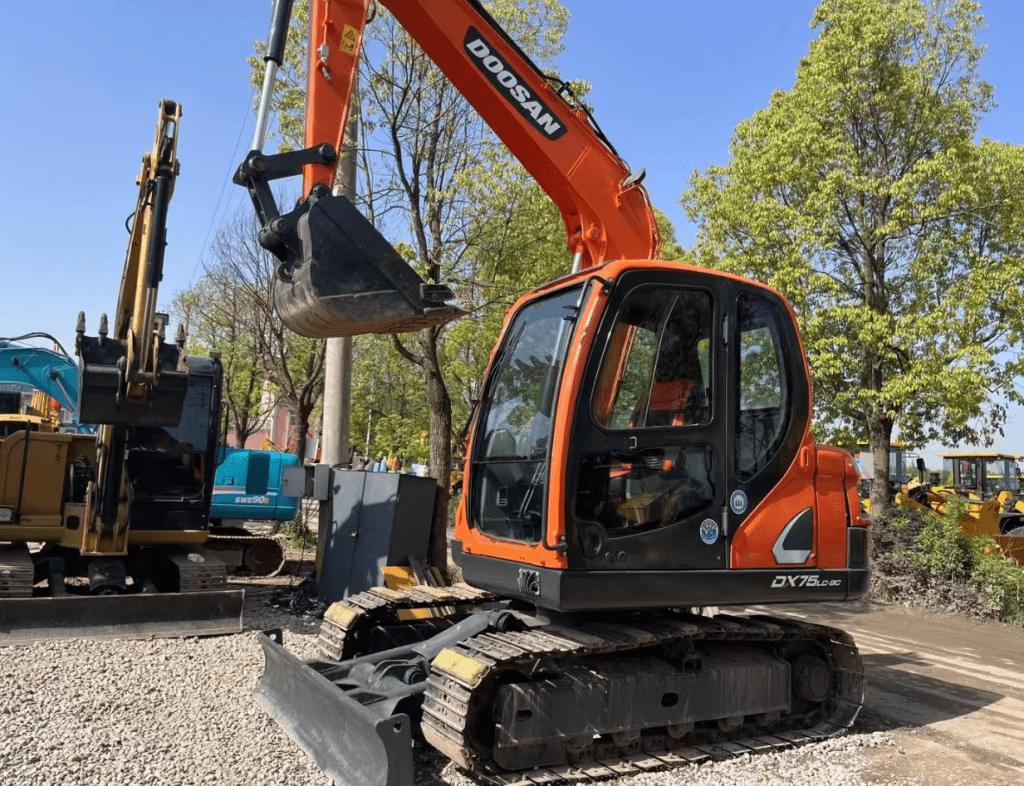
Mini digger demand grows for tight space jobs
Demand for mini diggers grew fast this year because mor…
View Details →Frequently Asked Questions about Volvo Excavator
Volvo excavators are engineered with a unique Integrated Work Mode System, which includes the advanced ECO Mode. This system is not just a throttle limiter; it electronically optimizes hydraulic flow and pressure to match the engine’s power output perfectly. In the second-hand market, a used Volvo EC210D can save up to 10% to 15% in fuel compared to other 20-ton class machines. For international buyers, this translates to significantly lower operating costs and a faster return on investment (ROI), especially in large-scale earthmoving or quarrying projects where fuel is the primary expense.
Volvo’s hydraulic systems are known for their “smoothness” and high flow. Our technical team performs a dedicated audit on:
-
Main Control Valve (MCV) Integrity: We test for internal leakage and ensure the flow is evenly distributed to all cylinders.
-
Positive Control System: Volvo uses a smart hydraulic system that only provides flow when the operator moves the joysticks. We ensure the 95% factory-standard pressure (approx. 32.4-34.3 MPa) is maintained without significant heat buildup.
-
Seal & Hose Inspection: We check all Volvo-specific high-pressure hoses and “O-rings.” Any components showing more than 15% wear or aging are replaced before export to ensure the machine arrives in “job-ready” condition.
The Volvo Care Cab is widely considered the most comfortable in the industry. For a used buyer, this is a significant selling point because it directly impacts operator productivity. The cab features high-performance climate control, vibration damping, and an ergonomic layout that reduces operator fatigue. A more comfortable operator is 10% more productive over a 10-hour shift. When we export these units, we ensure the air conditioning, air-suspension seat, and all electronic monitors are fully functional, as these “comfort” features are vital for maintaining high morale on international job sites.
Answer: Shipping a heavy Volvo unit requires expert precision to prevent structural stress or hydraulic contamination:
-
Ro-Ro (Roll-on/Roll-off): This is our preferred method for units like the EC300. It avoids the use of cranes and ensures the machine is driven safely onto the vessel.
-
Anti-Corrosion Protection: Since the voyage can take 30-45 days, we apply a specialized heavy-duty wax coating to all exposed chrome surfaces (cylinder rods) to prevent sea-salt pitting.
-
Dismantling (Optional): If container shipping is required to save costs, our engineers professionally dismantle the boom and arm, capping all hydraulic ports with industrial-grade seals to keep the sensitive Volvo hydraulic system 100% clean.
The undercarriage represents nearly 50% of the maintenance budget over the machine’s life. A genuine Volvo undercarriage is designed for high durability in rocky or abrasive terrains.
-
Service Life: In standard conditions, you can expect 15,000 to 18,000 hours of life.
-
Our Standard: We only export Volvo units with at least 70% undercarriage life remaining (including track links, rollers, and sprockets).
-
Maintenance Advice: We recommend maintaining correct track tension (typically 300mm-400mm sag for 20-ton models). Over-tightening can accelerate wear on the idlers and sprockets, potentially wasting 2,000 hours of service life. Regularly cleaning the undercarriage to prevent debris build-up can extend component life by 15%.