

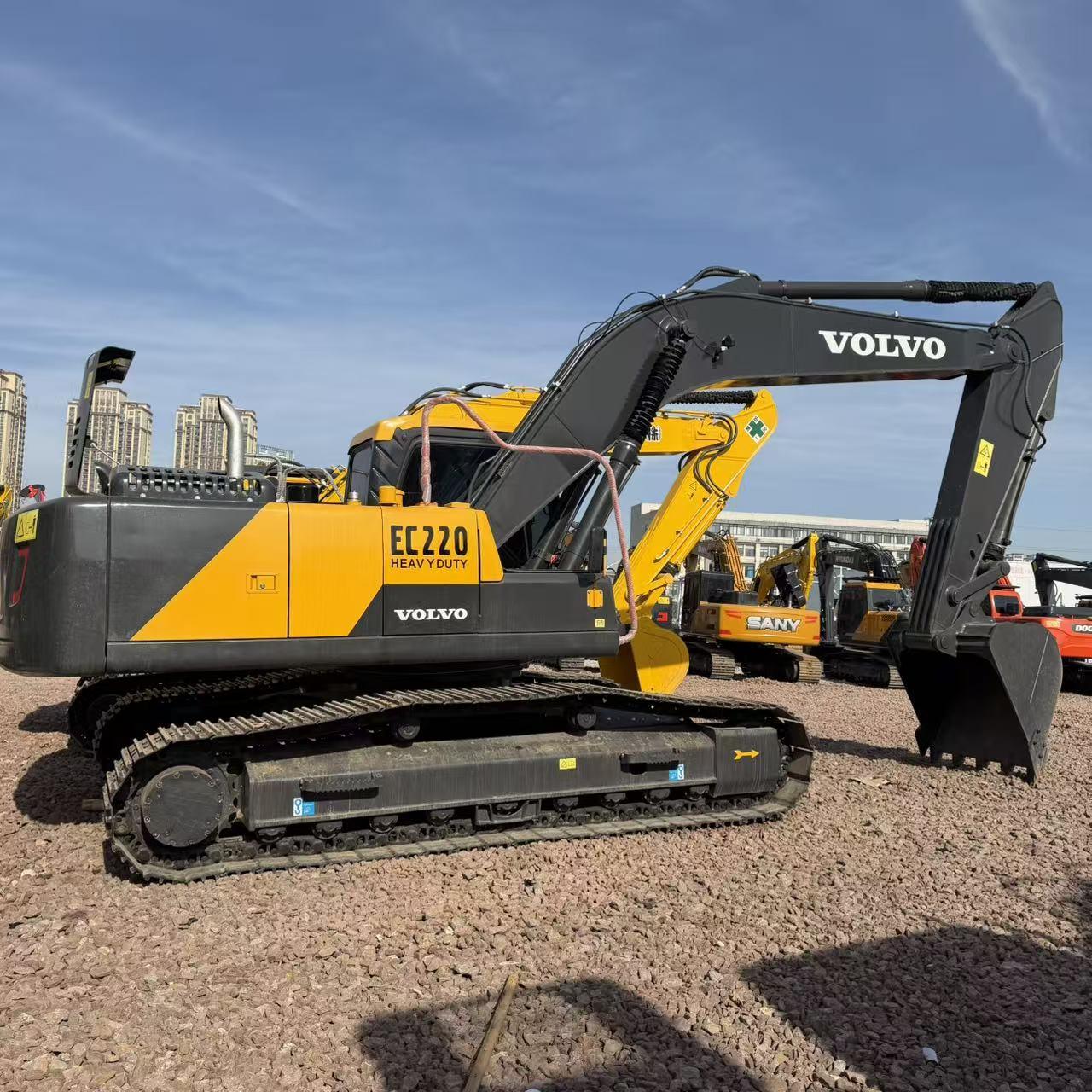
Used Volvo EC220EL Excavator Price Guide 2026 – What to Expect in Today‘s Market
The used excavator market in 2026 presents a landscape …
View Details →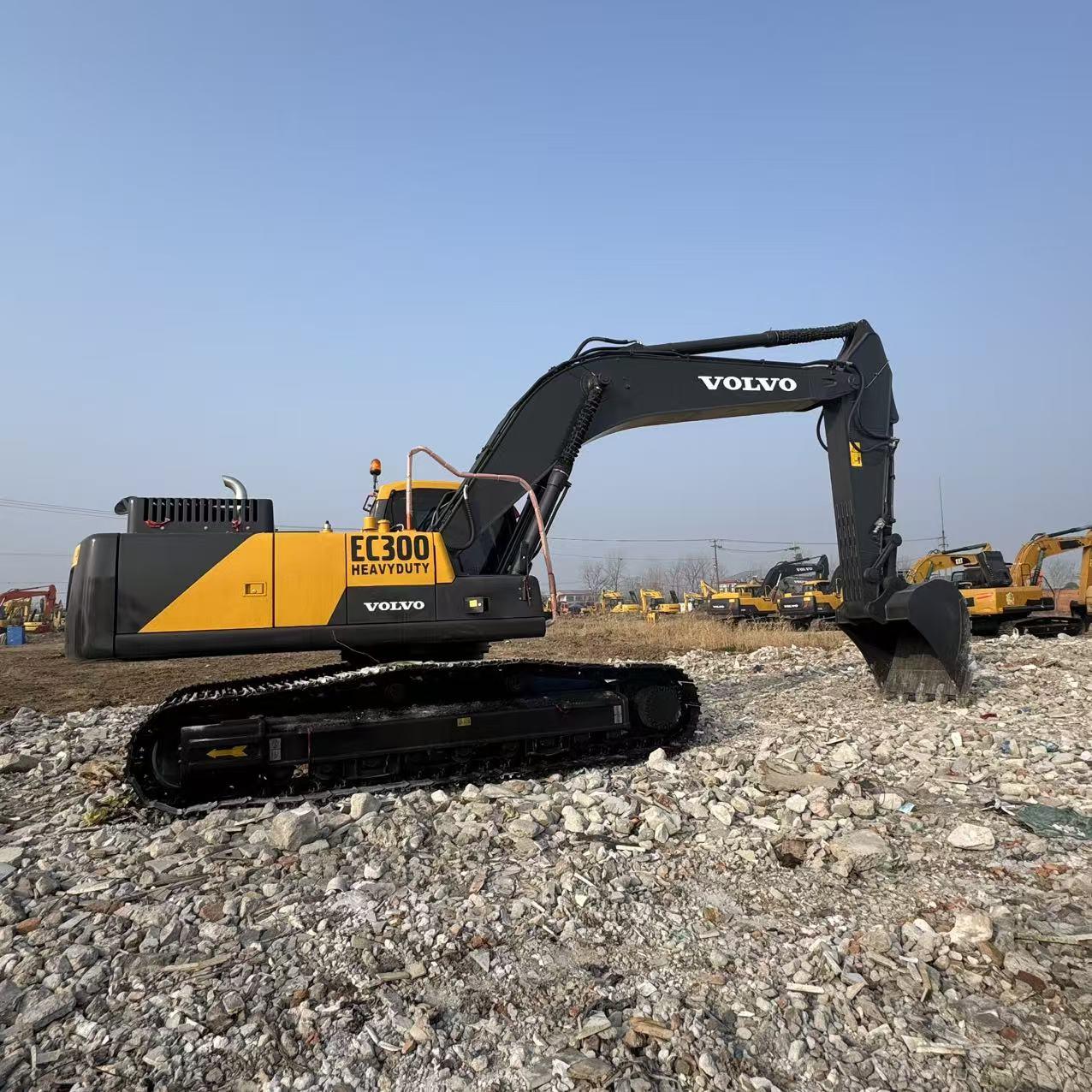
Used VOLVO 300 Excavator for Africa: Reliable 30-Ton Machines at Affordable Prices | VOLVO
The Growing Demand for Used Excavators in Africa Africa…
View Details →
Used Wheeled Excavator Comparison: Doosan DH210W-7 vs DH150W-7 – Specs, Price, Hours
The used wheeled excavator market has seen notable shif…
View Details →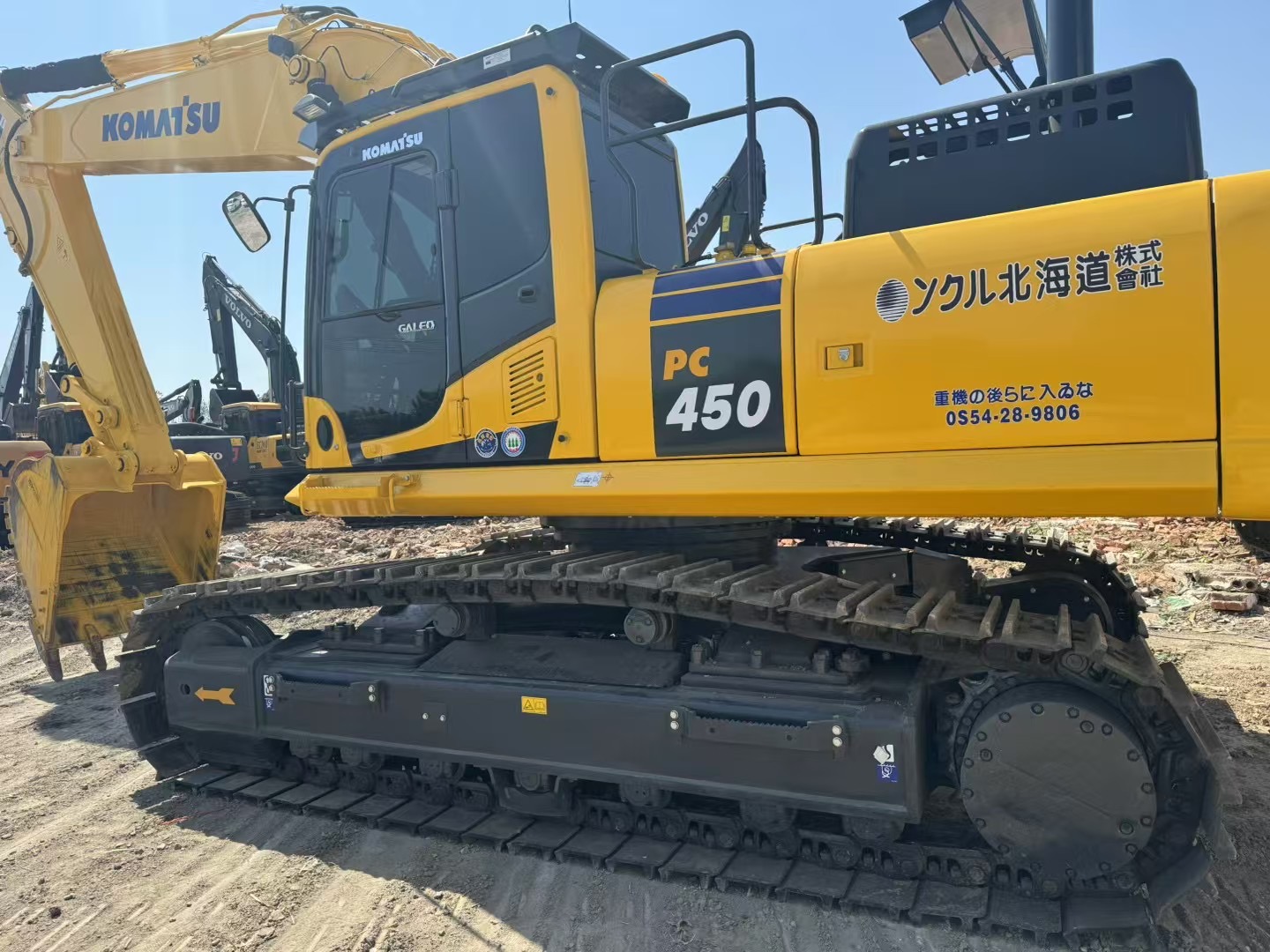
Used Komatsu Excavator Guide: Hours vs. Condition
Introduction Walk onto any used equipment lot, and the …
View Details →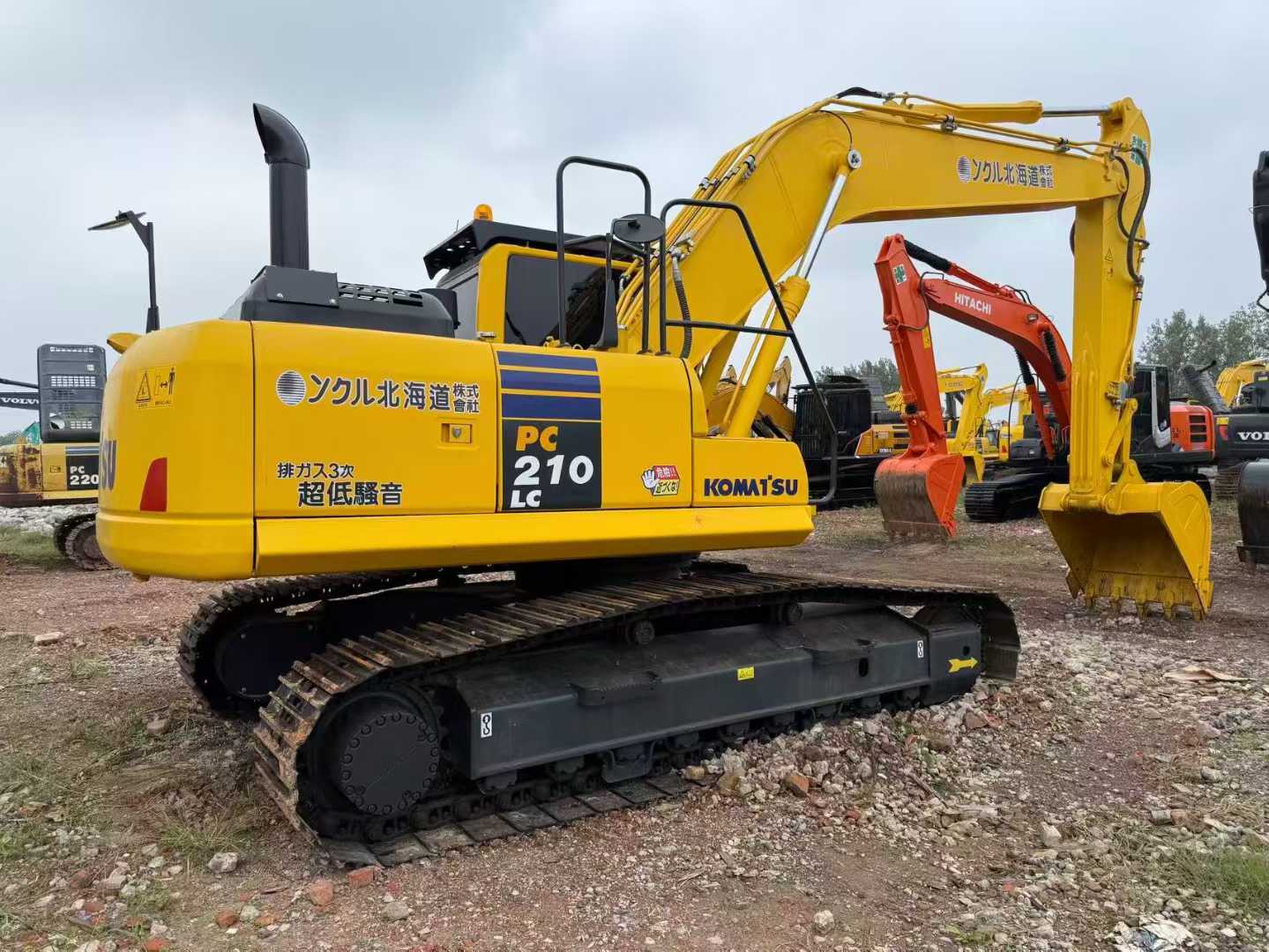
Why Choose a Used Komatsu 210 Excavator for Your Next Project? Cost vs Performance Analysis
Table of Contents Introduction When it comes to upgradi…
View Details →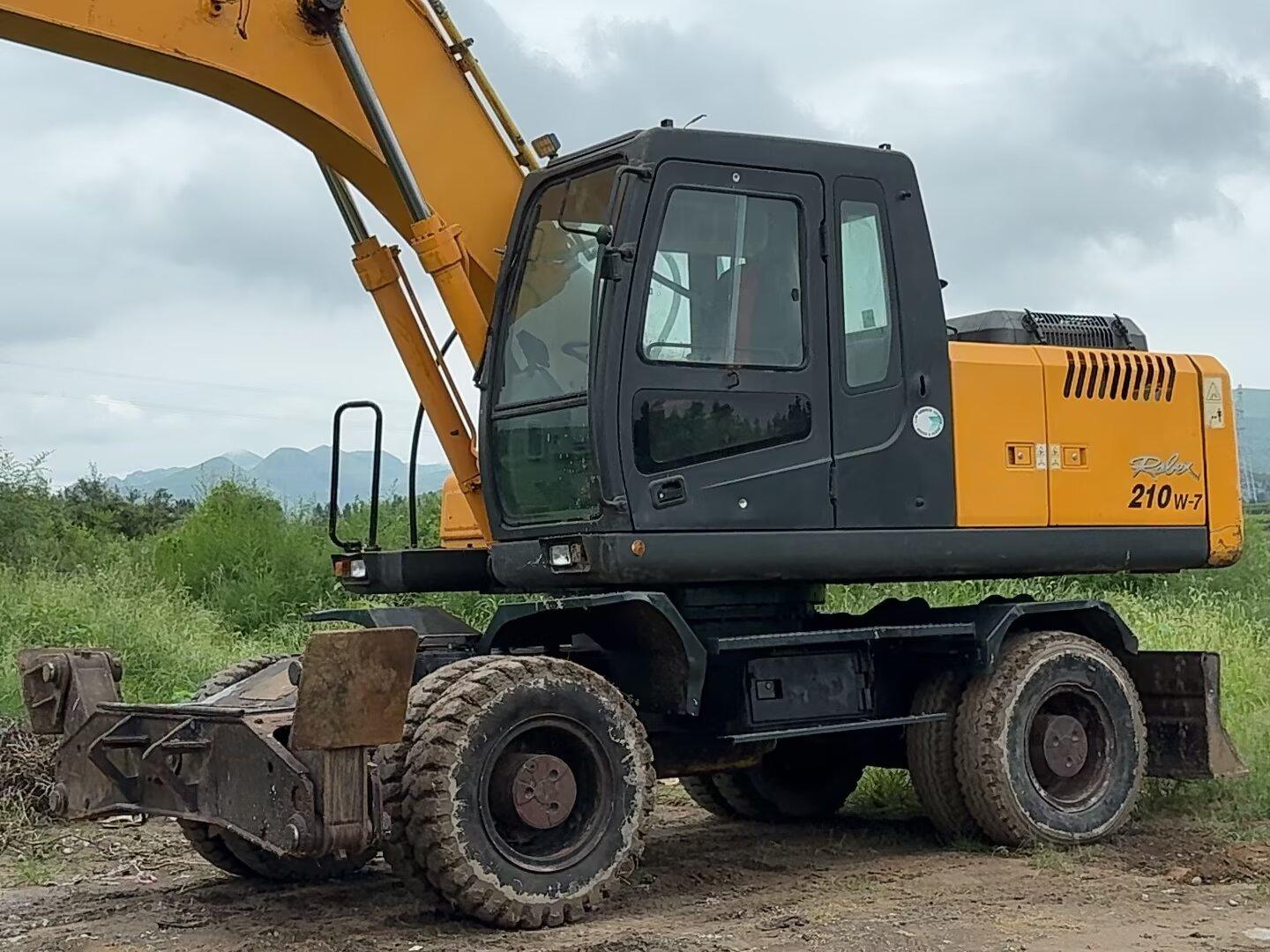
Used Wheeled Excavator Price Guide 2026: 5–20 Ton
When planning to expand your construction fleet with a …
View Details →
Used Wheeled Excavator vs. Crawler 2026: Which Offers Better ROI?
When expanding your construction fleet, the choice betw…
View Details →
Used Wheeled Excavator Market 2026: Global Demand, Export Trends, and Hot Destinations
The global market for used wheeled excavators is experi…
View Details →
2026 Used Excavator Total Cost: Price, Shipping, Taxes, and Fees Explained
When planning to import a used excavator from China, th…
View Details →
5 Signs to Tell Original Paint vs. Repainted on a Used Excavator
When shopping for a used excavator, the machine’s…
View Details →Frequently Asked Questions about Hyundai Excavator
Hyundai excavators are highly regarded for their innovative electronic control systems and robust structural design. In the used machinery market, Hyundai offers a superior return on investment because they provide similar digging power and hydraulic speed to premium brands but at a more accessible price point. Models in the Robex (R) series are known for their operator comfort and simplified maintenance access, which reduces long-term labor costs for international fleet owners.
The hydraulic system is the core of Hyundai’s performance. Our inspection process includes:
-
CAPO System Calibration: We verify the Computer Aided Power Optimization (CAPO) system to ensure it correctly balances engine and pump power.
-
Pressure Stability: We test the main control valve and pumps to ensure they maintain factory-rated pressure without significant fluctuations under heavy load.
-
Leak Prevention: All hydraulic cylinders and hoses are inspected for micro-leaks or aging; we replace any components that show more than 15% wear to ensure the machine arrives in “plug-and-play” condition.
Hyundai has integrated several fuel-saving features into their excavators. For a standard 20-ton class Hyundai R220, the average fuel consumption is approximately 16 to 21 liters per hour during standard operations. By utilizing the “One-Touch Deceleration” and “Auto-Idle” features, operators can reduce fuel waste during standby by up to 8-12%. This makes used Hyundai units particularly attractive for projects in regions where fuel costs are a primary concern.
Yes, we offer tailored logistics for all heavy equipment. For larger units like the Hyundai R300, we typically recommend:
-
Ro-Ro (Roll-on/Roll-off): The safest way to transport the machine as a single unit, minimizing the risk of damage during loading.
-
Professional Dismantling for Containers: If you need to save on freight, our engineers can dismantle the arm and boom, capping all hydraulic lines to prevent contamination. This allows the unit to fit into a 40HQ container, potentially reducing shipping costs by 25-35%.
-
Full Documentation: We handle the Bill of Lading, Export Permits, and any required third-party inspections (SGS/BV) to ensure a smooth customs process at your destination.
With a consistent maintenance schedule, a Hyundai excavator can reliably operate for 18,000 to 22,000 hours. To maximize this lifespan, we focus on the undercarriage, which represents nearly 50% of the total maintenance cost. We ensure that every machine we export has at least 70% of its track life remaining. Regularly cleaning the tracks and maintaining the correct track tension can prevent premature wear on rollers and sprockets, extending the undercarriage life by over 2,000 operational hours.