

您在这里:
- Home
- PRODUCT
- Excavator
- Caterpillar
- Used Excavator 2023 CAT 330D2L 30 Ton Crawler for …
SKU: 1000
Used Excavator 2023 CAT 330D2L 30 Ton Crawler for Sale
1-2 Unit$36,090
>=3 Units$35,087
(Price is FOB . Contact WhatsApp for CIF price & shipping cost.)
Used Excavator for sale: CAT 330D Crawler Excavator. 30 Ton, low hours, well-maintained. A trusted choice for quarry & heavy earthmoving. In stock.
| Brand | CAT, Caterpillar |
|---|---|
| Country of Origin | Japan |
| Year | 2023 |
| Model Number | 330D |
| Working Hours | 600H |
Categories: Caterpillar, Excavator
Tags: CAT330D, caterpillar excavator, Construction Machinery, crawler excavator, used digger, used excavator
Product Categories
Product Specifications
| No | Item | Data |
| 1 | Type | CAT 330D2L |
| 2 | Operating weight | 30115kg |
| 3 | Bucket capacity | 1.54m³ |
| 4 | Boom length | 6150mm |
| 5 | Stick length | 3200mm |
| 6 | Rotation speed | 9.6rpm |
| 7 | Walking speed | 5.3km/h |
| 8 | Gradeability | 35°/70° |
| 9 | Bucket digging force | 179KN |
| 10 | Stick digging force | 126KN |
| 11 | Engine model | Cat C7.1 ACERT |
| 12 | Rated power | 156kw/1800rpm |
| 13 | Hydraulic pump | Cat |
| 14 | Distribution valve | Cat |
| 15 | Displacement | 7.1L |
| 16 | No. of cylinders | 6 |
| 17 | Cooling method | water-cooling |
| 18 | Fuel tank | 520L |
| 19 | Length | 10360mm |
| 20 | Width | 3190mm |
| 21 | Height | 3330mm |
| 22 | Maximum excavation radius of the parking surface | 10720mm |
| 23 | Maximum excavation depth | 7290mm |
| 24 | Maximum excavation height | 10040mm |
| 25 | Maximum unloading height | 6900mm |
| 26 | Maximum vertical excavation depth | 6160mm |
Product Pictures


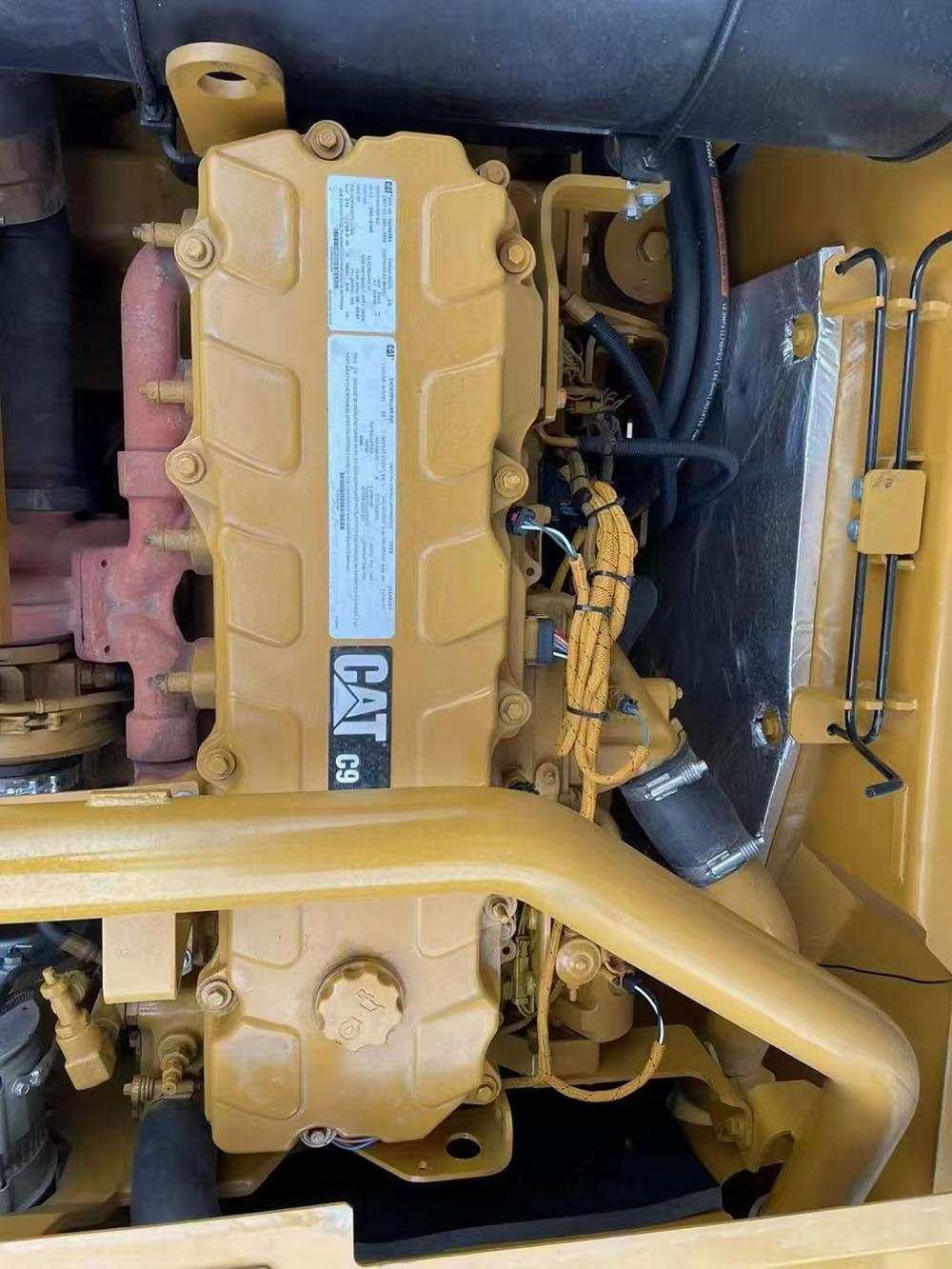


Expert Inspection Report
When it comes to the 30-ton excavator class, few machines command as much respect as the Caterpillar 330D. This isn’t just another used excavator—it’s a purpose-built heavy-lifter that has proven itself in quarries, mass excavation sites, and demanding construction projects worldwide. Whether you’re a contractor expanding your fleet or an operator looking for reliable iron, here’s what you need to know about this D-series workhorse.
Core Specifications & Performance
At the heart of the 330D is the Cat C9 ACERT engine, a 8.8L inline 6-cylinder turbo diesel delivering 200 kW (268–270 hp) at 2,000 rpm. This engine is the key differentiator from earlier models—unlike the 330C’s mechanical HEUI injection system, the 330D’s electronic common rail system provides precise fuel delivery that optimizes combustion for both power and efficiency.
The hydraulic system is equally impressive, featuring two variable displacement pumps delivering a combined flow of 560 L/min (2 × 280 L/min), with implement pressure rated at 35,000 kPa (5,076 psi). This translates to a bucket digging force of approximately 222 kN, putting the 330D at the top end of its weight class.
Operating weight varies by configuration—the standard 330D comes in at approximately 33,750 kg, while the long-undercarriage L version pushes closer to 36,150 kg. The L variant’s longer track frame provides exceptional stability when working with heavy attachments or operating at full reach.
Real-World Reliability: The Good and the Watch-Outs
The 330D’s reputation for durability is well-earned. The machine features a reinforced boom and stick design with thick multi-plate fabrications, heat-treated to significantly improve fatigue strength. The closed-center, load-sensing hydraulic system minimizes parasitic losses while maintaining responsive control, and components are laid out with serviceability in mind—filters and grease points are readily accessible.
However, there are known issues that any buyer should be aware of:
The C9 Fuel System Concern. The most widely discussed problem involves the HUEI pump (hydraulically actuated electronic unit injection). Forum reports indicate that bearing failures in the HUEI pump can occur at relatively low hours, sending metal debris through the fuel system and causing injector damage. While not every machine experiences this, it’s a documented pattern with the C9 engine family.
Oil Consumption. Real-world operator reports note that many 330D units consume approximately 1 bucket (about 15-20L) of engine oil every 100 hours. According to owner experiences, this is considered normal for this engine rather than a defect—but it’s a running cost that adds up.
Hydraulic System Wear. After 8,000–10,000 hours, main pump wear becomes a consideration. Industry data suggests hydraulic pump rebuild costs range from $3,000–$6,000 depending on the extent of damage.
Undercarriage Wear. As with any tracked machine, undercarriage components are major wear items. Track shoes, sprockets, rollers, and idlers should be inspected regularly, with full replacement costing $5,000–$10,000 depending on conditions.
Excessive Boom/Stick Play. Pins and bushings wear over time. Operators report needing to monitor and replace these components as part of routine maintenance, with replacement costs varying based on the extent of wear.
Operating Costs: Fuel, Maintenance, and Long-Term Ownership
Fuel Consumption. In standard earthmoving applications, expect 18–24 L/h. Heavy rock work pushes this to 25–30 L/h, while lighter grading can drop to 15–18 L/h. With a 620L fuel tank, you’re looking at roughly 24–30 hours between refuels under normal conditions.
Maintenance Intervals. The 330D benefits from extended service intervals compared to earlier models. Hydraulic oil changes are recommended at 2,000 hours (extendable to 4,000 hours with Cat HYDO Advanced oil and S·O·S monitoring). Engine oil changes every 500 hours, fuel filters at similar intervals.
5,000-Hour Cumulative Cost Estimate. Based on real-world owner data and industry benchmarks, a well-maintained 330D will cost approximately $15,000–$35,000 USD to operate over 5,000 hours when accounting for routine service, undercarriage wear, and expected component replacements. This includes multiple engine oil changes, hydraulic system service, undercarriage wear components, and typical repairs such as hydraulic cylinder seals or pump adjustments.
Resale Value. One of the 330D’s strongest attributes is its value retention. Caterpillar’s extensive dealer network and parts availability mean these machines command premium resale prices compared to competitors like Komatsu or Hitachi, often 10–20% higher after 5–7 years of ownership.
How It Stacks Up Against Competitors
The 330D’s primary rivals are the Komatsu PC300-8 and Hitachi ZX330-5. Here’s the breakdown:
| Specification | CAT 330D | Komatsu PC300-8 | Hitachi ZX330-5 |
|---|---|---|---|
| Engine Power | 268 hp | ~241 hp | ~271 hp |
| Hydraulic Flow | 560 L/min | ~560 L/min | ~580 L/min |
| Fuel Efficiency | Good for class | Slightly better in light duty | Competitive |
| Parts Availability | Excellent globally | Good regionally | Good |
| Resale Value | Highest | Moderate | Moderate |
The 330D’s edge: If your priority is structural durability, parts availability, and resale value, the 330D is the clear winner—especially for quarry, heavy earthmoving, or mining support roles where breakdowns cost serious money.
Where competitors win: The Komatsu PC300-8 offers slightly better fuel economy in light applications and a lower initial purchase price in many regions. The Hitachi ZX330-5 is praised for exceptionally smooth hydraulic control, making it a favorite for precision work.
Used Buyer’s Checklist
If you’re shopping for a used 330D, here’s what to verify:
1. Verify the machine’s identity. Check the serial number prefix (common prefixes include RAS for 330D N, GGE for 330D L/LN, and L2K for 330D FM). Ensure the model plate hasn’t been tampered with—some sellers have been known to alter plates to misrepresent the model.
2. Request S·O·S oil analysis. Lab results for engine oil, hydraulic oil, and final drives will reveal internal wear long before symptoms appear.
3. Cold-start the engine. Listen for unusual noises, watch for excessive smoke, and check for oil consumption patterns during a test run.
4. Cycle all hydraulic functions under load. The machine should feel responsive and smooth without whining pumps or lagging boom lifts.
5. Inspect the slew ring. Jack up one track and check for vertical play—specification is less than 3mm. Excessive play indicates costly repairs ahead.
6. Examine the undercarriage thoroughly. Track shoe wear patterns can indicate alignment or idler issues. Uneven wear often signals problems that will require early component replacement.
7. Check for structural cracks. Look carefully at high-stress areas on the boom, stick, and boom foot for any cracks or previous weld repairs.
8. Review service records. A 330D with complete documentation is worth a significant premium over one with unknown maintenance history.
9. Test the C9 fuel system. If possible, confirm that the HUEI pump and injectors are in good condition or have been recently serviced. This is one of the few high-cost failure points on an otherwise robust machine.
10. Beware of repainted machines. Fresh paint can hide cracks, weld repairs, and hydraulic leaks. Always inspect in person or hire a third-party inspector.
Final Verdict
The used CAT 330D represents one of the smarter investments in the 30-ton excavator market. It offers a compelling blend of raw power, proven reliability, and global parts support that few competitors can match. However, it’s not a machine for everyone—the higher operating weight can limit mobility on soft ground, and fuel consumption runs toward the higher end of its class during intensive operations.
That said, for owners planning to keep a machine for 8,000–12,000 hours, the 330D’s rugged construction and service network make it a reliable long-term partner. Just go in with eyes open about the known C9 fuel system concerns, budget accordingly for normal oil consumption, and follow a disciplined inspection routine before purchase.
Who should buy a used CAT 330D: Contractors needing a primary heavy-lifting machine for quarry work, mass excavation, or demanding site preparation. Fleet operators who value parts availability and resale value. Anyone working in regions with strong Cat dealer support.
Who should look elsewhere: Operators needing a machine for light, fuel-sensitive applications. Budget-conscious buyers with limited access to Cat service networks. Projects where the 330D’s weight would be a liability on soft terrain.
Company Description
Taihongmachinery (TH Engineering Equipment Limited) is a premier global supplier specializing in the export of high-quality, pre-owned heavy construction equipment.
Our company sells Caterpillar,Komatsu,Sany,Doosan,Hyundai,Hitachi,Volvo,Kubota used excavators, used bulldozers, used loaders, used graders, used cranes, used rollers, etc. With a strategic focus on the international trade of used excavators, we have established ourselves as a cornerstone of reliability for clients across Southeast Asia, South Asia, the Middle East, Africa, and South America.
Shipping & Delivery Policy
At Taihong Machinery, we provide flexible global logistics solutions for all our used heavy machinery.
Shipping Method: We recommend working with professional international freight forwarders specializing in heavy equipment (RORO or Flat Rack container shipping).
Flexibility: We are happy to work with your preferred freight forwarder. If you do not have one, we can leverage our network of reliable, certified global logistics partners to provide competitive shipping quotes to your nearest port.
Preparation: All machines undergo professional cleaning and safety inspections prior to loading to ensure they meet international shipping regulations.
Documentation: We provide all necessary export documentation, including Bills of Lading, Packing Lists, and Commercial Invoices, to ensure smooth customs clearance at the destination.
Return & Refund Policy
We provide a detailed pre-shipment inspection report and live video call to confirm machine condition. Returns are generally not accepted, but if the machine does not match the inspection report, we will negotiate a resolution.
Inspection: We encourage all buyers to conduct a thorough inspection of the machine, either in person at our yard in China or via live video consultation with our technicians.
Pre-shipment Verification: Before the machine leaves our yard, we provide a full functional test report and live video proof of the engine, hydraulic, and structural condition. Once the buyer confirms the machine status and the machine is loaded for export, we do not accept returns.
Warranty: All equipment is sold in “as-is” condition. We are committed to transparency and will disclose all known technical details prior to purchase.
Support: Should any issues arise during the shipping process, we will provide full support in communicating with your insurance provider and the shipping line.
Success Cases


A:
The CAT 330D is a 30–35‑ton class crawler excavator powered by the Cat® C9 ACERT™ engine. Below are its core specifications based on official and verified data:
| Parameter | Value |
|---|---|
| Engine model | Cat® C9 ACERT™ |
| Net power | 200 kW (268–270 hp) |
| Gross power | 200 kW (268 hp) |
| Displacement | 8.8 L |
| Cylinder bore × stroke | 112 mm × 149 mm |
| Operating weight | 33,750 – 36,151 kg (depending on configuration) |
| Standard bucket capacity | 2.0 m³ |
| Max digging depth | 8.09 m |
| Max reach at ground level | 11.64 m |
| Fuel tank capacity | 620 L |
| Hydraulic pump flow | 2 × 280 L/min (total 560 L/min) |
| Swing speed | 10 rpm |
| Travel speed | 5.0 km/h |
The C9 ACERT engine incorporates advanced electronic control and multi‑injection fuel delivery, which not only improves power output but also enhances fuel efficiency compared to earlier C‑series models. The 330D also features a reinforced undercarriage with a track width of 600 mm and a tail swing radius of 3.49 m, making it stable and relatively compact for its size class
A:
The fuel consumption of the CAT 330D varies with load, operating mode, and site conditions. Based on industry data and operator reports:
-
Standard earthmoving (S‑mode): ~18–24 L/h
-
Heavy digging / rock work: ~25–30 L/h
-
Average mixed use: ~20–25 L/h
-
Idling: 4–6 L/h
One industry source lists the average fuel consumption of a Cat 330 at approximately 20 liters per hour, while a heavy equipment forum reports a range of 10–14 US gallons per hour (approx. 38–53 L/h) under demanding conditions. The wide range reflects real‑world variability: a machine working a full day in hard rock will consume significantly more than one doing light grading.
Key fuel‑saving technologies on the 330D:
-
Economy Mode (Eco Mode): Can reduce fuel consumption by up to 15% without sacrificing digging force or lift capacity.
-
ADEM™ A4 Electronic Control Module: Manages fuel delivery precisely, optimizing performance per liter of fuel.
-
Advanced air management and the ECM‑controlled multi‑injection fuel system also contribute to the 330D’s improved efficiency over the 330C.
With its 620‑liter fuel tank, the 330D can typically run for 24–30 hours between refuels under normal working conditions, reducing downtime and improving job site productivity.
A:
The CAT 330D is generally reliable, but owners and technicians have reported a few recurring hydraulic issues. Below is a practical troubleshooting guide:
| Symptom | Common Cause | Diagnostic Method | Solution |
|---|---|---|---|
| Slow hydraulics when using two functions simultaneously | Pilot pressure issues / faulty boom‑up pressure switch | Monitor live data via Cat ET; check pilot pressure at pump (should be ~600 psi) | Verify pressure switch input; check pilot accumulator; inspect main pump regulators for incorrect horsepower screw settings |
| Hydraulic and engine overheating | Pump delivering excessive flow / horsepower screw misadjustment | Compare actual engine RPM drop under load vs. expected; check cooling system bypass valve | Re‑calibrate pump regulators; adjust two‑stage horsepower adjustment screws on pump regulators; verify main relief valve is set to ~36,000 kPa |
| Weak or uneven digging force | Main relief valve pressure drift or secondary relief valve failure | Pressure test implement circuit (should reach 35,000 kPa / 5,076 psi) | Adjust or replace secondary relief valve; re‑calibrate main relief valve |
| Excessive hydraulic drift (boom or arm) | Cylinder piston seal wear | Raise implement, shut off engine, and measure drift over time | Replace piston seals; inspect cylinder bore for scoring |
| Contaminated hydraulic oil / frequent filter clogging | Internal component wear or degraded oil | S·O·S oil analysis; inspect case drain filter for debris | Flush system; replace hydraulic oil and all filters; identify and repair failed component |
One real‑world case on a 330D showed that misadjusted horsepower screws on the pump regulators caused the pump to demand more power than the engine could deliver, leading to simultaneous overheating and sluggish performance. After proper calibration of the two‑stage horsepower adjustment screws and the NFC (Negative Flow Control) screw, the issue was resolved. Another owner reported that chasing a “ghost” boom‑up pressure switch signal wasted days of troubleshooting—always start with the basics: check fault codes, inspect filters, and verify pilot pressure before assuming complex failures.
Pro tip: Over 70% of hydraulic system failures are related to oil contamination. Maintain strict cleanliness when servicing, change filters on schedule (hydraulic oil filter interval on the 330D is 2,000 hours), and run regular S·O·S oil analysis to catch wear early.
A:
Maintaining a CAT 330D to 5,000 hours requires a combination of routine servicing, wear‑part replacement, and potentially major component overhauls. Below is a realistic cost breakdown based on industry data and manufacturer guidelines:
| Maintenance Category | Typical Interval | Estimated Cost (USD) |
|---|---|---|
| Engine oil + filter changes | Every 500 hours (10 changes) | $2,000 – $3,500 |
| Fuel filters (primary + secondary) | Every 500 hours (10 changes) | $400 – $800 |
| Hydraulic oil + filter change | At 3,000–5,000 hours | $1,500 – $2,500 |
| Cooling system flush & coolant | Every 2,000 hours | $300 – $600 |
| Air filter replacements | As needed (every 500–1,000 hours) | $200 – $400 |
| Undercarriage (tracks, sprockets, rollers) | Inspect at 5,000h; replace at 5,000–8,000h | $5,000 – $10,000 |
| Bucket teeth / wear parts | Multiple replacements over 5,000h | $1,000 – $3,000 |
| Swing bearing & turntable inspection | At 5,000h | $1,000 – $2,000 (if minor service) |
| Engine top‑end overhaul (valves, injectors) | At 5,000–8,000h (depending on condition) | $4,000 – $8,000 |
| Hydraulic pump / motor rebuild | As needed (every 6,000–10,000h) | $3,000 – $6,000 |
| Labor (accumulated over 5,000h) | Variable by region | $3,000 – $8,000 |
Estimated 5,000‑hour cumulative maintenance cost: $15,000 – $35,000 USD
This range assumes regular preventive maintenance, moderate operating conditions, and no catastrophic failures. Operating in extremely dusty or high‑impact applications can push costs 30–50% higher. Conversely, machines that run primarily in Eco mode with clean fuel and regular oil analysis can see lower totals.
Cost‑saving strategies:
-
Extend hydraulic oil changes to 6,000 hours using S·O·S oil analysis to confirm oil condition
-
Use genuine Cat or high‑quality OEM filters — cheap filters cause more wear than they save
-
Train operators to avoid slamming controls and excessive high‑RPM operation
-
Keep detailed maintenance records to predict component life and avoid surprise downtime
A:
The CAT 330D competes directly with the Komatsu PC300‑8 and Hitachi ZX330‑5/6 in the 30‑ton crawler excavator segment. Here is a head‑to‑head comparison:
| Specification | CAT 330D | Komatsu PC300‑8 | Hitachi ZX330‑5 |
|---|---|---|---|
| Operating weight | 33,750 – 36,151 kg | ~30,000 – 32,000 kg | ~33,000 – 34,000 kg |
| Engine power | 200 kW (268 hp) | ~180 kW (241 hp) | ~202 kW (271 hp) |
| Fuel consumption (avg) | 20–30 L/h | ~18–26 L/h | ~18–25 L/h |
| Bucket digging force | ~222 kN | ~200 kN | ~210 kN |
| Hydraulic pump flow | 560 L/min | ~560 L/min | ~540 L/min |
| Fuel tank capacity | 620 L | ~580 L | ~600 L |
| Max digging depth | 8.09 m | ~7.70 m | ~7.80 m |
CAT 330D advantages:
-
Structural durability — The D‑series features box‑section booms and sticks with thick multi‑plate fabrications, stress‑relieved via heat treatment to significantly improve fatigue strength. This makes the 330D particularly suited for rock, quarry, and severe applications.
-
Resale value — Cat excavators consistently hold higher residual value than Komatsu or Hitachi in most global markets, often 10–20% better after 5–7 years.
-
Serviceability — The 330D offers simplified maintenance access, extended hydraulic oil filter intervals (2,000 hours vs. 1,000 hours on earlier models), and an 8,000‑hour coolant change interval.
-
Global parts availability — Cat’s dealer network is unmatched, meaning lower downtime for repairs almost anywhere in the world.
Komatsu PC300‑8 advantages:
-
Slightly better fuel efficiency in light‑duty applications
-
Komtrax telematics system comes standard (Cat’s Product Link was optional on early 330D units)
-
Lower initial purchase price in many regions
Hitachi ZX330‑5 advantages:
-
Extremely smooth hydraulic control, preferred by operators for precision work
-
Excellent reliability in forestry and demolition applications
-
Competitive fuel economy in mixed conditions
Verdict: Choose the CAT 330D if your priority is long‑term durability, resale value, and global parts support — especially for heavy quarry, mining support, or demanding earthmoving roles. The Komatsu PC300‑8 is a solid choice for cost‑conscious buyers in less severe conditions, while the Hitachi ZX330‑5 excels where fine hydraulic control matters most. For owners planning to keep a machine for 8,000–12,000 hours, the 330D’s rugged construction and service network make it the most reliable long‑term investment.
📌 Pro Tips for Used CAT 330D Buyers
When evaluating a used CAT 330D, keep these points in mind:
-
Verify the serial number prefix — Common prefixes include RAS (330D N), GGE (330D L/LN), and L2K (330D FM). This helps identify the exact configuration and origin.
-
Check for updated parts — Later‑production 330D units benefit from improved undercarriage components and hydraulic hose routing. Machines built after 2010 generally have these refinements.
-
Request S·O·S oil analysis — Lab results for engine oil, hydraulic oil, and final drive oil reveal internal wear long before symptoms appear.
-
Inspect the slew ring and tracks — Jack up one track and check for vertical play in the slew ring (spec is less than 3 mm). Excessive play indicates costly repairs ahead.
-
Look for consistent maintenance records — A 330D with complete service history is worth a significant premium over one with unknown maintenance.
-
Beware of repainted or “detailed” machines — Fresh paint can hide cracks, weld repairs, and hydraulic leaks. Always inspect the machine in person or hire a third‑party inspector.
With proper selection, the CAT 330D remains one of the most respected 30‑ton excavators in the used market—offering a blend of power, reliability, and long‑term value that few competitors can match.
You may also like

1-2 Unit$10,800
>=3 Units$9,800
(Price is FOB . Contact WhatsApp for CIF price & shipping cost.)

1-2 Unit$34,000
>=3 Units$31,000
(Price is FOB . Contact WhatsApp for CIF price & shipping cost.)

1-2 Unit$8,800
>=3 Units$8,570
(Price is FOB . Contact WhatsApp for CIF price & shipping cost.)
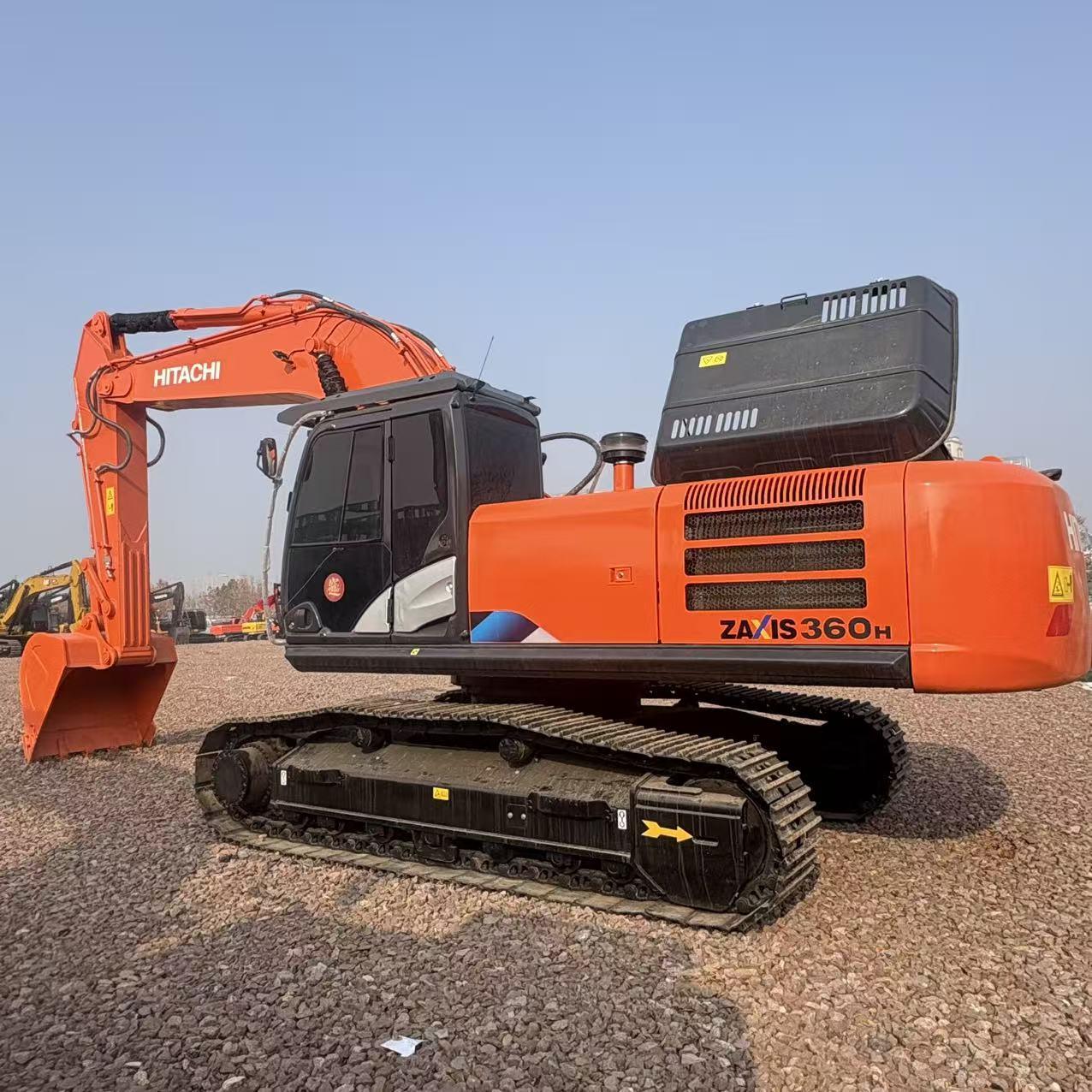
1-2 Unit$41,800
>=3 Units$40,888
(Price is FOB . Contact WhatsApp for CIF price & shipping cost.)
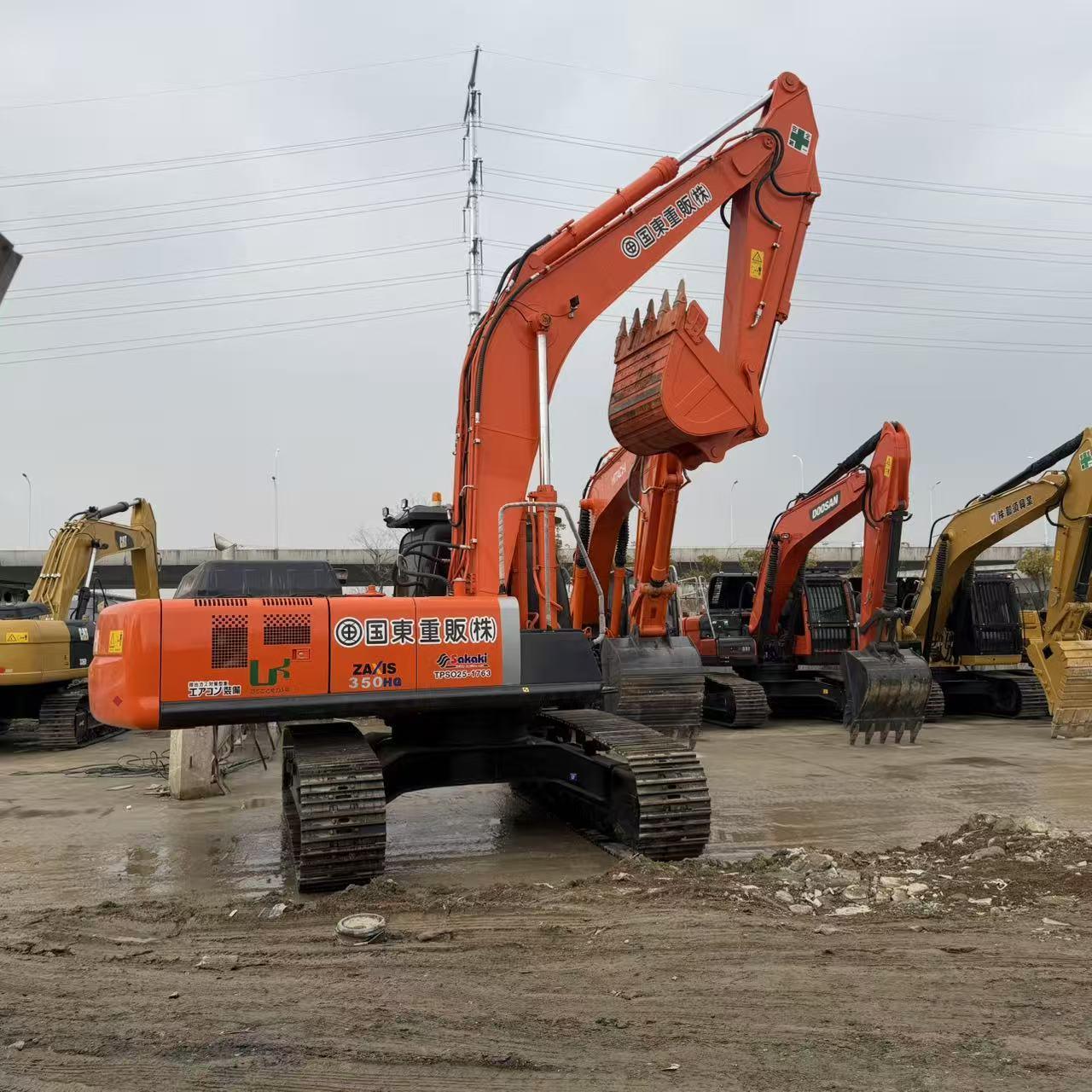
1-2 Unit$39,800
>=3 Units$38,600
(Price is FOB . Contact WhatsApp for CIF price & shipping cost.)
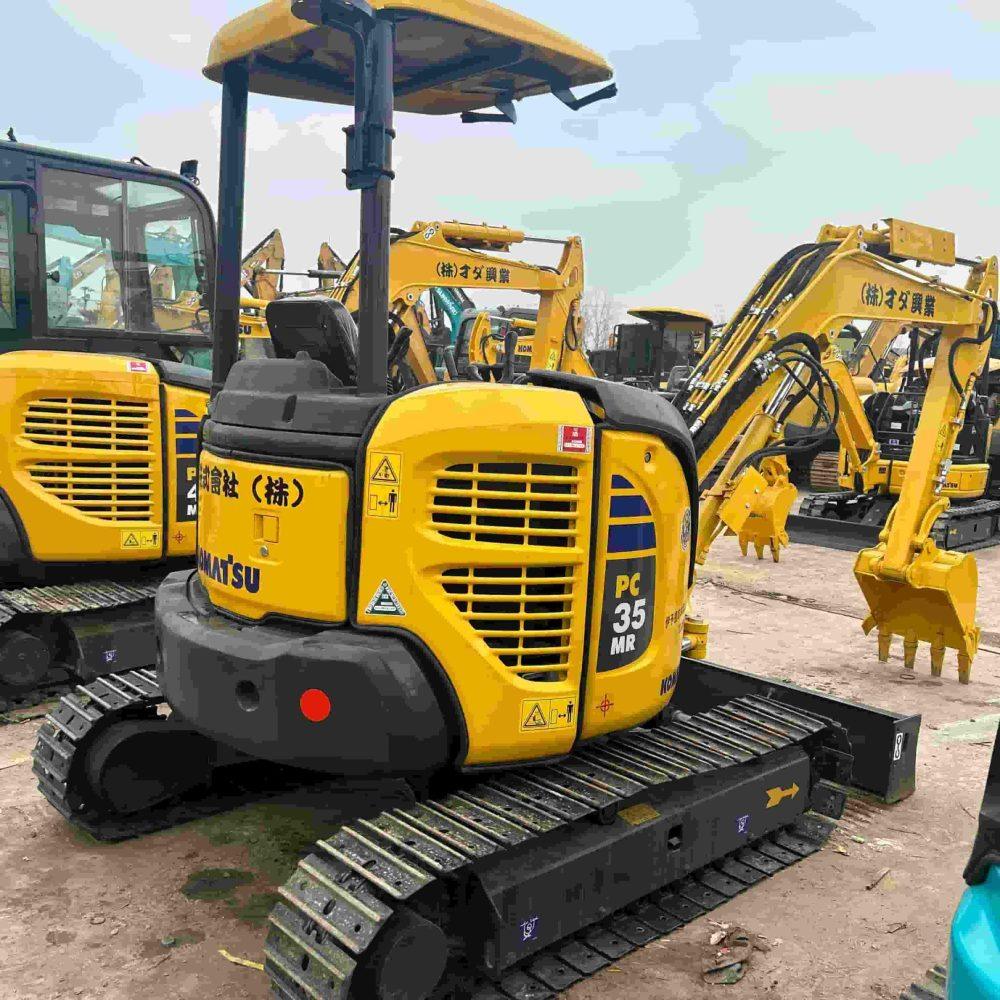
1-2 Unit$9,000
>=3 Units$8,000
(Price is FOB . Contact WhatsApp for CIF price & shipping cost.)

1-2 Unit$60,000
>=3 Units$58,000
(Price is FOB . Contact WhatsApp for CIF price & shipping cost.)

1-2 Unit$25,800
>=3 Units$25,000
(Price is FOB . Contact WhatsApp for CIF price & shipping cost.)