

您在这里:
- Home
- PRODUCT
- Excavator
- Caterpillar
- 2023 CAT 336D2L Used Excavator 36 Ton Crawler for …
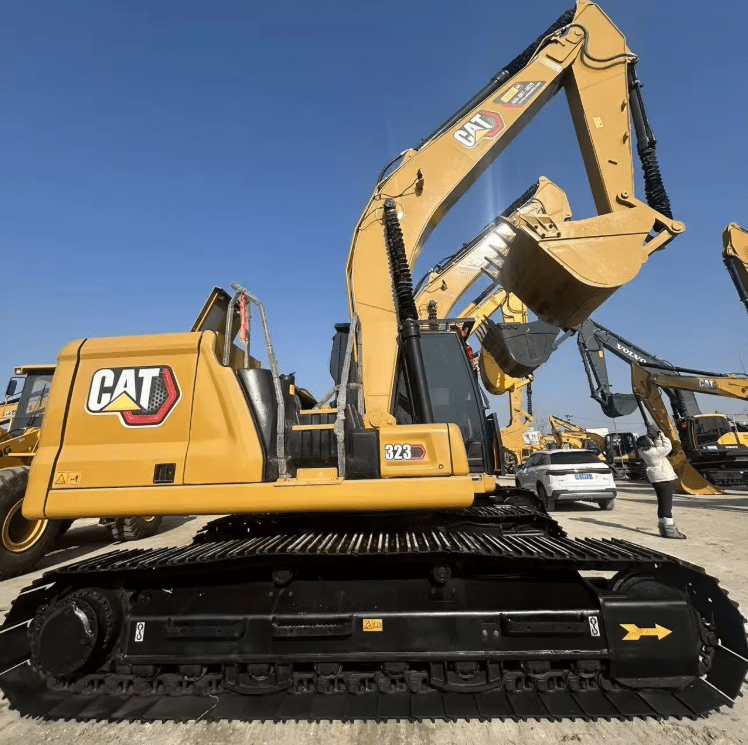
2023 CAT 336D2L Used Excavator 36 Ton Crawler for Sale
1-2 Unit$36,888
>=3 Units$35,888
(Price is FOB . Contact WhatsApp for CIF price & shipping cost.)
CAT 336D2L Excavator – Brief Description
The Caterpillar 336D2L is a 36-ton class hydraulic excavator built for high-production quarry, mining, and heavy earthmoving applications. Powered by the proven Cat C9 ACERT® engine delivering 208 kW (279 hp) , this machine combines exceptional digging forces with outstanding fuel efficiency—up to 9% less fuel consumption than its predecessor.
With a total hydraulic flow of 562 L/min and bucket digging force of 210 kN (47,210 lbf) , the 336D2L delivers the power and speed needed for demanding cycle work. The Long Undercarriage (L) design provides superior stability and lower ground pressure—ideal for soft terrain and heavy lifting operations.
Key advantages:
-
No DPF or DEF required – Tier 3 emissions compliance means simpler, lower-cost ownership
-
Long undercarriage – enhanced stability and reduced ground pressure
-
Durable structure – reinforced X-shaped carbody, grease-lubricated tracks, and high-strength boom/stick
-
Fuel-efficient – up to 9% savings compared to the 336D
-
Spacious, quiet cab – with viscous mounts, full-color LCD monitor, and excellent visibility
-
Global Cat dealer support – parts and service available worldwide
The 336D2L is widely regarded as one of the most reliable and durable excavators in its class—a true workhorse that holds its value and delivers consistent productivity shift after shift.
Available configurations: Standard or Long Undercarriage (L) | Various bucket sizes (1.5–2.41 m³) | Multiple boom and stick options
This description is concise, highlights the most important specs and benefits, and is formatted for easy reading on your product page. Let me know if you need any adjustments.
| Brand | CAT, Caterpillar |
|---|---|
| Country of Origin | Japan |
| Year | 2023 |
| Model Number | 336D2L |
| Working Hours | 800H |
Categories: Caterpillar, Excavator
Tags: 336D2L, Caterpillar CAT336D2L Excavator, caterpillar excavator, Construction Machinery, large digger, usd excavator, Used Caterpillar CAT336D2L Excavator, used digger, used excavator
Product Categories
Product Specifications
| Parameter | Value (Metric / Imperial) |
|---|---|
| Model | CAT 336D2L (Series 2, Long Undercarriage) |
| Product Type | Crawler Hydraulic Excavator |
| Engine Model | Cat® C9 ACERT™ |
| Net Power (ISO 9249/SAE J1349) | 208 kW (279 hp) |
| Gross Power (ISO 14396) | 209 kW (281 hp) |
| Operating Weight (Long Undercarriage) | 37,100 kg (81,800 lb) |
| Operating Weight (Standard Undercarriage) | 34,600 kg (76,300 lb) |
| Bucket Capacity | 1.88–2.41 m³ |
| Max Digging Depth | 7,590 mm (24.9 ft) |
| Max Reach at Ground Level | 11,130 mm (36.5 ft) |
| Max Dumping Height | 7,000–7,640 mm (23.0–25.1 ft) |
| Max Digging Height | 10,250–10,710 mm (33.6–35.1 ft) |
| Bucket Digging Force | 210–222 kN (47,200–49,900 lbf) |
| Stick Digging Force | 167 kN (37,500 lbf) |
| Swing Speed | 8.3 rpm |
| Travel Speed (High) | 4.6 km/h (2.9 mph) |
| Max Drawbar Pull | 300 kN (67,440 lbf) |
| Fuel Tank Capacity | 620 L (164 gal) |
| Transport Length | 11,200 mm (36.7 ft) |
| Transport Width | 3,190–3,390 mm (10.5–11.1 ft) |
| Transport Height | 3,490–3,530 mm (11.5–11.6 ft) |
| Tail Swing Radius | 3,490 mm (11.5 ft) |
| Track Shoe Width (Standard) | 600 mm (24 in) |
Product Pictures


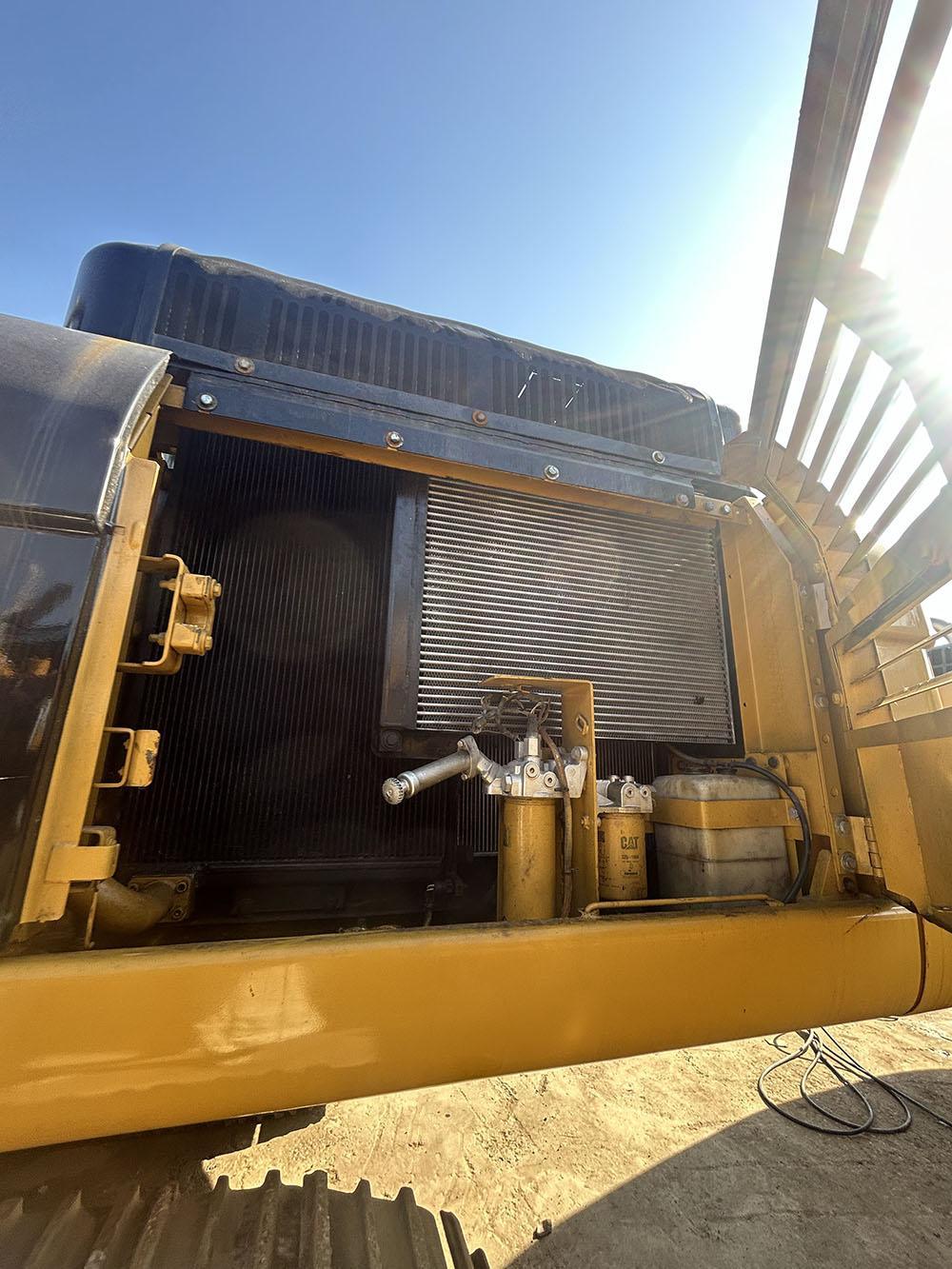


Expert Inspection Report
CAT 336D2L Excavator – Expert Review
Overview: The 36-Ton Heavyweight Legend
The Caterpillar 336D2L is a 36-ton class hydraulic excavator that represents the pinnacle of Caterpillar’s D-Series engineering for mid-size heavy excavation. As the Series 2 evolution of the legendary 336D, this machine was engineered for one purpose: maximum productivity in demanding applications – quarry operations, mining support, heavy infrastructure projects, and large-scale earthmoving.
What sets the 336D2L apart is its Cat C9 ACERT® engine delivering 208 kW (279 hp) of net power [6†L5][8†L7]. Combined with a massive 562 L/min hydraulic flow and a rugged long undercarriage (L) design, this machine delivers exceptional digging forces, lift capacity, and production rates that have made it one of the most respected machines in its class [8†L30].
For used buyers, the 336D2L represents a compelling value proposition: proven Cat reliability, outstanding power, and strong resale value – all without the complexity of Tier 4 Final aftertreatment systems found on newer machines [12†L5]. With production spanning approximately 2012 to 2018, understanding this machine’s specific strengths, known weaknesses, and realistic ownership costs is essential before making a purchase decision.
D2 Series Significance: The “D2” designation represents the second-generation upgrade to the D-Series platform, bringing refinements in fuel efficiency (up to 8% less fuel consumption than the predecessor) [9†L15-L17], improved hydraulic response, and enhanced operator comfort compared to the original 336D [18†L14].
“L” Undercarriage Advantage: The “L” suffix stands for Long Undercarriage, which provides a longer track frame, increased stability, and lower ground pressure – critical advantages when working on soft terrain or performing heavy lifting operations [12†L6].
Core Specifications
| Parameter | Standard Undercarriage | Long Undercarriage (L) |
|---|---|---|
| Engine Model | Cat® C9 ACERT™ | Cat® C9 ACERT™ |
| Net Power (SAE J1349/ISO 9249) | 208 kW (279 hp) | 208 kW (279 hp) |
| Gross Power (ISO 14396) | 209 kW (281 hp) | 209 kW (281 hp) |
| Displacement | 8.8 L (537 in³) | 8.8 L (537 in³) |
| Bore × Stroke | 112 mm × 149 mm | 112 mm × 149 mm |
| Operating Weight | 34,600 kg (76,300 lb) | 37,100 kg (81,800 lb) |
| Main Hydraulic Flow (Total) | 562 L/min (148 gpm) | 562 L/min (148 gpm) |
| Max Pressure – Equipment | 35,000 kPa (5,076 psi) | 35,000 kPa (5,076 psi) |
| Max Pressure – Swing | 28,000 kPa (4,061 psi) | 28,000 kPa (4,061 psi) |
| Swing Speed | 8.3 rpm | 8.3 rpm |
| Swing Torque | 109 kN·m (80,144 lb/ft) | 109 kN·m (80,144 lb/ft) |
| Maximum Travel Speed | 4.6 km/h (2.9 mph) | 4.6 km/h (2.9 mph) |
| Maximum Drawbar Pull | 300 kN (67,375 lbf) | 300 kN (67,375 lbf) |
| Bucket Digging Force | 210 kN (47,210 lbf) | 210 kN (47,210 lbf) |
| Stick Digging Force | 167 kN (37,543 lbf) | 167 kN (37,543 lbf) |
| Gradeability | 30° / 70% | 30° / 70% |
| Fuel Tank Capacity | 620 L (164 gal) | 620 L (164 gal) |
| Hydraulic System Capacity | 410 L (108 gal) | 410 L (108 gal) |
| Hydraulic Tank Capacity | 175 L (46 gal) | 175 L (46 gal) |
| Engine Oil Capacity | 41 L (11 gal) | 41 L (11 gal) |
| Cooling System Capacity | 40 L (11 gal) | 40 L (11 gal) |
| Bucket Capacity Range | 1.5 – 2.41 m³ | 1.5 – 2.41 m³ |
Sources: [6†L5-L24][8†L6-L35][13†L3-L14]
Working Ranges
| Parameter | Value |
|---|---|
| Maximum Digging Depth | 7,590 mm (24.9 ft) |
| Maximum Reach at Ground Level | 11,130 mm (36.5 ft) |
| Maximum Dumping Height | 7,000 mm (23.0 ft) |
| Maximum Digging Height | 10,250 mm (33.6 ft) |
| Maximum Vertical Digging Depth | 5,480 mm (18.0 ft) |
| Tail Swing Radius | 3,490 mm (11.5 ft) |
| Track Length | 5,060 mm (16.6 ft) |
| Track Shoe Width | 600 mm (24 in) |
Sources: [13†L14][13†L11-L13]
Five Core Strengths
1. The C9 ACERT Engine: Power Meets Efficiency
At the heart of the 336D2L is the Cat C9 ACERT® engine – an 8.8-liter, 6-cylinder turbocharged diesel that delivers 279 horsepower of net power and an impressive 281 hp of gross power [6†L10-L11]. This engine represents the pinnacle of Caterpillar’s pre-Tier 4 diesel engineering.
Key engine features:
-
No DPF or DEF required: The C9 meets U.S. EPA Tier 3, EU Stage IIIA, and China Stage III emission standards without requiring a diesel particulate filter or DEF fluid [6†L11][8†L16-L17]. This eliminates two of the most common and expensive failure points on modern diesel equipment.
-
Up to 9% fuel savings: The C9 engine, combined with a highly efficient hydraulic system, delivers up to 9% less fuel consumption than the predecessor while moving the same amount of material [9†L15-L17][18†L20].
-
ACERT Technology: Caterpillar’s proprietary combustion technology optimizes fuel delivery, air management, and electronic controls for complete combustion and low emissions [12†L7-L8].
-
High-altitude capability: The engine operates reliably up to 2,300 meters (7,546 ft) [8†L14-L15].
-
Automatic engine speed control: The system automatically reduces engine speed during no-load or light-load conditions, minimizing fuel consumption [9†L19].
-
Three-stage fuel filtration: A new three-stage filtration system protects the engine from contaminants in poor-quality fuel, improving reliability and stability [9†L18].
-
Proven reliability: The C9 engine is widely regarded as one of Caterpillar’s most durable pre-Tier 4 engines, with a long overhaul interval when properly maintained [12†L9].
2. High-Performance Hydraulic System
The 336D2L’s hydraulic system is among the most powerful in its class, delivering a total flow of 562 L/min (148 gpm) from two variable-displacement piston pumps [8†L30][13†L10].
Key hydraulic features:
-
Hydraulic cross-sensing system: Each of the two hydraulic pumps can utilize 100% of engine power under all operating conditions, improving productivity with faster implement speeds and quicker, more powerful pivot turns [12†L13].
-
Boom and stick regeneration circuits: These save energy during boom-down and stick-in operations, improving cycle times and fuel efficiency [12†L12].
-
Independent pilot pump: Provides smooth, precise control of the front linkage, swing, and travel operations [9†L20].
-
Heavy Lift Mode: One-touch activation instantly increases system pressure to maximum, providing maximum digging and lifting force when needed [12†L14].
-
Class-leading digging forces: The machine delivers 210 kN (47,210 lbf) of bucket digging force and 167 kN (37,543 lbf) of stick digging force – figures that translate directly into faster cycle times and higher production [13†L6-L7].
3. Heavy-Duty Long Undercarriage and Structure
The 336D2L was engineered for the toughest applications, featuring a Long Undercarriage (L) design that provides exceptional stability.
Structural highlights:
-
Long undercarriage design: The L model provides a longer track frame, increased stability, and lower ground pressure – critical advantages when working on soft terrain or performing heavy lifting operations [12†L6].
-
Reinforced X-shaped chassis: The X-shaped box-section carbody provides excellent resistance to torsional bending, with press-formed, robot-welded track roller frames for exceptional strength and durability [18†L28-L29].
-
Grease-lubricated tracks: Standard grease-lubricated tracks reduce internal bushing wear, extend service life, and lower operating costs [19†L7-L10].
-
High-strength boom and stick: Constructed from high-tensile steel plate with cast reinforcements at critical stress points and stress-relieved welds for extended fatigue life [12†L17].
-
Full track guards: Standard equipment protects the rollers and track chains from rock jams and damage [12†L16].
-
Hardened idlers and guide rollers: Provide excellent wear resistance in abrasive conditions [12†L17].
4. Operator Comfort and Control
The 336D2L’s operator station was designed for long-hour productivity.
Key cab features:
-
Spacious, quiet, and comfortable operator station assuring high productivity during a long work day [10†L20][11†L6].
-
Viscous rubber cab mounts: The cab shell is attached to the frame with viscous rubber mounts, which dampen vibrations and sound levels while enhancing comfort [8†L37-L38].
-
ROPS/FOPS certified cab: The cab structure meets Roll Over Protective Structure and Falling Object Protective Structure safety standards [8†L40-L41].
-
Large glass area: Excellent visibility to the right and rear with optional rearview camera [12†L21].
-
Full-color LCD monitor: The E-Series monitor provides clearer display of more information with larger, brighter screen and more memory [9†L21].
-
Low-effort pilot controls: Pilot-operated joystick controls are designed to match the operator’s natural wrist and arm position, maximizing comfort and minimizing fatigue [16†L28].
-
Thick steel tubing: Along the bottom perimeter of the cab, improving resistance to fatigue and vibration [8†L38-L40].
-
Effective climate control: Heating and air conditioning performance is class-leading.
5. Simplified Maintenance and Serviceability
The 336D2L is designed for easy serviceability to maximize uptime and minimize operating costs.
Maintenance features:
-
Extended service intervals: Improved filter systems and extended maintenance intervals reduce downtime [9†L22].
-
Convenient filter access: Filters are positioned for easy replacement [9†L22].
-
User-friendly electronic diagnostics: The machine is equipped with electronic diagnostic systems that make troubleshooting quick and efficient [9†L22].
-
Standard hydraulic test ports: Enable technicians to quickly and easily evaluate hydraulic system, engine oil, and coolant quality [17†L18].
-
Right-side service door: Provides ground-level access to the hydraulic pump, pilot filter, engine oil filter, S·O·S ports, and diagnostic pressure taps [17†L19].
-
S·O·S sampling ports: Scheduled Oil Sampling ports are provided for engine oil, hydraulic oil, and coolant, enabling proactive maintenance [12†L18].
Owner Feedback: What Real Users Say
The 336D2L has accumulated a substantial body of owner testimonials across global construction platforms.
What Owners Praise:
-
“Quality is excellent!!!” [16†L8]
-
“Strong power, fast work speed, convenient maintenance” [1†L9]
-
“The chassis drive sprocket craftsmanship is unmatched, very powerful, looks better than other brands, much stronger than the previous generation. Very satisfied. The cab is spacious with a large field of view.” [10†L20]
-
“Looks good, much better looking than other brands. After-sales maintenance can save a lot of money. Bought several units for the company, very good. The engine has strong power.” [10†L17]
-
“Compared to the same class of brands, Caterpillar is still more affordable. Now Caterpillar saves fuel. Recommended purchase.” [1†L10]
-
“Powerful, long-lasting, excellent workmanship. Good service. Comfortable driving.” [16†L11]
-
“Reliability is extremely high: the C9 engine and hydraulic system matching is a product of Caterpillar’s golden era. As long as maintenance is done properly, major repairs are extremely rare.” [16†L16]
Aggregated User Ratings:
| Category | Score (out of 100) |
|---|---|
| Appearance | 95–100 |
| Performance | 70–100 |
| Quality | 75–95 |
| After-sales Service | 85–100 |
| Price | 70–85 |
Sources: [10†L17-L27][16†L7-L8]
What Owners Note:
-
“Slow actions” – Multiple owners note that the machine’s cycle times are slower than some competitors [10†L27][16†L8].
-
“High fuel consumption” – One owner reported that without Eco mode, the machine consumes over 30 L/h, though this varies significantly by application [16†L11]. The design philosophy prioritizes fuel efficiency over raw speed.
-
“Price is expensive” – As with all Caterpillar equipment, the 336D2L commands a premium price [16†L6].
-
“Limited dealer service points” – Some owners in remote areas report limited dealer coverage [16†L6].
The Verdict from the Field: The 336D2L is widely regarded as a reliable, powerful, and durable machine that represents the “golden era” of Caterpillar engineering. Owners consistently praise its build quality, engine power, and long-term reliability. The primary trade-offs are slower cycle times compared to some competitors and higher fuel consumption in Power mode.
Common Issues and Known Weaknesses
Based on user feedback and technical analysis, the following recurring issues have been documented:
1. Fuel System Sensitivity. The C9’s fuel system, while robust, is sensitive to fuel quality and contamination. Common fuel-related issues include:
-
Water contamination in diesel filters causing engine combustion problems [2†L8-L9]
-
Fuel pump or injector damage leading to insufficient oil pressure [2†L9]
-
Air intake system leaks (air flow meter or turbocharger intake pipe) causing insufficient air intake [2†L9-L10]
For used buyers: Regular fuel filter changes and clean fuel are essential for long-term reliability. Use only genuine Cat filters.
2. Hydraulic System Leaks. Over time, seals and O-rings can harden, leading to external leaks around:
-
Seals, gaskets, connections, and hydraulic lines – common leakage areas requiring inspection [2†L25][17†L9]
For used buyers: Inspect the hydraulic system thoroughly for oil stains around the main control valve, cylinders, hoses, and pumps.
3. Engine Bearing Wear. The C9 engine’s bearings can wear over time, leading to:
-
Abnormal engine noise – increased clearance between the crankshaft and bearings creates knocking sounds [2†L15]
-
Power loss and increased fuel consumption – bearing failure increases crankshaft running resistance [2†L15-L16]
-
In severe cases, crankshaft seizure – preventing the engine from working [2†L16]
For used buyers: Listen carefully for unusual knocking or ticking sounds during cold start and at operating temperature.
4. Slow or No Hydraulic Action. Common hydraulic system faults include:
-
Abnormal main relief valve pressure causing slow machine action [17†L11]
-
Blocked or worn relief valves – may require cleaning or replacement [17†L12]
-
Abnormal pilot pressure or main pump pressure causing no machine action [17†L12]
For used buyers: Test all hydraulic functions under load – the machine should respond smoothly without hesitation.
5. Engine Overheating. Some owners have reported cooling system issues. Check the radiator and oil cooler for debris, damage, or bent fins.
6. Undercarriage Wear. The undercarriage is a major wear item on any tracked machine. The 336D2L’s track components (chains, sprockets, track shoes, carrier rollers) should be carefully inspected on any used unit.
7. Electrical and Sensor Issues. As with any electronically controlled machine, the 336D2L can develop sensor and wiring issues. Common symptoms include intermittent fault codes and performance issues that are difficult to diagnose without Cat ET diagnostic software.
Key Takeaway for Used Buyers: Most of these failure points are detectable with a proper pre-purchase inspection. A well-maintained 336D2L with adequate service records and clean oil analysis is far less likely to present major surprises than a cheaper unit with an unknown history.
Maintenance: Keeping the 336D2L Running
The 336D2L was designed with serviceability in mind, featuring extended maintenance intervals, advanced filtration, and user-friendly electronic diagnostics.
Recommended Maintenance Intervals:
| Component | Interval | Notes |
|---|---|---|
| Engine oil and filter | Every 500 hours | Use Cat-specified oil (41 L capacity) |
| Fuel filters | Every 500 hours | Genuine Cat filters essential |
| Hydraulic return filter | Every 1,000–2,000 hours | Monitor with S·O·S sampling |
| Hydraulic oil change | Extended intervals | Monitor with S·O·S sampling |
| Swing drive oil | First 250h, then every 1,000h | 19 L per drive |
| Final drive oil | First 250h, then every 1,000h | 8 L per drive |
| Coolant change | Every 2,000 hours | 40 L capacity |
Estimated 5,000-Hour Maintenance Cost Trends (Reference – USD):
| Maintenance Category | Estimated Cost (USD) | Notes |
|---|---|---|
| Engine oil + filter changes (10 × 500h) | $2,000–3,500 | Using genuine Cat parts |
| Fuel filters (10 × 500h) | $400–800 | Primary + secondary sets |
| Hydraulic oil + filter change (2–3 changes) | $1,500–2,500 | Based on extended intervals |
| Swing/final drive oil changes | $600–1,200 | Every 1,000h |
| Undercarriage (tracks, sprockets, rollers) | $6,000–12,000 | Major wear item |
| Bucket teeth / wear parts | $1,500–3,500 | Depends on material handled |
| Labor (accumulated over 5,000h) | $4,000–8,000 | Varies significantly by region |
| Estimated 5,000-hour total (routine) | $16,000 – $31,500 | Excludes major repairs |
Note: These are estimated ranges. Actual costs vary by region, parts pricing, operating conditions, and maintenance history.
How the 336D2L Compares to Competitors
| Specification | CAT 336D2L | Volvo EC350DL | Komatsu PC360-8 |
|---|---|---|---|
| Engine | Cat C9 ACERT | Volvo D8E | Komatsu SAA6D107E |
| Net power | 208 kW (279 hp) | ~175 kW (235 hp) | ~190–200 kW (255–268 hp) |
| Operating weight | 34,600–37,100 kg | ~35,000 kg | ~35,500–36,500 kg |
| Hydraulic flow | 562 L/min | ~520 L/min | ~530 L/min |
| Bucket capacity | 1.5–2.41 m³ | ~1.5–2.0 m³ | ~1.5–2.0 m³ |
| Tail swing | Standard / L | Standard | Reduced / Conventional |
| DPF/DEF required | No (Tier 3) | Yes (Tier 4F) | Yes (Tier 4F on later models) |
| Dealer network | ★★★★★ | ★★★★ | ★★★★ |
| Resale value | ★★★★★ | ★★★★ | ★★★★ |
CAT 336D2L advantages:
-
No DPF/DEF – simpler, cheaper to maintain than Tier 4 Final competitors [12†L5]
-
Proven reliability – the C9 engine is widely regarded as one of Cat’s most durable pre-Tier 4 designs [16†L16]
-
Greater hydraulic flow – 562 L/min vs. competitors’ ~530 L/min
-
Larger bucket capacity – up to 2.41 m³
-
Strongest resale value – Cat consistently holds value better than competitors
-
Excellent parts availability – Cat’s global dealer network is unmatched
Where competitors may win:
-
Volvo EC350DL offers a more refined operator experience and potentially better fuel efficiency in some applications
-
Komatsu PC360-8 offers Komtrax telematics and strong dealer network in Asia
The Verdict: The 336D2L is the clear choice for owners who need a reliable, powerful 36-ton excavator with proven durability and strong resale value. Its Tier 3 emissions compliance – meaning no DPF or DEF systems – represents a significant advantage over newer Tier 4 Final machines for buyers who want to avoid aftertreatment complexity and costs.
Used Market Price Reference (2025–2026)
Used CAT 336D2L pricing varies significantly by year, hours, condition, attachments, and region.
Recent Market Listings (Chinese Market – RMB/USD):
| Year | Hours | Price (RMB) | Price (USD approx.) |
|---|---|---|---|
| 2014 | 13,500 | 320,000 | ~$44,000 |
| 2015 | 7,602 | 308,000 | ~$42,500 |
| 2016 | 5,684 | 320,000 | ~$44,000 |
| 2017 | 8,000–8,385 | 460,000–490,000 | ~$63,500–67,500 |
| 2018 | 8,362 | 498,000 | ~$68,500 |
Sources: [15†L10-L16][15†L24-L25]
9.9成新 Unit Example:
-
Year: 2023
-
Hours: Low
-
Price: ~$36,000 USD (263,500 RMB)
-
Note: Working condition excellent, engine powerful, no repair history, major components (engine, hydraulic pump, distribution valve, swing motor) all undamaged [15†L19-L20]
Price Trend Observations:
-
Wide variation: Prices range from approximately $36,000 to over $68,500 depending on condition, hours, and region
-
Year matters: Newer units (2017–2018) command significantly higher prices than older units (2014–2015)
-
Hours matter: Low-hour units (under 5,000 hours) command premium prices
-
Regional variation: Prices vary significantly by location and market conditions
Valuation Factors:
| Factor | Premium/Discount | Notes |
|---|---|---|
| Complete service records | +10–15% | Documentation reduces buyer risk |
| Low hours (under 5,000) | +$10,000–20,000 | Near-new condition commands premium |
| Long undercarriage (L model) | +$3,000–8,000 | Enhanced stability |
| Hydraulic thumb & quick coupler | +$3,000–6,000 | Adds significant functionality |
| Additional buckets | +$1,500–4,000 | Multiple buckets add versatility |
| Visible hydraulic leaks or fault codes | –20–40% | Indicates deferred maintenance |
| No service records | –10–20% | Highest inspection risk |
Used Buyer’s Checklist
When evaluating a used CAT 336D2L, follow this comprehensive inspection protocol:
1. Verify machine identity, serial number, and variant. Check the serial number to confirm the exact model and year of manufacture. The 336D2L was produced from approximately 2012 to 2018, with serial number prefixes indicating different production batches. Confirm whether the machine is a standard or Long Undercarriage (L) variant – the L model has higher operating weight and provides better stability [12†L6].
2. Verify the engine model and emissions tier. Confirm the machine has the Cat C9 ACERT engine (8.8 L). The 336D2L meets Tier 3 / Stage IIIA emission standards – no DPF or DEF systems, which is a major advantage for used buyers [6†L11][8†L16-L17].
3. Cold-start the engine. Listen for unusual knocking, ticking, or rough idle. Watch for excessive smoke: black indicates fuel system issues, blue indicates oil burning, white indicates coolant leak. Let the machine warm up fully – some issues only appear at operating temperature. Pay special attention to any knocking sounds that may indicate bearing wear [2†L15-L16].
4. Check for fault codes. If the machine displays fault code 36:164-3, this may indicate water contamination in the fuel filter, fuel pump/injector damage, or air intake system leaks [2†L8-L10].
5. Test all hydraulic functions. Operate the machine through its full range: boom raise/lower, stick in/out, bucket curl/dump, swing left/right, and travel forward/back. The machine should respond smoothly without hesitation, whining pumps, or jerky movements. Check for slow action or no action – potential causes include abnormal main relief valve pressure, blocked relief valves, or abnormal pilot/main pump pressure [17†L11-L12].
6. Check for hydraulic drift. Raise the boom to full height, shut off the engine, and time the drop. Significant drift within 5 minutes indicates failing cylinder seals or a faulty holding valve.
7. Inspect the hydraulic system for leaks. Look for oil stains around the main control valve, cylinders, hoses, and pumps – common leakage areas include seals, gaskets, connections, and hydraulic lines [2†L25][17†L9].
8. Inspect the undercarriage thoroughly. The 336D2L’s undercarriage is a major wear item. Check track sag (should be 10–30 mm between the track and carrier roller). Inspect track shoes for uneven wear patterns. Check sprockets for “hooking” (pointed teeth, indicating imminent replacement). Examine rollers for flat spots, seized rotation, or leaking seals.
9. Check for structural cracks. Carefully inspect high-stress areas: boom foot, boom-to-stick pivot point, stick-to-bucket linkage, and main frame near the slew bearing. Look for weld repairs that may indicate previous cracking.
10. Run a diagnostic scan. Using Cat ET (Electronic Technician), check for active or logged fault codes – especially fuel system codes and engine derate conditions.
11. Request S·O·S oil analysis. This is the single most valuable pre-purchase test. Lab results for engine oil, hydraulic oil, and final drives reveal internal wear patterns, contamination, and fuel/coolant dilution before symptoms appear.
12. Verify service records and maintenance history. A 336D2L with complete documentation is worth a significant premium over one with unknown maintenance history.
13. Beware of repainted machines. Fresh paint can hide cracks, weld repairs, and hydraulic leaks. Look for paint overspray on hydraulic hoses, wiring, and decals.
Final Verdict
The CAT 336D2L is one of the most respected 36-ton excavators in the global market. Its combination of the proven C9 ACERT engine, powerful 562 L/min hydraulic system, and Caterpillar’s unmatched global parts support has kept it relevant long after production ended. For used buyers, the 336D2L offers a compelling value proposition – provided you understand what you’re buying and can perform proper due diligence.
Who should buy a used CAT 336D2L:
-
Quarry and mining operators needing a durable, high-production 36-ton excavator with proven reliability [12†L3]
-
Large-scale earthmoving contractors requiring serious production capability for major infrastructure projects
-
Owners who prioritize reliability and durability over ultimate fuel efficiency – the 336D2L delivers proven performance
-
Buyers who value resale value – the 336D2L holds its value better than most competitors
-
Operations with access to strong Cat dealer support – parts availability is critical for long-term reliability
Who should look elsewhere:
-
Operators working primarily in confined spaces – the 336D2L is a large, conventional-tail-swing machine
-
Buyers who cannot access Cat dealer support – OEM parts are essential for reliability
-
Owners who prioritize absolute fuel efficiency above all else – while the 336D2L offers up to 8% fuel savings over its predecessor, it consumes fuel accordingly
-
Those who need Tier 4 Final emissions compliance – the 336D2L meets Tier 3 only
-
Operators who require the fastest cycle times – some owners note the machine’s actions are “slow” compared to competitors [10†L27][16†L8]
The bottom line: A well-maintained CAT 336D2L with documented service history, clean S·O·S oil analysis, and a healthy hydraulic system will deliver thousands of hours of reliable service and hold its value better than most competitors. The C9 ACERT engine provides proven power, and the 562 L/min hydraulic flow ensures outstanding productivity. The machine’s Tier 3 emissions compliance – meaning no DPF or DEF systems – represents a significant advantage over newer Tier 4 Final machines for buyers who want to avoid aftertreatment complexity and costs [12†L5].
The 336D2L is widely regarded as a product of Caterpillar’s “golden era” – a time when the company prioritized mechanical reliability and serviceability over electronic complexity. Owners consistently praise its build quality, engine power, and long-term reliability [16†L16]. However, the machine is not without its challenges. The documented issues – particularly fuel system sensitivity, hydraulic leaks, and engine bearing wear – mean that thorough pre-purchase inspection is essential.
For contractors who need a 36-ton production machine and have the resources to maintain it properly, the used CAT 336D2L remains one of the smartest buys in today’s market. Its combination of Cat build quality, mechanical simplicity (no DPF/DEF), and strong resale value makes it a machine that will serve its owner well for years to come. Just go in with eyes open – know the common issues, budget accordingly for maintenance, and follow a disciplined inspection routine before purchase.
Company Description
Taihongmachinery (TH Engineering Equipment Limited) is a premier global supplier specializing in the export of high-quality, pre-owned heavy construction equipment.
Our company sells Caterpillar,Komatsu,Sany,Doosan,Hyundai,Hitachi,Volvo,Kubota used excavators, used bulldozers, used loaders, used graders, used cranes, used rollers, etc. With a strategic focus on the international trade of used excavators, we have established ourselves as a cornerstone of reliability for clients across Southeast Asia, South Asia, the Middle East, Africa, and South America.
Shipping & Delivery Policy
At Taihong Machinery, we provide flexible global logistics solutions for all our used heavy machinery.
Shipping Method: We recommend working with professional international freight forwarders specializing in heavy equipment (RORO or Flat Rack container shipping).
Flexibility: We are happy to work with your preferred freight forwarder. If you do not have one, we can leverage our network of reliable, certified global logistics partners to provide competitive shipping quotes to your nearest port.
Preparation: All machines undergo professional cleaning and safety inspections prior to loading to ensure they meet international shipping regulations.
Documentation: We provide all necessary export documentation, including Bills of Lading, Packing Lists, and Commercial Invoices, to ensure smooth customs clearance at the destination.
Return & Refund Policy
We provide a detailed pre-shipment inspection report and live video call to confirm machine condition. Returns are generally not accepted, but if the machine does not match the inspection report, we will negotiate a resolution.
Inspection: We encourage all buyers to conduct a thorough inspection of the machine, either in person at our yard in China or via live video consultation with our technicians.
Pre-shipment Verification: Before the machine leaves our yard, we provide a full functional test report and live video proof of the engine, hydraulic, and structural condition. Once the buyer confirms the machine status and the machine is loaded for export, we do not accept returns.
Warranty: All equipment is sold in “as-is” condition. We are committed to transparency and will disclose all known technical details prior to purchase.
Support: Should any issues arise during the shipping process, we will provide full support in communicating with your insurance provider and the shipping line.
Success Cases


A:
The 336D2L is a conventional tail-swing, heavy-duty crawler excavator designed for applications ranging from mass earthmoving and large-scale infrastructure projects to quarry and mining support work. Compared to the 336D, the D2 incorporates refinements to improve fuel economy and serviceability, but fundamentally relies on the same reliable C9 ACERT engine architecture. With a standard operating weight around 34,500–37,100 kg and bucket capacities from 1.4 to 2.41 m³, the 336D2L is solidly in the 35–37 ton range, making it a popular choice for buyers who need generous capacity and stability but do not require an even larger 40+ ton machine.
A:
The 336D2L is powered by a C9 ACERT engine, produced in two emission variants. For markets with Tier 2 or China Tier 2 requirements, the C9 meets those standards without a diesel particulate filter (DPF) or a selective catalytic reduction (SCR) system. For regions that adopted Tier 3 or Stage IIIA, the engine also meets those standards without requiring SCR. In either case, the C9 ACERT is a standard mechanical-unit-injected diesel—it does not use the more complex common-rail or aftertreatment systems found on newer Tier 4 Final machines. Despite differences in emission rating, all C9 engines deliver similar net power of 200–209 kW.
This design choice has significant maintenance implications. The 336D2L requires no DPF regeneration, no DEF fluid, and no exhaust gas recirculation system, eliminating some of the most common sources of downtime and operating cost on modern diesel equipment. For used buyers, this translates into simpler field repairs, reduced consumable costs, and consistent performance without the risk of aftertreatment system faults.
A:
For a 36-ton excavator in demanding conditions, the 336D2L is widely considered a reliable and productive performer. According to Boom & Bucket, the 336D2L is a “true powerhouse” that has earned a reputation for being a “force to be reckoned with,” thanks to its high-performance diesel engine and advanced hydraulic system that enables precise control and smooth operation. The spacious, ergonomic cabin and state-of-the-art safety features, including advanced monitoring systems and stability controls, aim to reduce operator fatigue and improve job site safety.
From a durability standpoint, the construction is robust. The 336D2L is built with a reinforced X-shaped chassis and a durable undercarriage, designed to endure the rigors of the toughest job sites, and its proven reliability ensures consistent operation day in and day out, minimizing unplanned downtime.
Caterpillar has also focused on ease of maintenance. Features like grouped service points, extended filter change intervals, and a standard rearview camera are designed to reduce daily servicing time and enhance operator safety. For buyers who value a straightforward heavy excavator without a steep technology curve, these practical design elements have kept the D2L in high demand on the used market.
A:
While the 336D2L is fundamentally reliable, several issues have been documented in field service that used buyers should be aware of.
1. Fuel System and Injector Wear. The C9 engine’s unit injectors can degrade over time, particularly number six injector due to heat exposure. Symptoms include black smoke, rough idle, reduced power, or increased engine oil level from fuel dilution. If not addressed early, a leaking injector can cause serious internal engine damage. For used buyers, a strong smell of diesel on the dipstick is an immediate red flag.
2. Engine Electronics and Sensor Failures. The engine control module, which manages the C9’s electronics, is a known source of occasional faults. Intermittent wiring problems, particularly due to chafing or corrosion, can lead to fault codes without clear root causes, causing time-consuming diagnostic work. The 36:164-3 fault code, which relates to the injection actuation pressure circuit, is one of several that may appear on the monitor [2†L15-L18].
3. Electrical Harness Connectors. The C9 engine harness uses a multi-pin connector at the ECM. Corrosion or poor pin fit in this connector can produce erratic sensor signals and unpredictable engine behavior. Thoroughly inspecting J1/P1 ECM connector and all other connectors in the wiring harness is necessary to pinpoint many electrical faults [2†L9-L14].
4. Hydraulic Pump Wear (High Hours). Around 10,000–12,000 hours, the main hydraulic pumps may begin to lose efficiency. Symptoms include slower cycle times, reduced digging force, and elevated hydraulic oil temperature. Pump rebuild costs typically range from $3,000–6,000, making it an important consideration for buyers evaluating high-hour machines.
5. Undercarriage Wear. The undercarriage can account for up to 50% of a machine’s lifetime maintenance costs, so careful inspection of track components is essential [3†L26-L27]. For the 336D2L, track shoe options include 600 mm, 700 mm, and 800 mm widths, with wider shoes providing lower ground pressure but adding stress to the track frame.
6. Boom and Stick Pivot Pin Wear. The pins and bushings in the boom and stick joints wear over time, leading to increased play, sloppy operation, and stress on cylinder seals. At high hours, pin and bushing replacement becomes necessary before the wear causes cylinder rod damage.
7. Cooling System Fouling. The radiator and hydraulic oil cooler can become clogged with debris, particularly in dusty environments or when working near vegetation. Regular cleaning of the “waved fin radiator” and oil cooler is essential to maintain proper cooling capacity in hot climates. The 336D2L includes a standard high-ambient cooling package rated for 52°C (125°F), but normal airflow must be maintained for the cooling system to deliver its rated capacity [6†L32].
Key Takeaway for Used Buyers: Many of these issues—injector wear, electrical faults, pin wear, and pump degradation—are detectable with proper pre-purchase inspection. A machine with documented service records, clean S·O·S oil analysis, and no active fault codes is far less likely to present major surprises than a cheaper unit with unknown history.
A:
Two of the most significant cost advantages of the 336D2L are the C9 engine’s extended service intervals and the elimination of DEF-related expenses.
Service Interval Summary:
| Component | Standard Interval | Notes |
|---|---|---|
| Engine oil & filter (after initial) | Every 500 hours | Extendable using S·O·S oil analysis |
| Fuel filters | Every 500 hours | Use only genuine Cat filters |
| Hydraulic return filter | Standard 2,000 hours | Extendable to 3,000–4,000 hours with oil analysis |
| Hydraulic oil | Every 4,000–6,000 hours | Using Cat HYDO Advanced oil |
| Swing drive oil | First 250h, then every 1,000h | — |
| Final drive oil | First 250h, then every 1,000h | — |
| Coolant | 6,000 hours or 3 years | With Cat Extended Life Coolant |
The C9 engine is designed with a one-, two-, and three-level lifecycle for its components [3†L36-L37]. This means that timely maintenance on lower-level parts protects the more expensive, long-life core components and helps owners avoid catastrophic failures. For example, keeping filters and fuel system components in good condition directly extends the life of the injectors and high-pressure oil system.
Estimated Maintenance Cost Trends:
| Maintenance Item | Approx. Cost (USD) | Notes |
|---|---|---|
| Engine oil & filter change | $200–300 per service | Using genuine Cat parts |
| Fuel filter set (primary + secondary) | $100–150 per change | Genuine filters essential |
| Hydraulic oil & filter change | $1,500–2,000 | Every 4,000–6,000 hours |
| Undercarriage rebuild | $8,000–15,000 | Every 6,000–10,000 hours depending on conditions |
| Hydraulic pump rebuild | $3,000–6,000 | As needed (typically 10,000+ hours) |
| Engine top-end overhaul | $6,000–12,000 | Injectors, valve adjustment, seals (12,000+ hours) |
5,000-Hour Cumulative Maintenance Estimate (Routine Only):
| Cost Category | Estimated Cost (USD) |
|---|---|
| Engine oil + filter changes (10 × 500h) | $2,000–3,000 |
| Fuel filters (10 × 500h) | $1,000–1,500 |
| Hydraulic service (1–2 changes) | $1,500–2,500 |
| Undercarriage component replacement | $4,000–8,000 |
| Bucket teeth & wear parts | $1,500–3,500 |
| Labor (accumulated over 5,000h) | $4,000–8,000 |
| Estimated 5,000-hour maintenance (routine) | $14,000–26,500 |
Note: These are estimated ranges. Actual costs vary by region, parts pricing, operating conditions, and maintenance quality.
You may also like

1-2 Unit$10,800
>=3 Units$9,800
(Price is FOB . Contact WhatsApp for CIF price & shipping cost.)

1-2 Unit$34,000
>=3 Units$31,000
(Price is FOB . Contact WhatsApp for CIF price & shipping cost.)
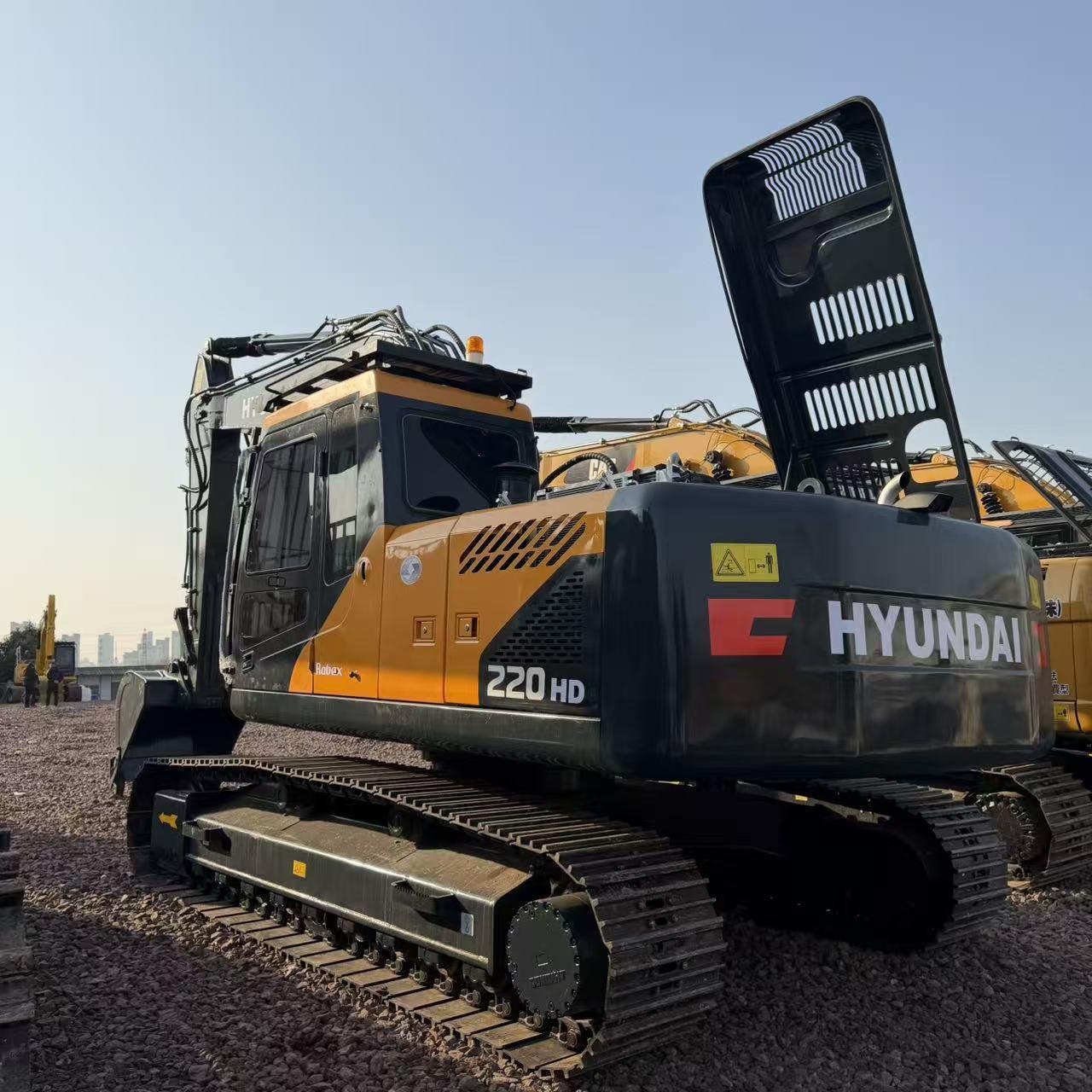
1-2 Unit$25,800
>=3 Units$24,800
(Price is FOB . Contact WhatsApp for CIF price & shipping cost.)

1-2 Unit$23,188
>=3 Units$22,000
(Price is FOB . Contact WhatsApp for CIF price & shipping cost.)

1-2 Unit$60,000
>=3 Units$58,000
(Price is FOB . Contact WhatsApp for CIF price & shipping cost.)
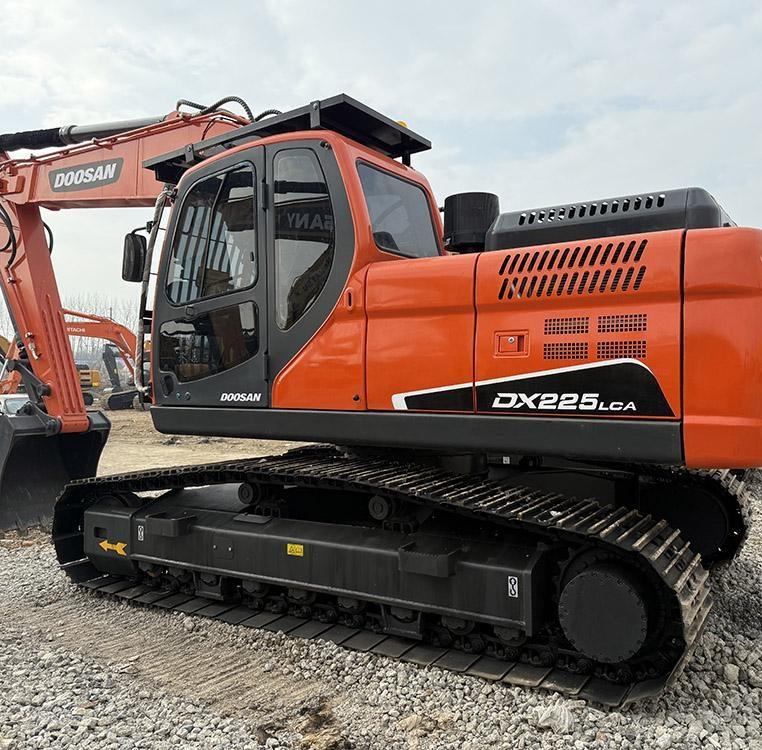
1-2 Unit$25,000
>=3 Units$23,000
(Price is FOB . Contact WhatsApp for CIF price & shipping cost.)
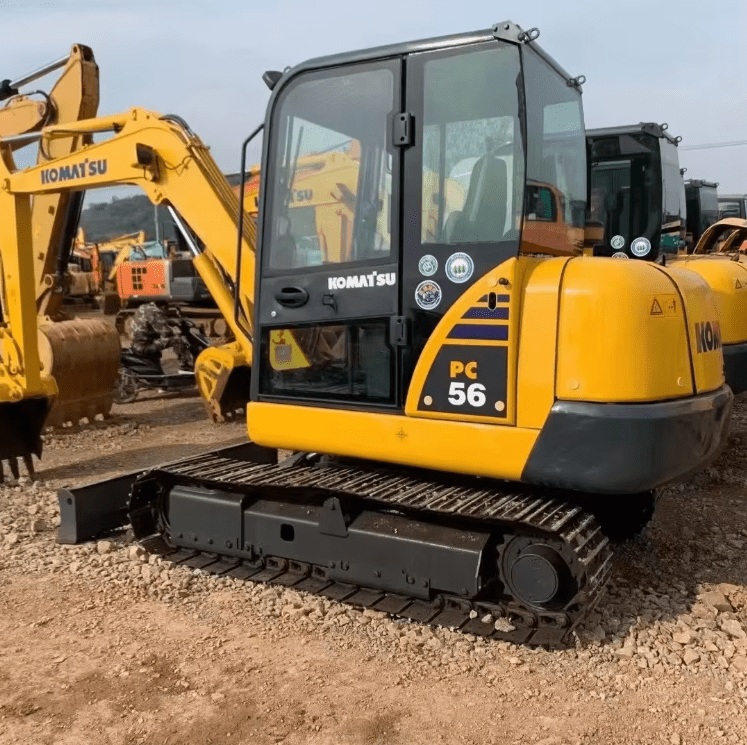
1-2 Unit$9,800
>=3 Units$7,500
(Price is FOB . Contact WhatsApp for CIF price & shipping cost.)
1-2 Unit$27,800
>=3 Units$24,800
(Price is FOB . Contact WhatsApp for CIF price & shipping cost.)