

您在这里:
- Home
- PRODUCT
- Excavator
- Caterpillar
- 2021 Caterpillar 307.5 Used Excavator 7.5 Ton Mini…
2021 Caterpillar 307.5 Used Excavator 7.5 Ton Mini Crawler for Sale
1-2 Unit$17,800
>=3 Units$16,888
(Price is FOB . Contact WhatsApp for CIF price & shipping cost.)
Shop 2021 Caterpillar 307.5 used excavator – 7.5 ton mini crawler for sale. Reliable performance, low hours. Global shipping available. Request a quote today.
| Brand | CAT, Caterpillar |
|---|---|
| Country of Origin | Japan |
| Year | 2021 |
| Model Number | 307.5 |
| Working Hours | 1000H |
Categories: Caterpillar, Excavator
Tags: CAT307.5, Caterpillar 307.5, crawler excavator, mini digger, mini excavator, used digger, used excavator
Product Categories
Product Specifications
| Parameter | Value (Metric) |
|---|---|
| Model | CAT 307.5 |
| Engine Model | Cat C2.4 Turbo |
| Net Power (T4F) | 40.9 kW (54.8 hp) |
| Net Power (T3) | 34.9 kW (46.8 hp) |
| Displacement | 2.43 L |
| Operating Weight (Min) | 7,504 kg |
| Operating Weight (Max) | 8,233 kg |
| Max Digging Depth (Long Stick) | 4,649 mm |
| Max Reach (Long Stick) | 6,670 mm |
| Max Dump Height (Long Stick) | 5,717 mm |
| Pump Flow | 167 L/min |
| Bucket Digging Force | 54.6 kN |
| Travel Speed (High) | 5.0 km/h |
| Travel Speed (Low) | 3.1 km/h |
| Fuel Tank Capacity | 145 L |
| Hydraulic Tank Capacity | 53 L |
| Overall Length | 6,250 mm |
| Overall Width | 2,200 mm |
| Transport Height | 2,550 mm |
Product Pictures
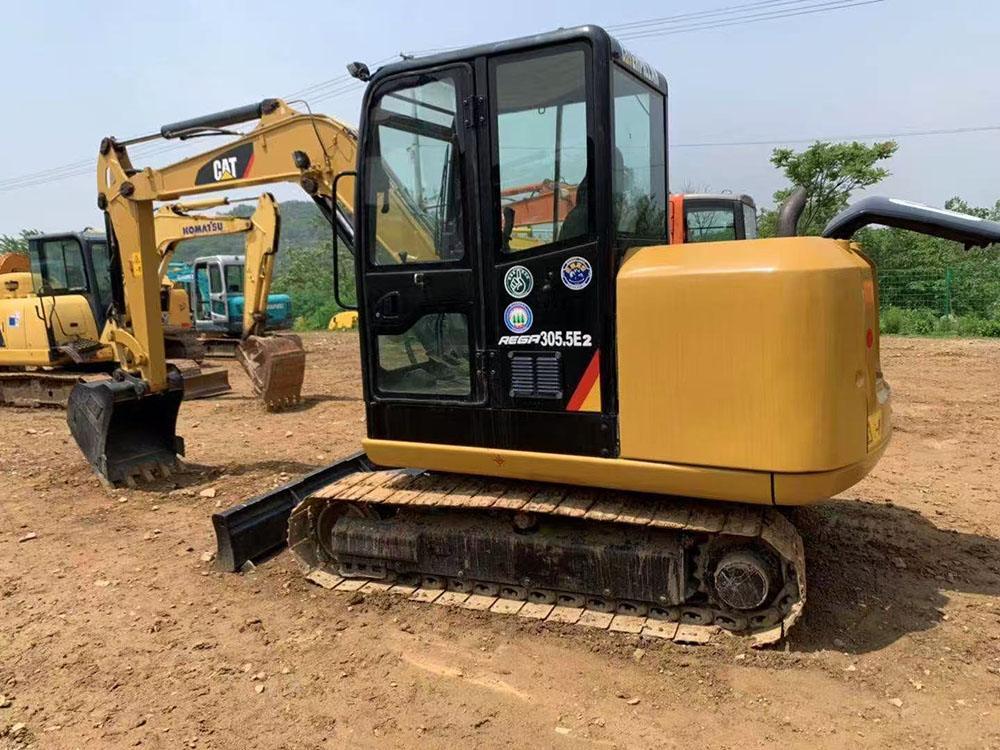


Expert Inspection Report
Expert Review: Used CAT 307.5 Mini Hydraulic Excavator
The CAT 307.5 occupies a strategic position in Caterpillar’s mini excavator lineup—a 7.5-ton class machine that bridges the gap between compact 5-ton models and larger 8-ton-plus excavators. Launched as part of Caterpillar’s Next Generation series, this model was designed to deliver up to 20% more performance and up to 10% lower total ownership costs compared to previous generations. For used buyers, the 307.5 represents a compelling option for contractors who need genuine digging power in a still-maneuverable package. Understanding what this machine offers—and what to watch for—is essential before making a purchase decision.
Company Description
Taihongmachinery (TH Engineering Equipment Limited) is a premier global supplier specializing in the export of high-quality, pre-owned heavy construction equipment.
Our company sells Caterpillar,Komatsu,Sany,Doosan,Hyundai,Hitachi,Volvo,Kubota used excavators, used bulldozers, used loaders, used graders, used cranes, used rollers, etc. With a strategic focus on the international trade of used excavators, we have established ourselves as a cornerstone of reliability for clients across Southeast Asia, South Asia, the Middle East, Africa, and South America.
Shipping & Delivery Policy
At Taihong Machinery, we provide flexible global logistics solutions for all our used heavy machinery.
Shipping Method: We recommend working with professional international freight forwarders specializing in heavy equipment (RORO or Flat Rack container shipping).
Flexibility: We are happy to work with your preferred freight forwarder. If you do not have one, we can leverage our network of reliable, certified global logistics partners to provide competitive shipping quotes to your nearest port.
Preparation: All machines undergo professional cleaning and safety inspections prior to loading to ensure they meet international shipping regulations.
Documentation: We provide all necessary export documentation, including Bills of Lading, Packing Lists, and Commercial Invoices, to ensure smooth customs clearance at the destination.
Return & Refund Policy
We provide a detailed pre-shipment inspection report and live video call to confirm machine condition. Returns are generally not accepted, but if the machine does not match the inspection report, we will negotiate a resolution.
Inspection: We encourage all buyers to conduct a thorough inspection of the machine, either in person at our yard in China or via live video consultation with our technicians.
Pre-shipment Verification: Before the machine leaves our yard, we provide a full functional test report and live video proof of the engine, hydraulic, and structural condition. Once the buyer confirms the machine status and the machine is loaded for export, we do not accept returns.
Warranty: All equipment is sold in “as-is” condition. We are committed to transparency and will disclose all known technical details prior to purchase.
Support: Should any issues arise during the shipping process, we will provide full support in communicating with your insurance provider and the shipping line.
Success Cases


A:
The 307.5 sits above the 305.5 (5.5-ton class) and below the 308 (8-ton class) in Caterpillar’s mini excavator hierarchy. This positioning gives it a distinct advantage: it offers significantly more power and digging force than smaller machines while remaining compact enough for residential, municipal, and landscaping applications. The 307.5 is particularly well-suited for:
-
Residential construction — Foundation digging, utility trenching, and site preparation
-
Landscaping and hardscaping — Grading, boulder placement, and retaining wall construction
-
Utility installation — Water, sewer, and electrical line trenching
-
Small-scale demolition — Building tear-downs and concrete breaking
-
Rural and agricultural projects — Drainage work, pond digging, and fence line clearing
Field user feedback consistently praises the 307.5 for its power-to-size ratio. One operator reports that the machine “has a lot of power and speed, digging stones very forcefully—it lifts up immediately. For tasks like picking up ground beams, many excavators can’t lift them, but Caterpillar does it very easily”. Another user notes that the machine’s hydraulic system is “well-designed, providing excellent operating experience and response speed” with “efficient hydraulic valve control technology” that enables precise oil flow and pressure control.
However, the 307.5’s price point is a recurring theme in user feedback. Multiple owners note that while the machine delivers excellent performance and reliability, “the brand is a good brand, it’s just a bit expensive”. One user who paid approximately 360,000 RMB (roughly $50,000 USD) for a new unit commented that while “the price isn’t cheap for a mini excavator… the equipment is unquestionable, definitely better quality than Sany or XCMG”. This price premium is a critical consideration for used buyers evaluating cost versus value.
A:
The CAT 307.5 is powered by the Cat C2.4 Turbo diesel engine, a 2.43-liter, 4-cylinder powerplant that delivers impressive output for its displacement.
| Parameter | Value |
|---|---|
| Engine Model | Cat C2.4 Turbo |
| Gross Power – SAE J1995:2014 | 43.2 kW (57.9 hp) |
| Net Power – ISO 9249 (Tier 4 Final) | 40.9 kW (54.8 hp) |
| Displacement | 2.43 L (148 in³) |
| Bore × Stroke | 87 mm × 102 mm (3.4 in × 4.0 in) |
| Rated Speed | 2,400 rpm |
| Emissions Standard | U.S. EPA Tier 4 Final / EU Stage V |
Weights and Dimensions:
| Parameter | Value |
|---|---|
| Minimum Operating Weight (Cab) | 7,504 kg (16,549 lb) |
| Maximum Operating Weight (Cab) | 8,120–8,233 kg (17,905–18,152 lb) |
| Overall Shipping Length (with counterweight) | 6,250 mm (246.1 in) |
| Overall Track Width | 2,200 mm (86.6 in) |
| Transport Height | 2,550–2,656 mm (100.4–104.6 in) |
| Tail Swing with Counterweight | 1,930 mm (76.0 in) |
| Track Shoe Width | 450 mm (17.7 in) |
Working Ranges (Long Stick Configuration):
| Parameter | Value |
|---|---|
| Maximum Digging Depth | 4,642–4,649 mm (182.8 in) |
| Maximum Reach at Ground Level | 6,670 mm (262.6 in) |
| Maximum Dump Clearance | 5,717 mm (225.1 in) |
| Maximum Digging Height | 7,765 mm (305.7 in) |
| Bucket Digging Force (ISO) | 54.6 kN (12,272 lbf) |
| Stick Digging Force – Standard Stick | 37.8 kN (8,504 lbf) |
| Stick Digging Force – Long Stick | 33.7 kN (7,579 lbf) |
Hydraulic System:
| Parameter | Value |
|---|---|
| Pump Flow at 2,400 rpm | 167 L/min (44 gpm) |
| Operating Pressure – Equipment | 285 bar (4,134 psi) |
| Primary Aux Circuit Flow | 132 L/min (35 gpm) |
| Secondary Aux Circuit Flow | 33 L/min (9 gpm) |
Travel System:
| Parameter | Value |
|---|---|
| Travel Speed – High | 5.0 km/h (3.1 mph) |
| Travel Speed – Low | 3.1 km/h (1.9 mph) |
| Maximum Traction Force – Low Speed | 62.4 kN (14,035 lbf) |
| Gradeability – Maximum | 30 degrees |
Capacities:
| Parameter | Value |
|---|---|
| Fuel Tank | 145 L (38.3 gal) |
| Hydraulic System (Total) | 110 L (29.0 gal) |
| Hydraulic Tank | 53 L (14.0 gal) |
| Engine Oil | 9.5 L (2.5 gal) |
| Cooling System | 10 L (2.6 gal) |
Operator Environment:
| Parameter | Value |
|---|---|
| In-Cab Sound Level | 72 dB(A) |
| Cab Type | Sealed and Pressurized |
| Recyclability | 96% |
The weight range is notable: minimum operating weight (7,504 kg) is achieved with steel tracks, no counterweight, operator, full fuel tank, standard stick, blade, and no bucket. Maximum operating weight (8,233 kg) adds a counterweight (+250 kg), long stick (+82 kg), and steel tracks with rubber pads (+285–300 kg). This flexibility allows used buyers to understand exactly what configuration they’re evaluating—and whether a given unit’s weight aligns with its stated specification.
A:
The 307.5’s performance credentials are built on several key technologies that distinguish it from previous-generation mini excavators.
Next Generation Hydraulics: The load-sensing hydraulic system with variable displacement piston pump delivers 167 L/min of flow at 2,400 rpm—substantial for a 7.5-ton machine. This translates to a bucket digging force of 54.6 kN (12,272 lbf), which puts the 307.5 at the top end of its class. The electrohydraulic system “responds quickly and efficiently to the task at hand”.
Cat Stick Steer: One of the 307.5’s standout features is the ability to switch from traditional travel levers and pedals to joystick control with the push of a button. This reduces operator effort and improves control, particularly during long days of repetitive work. An operator in Yunnan, China, specifically praised this feature: “The handle-controlled travel function is very convenient to operate”.
Smart Mode: The machine features a “Smart” power-on-demand system that automatically adjusts engine and hydraulic output based on digging conditions. When hydraulic demand decreases, engine speed automatically lowers to reduce fuel consumption. An icon on the display indicates when Smart mode is active.
Next Generation Monitor: The intuitive LCD monitor provides customizable operator preferences and easy-to-read machine information. The cab includes Bluetooth-integrated radio with USB ports, automatic climate control, and a suspension seat with adjustable wrist rests.
Operator Comfort: Multiple users praise the machine’s cabin comfort. One operator noted: “The cab design is good—it has Bluetooth, a radio, so you can listen to music and weather forecasts without using your phone. It feels like driving a private car”. Another user commented on the effective sound insulation and good front-to-back visibility.
Fuel Efficiency: The 307.5’s fuel economy receives consistent positive feedback. Users describe the engine as “fuel-efficient” with “low fuel consumption”, and the machine performs well even in hot conditions—one user noted that “even working in summer, the water temperature stays normal”. The combination of auto idle, auto engine shutdown, and efficient hydraulics with a variable displacement pump was designed specifically to reduce operating costs.
Field Performance in Tough Conditions: The 307.5’s power shines in demanding applications. In stone quarry operations, the machine’s “power and speed” make light work of tasks that bog down competitors. “When digging stones, it’s very forceful—it lifts up immediately. For picking up ground beams, many excavators can’t lift them, but Caterpillar does it very easily”.
Safety Features: The 307.5 includes a rearview camera, courtesy work lights, and a fluorescent retractable seat belt as standard equipment. An operator working in rural China highlighted the value of the rearview camera: “The rear camera design is excellent, especially in confined environments where you can clearly understand the situation behind the vehicle—safety is very high”.
A:
The 307.5 is generally considered a reliable machine, with multiple users praising its durability. One operator commented that the machine “is very sturdy and durable”, while another noted that “the track quality is good, the power is strong”. The machine “hasn’t given me any trouble” according to a user in Gansu, China, who added that the “body has added anti-collision beams” and that the machine has “basically no failures”.
However, no machine is perfect, and several recurring issues have been documented that used buyers should be aware of.
Hydraulic System Weakness. The most common reported issue involves hydraulic performance degradation. Symptoms include slow operation, reduced digging force, or gradual weakening as the machine runs. Troubleshooting typically starts with checking hydraulic fluid level and quality. If the fluid is clean and at proper level, potential causes include worn pump components, clogged filters, or air ingress in suction lines. One specific problem involves oil ingress into the pump distribution gearbox, requiring inspection and replacement of damaged oil seals, regular cleaning and maintenance of the hydraulic system’s cooling device, and system pressure testing.
Proportional Solenoid and Control Circuit Failures. Electrical issues affecting hydraulic control are another documented problem area. Faults in proportional solenoid valves or their control circuits can cause loss of hydraulic response. Diagnosis requires checking controller output circuits and proportional solenoid coils for ground faults, shorts, and open circuits, with repair or replacement as necessary.
Engine Starting Problems. On older or higher-hour units, hard starting can occur. Troubleshooting steps include checking battery voltage, wiring, switches, and starter motor; inspecting the fuel system for adequate fuel supply, clogged fuel filters, damaged or dirty fuel lines, and sufficient fuel pressure; and checking engine oil level to ensure oil supply to the injection drive pressure circuit.
Engine Acceleration Issues. Some owners report that the engine won’t accelerate or lacks sufficient RPM. Potential causes include engine derate operation (limp mode), personality module (flash file) issues, damaged throttle switch, high injection drive pressure, electrical connector faults, failed unit injectors, turbocharger outlet pressure sensor failure, intake/exhaust system blockage, and insufficient fuel supply. Diagnosis requires using Cat ET to check recorded engine derate status and systematically testing each potential cause.
Black Smoke from Exhaust. Black smoke indicates incomplete combustion and can result from poor fuel quality, incorrect injection timing, poor injector atomization, or insufficient fuel pressure. A clogged air filter is another common cause—replacement restores proper airflow.
Electrical System Faults. Beyond solenoid issues, general electrical problems can include charging system failures (loose or damaged alternator belts, failed rectifier diodes, or damaged voltage regulators) and electrical protection system anomalies requiring functional testing of electrical operating systems.
Hydraulic Overheating. Overheating can result from clogged or damaged radiators (reducing cooling capacity) or degraded/contaminated hydraulic oil that has lost thermal stability and lubricity. Regular cooling system cleaning is essential to prevent overheating, especially in high-ambient-temperature regions.
Proportional priority valve adjustment required. Some 307.5 units may need proportional priority valve adjustments for the travel motor, which can affect track drive performance and balance.
Transmission and Drivetrain Issues. Though less common, drivetrain problems can include worn transmission gears, bearings, or drive shafts, and slipping or worn clutches affecting torque transfer.
Brake System Issues. Brake problems—worn brake components, low or degraded brake fluid—can develop over time, especially on machines used in hilly terrain.
The key takeaway for used buyers: The 307.5 is fundamentally a reliable machine, but like any complex piece of equipment, it requires proper maintenance. The most common issues—hydraulic weakness, electrical solenoid failures, and engine performance problems—are all detectable with proper pre-purchase inspection and diagnostic tools like Cat ET. A machine with documented service history and clean S·O·S oil analysis is far less likely to present these problems than one with unknown maintenance.
A:
Caterpillar claims the 307.5 offers up to 10% lower total ownership costs compared to previous models, achieved through improved fuel efficiency and longer service intervals. Extended maintenance intervals not only reduce downtime but also decrease the amount of fluid and filters replaced over the machine’s life. Routine check points are easy to access at ground level with grouped service points and robust service panels.
Recommended Maintenance Intervals:
| Component | Service Interval |
|---|---|
| Engine oil and filter (first change) | 100 hours |
| Engine oil and filter (subsequent) | Every 500 hours |
| Fuel filter (first change) | 25 hours |
| Fuel filters (subsequent) | Every 500–1,000 hours |
| Hydraulic oil (with Cat HYDO Advanced) | Extended intervals |
| Hydraulic return filter | Extended (up to 3,000 hours) |
| Engine valve clearance inspection | Periodic (per manufacturer schedule) |
The use of Cat HYDO Advanced hydraulic oil significantly extends hydraulic oil change intervals. The 307.5 is also equipped with features such as auto idle, auto engine shutdown, and efficient hydraulics with a variable displacement pump, all designed to reduce operating costs.
Estimated 5,000-Hour Maintenance Cost (USD):
| Maintenance Category | Estimated Cost |
|---|---|
| Engine oil + filter changes (10× at 500h) | $1,000–2,000 |
| Fuel filters (10× at 500h) | $200–400 |
| Hydraulic oil + filter change (1–2×) | $600–1,200 |
| Air filter replacements | $100–200 |
| Undercarriage (tracks, sprockets, rollers) | $2,000–4,000 |
| Bucket teeth / wear parts | $500–1,500 |
| Hydraulic pump rebuild (if needed) | $2,000–4,000 |
| Labor (accumulated over 5,000h) | $2,000–4,000 |
| Total 5,000-hour cumulative cost | $8,400 – $17,300 |
Note: These are estimated ranges. Actual costs vary by region, parts pricing, operating conditions, and maintenance history. Properly maintained units will trend toward the lower end of this range.
Preventive Maintenance Options: Cat dealers offer Preventive Maintenance Agreements that cover all maintenance parts, labor, and travel costs performed at 250- or 500-hour intervals, with scheduled maintenance performed according to Caterpillar standards. For used buyers, negotiating a PMA as part of the purchase can provide peace of mind and predictable ongoing costs.
Maintenance Advantages: The 307.5’s service design prioritizes accessibility. Routine check points are grouped and positioned for ground-level access, reducing the time and risk associated with daily inspections. The robust service panels protect components while still allowing quick access when maintenance is required.
You may also like
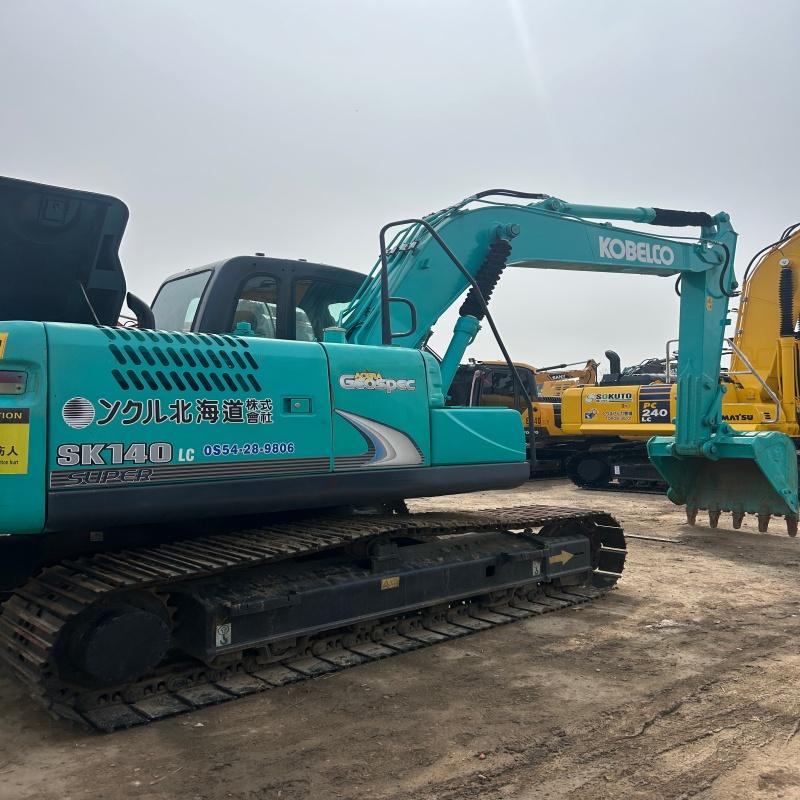
1-2 Unit$22,960
>=3 Units$21,800
(Price is FOB . Contact WhatsApp for CIF price & shipping cost.)
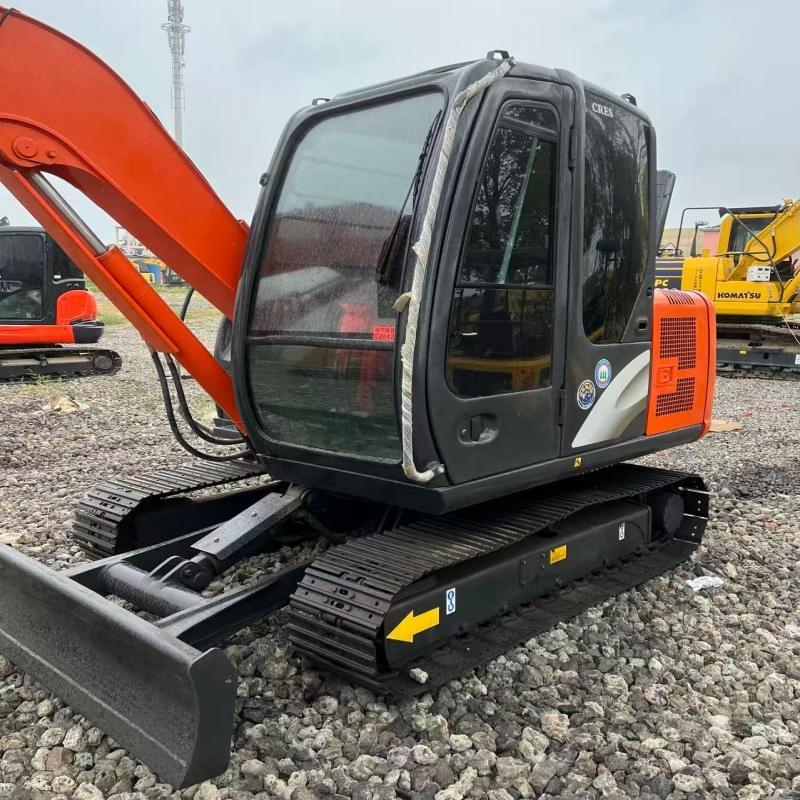
1-2 Unit$9,800
>=3 Units$9,300
(Price is FOB . Contact WhatsApp for CIF price & shipping cost.)

1-2 Unit$8,800
>=3 Units$8,570
(Price is FOB . Contact WhatsApp for CIF price & shipping cost.)

1-2 Unit$25,000
>=3 Units$23,000
(Price is FOB . Contact WhatsApp for CIF price & shipping cost.)
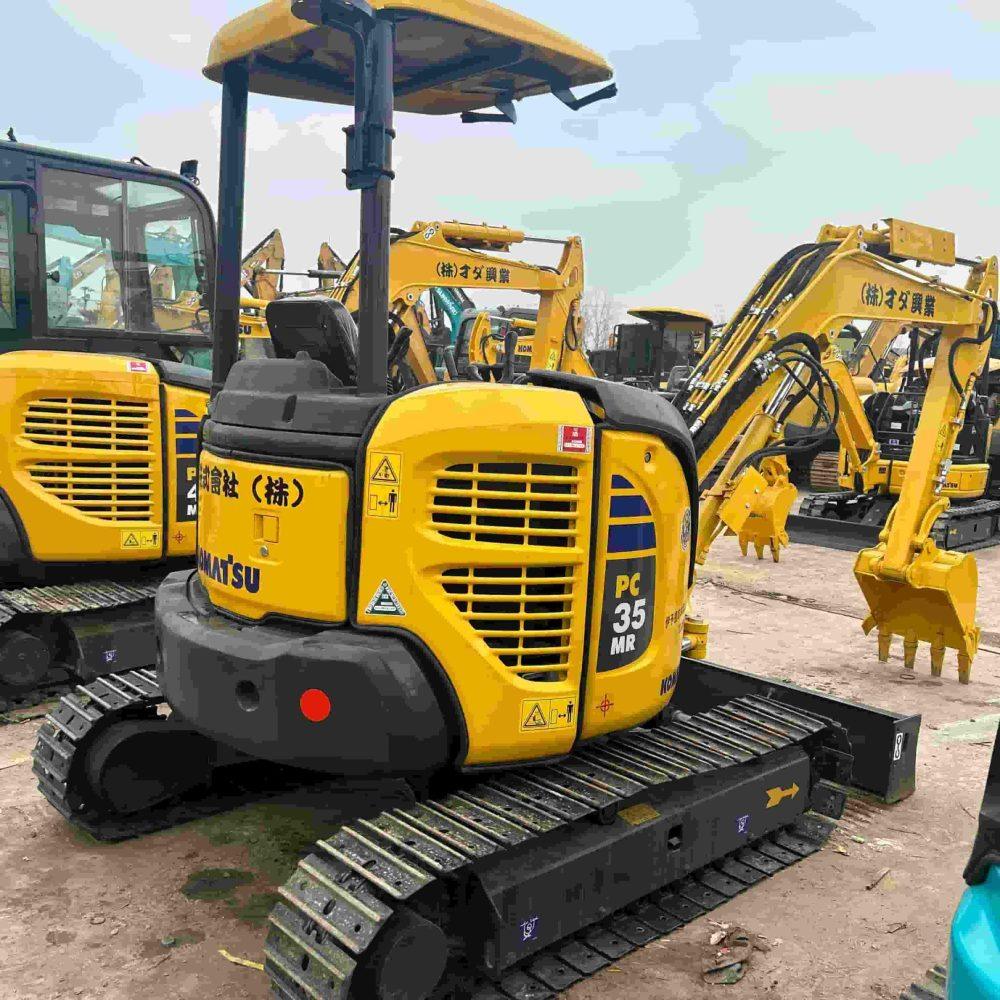
1-2 Unit$9,000
>=3 Units$8,000
(Price is FOB . Contact WhatsApp for CIF price & shipping cost.)

1-2 Unit$25,800
>=3 Units$25,000
(Price is FOB . Contact WhatsApp for CIF price & shipping cost.)
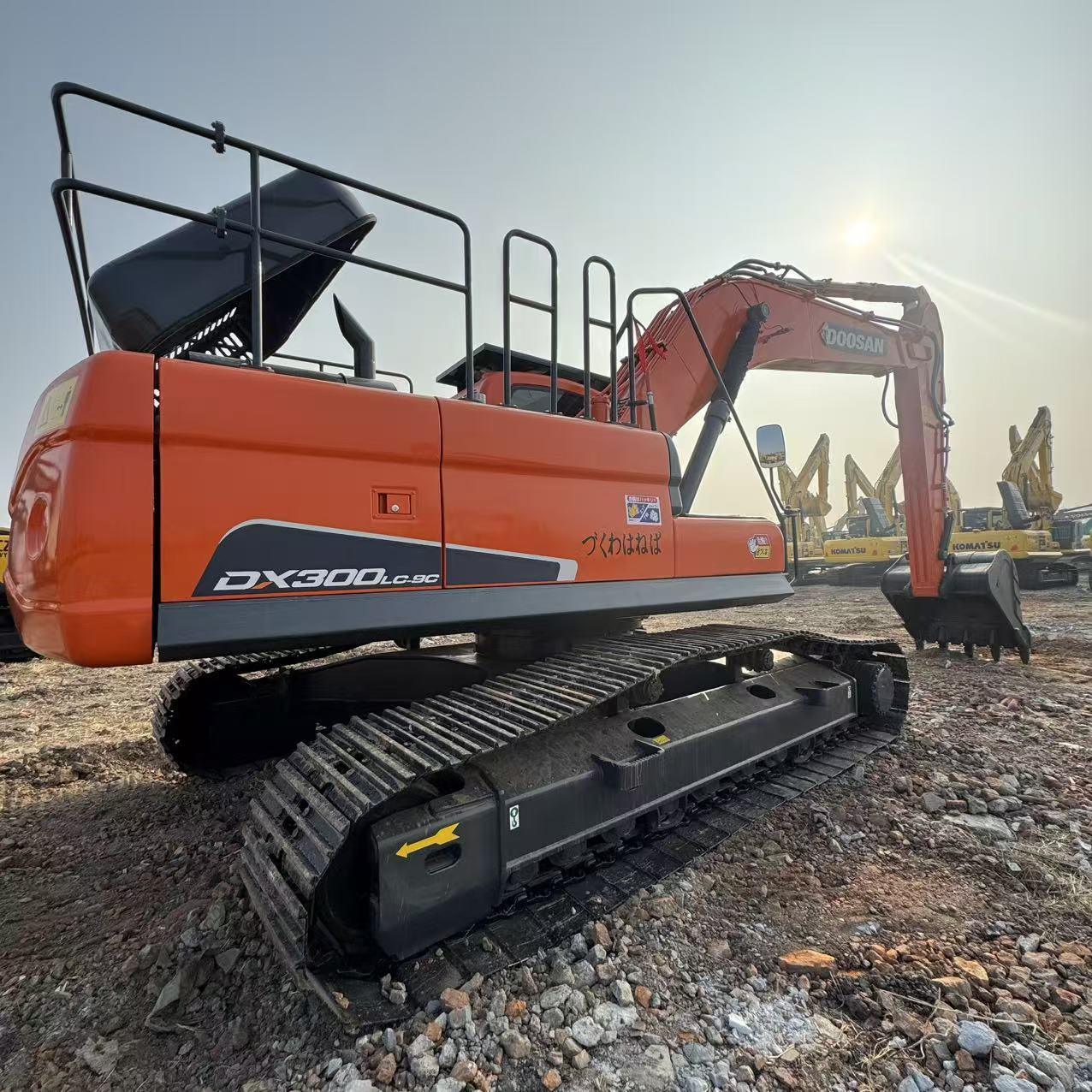
1-2 Unit$40,000
>=3 Units$35,000
(Price is FOB . Contact WhatsApp for CIF price & shipping cost.)

1-2 Unit$25,000
>=3 Units$22,000
(Price is FOB . Contact WhatsApp for CIF price & shipping cost.)