

SALE

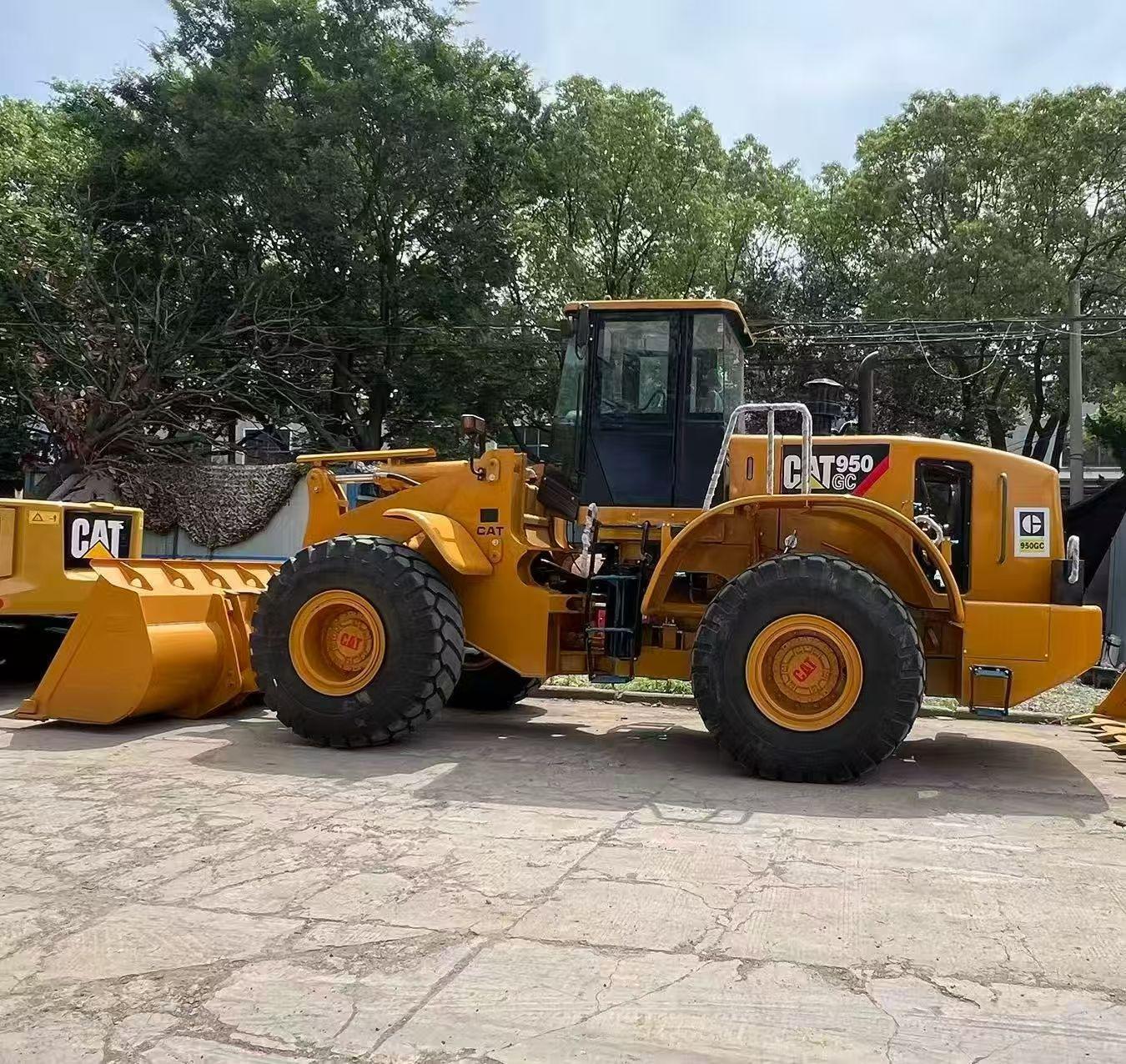
Showing The Single Result
The CAT 950GC is widely recognized for its exceptional fuel efficiency, which is one of its strongest selling points in the used equipment market. According to Caterpillar’s official specifications, the 950GC achieves this efficiency through several integrated technologies: the Engine Idle Management System (EIMS), Auto Engine Idle Shutdown (EIS), load-sensing hydraulics, and an electronically controlled variable speed fan .
Fuel Consumption Data:
Average hourly fuel consumption: Approximately 10 gallons (38 liters) per hour under normal operating conditions
Estimated hourly fuel cost: Approximately $20 (based on average diesel prices)
Estimated monthly fuel cost: Approximately $2,000 (based on 100 operating hours per month)
Savings Comparison:
Compared to other wheel loaders in its class, the 950GC delivers approximately 30% better fuel efficiency. Industry tests indicate that the 950GC saves about 5 liters (1.3 gallons) per hour compared to comparable国产 machines, resulting in significant annual savings .
For used buyers: When evaluating a used 950GC, verify that the idle management and variable speed fan systems are functioning properly. A malfunctioning EIMS can cost operators hundreds of dollars in unnecessary fuel burn annually. Request fuel consumption logs if available, and inspect the cooling fan operation during a test run.
Based on user feedback and industry reports, the CAT 950GC is generally reliable, but used buyers should be aware of several common issues that can affect performance and safety.
Most Frequently Reported Issues:
| Problem Area | Symptoms | Estimated Repair Cost |
|---|---|---|
| Brake System | Premature wear, oil leaks around axles | $2,000 – $5,000 |
| Fuel System | Hard starting, injector failure, pump issues | $1,500 – $4,000 |
| Differential | Unusual noises during turns, vibration | $3,000 – $7,000 |
| Electrical/Lighting | Malfunctioning signal or brake lights | $200 – $800 |
Detailed Inspection Points:
Brakes and Axles: There have been reports of premature brake wear leading to oil leaks. Inspect brake components carefully and check for any signs of fluid leaks around the wheel hubs and axles. The braking system is fully hydraulic with enclosed wet-discs meeting ISO 3450 standards, but wear patterns can indicate hard previous use .
Differential Issues: During test drives, pay attention to unusual noises coming from the rear axle or drivetrain, especially during turns, acceleration, or deceleration. A failing differential may produce:
Sharp or dull sounds during cornering
Unstable turning behavior (excessive甩尾 or understeering)
Uneven tire wear patterns
Fuel System Health: Some users have reported hard-starting issues linked to injectors or the high-pressure fuel pump. The C7.1 engine’s common rail fuel system requires clean fuel and proper maintenance. Ask about injector service history and verify that the water separator has been regularly drained .
Recommendation: Always conduct a pre-purchase inspection by an independent mechanic familiar with Cat equipment. Request complete service records and verify that all recall or service bulletins have been addressed.
The CAT 950GC is classified as a medium wheel loader with specific rated capacities that determine its safe operating limits. Understanding these figures is critical for matching the machine to your applications.
Official Capacity Specifications:
| Parameter | Value (Imperial) | Value (Metric) |
|---|---|---|
| Operating Weight | 41,554 lb | 18,849 kg |
| Rated Payload (Standard) | ~10,000 lb | ~4,535 kg |
| Static Tipping Load (Full Turn, Rigid Tires) | 25,875 lb | 11,737 kg |
| Static Tipping Load (ISO 14397-1 Compliant) | 24,264 lb | 11,006 kg |
| Breakout Force | 34,638 lb | 154 kN |
Source: Caterpillar official specifications
Important Notes for Used Buyers:
The tipping load figures vary slightly depending on the measurement standard used. The “Rigid Tires” value (25,875 lb) complies with ISO 14397-1 Sections 1-5, while the lower figure (24,264 lb) represents full compliance with Sections 1-6, which requires 2% verification between calculations and testing .
Bucket Capacity Range:
The 950GC can be equipped with buckets ranging from 3.75 to 5.75 yd³ (2.9 to 4.4 m³), depending on material density and application requirements .
When evaluating a used machine: Verify that the bucket size matches the machine’s rated capacity for your intended material. Overloading with an oversized bucket can significantly reduce tipping load margins and increase component wear. Ask the seller which bucket configuration the machine was used with and request wear measurements on cutting edges and bucket interior.
Proper maintenance is essential for maximizing the life of a used CAT 950GC. Understanding the maintenance requirements and associated costs helps buyers budget accurately for ongoing ownership.
Estimated Maintenance Costs:
| Cost Type | Amount |
|---|---|
| Monthly maintenance cost (routine) | $1,000 – $1,200 |
| Maintenance cost per operating hour | $27 |
Source: Industry equipment cost databases
Recommended Maintenance Schedule:
Daily (Pre-Start) Inspections:
Check engine oil level (ensure between marked lines on dipstick)
Verify fuel tank level
Inspect for leaks (oil, coolant, fuel, hydraulic fluid)
Check tire pressure (2.8-3.0 kgf/cm² or 40-43 psi)
Weekly Maintenance:
Perform lubrication of all grease points
Clean primary fuel filter and air filter elements
Check battery electrolyte level and terminal condition
Inspect and adjust brake and throttle pedal free play
Monthly Maintenance:
Clean secondary fuel filter and hydraulic return filters
Inspect tire wear patterns and rotate if necessary
Check structural welds on frame and work equipment
Test cooling system coolant concentration
Critical Maintenance for C7.1 Engine:
The Cat C7.1 engine requires particular attention to:
Fuel System: Use fuel that has been settled for at least 72 hours. Replace fuel filters at manufacturer-recommended intervals (typically every 500 hours)
Oil Changes: Crankcase capacity is 4.8 gallons (18 liters). Use Cat-approved oils and change every 250-500 hours depending on duty cycle
Cooling System: Total capacity is 13.2 gallons (50 liters). Check coolant levels daily and replace annually
For used buyers: Request complete maintenance records. A machine with documented regular service is worth a premium over one with unknown history. Pay particular attention to fuel filter change intervals, as neglected filters are a leading cause of injector failure on common rail diesel engines.
The CAT 950GC was specifically designed by Caterpillar as a “value-tier” wheel loader, positioned approximately 15% below the fully-specified 950M in price. Understanding its design intent helps buyers determine if a used 950GC is appropriate for their specific applications.
Best Applications for 950GC:
The machine is purpose-built for:
Loose material handling (aggregates, sand, gravel)
Truck loading (average cycle times of 9.4 seconds)
General construction site work
Stockpiling and material rehandling
Loading hoppers and feeders
Limitations (Not Recommended For):
| Application | Reason |
|---|---|
| Extreme rock work | Lighter structural components vs. 950M |
| Continuous high-production mining | Not designed for 24/7 operation |
| Heavy demolition | Breakout force adequate but structural margin lower |
| High-lift applications | B-pin height 13.75 ft (4.19m) – less than high-lift variants |
Source: Caterpillar product positioning
Performance Capabilities:
Despite being a value model, the 950GC delivers strong performance:
Hydraulic cycle time: 9.4 seconds total cycle
Maximum travel speed: 22.4 mph (36 km/h)
Breakout force: 34,638 lb (154 kN) – competitive in its class
Expert Recommendation:
The 950GC is an excellent choice for:
Contractors with 1,000-2,000 operating hours annually
Operations prioritizing fuel efficiency and lower acquisition cost
Applications with predominantly loose materials
The 950GC may not be ideal for:
Mines or quarries with severe rock applications
Operations requiring 24/7 production schedules
Buyers needing high-lift configurations beyond standard B-pin height