

SALE

Showing The Single Result
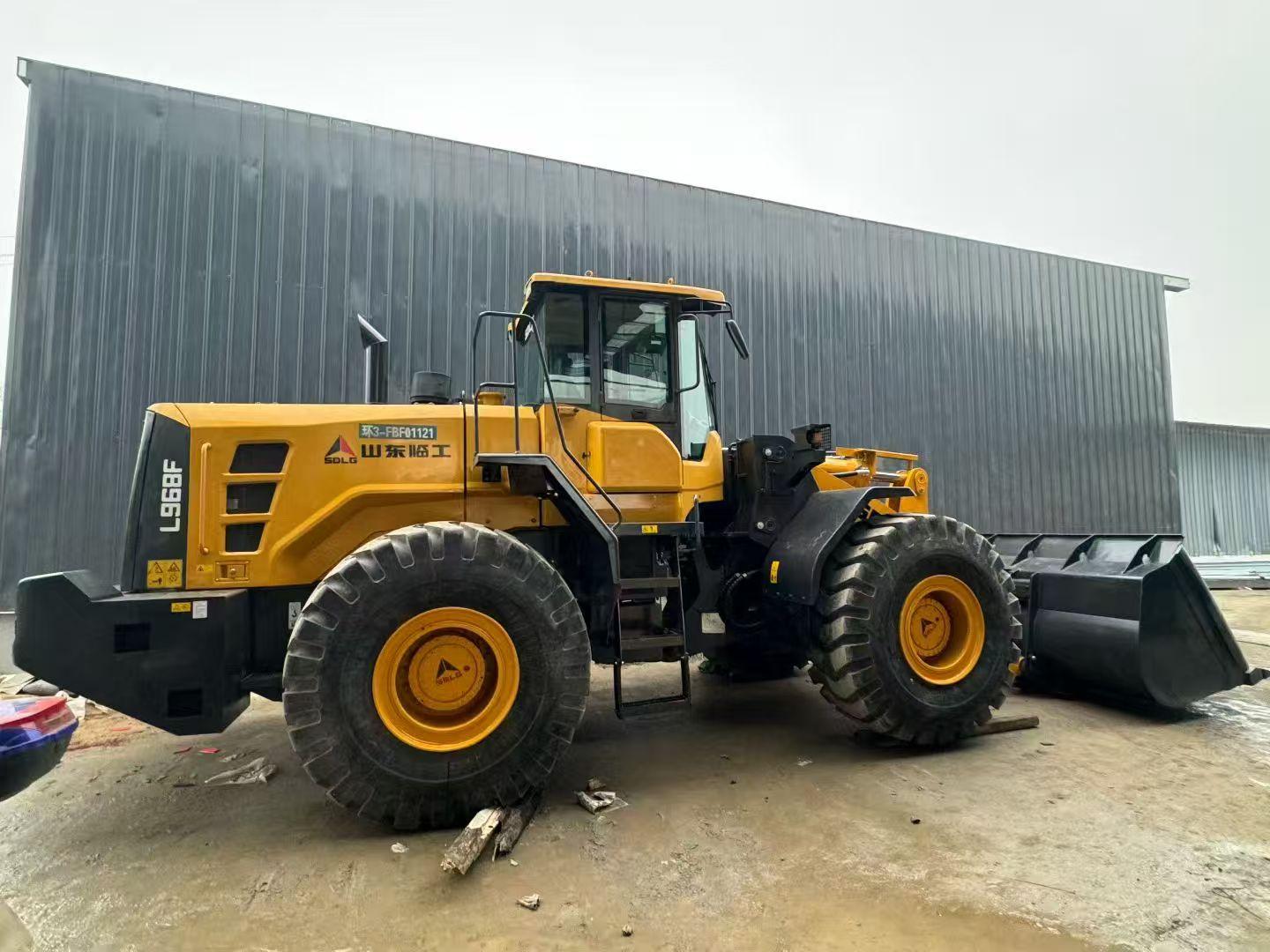
The SDLG L968F is powered by the Weichai WD10G240E202 six-cylinder diesel engine, rated at 178kW (239 hp) @ 2,100 rpm. According to multiple equipment data sources, its comprehensive fuel consumption rate is around 210–230 g/kWh. Based on a typical fuel burn of 18 liters per hour and a diesel price of $1.2 per liter, the hourly fuel cost is approximately $22.
The VRT200 transmission offers an 8% efficiency improvement over the older ZF 4WG200, which means about 8% less fuel burned per year under the same workload. Compared to premium brands like the Cat 966 or Komatsu WA380, the L968F’s initial purchase price is about 50–60% of theirs, while fuel consumption is only 5–8% higher. Overall, its total cost of ownership is roughly 15–20% lower. For a mine or earthmoving site running 2,000 hours a year, you could save $3,200–$5,000 annually on fuel alone.
As SDLG’s flagship F-series model launched around 2018, the L968F has three core upgrades:
Transmission: Equipped with SDLG’s in-house VRT200 electro-hydraulic powershift transmission (4 forward / 4 reverse). It delivers 8% higher efficiency than the old ZF 4WG200, shifts smoother, and is easier to maintain thanks to a separable transmission and transfer case plus an external pump.
Axles: The reinforced drive axle design increases load capacity. Official data shows axle service life can be extended by up to 50%. The rear swing-type support axle provides better oscillation and traction.
Frame and cab: The rear frame uses an optimized VOLVO-inspired structure, doubling fatigue life. Cab space increased by 15%, glazing by 20%, and visibility is greatly improved. The single-joystick pilot control reduces operator fatigue.
When inspecting a used L968F, pay close attention to these five areas:
Engine: The L968F engine comes with a fault detection interface. Always pull the ECU history for stored fault codes. Watch for black smoke, unstable idle, or excessive oil burning. The Weichai engine typically lasts 8,000–10,000 hours with proper maintenance.
Transmission: Test the VRT200 transmission under load – shifts should be smooth with no grinding or hesitation. Use a diagnostic tool to check solenoid and proportional valve status, as abnormal data may indicate internal wear.
Hydraulics: Inspect the working and steering pumps for leaks. Raise and lower the boom and curl the bucket – total cycle time should be no more than 11.2 seconds (factory spec).
Frame and articulation: Check the articulation joint and linkage pins for excessive play. The L968F frame fatigue life is double that of older models, but pins are still wear items.
Service records: Always ask for complete maintenance logs, especially oil and filter changes for the engine, transmission, and axles.
Used L968F pricing is mainly determined by the year and operating hours. Based on the 2026 market:
2020 model with ~7,000–8,000 hours: Approximately $24,000–$30,000 USD
2022–2023 model with 2,000–3,000 hours (low-hour units): Approximately $45,000–$55,000 USD
For comparison, a used Cat 966 or Volvo L150 of similar age and hours typically sells for $80,000–$120,000 USD, so the L968F offers excellent value.
The L968F is built around a low-speed, high-torque Weichai WD10G240E202 engine. It has a 6-ton rated load, a standard 3.5 m³ bucket, and a breakout force of ≥210 kN (about 21.4 tons). The 23.5-R25 20-ply tires and 3,400 mm wheelbase provide excellent stability.
The machine’s economic service life is 8,000–12,000 hours. Reinforced axles offer up to 50% longer life, and the frame fatigue life is doubled. Real-world feedback from mines and quarries in the Middle East and Africa shows very few breakdowns – most maintenance involves basic cleaning and filter changes. The L968F handles heavy digging, stockpiling, loading trucks, and even quarry shot-rock reliably.