

SALE

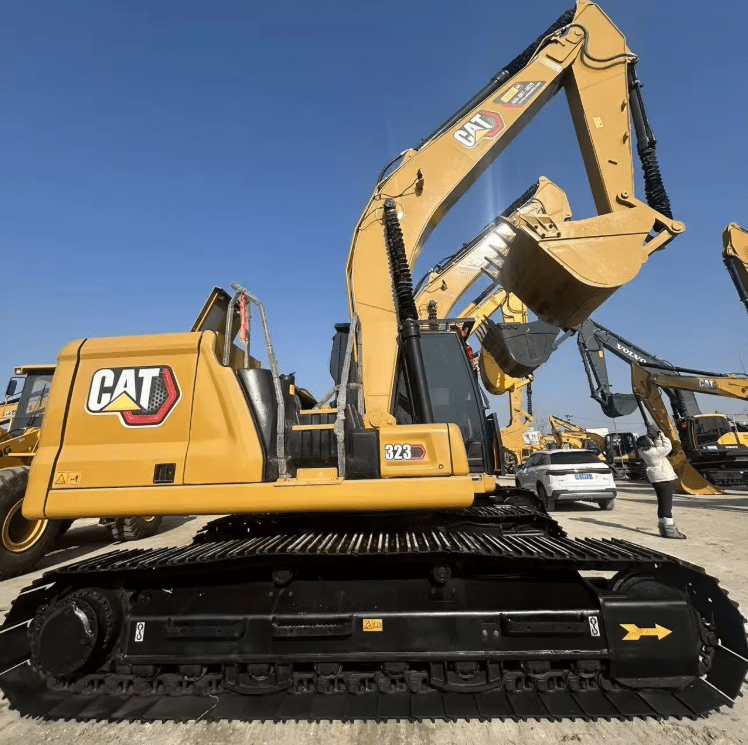
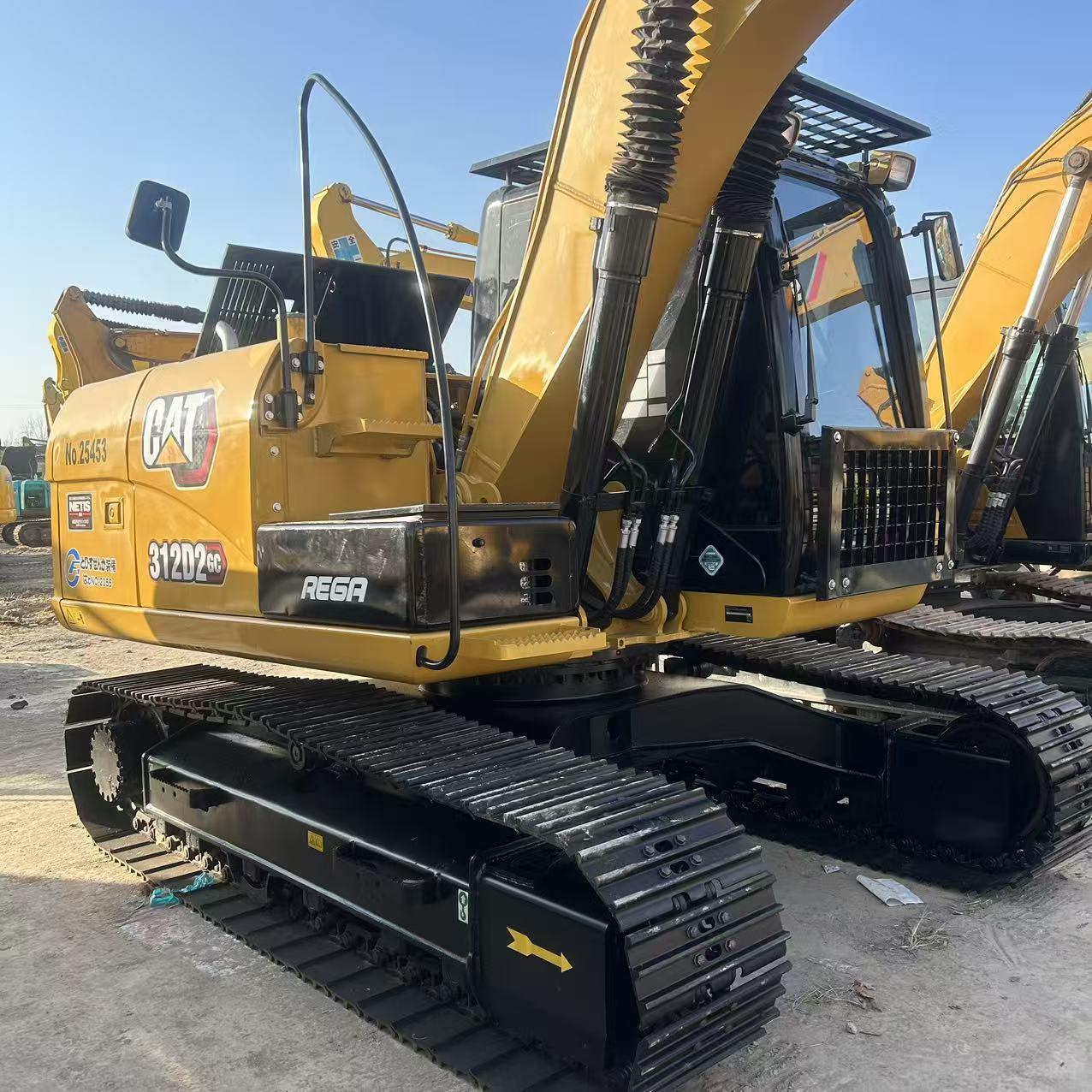
Showing All 2 Results
The 323 family spans several distinct generations, each with different engines, emissions standards, and technology packages:
| Model | Engine | Net Power | Operating Weight | Era / Key Feature |
|---|---|---|---|---|
| 323D / 323D2 L | Cat C6.4 / C6.6 or C7.1 ACERT | 110–116 kW (148–156 hp) | ~22,100 kg | Older generation; simpler electronics, no DPF/DEF on many units |
| 323E SA | Cat C6.6 ACERT | 113–121 kW (154–165 hp) | ~24,270 kg | Stage IIIB emissions; 40% larger monitor |
| 323F L | Cat C7.1 ACERT (Tier 4 Final) | 120 kW (161 hp) | ~23,100 kg | Grade Control Depth & Slope standard |
| 323 GC | Cat C7.1 | ~129 kW (173 hp) | ~23,000 kg | “General Construction” — cost-optimized variant |
| Next Gen 323 | Cat C7.1 | 128–129 kW (172 hp) | ~25,000 kg | Latest generation; Grade 2D, Payload, E-Fence standard |
Critical note for used buyers: The Next Gen 323 (2019–present) is a completely different machine from the 323D or 323E. It delivers higher power (172 hp vs. 156 hp) , more technology, and better fuel efficiency. The 323 GC is a cost-reduced variant—it lacks some of the heavy-duty structural reinforcement and advanced features of the standard 323.
For the most common used model you’ll encounter—the Next Generation 323—here are the key specs:
| Parameter | Value |
|---|---|
| Engine Model | Cat® C7.1 |
| Net Power (ISO 9249) | 128–129 kW (172 hp) |
| Operating Weight | 22,600–25,000 kg (49,800–55,100 lb) |
| Standard Bucket Capacity | 1.19–1.38 m³ (1.56–1.81 yd³) |
| Max Digging Depth | 6,300–6,730 mm (20.7–22.1 ft) |
| Max Reach at Ground Level | 9,470 mm (31.1 ft) |
| Max Dumping Height | 6,290 mm (20.6 ft) |
| Swing Speed | 11.9 rpm |
| Travel Speed | 5.8 km/h (3.6 mph) |
| Bucket Digging Force | 147 kN |
| Arm Crowd Force | 111 kN |
| Fuel Tank Capacity | 345–410 L (91–108 gal) |
Owner feedback paints a consistently positive picture for the Next Gen 323, with some caveats for older generations.
Power and Performance. The most frequent praise is simply that the machine “has power”—it digs aggressively and handles heavy cycles with ease. Users consistently rate it 4.5/5 for performance and 5/5 for fuel efficiency on owner review platforms. One owner who put 1,000 hours on a new 323 reported zero failures, noting it “feels like it lasts longer than other brands in the same class.”
Fuel Efficiency. The Next Gen 323 delivers approximately 18% fuel savings compared to the 323F. The combination of low engine speed and a large hydraulic pump is specifically designed to “burn less fuel” while maintaining top performance. One operator noted the fuel savings were “impressive,” particularly for long shifts.
Operator Comfort. The cab is widely praised as “amazing.” One owner reported working 12-hour days and stepping out “just as refreshed as when you go in.” The cab features include:
8-inch touchscreen monitor with jog dial keys
Sound-suppressed ROPS
Advanced viscous mounts that reduce cab vibration
Excellent all-around visibility
Keyless push-button start with Operator ID
Ease of Maintenance. Daily pre-start checks are simplified—you can check oil and coolant from ground level without climbing the machine. The machine’s health monitoring system provides proactive service alerts.
Safety Features. The E-Fence system allows operators to set virtual boundaries—particularly valuable when working near power lines or overhead obstacles. Standard rear-view cameras provide clear visibility behind the machine.
Common Complaints. Not everything is glowing:
Fuel efficiency can vary based on site conditions, idle time, and power mode selection.
Touchscreen controls take some getting used to, especially for veteran operators accustomed to physical buttons.
Air filter replacement has been noted as “particularly troublesome” on some models.
At maximum digging depth, performance can drop off in compacted ground.
Overall User Rating. Aggregate owner reviews give the Next Gen 323 4.5 out of 5 stars, with 50% of owners giving 5 stars and the remaining 50% giving 4 stars.
While the 323 is generally reliable, several issues have been documented—particularly on older or higher-hour units.
1. Slow Boom Retraction / Weak Excavation. A documented failure pattern involves the distribution valve squeaking, the forearm retracting slowly, and weak digging power. The primary causes are:
Insufficient pressure from the safety valve
A stuck multi-channel valve rod in the forearm circuit
2. Hydraulic Stalling in Tough Ground. Some operators report that the hydraulics can stall when digging in particularly tough ground. This is typically a calibration issue rather than a component failure, but it can be frustrating on demanding job sites.
3. Fuel System Issues. Common fuel-related problems include:
Hard starting or intermittent smoking—often traced to the fuel system, with injector plunger wear being a direct cause
Black smoke—may indicate faulty injectors, worn turbocharger seals, or worn valve guide seals
4. Electrical and Sensor Issues. As with any modern machine, sensor failures and CAN bus communication faults can occur. The Grade with 3D system has been reported to be out by as much as 100mm on some units, requiring dealer recalibration.
5. Track and Undercarriage Wear. The 323’s 23-tonne weight puts significant stress on undercarriage components. Track shoe options include 600 mm, 790 mm, and 800 mm widths. Uneven wear patterns often indicate alignment or idler issues.
One of the 323’s key selling points is lower maintenance costs compared to previous models. Extended and synchronized maintenance intervals reduce both downtime and parts consumption.
Recommended Maintenance Intervals (Next Gen 323):
| Component | Interval | Notes |
|---|---|---|
| Engine oil & filter | Every 500–1,000 hours | Extendable with S·O·S oil analysis |
| Fuel filters | Every 500 hours | Genuine Cat filters essential |
| Hydraulic return filter | Extended intervals | Longer than previous generation |
| Hydraulic oil change | Every 3,000–6,000 hours | With Cat HYDO Advanced oil |
| Coolant change | 12,000 hours / 6 years | With Cat Extended Life Coolant |
| Swing drive oil | First 250h, then every 1,000h | |
| Final drive oil | First 250h, then every 1,000h |
Estimated 5,000-Hour Maintenance Costs (Reference—USD):
| Category | Estimated Cost |
|---|---|
| Engine oil + filter (10× changes) | $2,000–3,500 |
| Fuel filters (10×) | $400–800 |
| Hydraulic service (1–2 changes) | $1,200–2,500 |
| Air filter replacements | $150–300 |
| Undercarriage wear (tracks, sprockets, rollers) | $5,000–10,000 |
| Bucket teeth / wear parts | $1,000–3,000 |
| Labor (accumulated) | $3,000–7,000 |
| Total 5,000-hour routine | $12,750 – $27,100 |
Note: Actual costs vary by region, parts pricing, operating conditions, and maintenance history.