

SALE

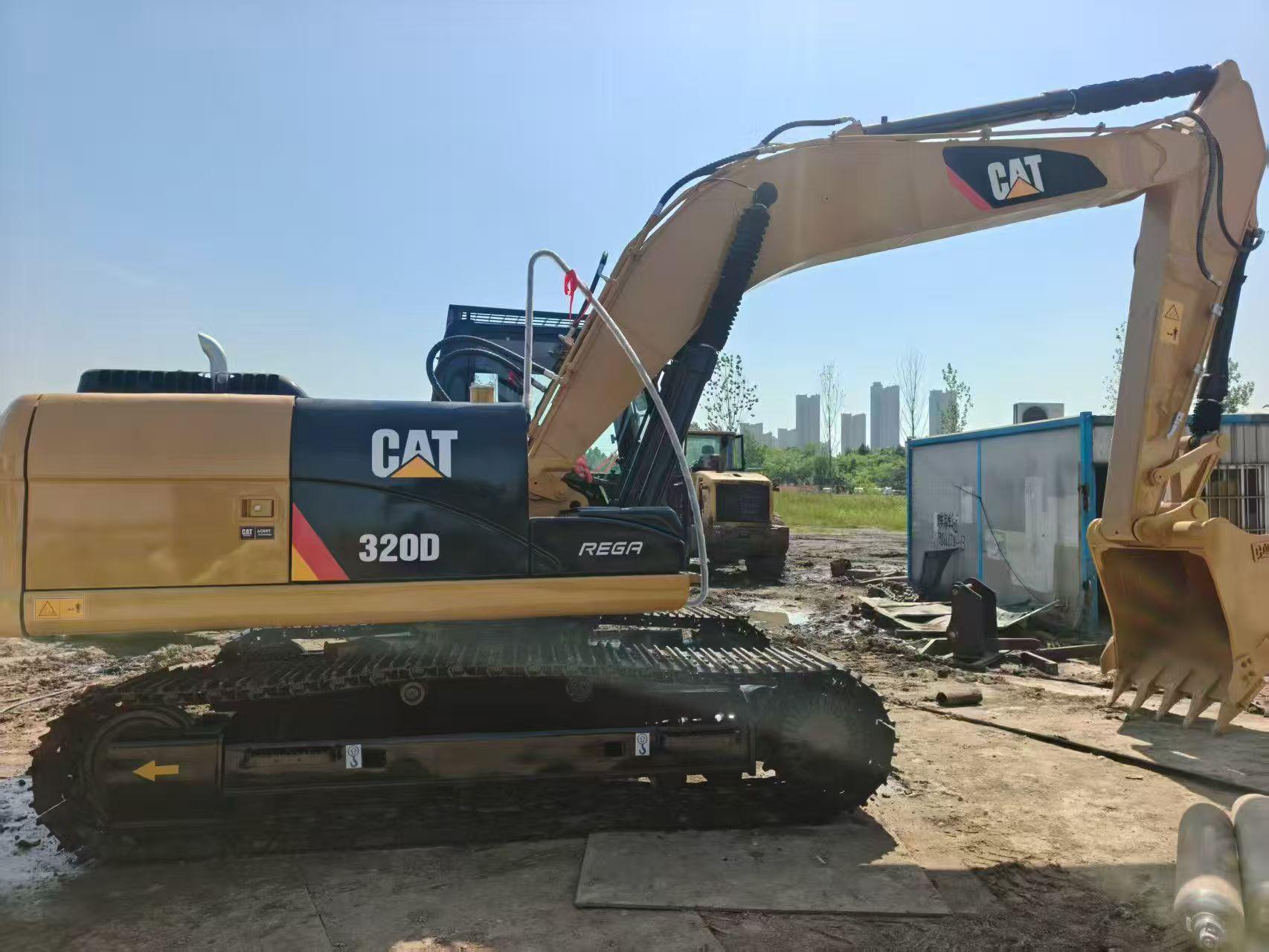
Showing The Single Result
The Caterpillar 320 series has evolved significantly over the years. Understanding these differences helps buyers choose the right machine for their needs and budget.
| Model | Era | Key Features | Best For |
|---|---|---|---|
| 320C | Early-mid 2000s | Proven durability; C4.4 or C6.4 engine; heavier fuel consumption | Budget-conscious buyers; light to medium applications |
| 320D | Late 2000s-early 2010s | Improved fuel efficiency; refined hydraulics; very strong resale value | General contractors seeking reliability at moderate price |
| 320GC | 2018-present (Next Gen) | “Cost-conscious” model; Smart Mode technology; 25% lower fuel consumption than 320F; 15% lower maintenance costs | Fuel efficiency priority; rental fleets; municipal work |
| 320 (Next Gen) | 2018-present | Higher performance than GC; advanced hydraulics; Cat GRADE with 2D standard; up to 45% productivity increase | High-production applications; technology-forward operators |
According to Cat specifications, the Next Gen 320 delivers:
Net power: 162 HP (121 kW)
Operating weight: Approximately 50,100 lbs (22,700 kg)
Fuel consumption: Up to 25% less than the 320F model
Maintenance cost reduction: 15% over 12,000 operating hours
For buyers seeking the best value, the 320D remains a sweet spot—offering modern features without the premium pricing of Next Gen models. A 2018 320D with approximately 5,400 hours typically lists around $30,000 USD in markets like Hong Kong or Shanghai .
Fuel efficiency varies significantly across different 320 series models. Here’s what you can expect based on actual data and owner feedback.
| Model | Fuel Consumption vs. Previous Gen | Real-World Impact |
|---|---|---|
| 320C | Baseline (higher) | Owners note “fuel consumption is relatively high” |
| 320D | Moderate improvement | Balanced efficiency for its era |
| Next Gen 320/320GC | Up to 25% less than 320F | Significant annual savings |
Based on Cat specifications and industry data:
Hourly fuel consumption (Next Gen): Approximately 4-5 gallons/hour under typical load
Monthly fuel cost (200-hour month): Estimated $800–$1,200 depending on local diesel prices
Maintenance cost per hour: Approximately $25/hour for scheduled maintenance
Monthly maintenance cost: Around $2,255 for a machine working 1,500 hours annually
According to operator feedback on the 320C, the machine is praised for “smooth operation” and “strong durability,” but owners consistently note that “fuel consumption is relatively large, which may increase operating costs” . This makes newer models like the 320GC particularly attractive for fuel-sensitive operations.
For a machine working 2,000 hours annually, the 25% fuel savings of a Next Gen 320 versus a 320F translates to approximately $5,000–$7,500 per year in fuel cost savings at current diesel prices.
Used Cat 320 prices vary widely based on model year, hours, condition, and location. Based on recent market data, here are current price ranges:
| Model | Year | Hours | Condition | Price Range (USD) |
|---|---|---|---|---|
| 320C | 2003 | 12,000–23,000 | Fair to Good | $5,800 – $8,800 |
| 320D | 2017–2019 | 3,000–6,500 | Good | $22,000 – $35,000 |
| 320D | 2020–2024 | 500–1,000 | Excellent | $28,000 – $30,000 |
| 320GC | 2018 | 8,674 | Average | $24,000 |
| 320GC | 2019 | 4,997 | Good | $28,500 |
| Next Gen 320 | 2019 | 8,064 | Good | $35,000 |
| Next Gen 320 | 2022 | 3,134 | Good | ~$90,000 (SGD 122,594) |
Prices also vary significantly by location. In Shanghai and Hong Kong markets, 320D units with 3,000–6,500 hours commonly list between $22,000 and $30,000 USD . A 2022 320 with 3,134 hours was recently listed at approximately $90,000 USD in the South African market .
Hours matter most: A 320D with 3,000 hours typically commands $10,000–$15,000 more than one with 6,500 hours
Undercarriage condition: 40–60% worn undercarriage can reduce value by $3,000–$5,000
Location premium: Machines in major export hubs (Shanghai, Hong Kong, UAE) often priced lower than landlocked locations
Attachment inclusion: Units with hydraulic quick couplers or additional buckets add $2,000–$5,000 in value
A thorough inspection is critical to avoid costly surprises. Based on industry inspection guides, here are the five most important areas to evaluate:
Cold start test: Request the machine be left untouched before your inspection. A healthy Cat 320 should start within seconds of cranking. Watch for:
Black smoke: Indicates incomplete combustion—clogged filters or injector issues
Blue smoke: Burning oil—worn piston rings or valve seals
White smoke: Coolant entering combustion—potential head gasket failure
Hydraulic function test: Run the machine through all functions for at least 2 hours, checking for:
Smooth, responsive movement without jerking
Unusual whining or grinding noises from the pump
Cylinder drift (rapid arm drop indicates internal seal leakage)
Measure track sag and inspect components. Using a real-world inspection example from a 2022 Cat 320:
| Component | Wear Measurement | Condition |
|---|---|---|
| Track pitch (new 762mm) | 10% worn | Good |
| Track shoes | 60% worn | Moderate |
| Sprockets | 55% worn | Replace soon |
| Carrier rollers | 55% worn | Serviceable |
A full undercarriage replacement typically costs $5,000–$10,000, so factor this into your offer .
Inspect the main frame, boom, and arm for:
Cracks or welding repairs (especially around turntable connection)
Bent track frames or damaged counterweights
Rust bleeding from the turntable bearing (indicates internal wear)
Test all lights, warning indicators, and backup alarm
Verify HVAC operation—repairs can cost $1,000–$3,000
Check for error codes on the monitor panel
Ensure joystick buttons function properly
Service records: Regular maintenance logs indicate responsible ownership
Hour meter consistency: Cross-reference with pedal wear, seat condition, and joystick wear
Ownership history: Confirm no liens or ownership disputes
If you’re not an experienced mechanic, hiring a third-party inspection service (such as SGS or Bureau Veritas) is highly recommended. A professional inspection typically costs $300–$800 but can save thousands in unexpected repairs .
Understanding common issues and maintenance costs helps you budget accurately and negotiate effectively.
| Component | Common Issues | Detection Method |
|---|---|---|
| Engine | Injector failure; turbocharger wear; sensor contamination | Cold start smoke; loss of power; error codes |
| Hydraulic Pump | Internal wear; seal failure; cavitation noise | Whining noise; slow cycle times; oil contamination |
| Swing Motor | Brake failure; gear wear; seal leaks | Inconsistent swing speed; grinding noise; drift |
| Final Drives | Gear wear; seal leaks; bearing failure | Unusual travel noise; oil leaks at drive motors |
| Undercarriage | Chain stretch; roller seizure; sprocket wear | Track sag; seized rollers; sharp sprocket teeth |
Based on industry data and Cat specifications:
| Maintenance Item | Cost Range | Frequency |
|---|---|---|
| Oil and filter change | $300–$500 | 500 hours |
| Hydraulic oil filter | $150–$250 | 3,000 hours |
| Fuel filters | $100–$200 | 1,000 hours |
| Undercarriage replacement | $5,000–$10,000 | 5,000–8,000 hours |
| Engine overhaul | $8,000–$15,000 | 8,000–12,000 hours |
| Hydraulic pump rebuild | $3,000–$6,000 | 8,000–10,000 hours |
For a Next Gen 320 working 1,500 hours annually:
Annual fuel cost: $7,500–$10,000
Annual maintenance cost: $3,500–$5,000 (excluding major component replacement)
5-year total operating cost: $55,000–$75,000 (excluding purchase price)
The Next Gen 320’s extended maintenance intervals provide notable savings: hydraulic oil filters last 3,000 hours (50% longer than previous designs), and maintenance costs are 15% lower over 12,000 hours compared to the 320F .
The Caterpillar 320 remains one of the most reliable and widely supported mid-sized excavators in the world. Whether you choose a budget-friendly 320C, a proven 320D, or a fuel-efficient Next Gen 320, these machines deliver the durability and performance that contractors trust.
By understanding the differences between models, inspecting thoroughly, and budgeting for maintenance, you can make a confident purchase that serves your business for years to come.
At Taihongmachinery (TH Engineering Equipment Limited) , we specialize in connecting international buyers with high-quality used Caterpillar excavators—including the popular 320 series. With years of experience serving buyers across Africa, the Middle East, Southeast Asia, and Latin America, we understand what it takes to deliver reliable equipment you can trust.
Why Choose Taihongmachinery:
Curated Inventory: We carefully inspect every used Caterpillar 320 before listing—verifying hour meters, component wear, and operational condition against OEM standards.
Transparent Condition Reports: We provide detailed photos, videos, and honest assessments—including engine start-up videos, hydraulic function tests, and undercarriage wear measurements.
Third-Party Inspections Welcome: We encourage buyers to arrange independent inspections through SGS, Bureau Veritas, or other agencies.
Competitive Pricing: Our direct sourcing channels allow us to offer fair market prices—typically 15–25% below dealer retail.
Full Export Support: From documentation to shipping coordination, our logistics team handles the complexities.
After-Sales Assistance: Even after your used excavator arrives, we’re here to help with parts sourcing and technical support.