

SALE

Showing The Single Result
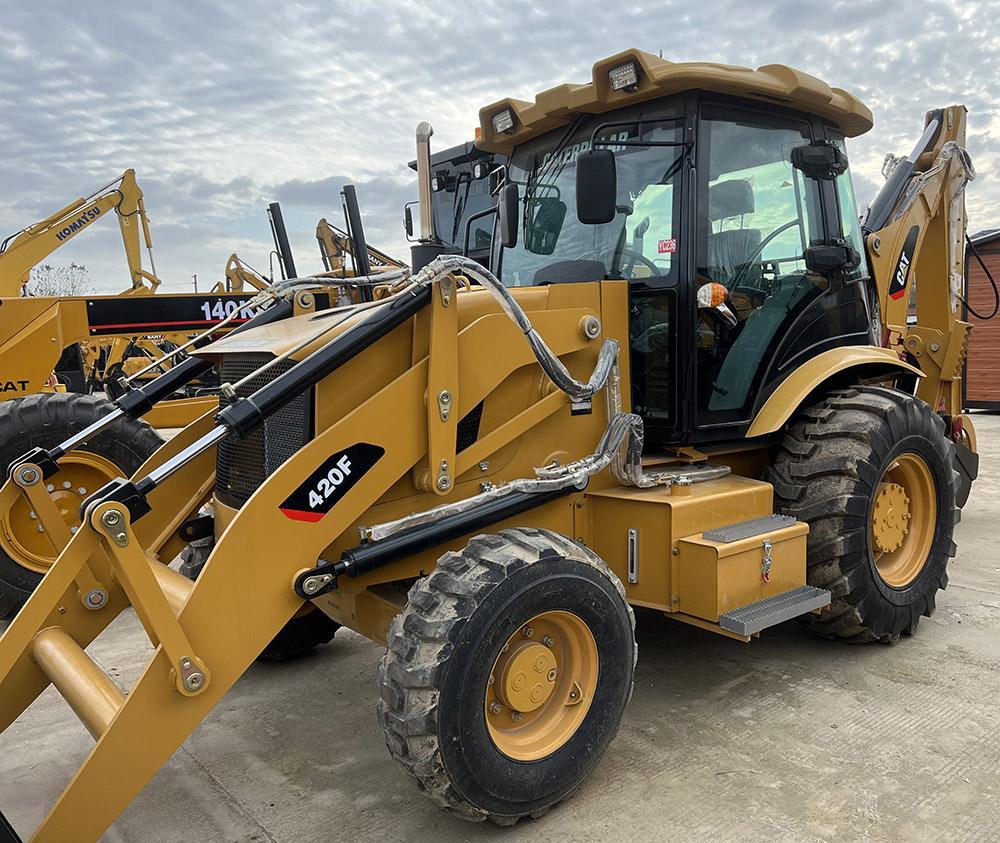
The 420F (2012–2015) was the initial launch of the F-Series, while the 420F2 (2015+) introduced a few refinements, primarily in the hydraulic valve system and the transition to a newer Tier 4 Final engine. For many international buyers, the original 420F is preferred because it offers the same structural strength and 90% of the technology at a more competitive price point. Both models feature the iconic curved boom and load-sensing hydraulics that define CAT’s modern backhoe performance.
This depends on the specific engine configuration. Most CAT 420F units manufactured for the North American or European markets utilize Tier 4 Interim technology, which may use a DPF (Diesel Particulate Filter) but often does not require DEF. However, for export to regions with high-sulfur fuel, it is vital to verify if the machine has been “de-tiered” or if it is a model intended for lesser-regulated countries. At Taihong Machinery, we inspect every unit to ensure the fuel system is compatible with your local diesel quality to prevent injector damage.
The 420F is famous for its Excavator-style Pilot Controls. These joysticks are mounted on adjustable towers, providing much higher precision and ergonomic comfort compared to the old “back-breaker” mechanical levers. While joysticks are slightly more complex to repair, they significantly increase operator productivity. When inspecting a used unit, we check the control patterns (ISO vs. SAE) to ensure they meet your operator’s habits.
On a used 420F, the 4WD system and the 100% locking rear differential are essential for traction in mud or loose soil. During inspection, we test the “On-the-go” engagement to ensure the transmission doesn’t clunk or hesitate. We also check the front axle seals for leaks, as these are common wear points on machines used in heavy loading applications. A functional differential lock is a key indicator that the previous owner used the machine correctly for heavy pushing.
es, the 420F is highly capable of lifting. With the loader arms, it has a lift capacity of approximately 3,500 kg at full height. On the backhoe side, the lift capacity is determined by the boom’s position, but it is rated to handle significant loads like concrete pipes or manhole covers. It is important to ensure the used unit has the heavy-duty lift cylinders and that the safety check valves are operational if you intend to use it for frequent crane-style lifting.