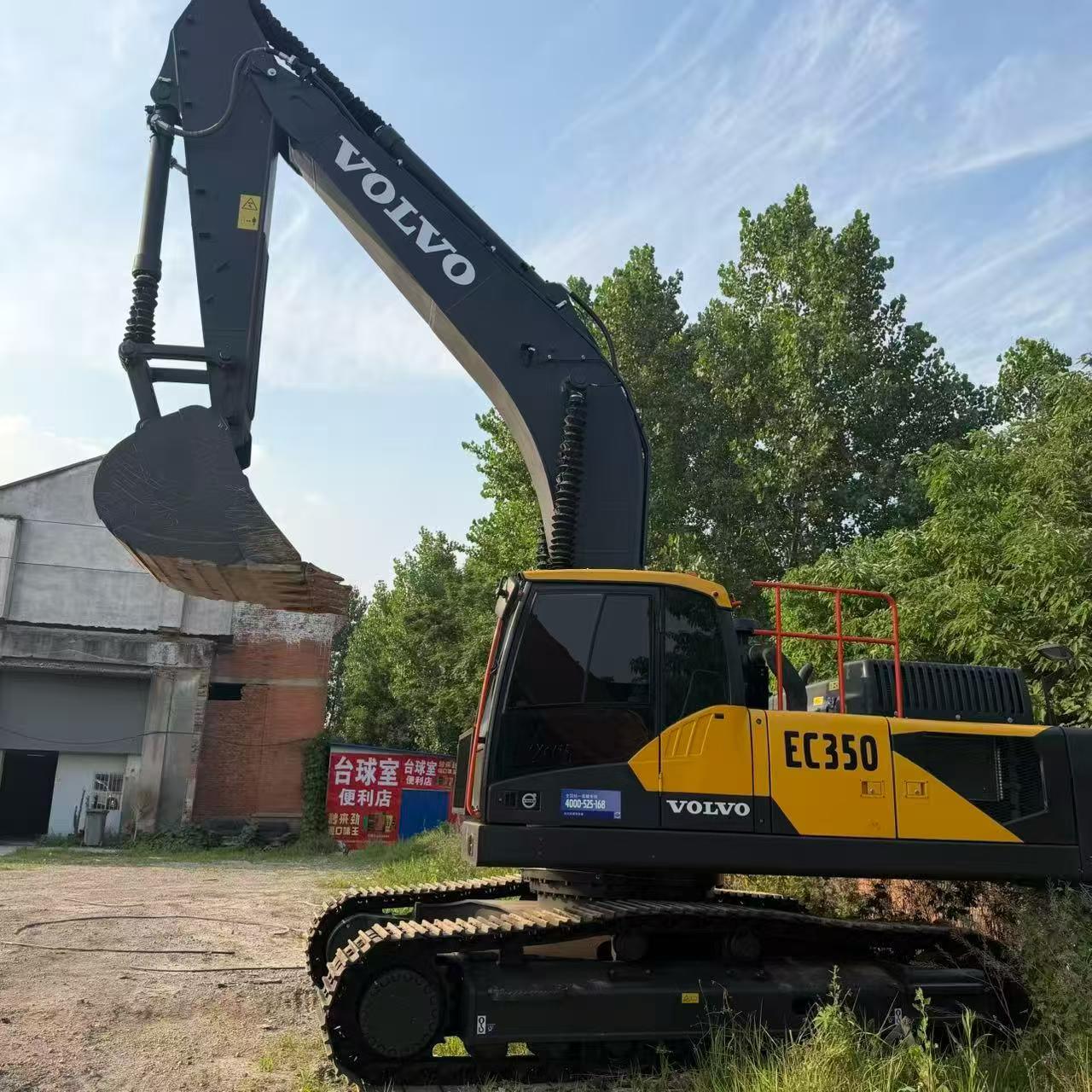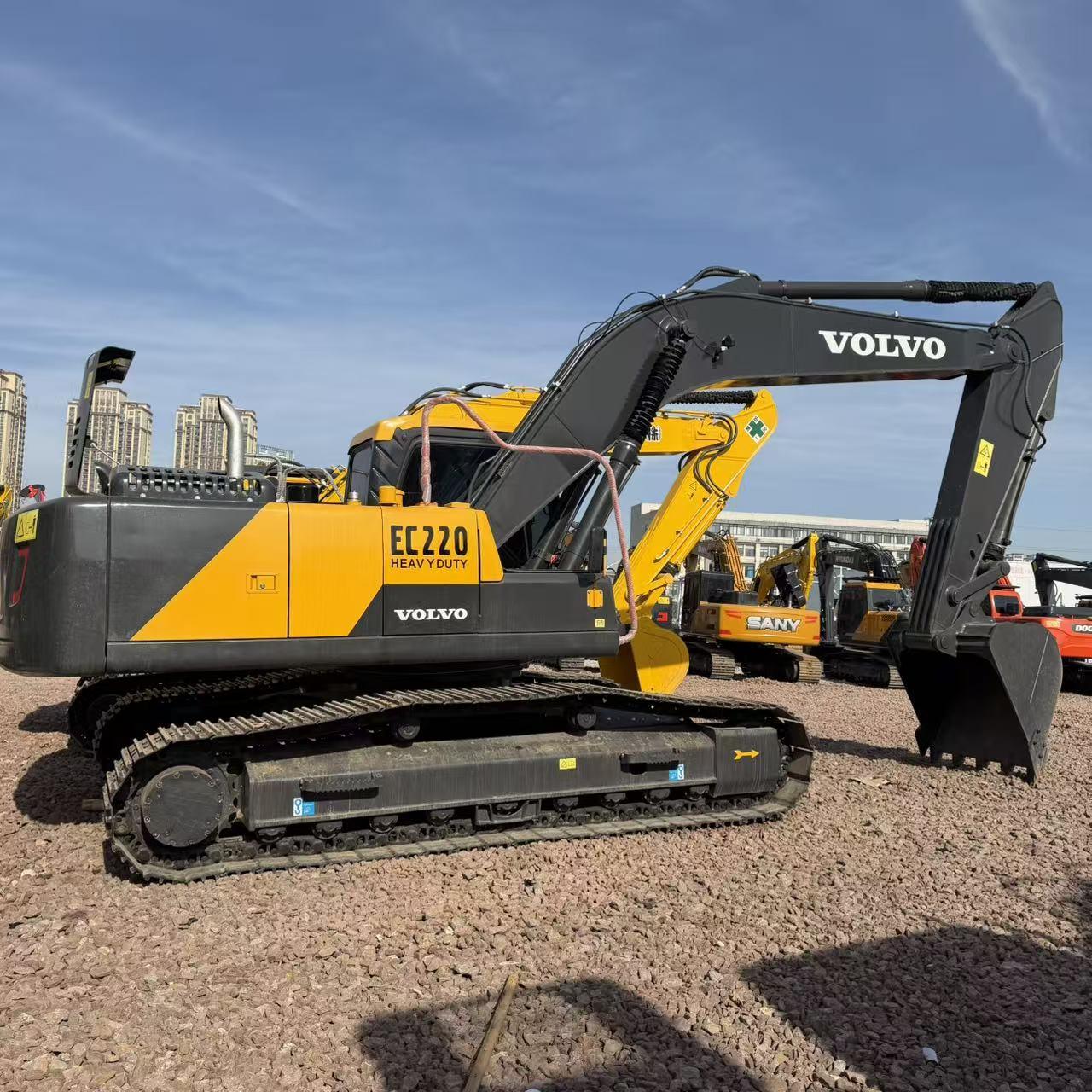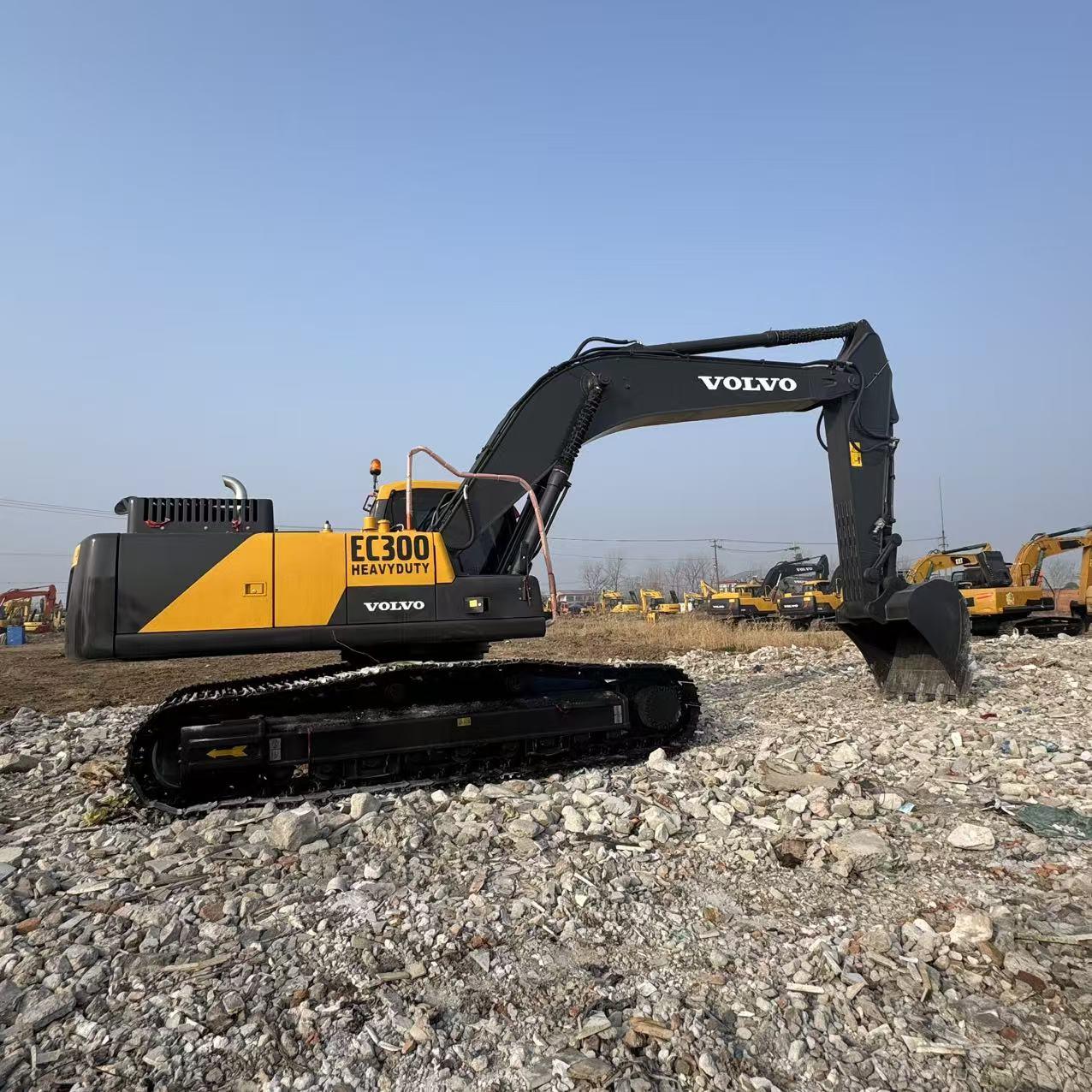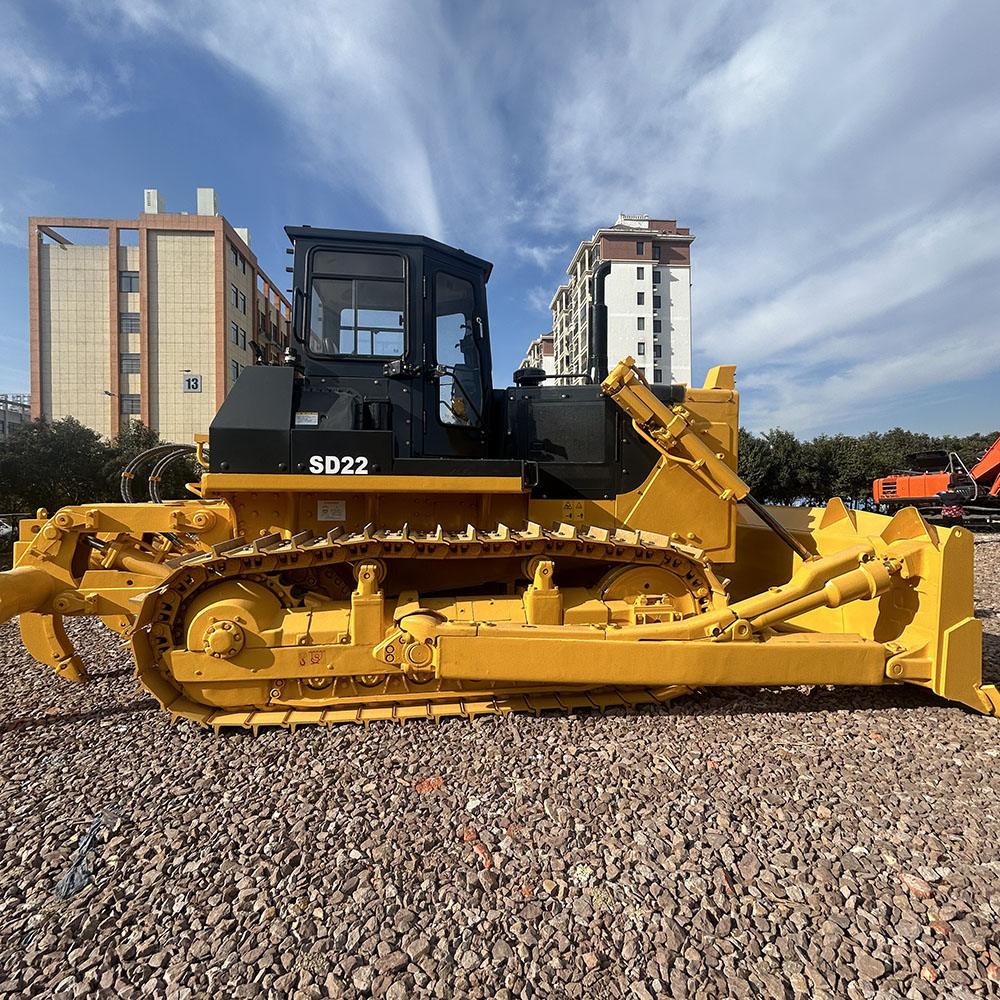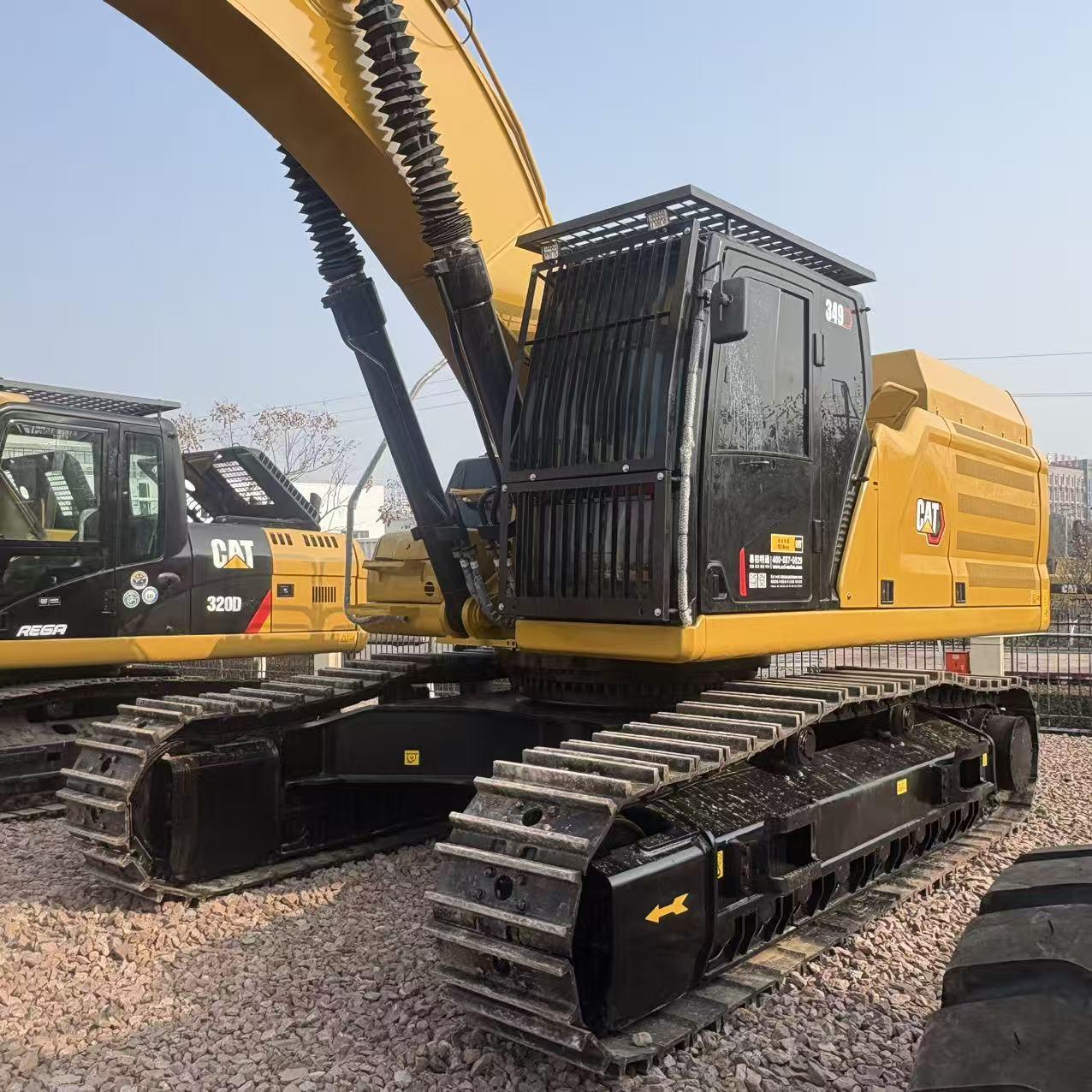
China has emerged as one of the world’s largest sources of used construction machinery, including used excavators. For international buyers, the appeal is clear: competitive pricing, a wide selection of brands and models, and the potential for significant cost savings compared to purchasing locally. However, the question on every importer’s mind remains: Is it safe to buy used excavators from China?
The short answer is yes, it can be safe, but only if you navigate the process with due diligence, informed decision‑making, and a clear understanding of the risks involved. This comprehensive guide walks you through everything you need to know—from the benefits and potential pitfalls to actionable steps that protect your investment.

1. Why Buy Used Excavators from China?
Before diving into safety concerns, it’s important to recognize why so many global buyers turn to China for used heavy equipment.
- Cost Advantage: Used excavators from China are often priced 20%–40% lower than similar machines in Europe, North America, or even Japan, even after factoring in shipping and import duties.
- Vast Inventory: China’s massive infrastructure boom over the past two decades has created a huge pool of well‑maintained, late‑model used excavators. Brands like Caterpillar, Komatsu, Hitachi, Volvo, and Sany are readily available.
- Diverse Options: Whether you need a compact mini excavator for urban projects or a large 30‑ton machine for mining, you can find a wide range of specifications, years, and working hours.
However, these benefits come with inherent risks. Let’s examine the most common concerns.
2. Potential Risks When Importing Used Excavators from China
⚠️ Quality and Condition Uncertainty
The biggest fear for any buyer is receiving a machine that doesn’t match the description. Issues include:
- Tampered hour meters: Unscrupulous sellers may roll back the hour meter to make the machine appear less used.
- Undisclosed repairs: Major components like the engine, hydraulic pump, or swing motor might have been rebuilt with inferior parts.
- Cosmetic deception: A fresh coat of paint can hide rust, old cracks, or structural fatigue.
⚠️ Fraudulent Sellers
While most Chinese dealers are legitimate, the industry does have “middlemen” who operate without actual inventory. They may post attractive photos, collect deposits, and disappear.
⚠️ Shipping and Logistics Headaches
- Port delays: Congestion at Chinese ports (like Shanghai or Tianjin) can extend lead times.
- Damage during transit: Heavy equipment shipped via container or Ro‑Ro can suffer cosmetic or mechanical damage if not properly secured.
- Hidden costs: Unforeseen expenses such as export taxes, fumigation fees, or demurrage charges can inflate the total cost.
⚠️ After‑Sales Support
Once the excavator leaves China, getting warranty service or replacement parts can be challenging. Some sellers promise support but fail to deliver because they lack overseas networks.
3. How to Ensure a Safe Purchase: A Step‑by‑Step Guide
Follow these best practices to minimize risks and import a used excavator that delivers reliable performance.
Step 1: Research and Vet the Supplier Thoroughly
- Check business licenses: Request the supplier’s business registration and verify it through Chinese government databases (e.g., National Enterprise Credit Information Publicity System).
- Look for established presence: Prefer companies with physical offices, warehouses, and a long track record. Google Maps or Baidu Maps can help verify addresses.
- Read reviews and ask for references: Search for the company name on forums, social media, or platforms like Alibaba. Ask for contact details of previous international buyers.
Step 2: Insist on a Third‑Party Inspection
Never rely solely on photos or videos provided by the seller. Hire an independent inspection agency (e.g., SGS, Bureau Veritas, or AsiaInspection) to:
- Verify the machine’s serial number, year of manufacture, and actual working hours.
- Conduct a functional test: check engine start‑up, hydraulics, undercarriage, and bucket condition.
- Identify any leaks, unusual noises, or structural damage.
- Provide a detailed report with photos and a condition rating.
If the seller refuses a third‑party inspection, consider it a red flag.
Step 3: Understand the Machine’s History
Ask for maintenance records and, if possible, the original invoice or import documents. For major brands, you can sometimes verify the machine’s history through the manufacturer’s database (e.g., Komatsu’s Dashboard or Caterpillar’s SIS).
Step 4: Secure Payment Terms
- Avoid full payment upfront: A typical safe arrangement is 30% deposit and 70% balance after inspection and before shipment. Use secure payment methods like letter of credit (L/C) or escrow services.
- Use trade assurance: Platforms like Alibaba offer Trade Assurance that protects your payment if the supplier fails to deliver as agreed.
Step 5: Clarify Shipping and Documentation
- Choose the right incoterm: FOB (Free on Board) gives you more control over the shipping line, while CIF (Cost, Insurance, Freight) can be simpler but may hide costs. Understand the differences.
- Check export paperwork: Ensure the seller provides:
- Commercial invoice
- Packing list
- Bill of lading
- Certificate of origin (if required for duty preference)
- Export customs declaration
- Insurance: Always purchase marine cargo insurance to cover potential loss or damage during transit.
Step 6: Plan for Import Compliance
Verify that the used excavator meets your country’s import regulations:
- Age restrictions: Some countries ban imports of machines older than a certain year (e.g., 10 years).
- Emission standards: Ensure the engine complies with local emission rules (e.g., EU Stage, EPA Tier).
- Modifications: If the machine was modified in China (e.g., adding a GPS system), confirm it doesn’t violate your local laws.
4. Frequently Asked Questions
Q: Can I trust online listings from Chinese suppliers?
A: Listings can be genuine, but they should be treated as starting points. Always verify through inspection and due diligence.
Q: What if the excavator breaks down after arrival?
A: Some reputable Chinese dealers offer a limited warranty (e.g., 3–6 months on major components). Confirm this in writing and understand the claims process. Alternatively, budget for local repairs and source parts from international aftermarket suppliers.
Q: Are there any specific brands I should avoid?
A: Generally, well‑known global brands are safer because parts are widely available. Lesser‑known Chinese domestic brands may have lower resale value and harder‑to‑find spares.
Q: How long does shipping take?
A: From a major Chinese port to, say, a Middle Eastern or African port typically takes 20–40 days, depending on the route and shipping line.
5. Conclusion: Proceed with Confidence, Not Complacency
Buying a used excavator from China can be a profitable venture if you approach it with eyes wide open. The market is full of opportunities, but it also requires careful planning. By vetting suppliers, insisting on independent inspections, understanding shipping logistics, and securing favorable payment terms, you can significantly reduce the risks.
Remember: Safety doesn’t come from luck—it comes from process. Use this guide as your checklist, and you’ll be well on your way to importing a quality used excavator that serves your business for years.
Your Trusted Partner for Used Excavators: Taihongmachinery
When it comes to sourcing reliable used excavators from China, partnering with an experienced and transparent supplier makes all the difference. That’s where Taihongmachinery (TH Engineering Equipment Limited) comes in.
With years of expertise in the heavy equipment industry, Taihongmachinery specializes in exporting high‑quality used excavators to buyers around the globe. We understand the concerns that international importers face—because we’ve spent years building a process that addresses them head‑on.
Why choose Taihongmachinery?
- Curated Inventory: We carefully select each machine, focusing on well‑maintained units from reputable brands like Caterpillar, Komatsu, Hitachi, Volvo, and Sany. Every excavator in our yard is thoroughly inspected before listing.
- Transparent Condition Reports: We provide detailed photos, videos, and honest assessments—no hidden surprises. If a machine has been repaired or repainted, we tell you upfront.
- Third‑Party Inspection Welcome: We encourage buyers to arrange independent inspections. Our confidence in our equipment means we have nothing to hide.
- Full Logistics Support: From export documentation to shipping arrangements, our team handles the complexities so you can focus on your business.
- After‑Sales Assistance: We stay with you even after the machine leaves our yard. Whether you need help sourcing spare parts or troubleshooting technical issues, we’re just a message away.
Whether you’re looking for a compact mini excavator for urban projects or a heavy‑duty 30‑ton machine for large‑scale earthmoving, Taihongmachinery has the right solution for you.
Ready to find your next used excavator?
Browse our current inventory or contact our team for personalized assistance. Let us help you import with confidence.