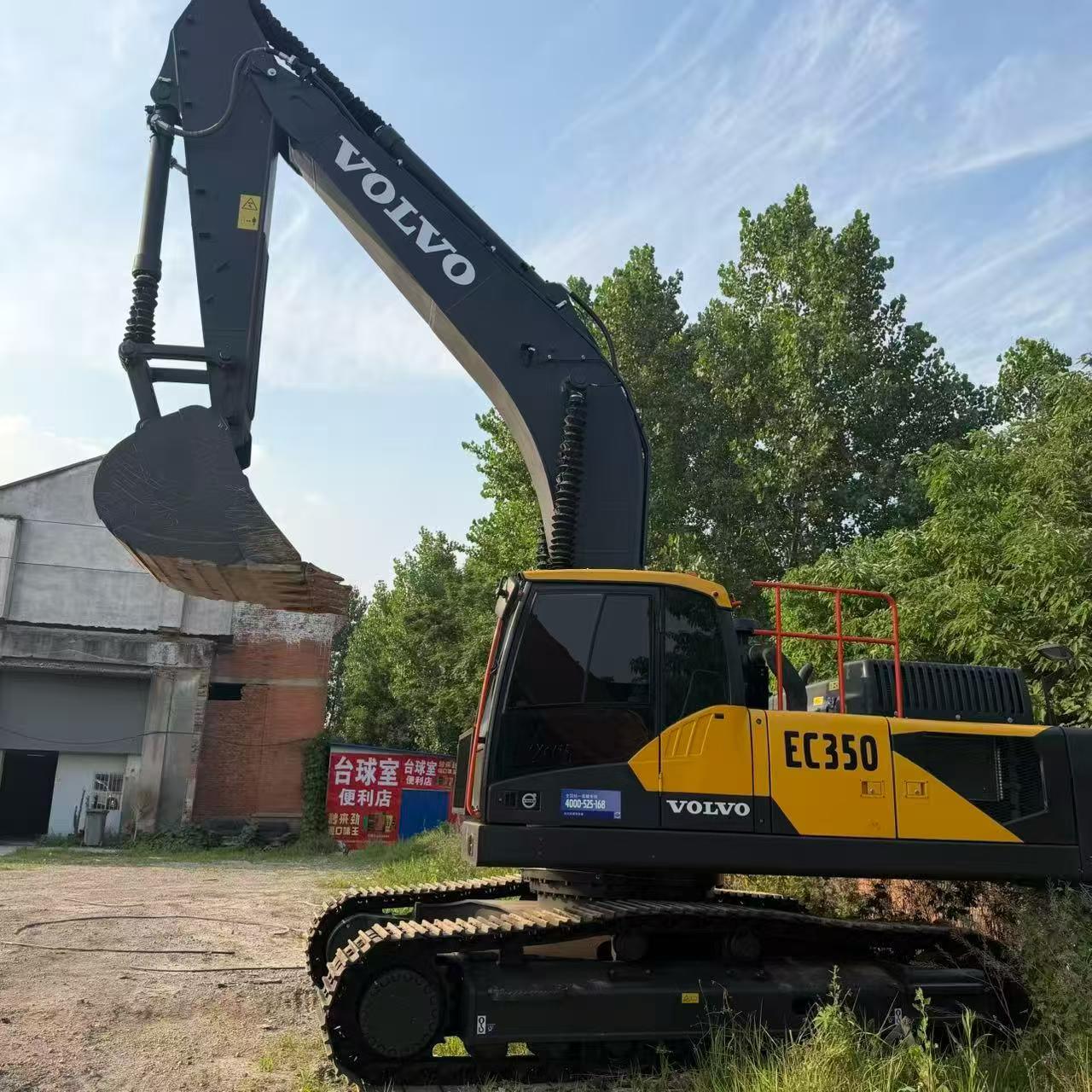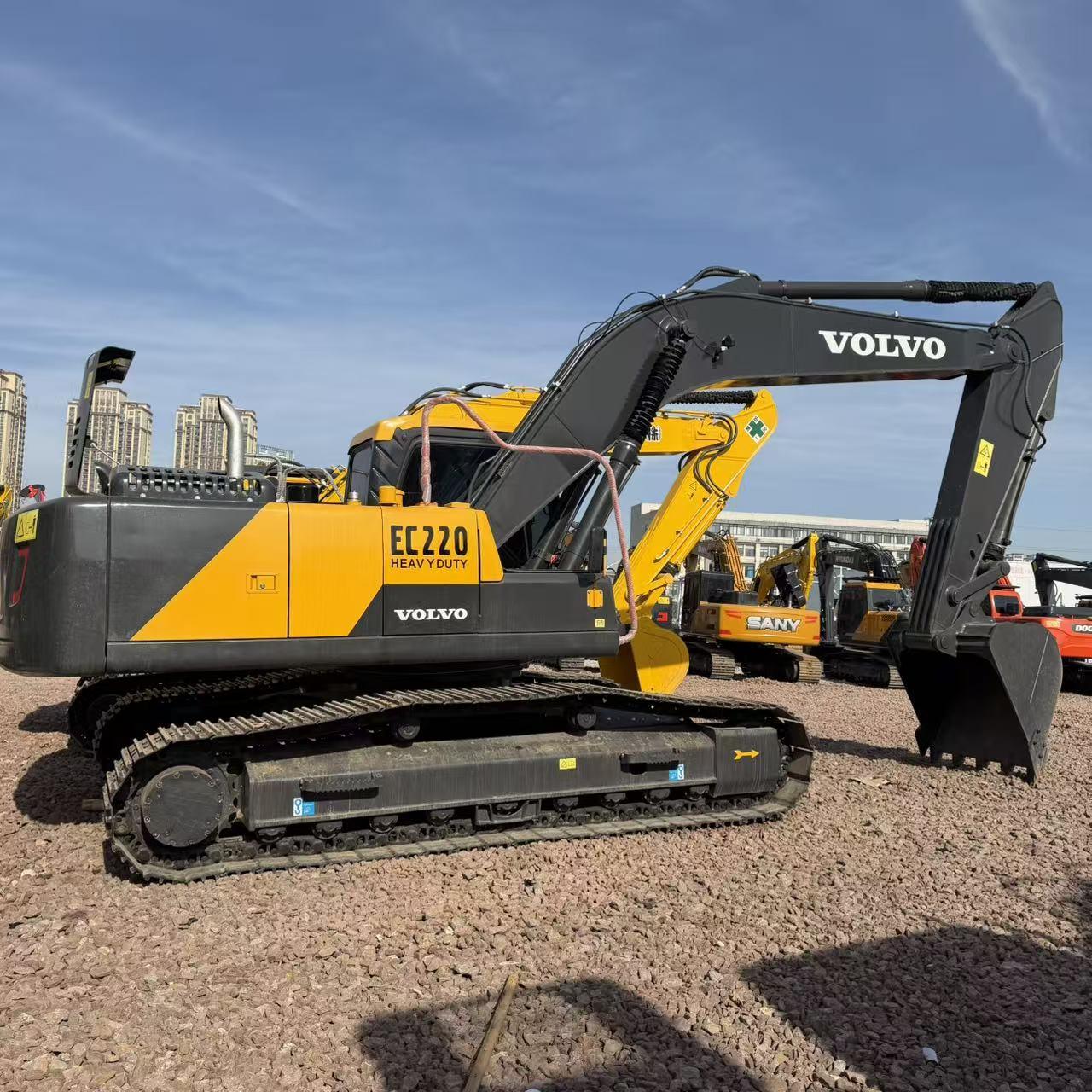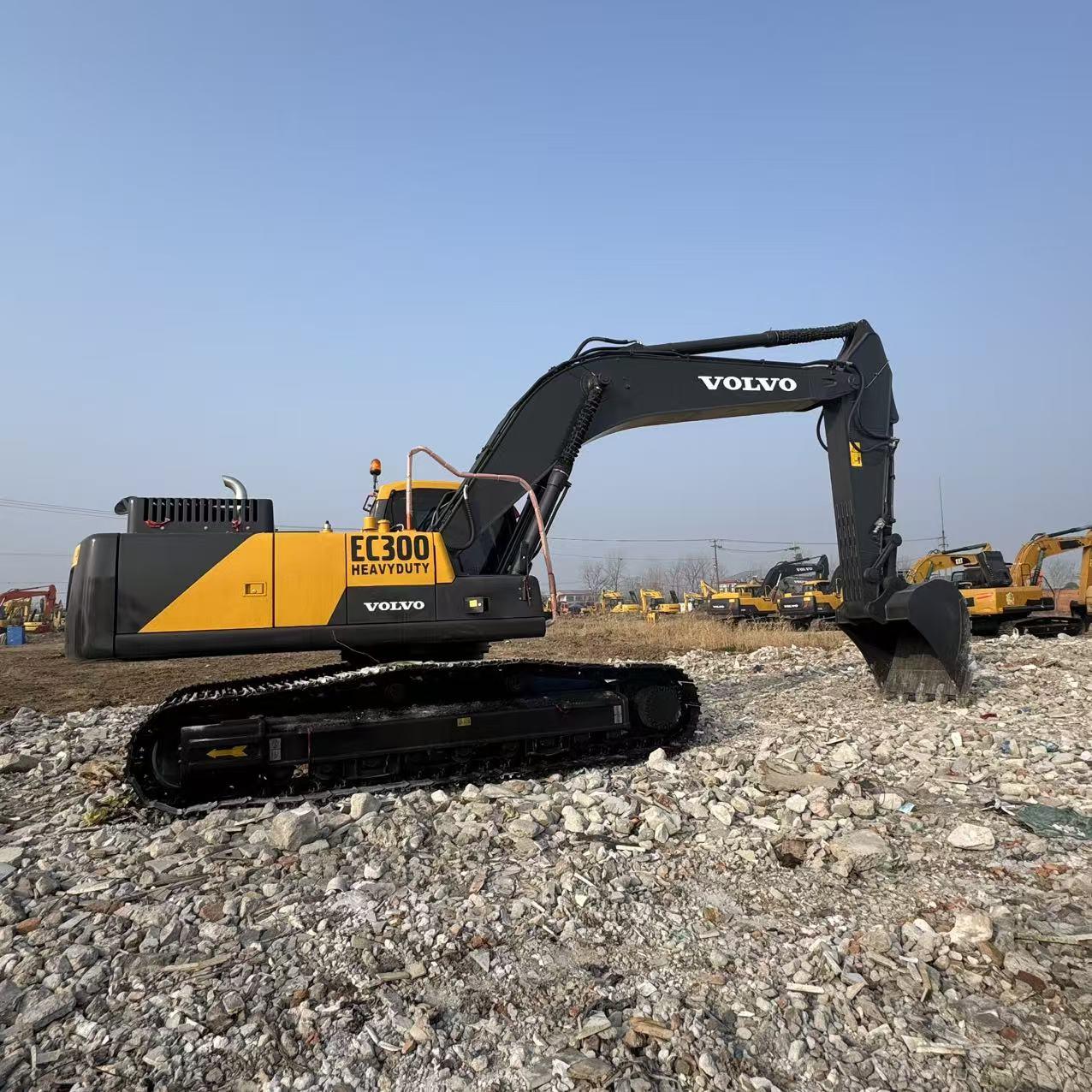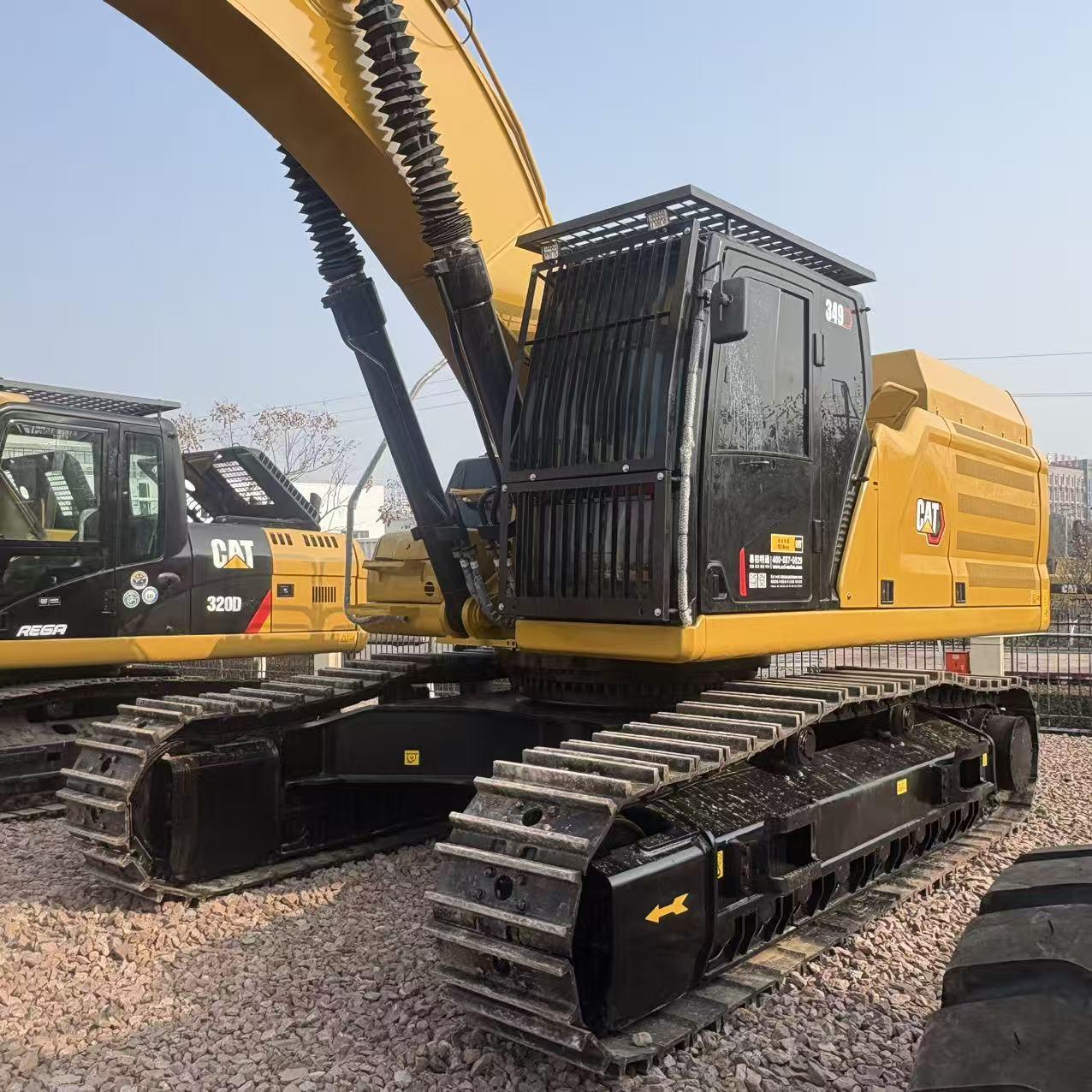
The Caterpillar 320 is one of the most iconic mid-sized excavators in the construction industry. For over two decades, this 20-22 ton class machine has been a top choice for contractors worldwide—from road construction and site preparation to utility installation and demolition. Its reputation for durability, powerful hydraulics, and strong resale value makes it a prime candidate for buyers seeking a reliable used excavator.
However, not all used Cat 320s are created equal. Some have logged thousands of hours in harsh mining conditions; others have been meticulously maintained for light-duty municipal work. Knowing what to inspect can mean the difference between a smart investment and a costly repair nightmare.
This guide presents five critical inspection tips for evaluating a used Caterpillar 320 excavator. Whether you’re comparing it against a used Komatsu PC200, a used Hitachi ZX200, or any other competitor, these tips will help you make an informed, data-driven decision.
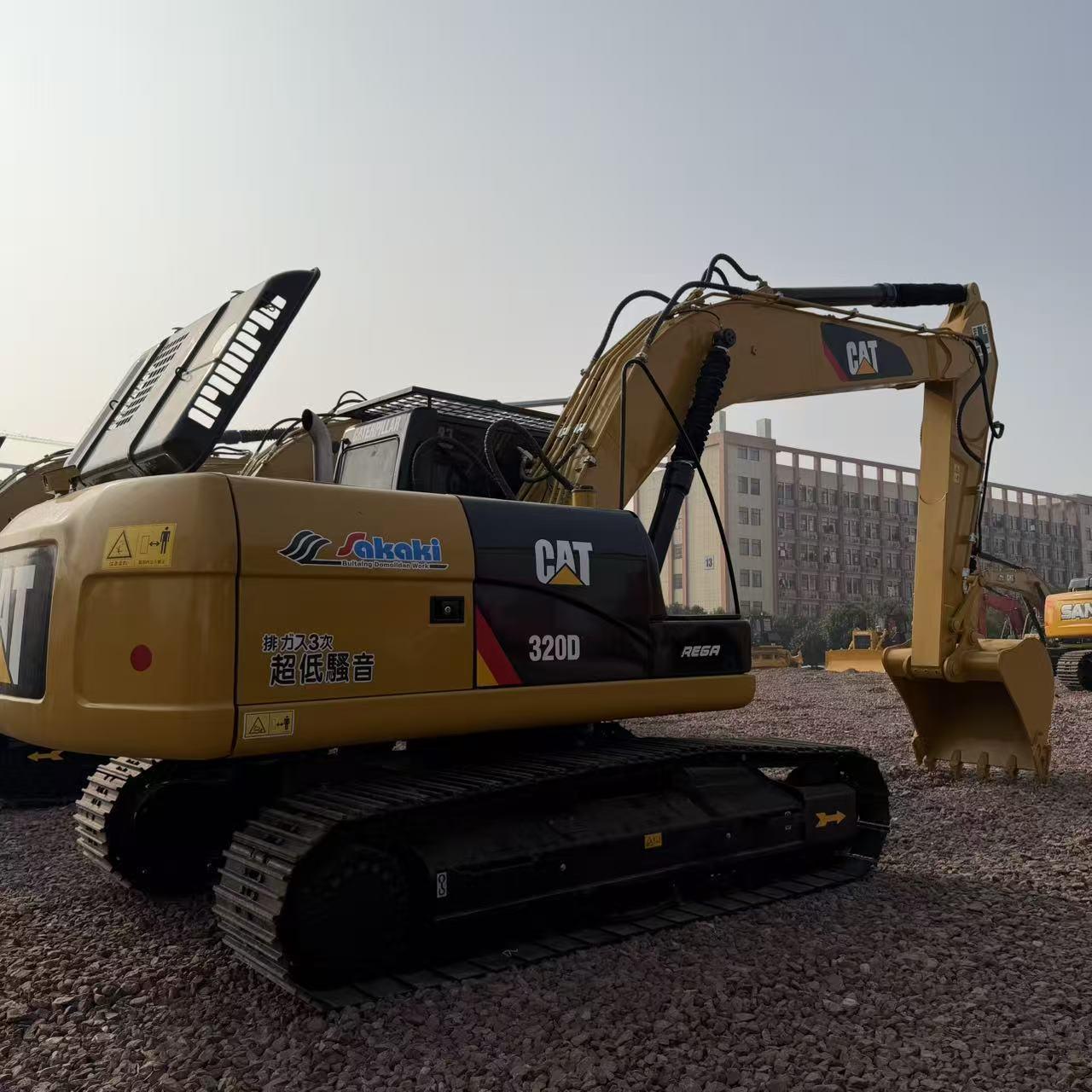
Tip 1: Perform a Cold Start Engine Inspection
The engine is the most expensive component to repair on any used excavator. For the Cat 320, which is typically powered by a Caterpillar C4.4 or C6.4 engine depending on the series (320D, 320E, Next Gen 320), a proper cold start inspection is essential.
What to Look For:
Cold Start Behavior: Request that the machine has not been warmed up before your arrival. A healthy Cat 320 should start smoothly within a few seconds of cranking. Watch the exhaust:
- Black smoke briefly during startup is normal, but persistent black smoke indicates incomplete combustion—often due to clogged air filters, faulty injectors, or turbocharger issues .
- Blue smoke signals burning oil—a sign of worn piston rings, valve seals, or turbocharger seal failure.
- White smoke that continues after warm-up suggests coolant entering the combustion chamber, potentially a blown head gasket.
Idle Stability: Once started, the engine should idle smoothly without hunting (fluctuating RPMs). Listen for knocking, ticking, or unusual metallic noises.
Operating Temperature Performance: After the machine reaches operating temperature, check the engine under load. Users report that the Cat 320 “has good grunt” and “never feels underpowered digging hard clay” . If the engine bogs down under hydraulic load, there may be fuel system or turbocharger issues.
Competitor Context:
Compared to a used Komatsu PC200, which is praised for fuel efficiency and hydraulic smoothness, the Cat 320 is often noted for “strong engine performance” and being “efficient for digging tasks” . However, some users note that Cat engines can be thirstier—fuel consumption “decent, better than other models” according to one operator, though others wish it consumed “slightly less fuel under heavy loads” .
Tip 2: Inspect the Hydraulic System Under Load
The Cat 320’s hydraulic system is designed for power and precision. However, hydraulic components are among the most expensive to repair. A thorough hydraulic inspection can reveal hidden issues.
What to Look For:
Visual Inspection: Walk around the machine and inspect all hydraulic hoses, cylinders, and connections. Look for:
- Wet spots or drips around hose fittings
- Kinked, chafing, or bulging hoses
- Cylinder rods with scoring, pitting, or chrome peeling—damaged rods will tear cylinder seals
Function Testing: With the engine at operating temperature, test each function:
- Boom up/down
- Arm (stick) in/out
- Bucket curl/dump
- Swing left/right
- Travel forward/reverse
Smooth, responsive movement without jerking or hesitation indicates a healthy system .
Hydraulic Drift Test: Position the bucket with the arm extended and engine off. A small amount of drift is normal, but rapid drift (e.g., arm dropping significantly overnight) indicates internal cylinder seal leakage or valve wear .
Listen for Unusual Noises: Whining or grinding during operation can indicate pump cavitation or internal wear .
User Experience Insights:
Operators praise the Cat 320’s hydraulic system as “robust, offering ample power when needed” . One user noted, “Hydraulics are smooth enough, I didn’t run into annoying lag or weird noises which you sometimes get with beat-up machines” . This aligns with the machine’s reputation for reliable hydraulic performance.
Competitor Comparison:
- Used Komatsu PC200: Known for superior hydraulic finesse and fuel efficiency, often preferred for precision grading work.
- Used Hitachi ZX200: Offers fast cycle times but some users report long-term durability concerns, noting “two to three years later, problems are more frequent” .
- Used Volvo EC210: Praised for operator comfort and safety but noted as “more fragile” and with lower resale value compared to Cat .
Tip 3: Check the Undercarriage and Structural Integrity
Undercarriage wear is one of the biggest variable costs when buying a used excavator. A worn undercarriage can cost $5,000–$10,000 to replace. Structural cracks can be even more expensive—or render the machine unsafe.
What to Look For:
Track Chains: Measure track sag between the carrier roller and track shoe. Excessive sag indicates chain stretch. Also inspect for:
- Rust between bushings (indicates prolonged sitting)
- Worn or broken track links
- Missing track shoes or bolts
- Track pads with excessive wear or missing grousers
Sprockets and Idlers: Drive sprockets with sharp, hooked teeth indicate advanced wear and will need replacement soon. Front idlers should show no excessive wear or leaking seals .
Rollers: Check all bottom rollers and carrier rollers. Rollers that don’t turn freely (seized bearings) or show flat spots need replacement. Oil leaks from rollers indicate seal failure .
Track Frame and Main Frame: Walk around the machine and inspect the track frame for cracks or welding repairs. Pay special attention to the turntable connection points—cracks here can indicate overloading or accident damage.
Boom and Arm: Inspect all pivot points for excessive play. Check weld joints at stress points—particularly where the boom attaches to the frame and where the arm attaches to the boom. Cracks or poorly executed welds are major red flags .
Undercarriage Wear Measurement:
A useful benchmark: if you can see significant wear on the track chain bushings (flattening), the undercarriage likely has less than 50% life remaining. Track tension should be adjusted to manufacturer specifications—too tight accelerates wear, too loose risks derailing .
Tip 4: Evaluate Operational Functions and Cab Condition
The operator’s daily experience matters—not just for comfort, but for productivity. A machine that’s hard to operate or has failing controls will cost you in efficiency.
What to Look For:
Travel Test: Drive the machine forward in a straight line. If it consistently veers to one side without steering input, there may be hydraulic imbalance or final drive issues .
Swing Function: Swing should be smooth in both directions. Grinding or hesitation during swing can indicate swing bearing wear or swing motor issues.
Brake Test: Test both service and parking brakes. On a grade, the machine should hold position without drifting .
Cab Ergonomics: Sit in the operator’s seat and evaluate:
- Seat condition and adjustability
- Joystick responsiveness and button functionality
- Visibility—clean mirrors, intact glass
- HVAC operation—working air conditioning and heat
- Gauges and warning lights—all should function
One user noted that the Cat 320’s cab is “solid, especially the new seat—not bad on long shifts, though the AC could be stronger for hotter days” . Another mentioned that while the cab is functional, “it’s not the most comfy cab if you’re running 10+ hours. It’s fine but your back notices by the end of the week” .
Next-Generation Considerations:
If you’re looking at a Next Gen Cat 320 (2020+), be aware of the keyless start system. One user noted, “First thing I noticed was no key, just a code and button to start. Not sure I love all the gadgets but the basics work” . This represents a significant shift from traditional mechanical controls.
Tip 5: Verify Documentation and Hour Meter Integrity
The most overlooked aspect of buying a used excavator is verifying its history. Inconsistent documentation or suspicious wear patterns can indicate tampering or hidden damage.
What to Check:
Service Records: Request full maintenance logs. Look for consistent service intervals—oil and filter changes, hydraulic filter replacements, and major component overhauls. A machine with documented service history is far more reliable than one without .
Hour Meter Consistency: Cross-reference the displayed hours with physical wear indicators:
- Pedal rubber wear (should match hours)
- Seat condition (original vs. replaced)
- Joystick wear
- Paint fade on high-touch areas
If the machine shows 4,000 hours but the pedals are worn smooth and the seat is heavily cracked, the meter may have been tampered with .
Usage History: Ask about previous applications. A machine used primarily in landscaping or municipal work will have less stress than one used in mining or rock quarry applications .
Major Repairs: Ask whether the engine, hydraulic pump, swing motor, or final drives have been rebuilt or replaced. Documented rebuilds with quality parts can extend machine life, but undocumented repairs should be treated with caution.
Red Flags to Avoid:
- 🚩 Excessive welding or poorly executed repairs—indicates structural damage
- 🚩 Inconsistent hours—worn pedals but low meter hours suggest tampering
- 🚩 Fluid contamination—milky oil indicates water contamination; metallic sheen indicates internal wear
- 🚩 Missing service records—a well-maintained machine will have documentation
- 🚩 Unusually low price—if it seems too good to be true, it probably is
Market Context: What to Expect for Pricing
According to recent listings, a used Caterpillar 320D with approximately 6,000–8,000 hours can range from $31,000 to $45,000 depending on condition, location, and included attachments . A 2020-2021 Next Gen Cat 320 with lower hours will command significantly higher prices—often in the $85,000–$120,000 range.
When comparing against competitors:
- Used Komatsu PC200-8: Typically priced 5–10% lower than comparable Cat models, with strong resale value
- Used Hitachi ZX200: Often 10–15% less than Cat, but with mixed long-term reliability reviews
- Used Doosan DX225: Positioned as a value option, 15–20% below Cat pricing
Conclusion: Invest Smart in Your Used Cat 320
The Caterpillar 320 has earned its reputation through decades of reliable performance. From the legendary 320D to the modern Next Gen models, these machines deliver the power, durability, and resale value that contractors trust. However, a used excavator is only as good as its inspection.
By following these five critical inspection tips—cold start engine evaluation, hydraulic system testing, undercarriage inspection, operational function testing, and documentation verification—you can confidently assess any used Cat 320 and avoid costly surprises. Remember: a thorough inspection upfront is far cheaper than major repairs down the road.
Your Trusted Partner for Used Caterpillar Excavators: Taihongmachinery
At Taihongmachinery (TH Engineering Equipment Limited) , we specialize in connecting international buyers with high-quality used Caterpillar excavators, including the popular Cat 320 series. With years of experience serving buyers across Africa, the Middle East, Southeast Asia, and Latin America, we understand what it takes to deliver reliable equipment you can trust.
Why Choose Taihongmachinery for Your Cat 320 Purchase:
- Curated Inventory: We carefully inspect every used Caterpillar excavator before listing—verifying hour meters, component wear, and operational condition against OEM specifications.
- Transparent Condition Reports: We provide detailed photos, videos, and honest assessments—including engine start-up videos, hydraulic function tests, and undercarriage wear measurements. No hidden surprises.
- Third-Party Inspections Welcome: We encourage buyers to arrange independent inspections through SGS, Bureau Veritas, or other agencies. Our confidence in our equipment means we have nothing to hide.
- Competitive Pricing: Our direct sourcing channels and long-standing relationships allow us to offer fair market prices—typically 15–25% below dealer retail.
- Full Export Support: From documentation to shipping coordination, our experienced logistics team handles the complexities so you can focus on your business.
- After-Sales Assistance: Even after your used excavator arrives, we’re here to help with parts sourcing and technical support.
Whether you’re searching for a dependable used Cat 320D, a modern Next Gen 320, or comparing against used Komatsu PC200, used Hitachi ZX200, or other brands, Taihongmachinery has the expertise and inventory to meet your needs.
Ready to find your used Caterpillar 320? Contact our team today for personalized assistance and transparent pricing.