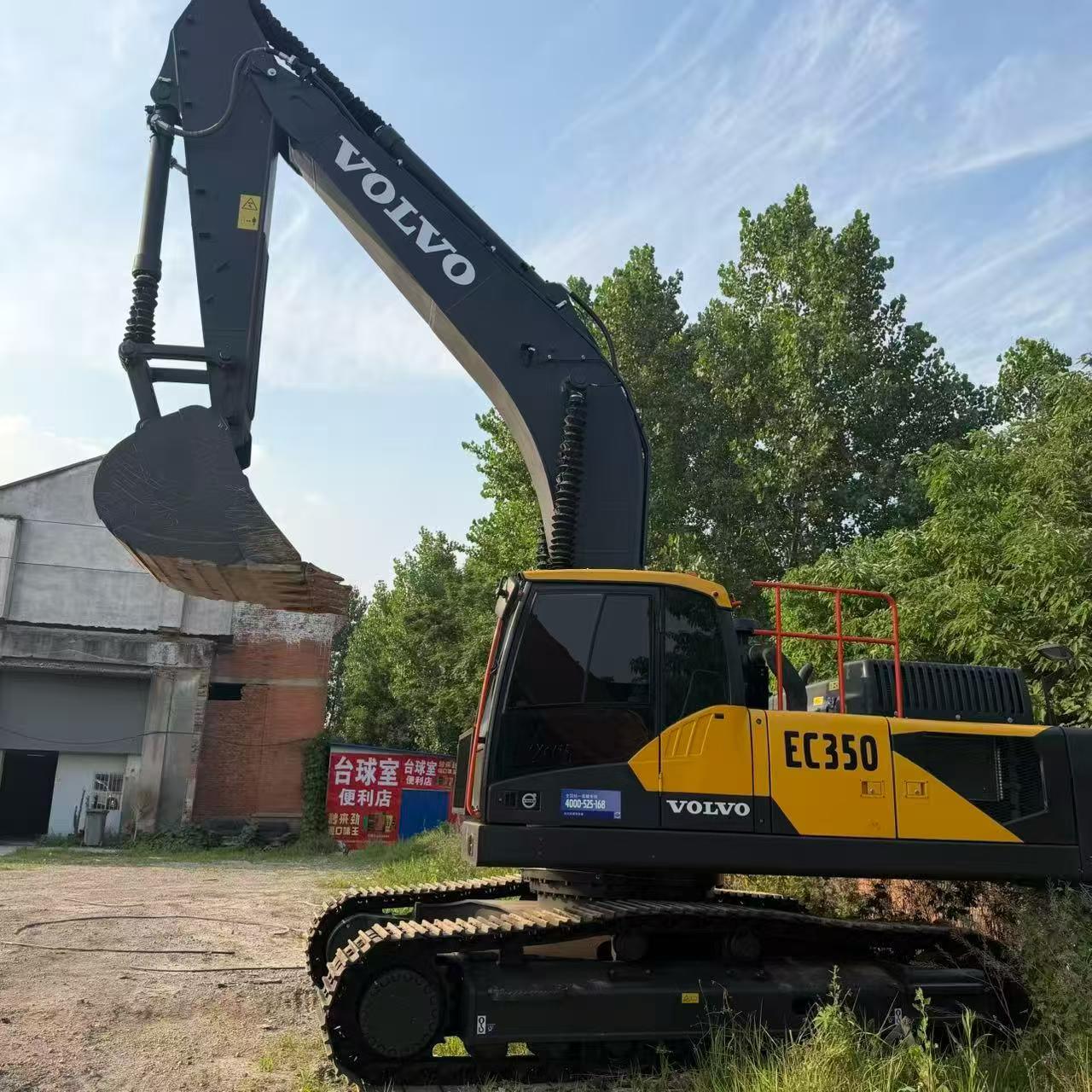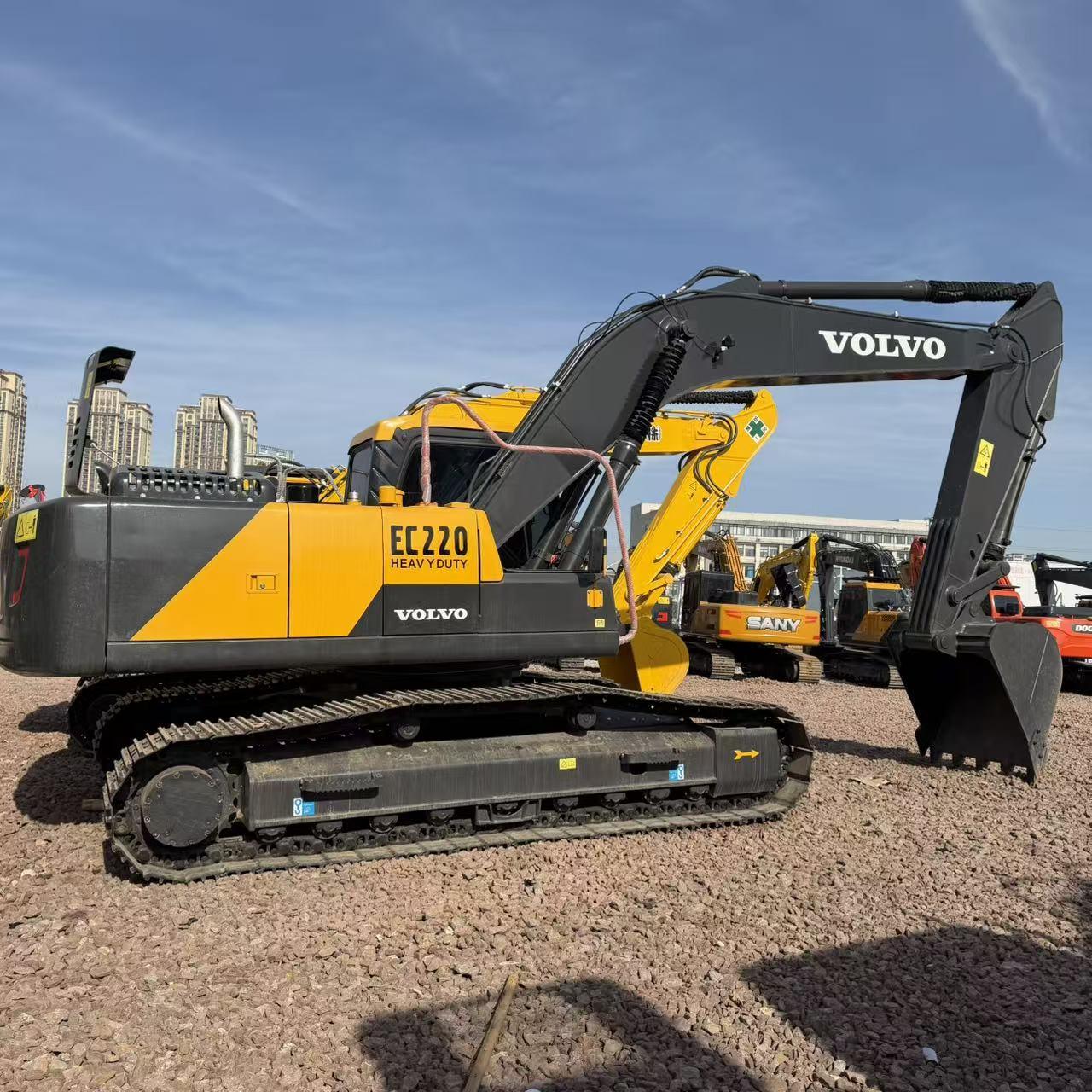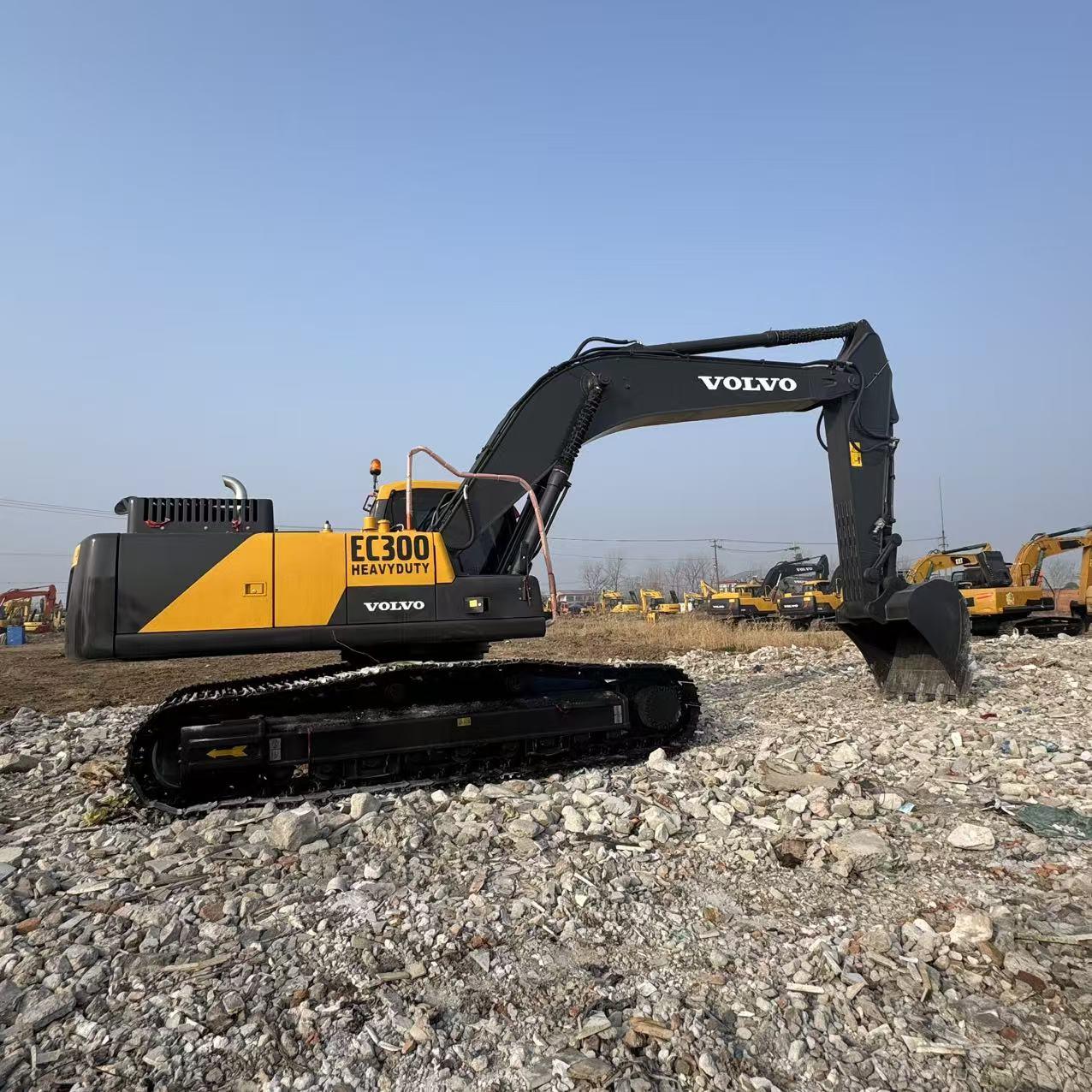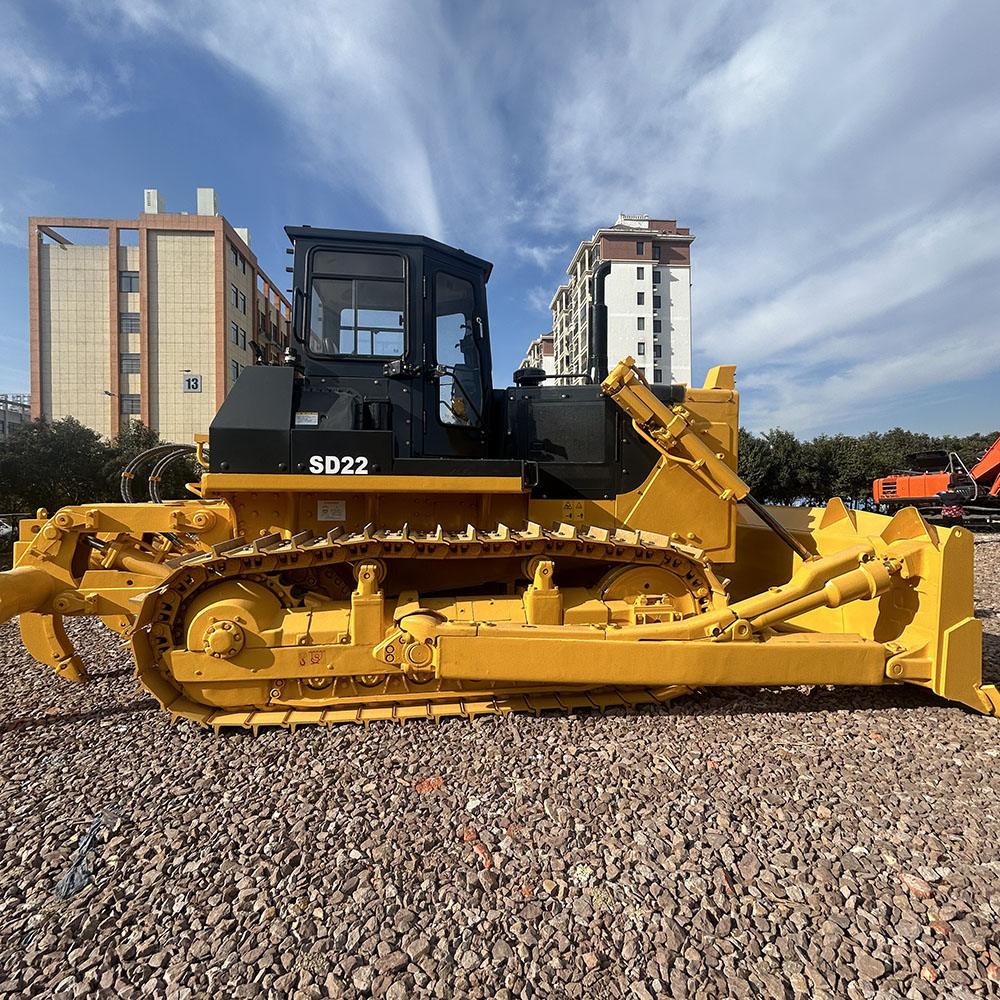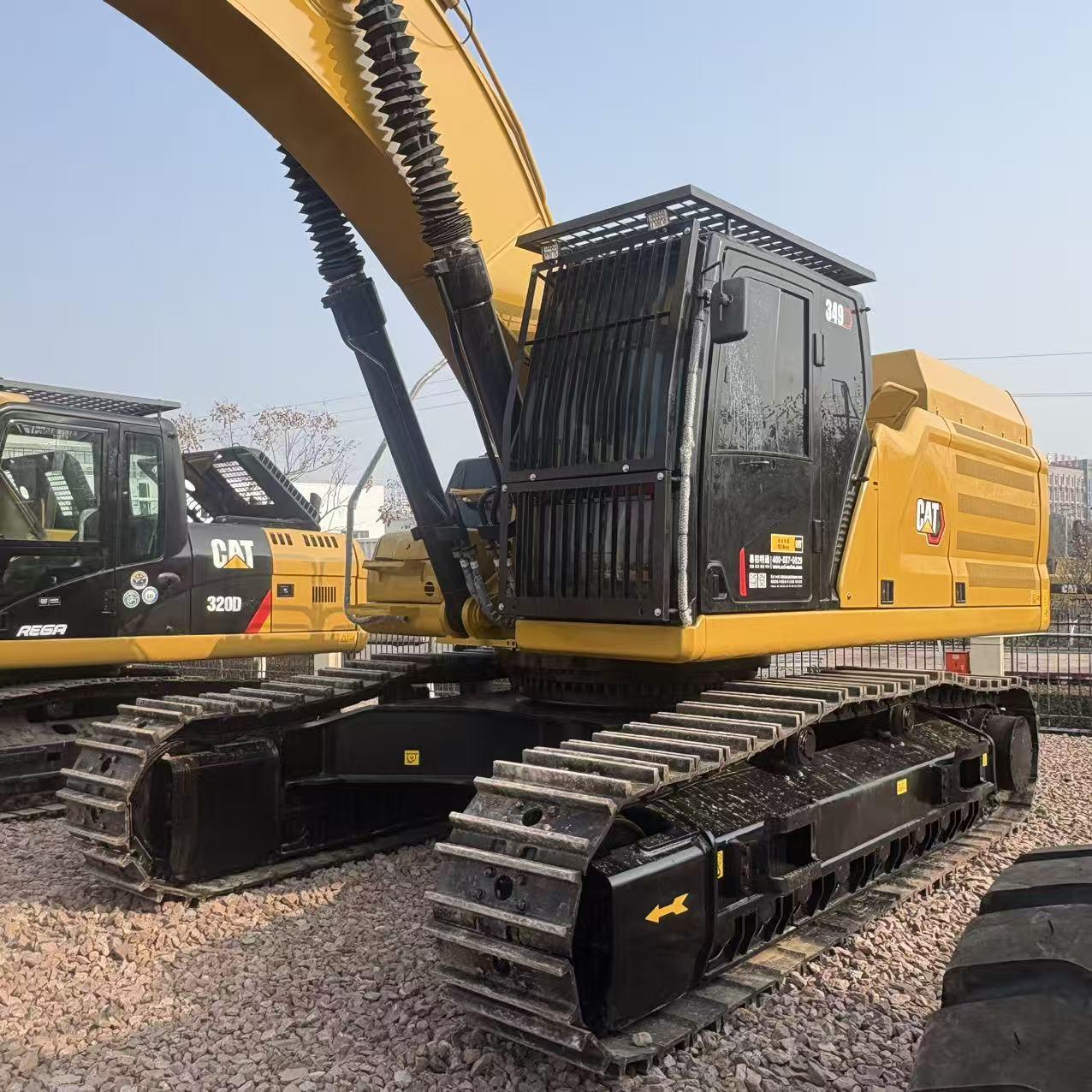
Introduction: The High-Reward Frontier of Chinese Used Machinery
In the current global construction climate, the demand for cost-effective, reliable equipment has never been higher. China has emerged as the world’s largest hub for pre-owned machinery, offering brands like Sany, XCMG, and Caterpillar at a fraction of their showroom price. However, the gap between a “bargain” and a “money pit” is often a single missed detail in the procurement process.
If you are an importer looking to scale your fleet or a contractor seeking your first machine, this guide provides the tactical roadmap to navigating the Chinese market, ensuring you receive a high-performing asset rather than a mechanical liability.

Phase 1: Identifying the Right Machine and Supplier
The foundation of a successful import lies in Sourcing Accuracy. The Chinese market is saturated with “middlemen” who do not own the inventory they advertise.
1.1 Direct Yards vs. Brokers
When browsing platforms like Alibaba or your independent site, prioritize sellers who can provide real-time video proof of their yard. A legitimate supplier will show you a “Live Walkaround” of the specific Serial Number you are interested in.
- Pro Tip: Look for “Verified” status, but supplement it with a request for the machine’s original purchase invoice or service records in China.
1.2 Brand Strategy: Global vs. Domestic
- Global Brands (Cat, Komatsu, Hitachi): Easier to find parts for locally, but often command a higher “export premium.”
- Chinese Giants (Sany, XCMG, SDLG): You get much newer technology (fewer hours) for the same price. By 2026, the global parts network for Sany has become so robust that the “parts availability” argument is largely a thing of the past.
Phase 2: Technical Due Diligence (The “Anti-Lemon” Protocol)
You cannot kick the tires from 5,000 miles away, so you must use data and third-party eyes.
2.1 The Independent Inspection
Never rely solely on the seller’s inspection report. Hire a third-party agency (such as SGS or a specialized heavy machinery surveyor). Your inspection checklist must include:
- Hydraulic Pump Pressure: Ensure the pump isn’t “fading” under heat.
- Undercarriage Wear: Measure the links, bushings, and sprockets. Replacing an undercarriage can cost $5,000–$15,000, wiping out your savings.
- Engine Blow-by: A video of the engine running with the oil cap removed can reveal internal wear that a fresh coat of paint can’t hide.
2.2 The “Cold Start” Verification
Request a video where the technician shows the engine is cold to the touch, then cranks it. Heavy smoke or labored starting is an immediate red flag for fuel system or compression issues.
Phase 3: Navigating Logistics and Incoterms
The price of the machine is only about 60-70% of your “Landed Cost.” Understanding shipping terms is where the pros save thousands.
3.1 Choosing Your Incoterms
- FOB (Free On Board): The seller gets it to the Chinese port. You control the ocean freight. This is highly recommended as it prevents “hidden” arrival fees.
- CIF (Cost, Insurance, and Freight): The seller handles everything to your port. While convenient, some unethical sellers use “kickback” shipping lines that charge exorbitant “DTHC” (Destination Terminal Handling Charges).
3.2 Shipping Methods
- Containerization (Disassembly): For medium excavators, removing the arm and cab to fit into a 40HC container can save $3,000 in freight.
- Ro-Ro (Roll-on/Roll-off): Safest for the machine’s structure but more expensive.
- Flat Rack: Necessary for oversized machines (30-ton+).
Phase 4: Customs, Compliance, and the “Green” Barrier
In 2026, environmental regulations are the most common reason for seized equipment.
4.1 EPA and CE Compliance
If you are importing to the USA, the engine must have a Tier 4 (or applicable) EPA label. For the EU, it must be CE certified. If the label is missing or looks “reproduced,” Customs will deny entry. Always ask for a high-resolution photo of the engine plate early in the negotiation.
4.2 The “Cleanliness” Rule
Customs in countries like Australia, the USA, and Canada are terrified of invasive species. If your excavator has even a handful of Chinese soil stuck in the tracks, it may be ordered for professional cleaning (at your expense) or deported. Ensure your contract includes a “Professional Steam Cleaning” clause.
Phase 5: Calculating Your Final ROI
To ensure this is a winning investment, use this simple formula for your Landed Cost:
$$Total Cost = Purchase Price + Ocean Freight + Insurance + Import Duty + Brokerage Fees + Inland Transport$$
If your total landed cost is still 25% lower than your local market price for a machine in similar condition, you have a successful deal.
Conclusion: Your Success Starts with the Right Partner
Importing a used excavator from China is a powerful way to grow your business without the crushing debt of new machinery. By following a rigorous inspection protocol, insisting on transparent Incoterms, and verifying emissions compliance, you turn a risky venture into a strategic advantage.
Are you ready to find your next machine?
I want to buy a second-hand excavator | Inquire now