Table of Contents
- Introduction
- The Market Reality: Why Used Excavators Make Business Sense
- Deep Dive: Komatsu PC210 Specifications
- Komatsu PC210 vs. CAT 320: A Direct Comparison
- Used Wheeled Excavators: An Alternative Worth Considering
- What to Look for When Buying a Used Excavator
- Why Taihongmachinery Stands Out
Introduction
When it comes to upgrading your construction fleet, the question is rarely about which brand to choose. It is about how to maximize return on every dollar invested. For contractors and fleet managers worldwide, the Komatsu PC210 stands as one of the most compelling options in the mid‑size excavator segment. But should you buy new or used? And how does the PC210 compare to its closest rivals—particularly the Caterpillar 320?
This analysis examines the used Komatsu 210 excavator from every angle: market trends, technical specifications, fuel economy, maintenance costs, resale value, and the growing role of used wheeled excavators in modern construction. By the end, you will have a clear framework for making an informed, cost‑effective decision.
The Market Reality: Why Used Excavators Make Business Sense
The global used and refurbished construction equipment market was valued at USD 57.5 billion in 2024 and is projected to reach USD 79.05 billion by 2033, growing at a compound annual growth rate (CAGR) of 3.6% from 2026 to 2033. The primary driver behind this growth is straightforward: contractors increasingly demand cost‑effective solutions that help reduce capital expenditure while maintaining project flexibility.
The used excavator segment—tracked and wheeled alike—accounts for a significant portion of this market. Leading brands such as Caterpillar, Komatsu, Volvo, Hitachi, and Kobelco command the highest resale values, with well‑maintained units fetching 15%–30% higher prices than lesser‑known brands under comparable conditions. Classic models like the Komatsu PC200‑8 and PC210 series are particularly prized for their proven durability, often commanding premiums of 15%–20% in the used market.
Beyond upfront savings, total cost of ownership (TCO) is the metric that truly matters. TCO encompasses purchase price, fuel consumption, routine maintenance, parts availability, and eventual resale value. Industry experts consistently advise buyers to minimize TCO rather than just the initial purchase price. A used machine from a reputable brand, backed by transparent service records, can deliver substantially better ROI than a new unit from a less proven manufacturer—especially when your project demands rapid deployment without long waiting times.
Deep Dive: Komatsu PC210 Specifications
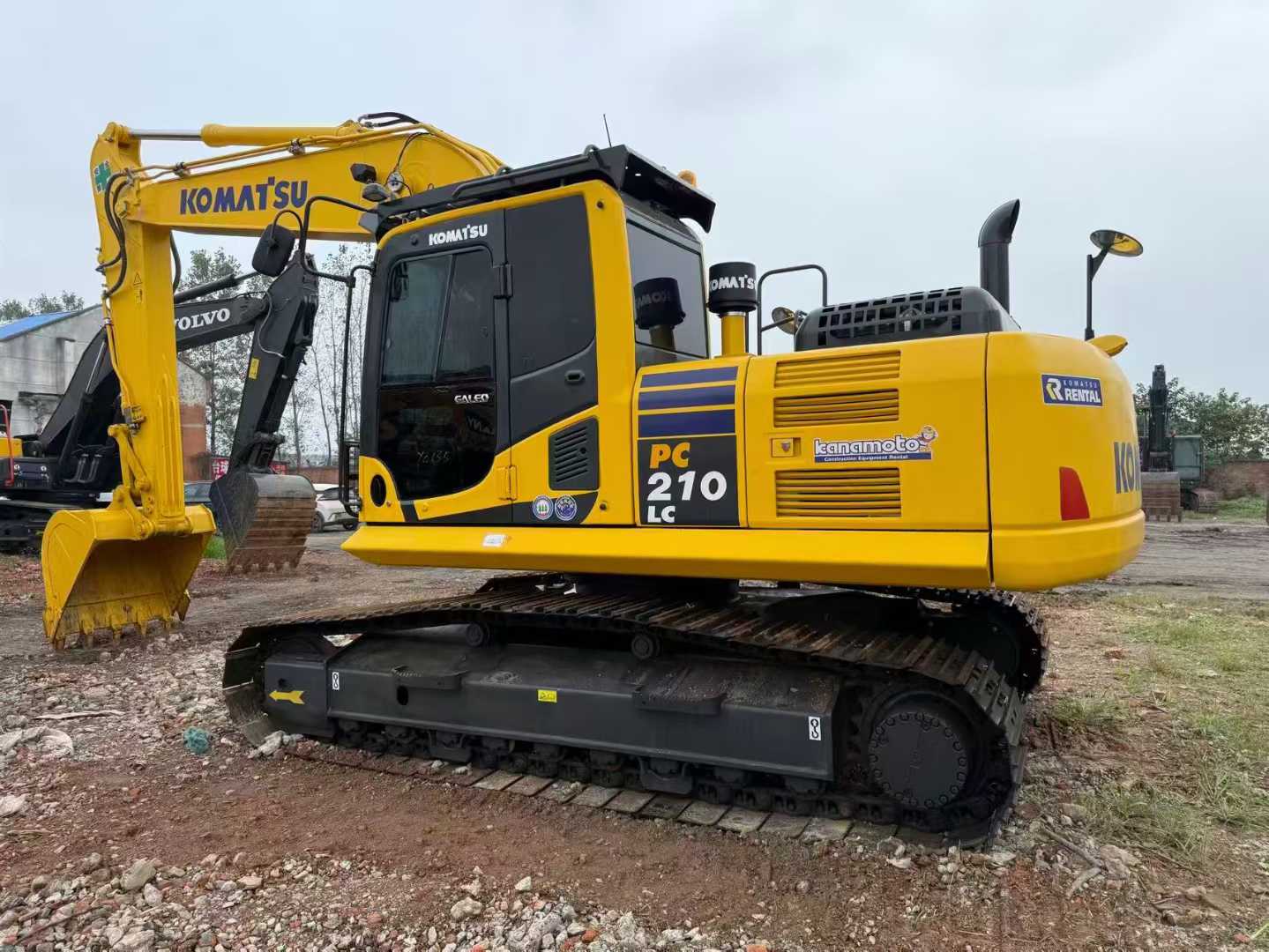
The Komatsu PC210 is a medium‑class hydraulic excavator engineered for heavy earthmoving, trenching, and loading tasks. Built around Komatsu‘s own SAA6D107E‑1 diesel engine, the PC210 delivers approximately 165 horsepower (123 kW) with an operating weight of 20,000–22,990 kg depending on configuration. Key specifications include:
| Specification | Komatsu PC210 |
|---|---|
| Rated Power | ~110–123 kW (150–165 HP) |
| Operating Weight | 20,000–22,990 kg |
| Standard Bucket Capacity | 0.9–1.2 m³ |
| Digging Depth | Up to 6.62 m |
| Fuel Tank Capacity | 400 L |
Komatsu has consistently focused on fuel efficiency across the PC210 lineage. Newer generations such as the PC210LC‑11 consume up to 6% less fuel than their predecessors while delivering increased horsepower. The intelligent work modes and variable engine speed matching control help operators achieve lower fuel consumption without sacrificing productivity—a critical advantage when fuel accounts for a large share of operating expenses.
For applications where mobility across paved or sensitive surfaces is essential, Komatsu also offers wheeled excavator variants under the PW series (e.g., PW210, PW200‑7). These used wheeled excavators combine digging power with rubber‑tire mobility, making them ideal for urban construction, road maintenance, and utility work.
Komatsu PC210 vs. CAT 320: A Direct Comparison
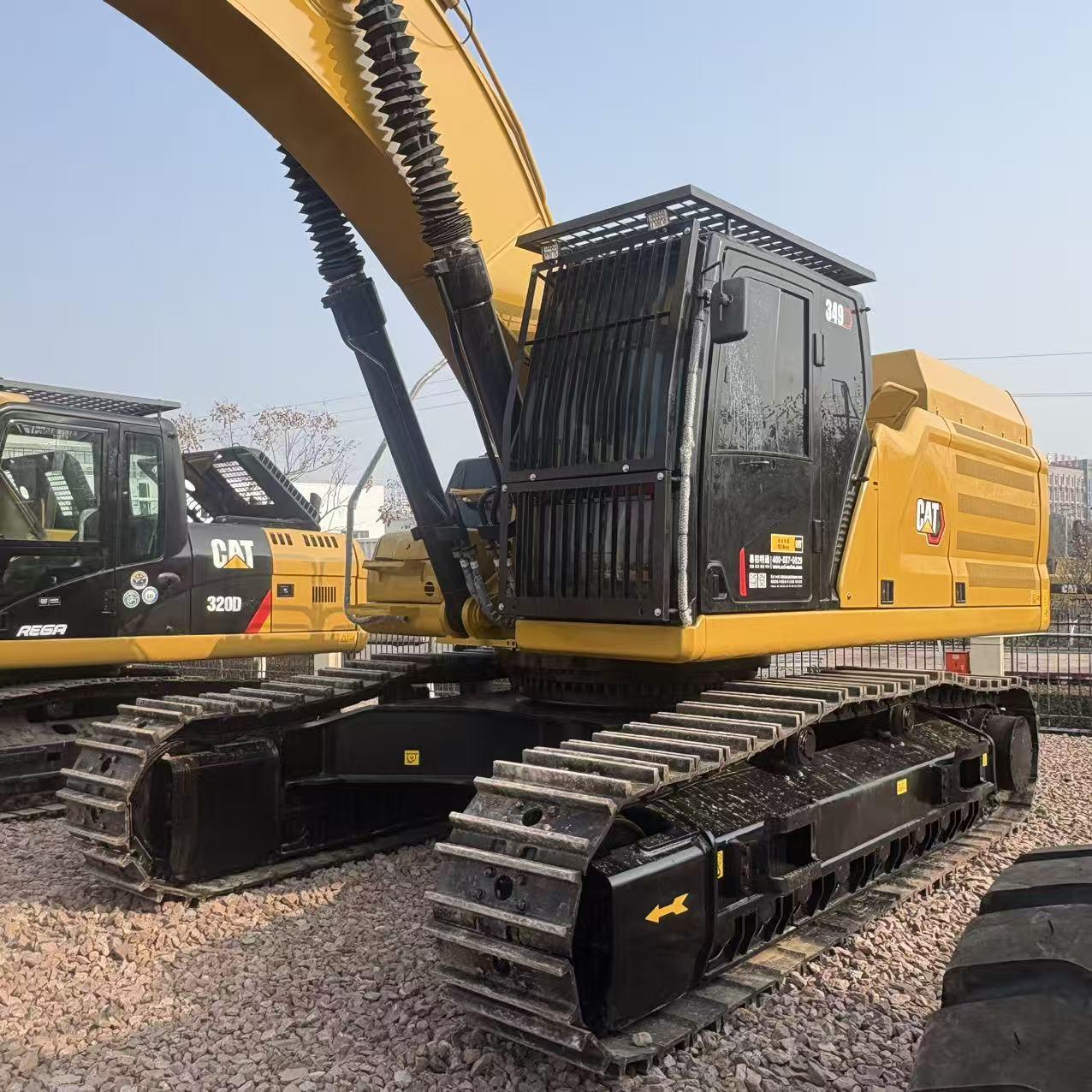
In the 20–23 ton excavator class, the CAT 320 and Komatsu PC210 dominate global jobsites. Both machines are admired for performance, durability, and global support networks—but they serve slightly different priorities.
Cost. The Komatsu PC210 is typically more affordable upfront than the CAT 320, making it an attractive option for buyers with tighter budgets or those expanding their fleet on a limited capital outlay.
Fuel Efficiency. The PC210 is widely recognized as a fuel‑efficient machine, thanks to its intelligent work modes and conservative power management. While the CAT 320 also incorporates advanced fuel‑saving technology, its higher horsepower output (approximately 172 hp vs. 165 hp) means slightly greater fuel consumption under heavy loads. For operations running long shifts or multiple machines, the cumulative fuel savings from the Komatsu can be substantial.
Maintenance and Durability. Komatsu builds its machines with ruggedness in mind. Fleet managers frequently praise the PC210’s long service life and minimal electronics, which make field repairs more straightforward. Many common parts are shared across other Komatsu models, improving parts availability and reducing downtime. Caterpillar, on the other hand, emphasizes extended service intervals and easy access to grouped service points, along with smart diagnostic tools that help identify problems before they become expensive repairs.
Resale Value. Caterpillar machines generally hold their resale value better due to strong brand recognition and sustained demand in the used equipment market. However, Komatsu excavators often provide better value for money over their operational lifespan, balancing lower initial cost with competitive resale performance.
Which to choose? As one industry comparison sums it up: choose the CAT 320 if you prioritize advanced technology, higher resale value, and strong overall performance. Choose the Komatsu PC210 if you want better fuel efficiency, lower initial cost, and smooth operation. For the majority of mid‑sized contractors focused on day‑to‑day productivity and predictable operating expenses, the PC210 offers a compelling cost‑performance proposition.
Used Wheeled Excavators: An Alternative Worth Considering
Not every job requires tracks. Used wheeled excavators—often nicknamed “rubber ducks”—have gained significant traction in markets where mobility, road‑legal transport, and minimal ground disturbance are priorities. Major manufacturers including Hyundai, Hitachi, JCB, CAT, Doosan, Case, Volvo, Takeuchi, Yanmar, Komatsu, and Liebherr all produce wheeled excavator models suitable for the used equipment market.
Wheeled excavators typically range from 5 to 23 tons, with used units available across all price points. They excel at tasks such as:
- Urban construction projects with tight access and paved surfaces
- Roadside maintenance and utility trenching
- Municipal work requiring frequent relocation between sites
- Demolition and material handling where rubber tires reduce surface damage
Within the Komatsu lineup, wheeled models such as the PW158‑11, PW200‑7, and PW210 are well represented in the used market. These machines share core componentry with their tracked PC series counterparts, meaning parts compatibility and maintenance familiarity carry over—a significant advantage for fleet operators already running Komatsu equipment.
When considering a used wheeled excavator, the same principles of TCO apply: evaluate condition, service history, and component wear just as rigorously as you would with a tracked machine.
What to Look for When Buying a Used Excavator
A thorough pre‑purchase inspection is non‑negotiable. Whether you are evaluating a PC210 or a wheeled model, systematic checks will protect your investment:
- Structural Integrity. Examine the boom, arm, frame, and attachment points for cracks, deformation, or poor‑quality weld repairs.
- Undercarriage (or Tires). For tracked models, inspect track shoes, rollers, and sprockets for uneven wear, which may indicate misalignment. For wheeled excavators, check tire tread depth and sidewall condition.
- Engine and Fluids. Look for leaks, check oil and coolant condition, and verify that the engine starts cleanly without excessive smoke. Verify service intervals have been followed.
- Hydraulic System. Cycle all functions—boom, arm, bucket, swing, and travel—to detect slow response, unusual noises, or drift. Hydraulic repairs are among the most expensive post‑purchase surprises.
- Service Documentation. Complete maintenance records and genuine parts usage significantly enhance a used machine‘s value. Lack of documentation is a red flag.
Buying from a reputable dealer rather than an informal source reduces risk considerably. The industry has evolved from informal sales channels to professional platforms supported by OEM certification programs, which increase transparency and provide financing options for used equipment.
Why Taihongmachinery Stands Out
At Taihongmachinery (TH Engineering Equipment Limited), we understand that buying a used excavator is more than a transaction—it is a long‑term partnership. With years of experience in the global used construction equipment trade, we specialize in Komatsu PC210 and other premium used excavators, including tracked models and used wheeled excavators from leading brands such as Hitachi, Kobelco, CAT, Volvo, Hyundai, and Doosan.
What sets us apart? Every machine we offer undergoes a rigorous multi‑point inspection following our strict quality protocol. We provide complete service records, transparent condition reports, and genuine parts verification—so you know exactly what you are investing in. Our team offers export logistics support, helping you get your equipment delivered anywhere in the world efficiently and cost‑effectively.
Whether you are expanding your fleet for a major infrastructure project, replacing aging machinery, or entering the construction business for the first time, we are here to help you find the right machine at the right price. Contact Taihongmachinery today to explore our current inventory of used Komatsu excavators, request a quote, or schedule an inspection. Let us help you make your next project your most profitable one.