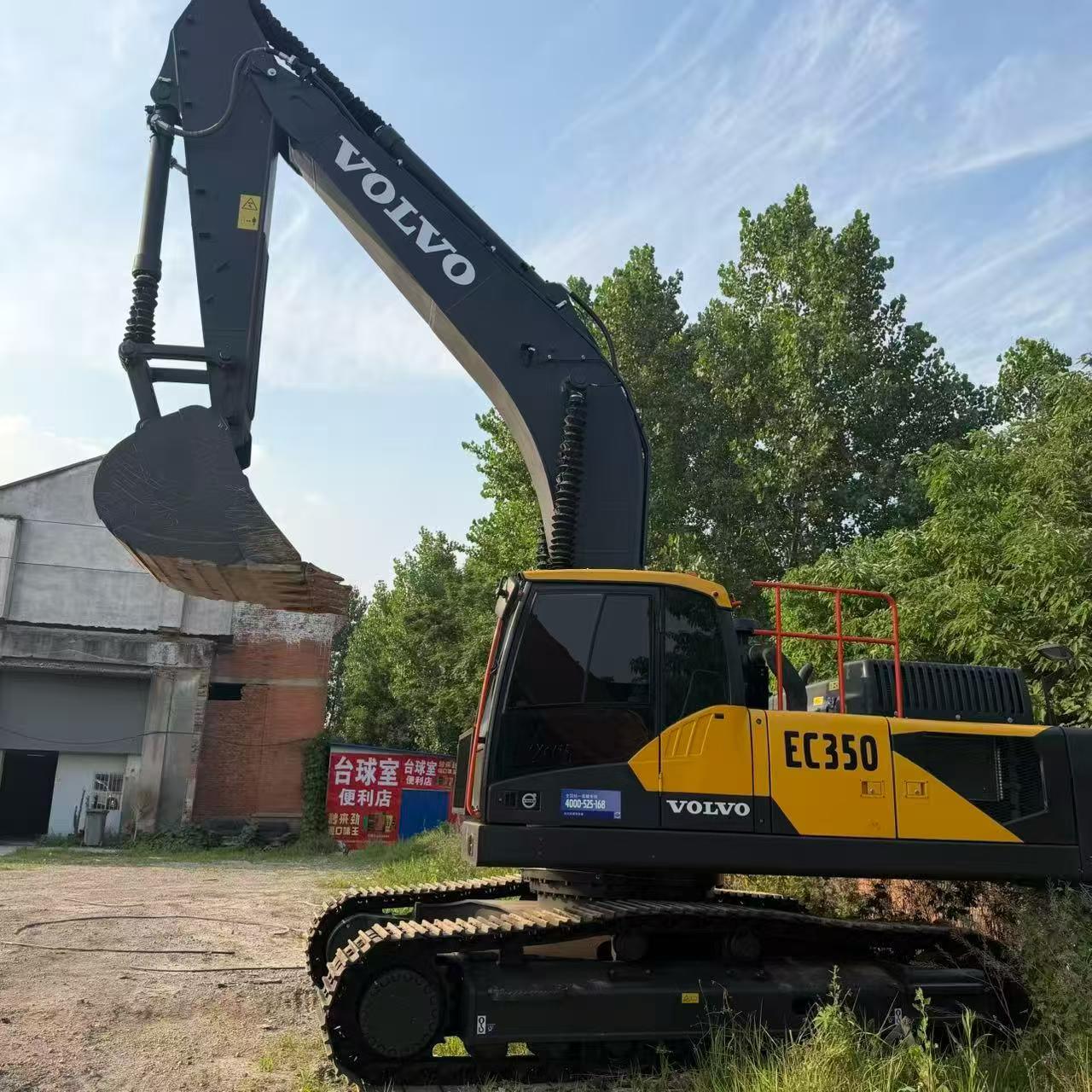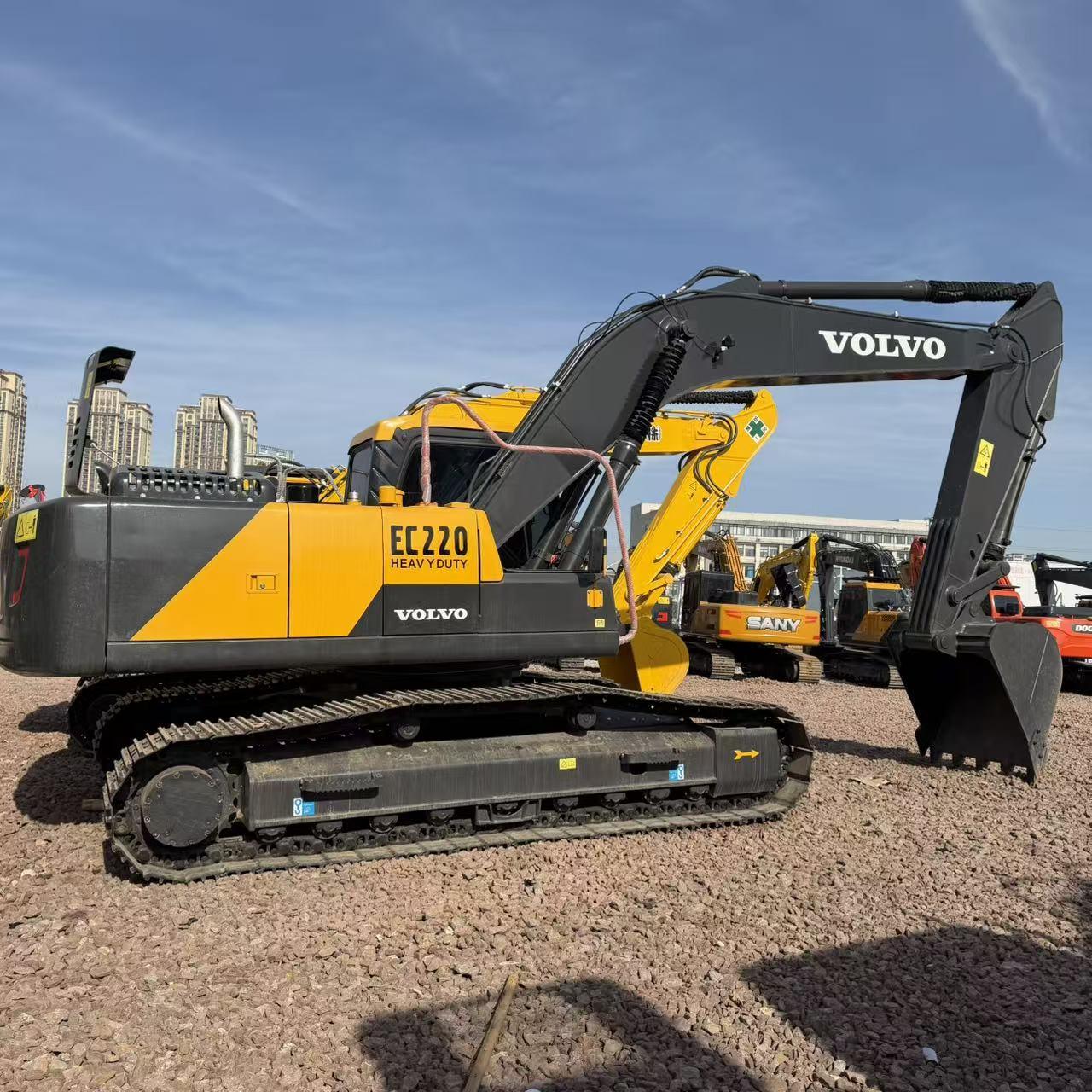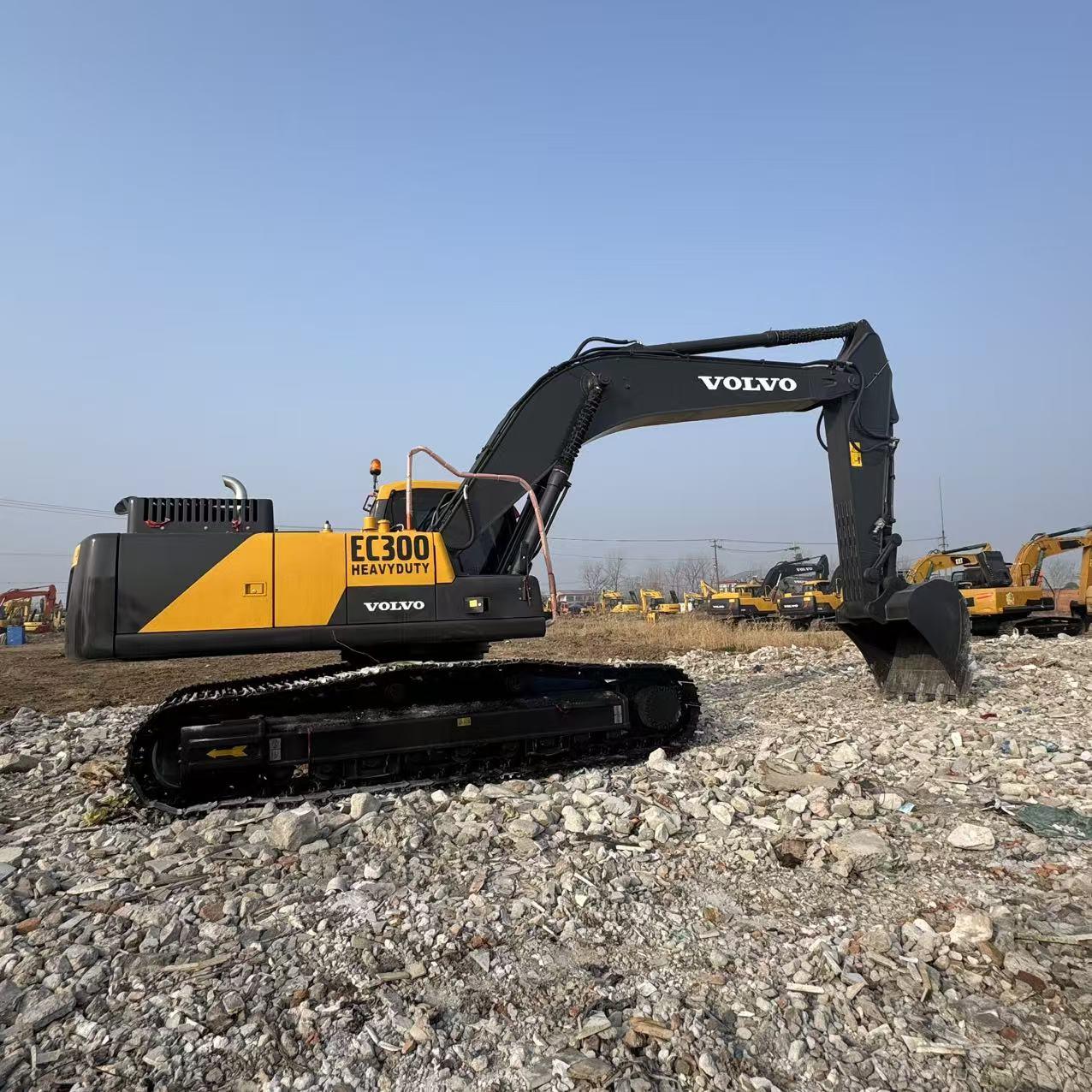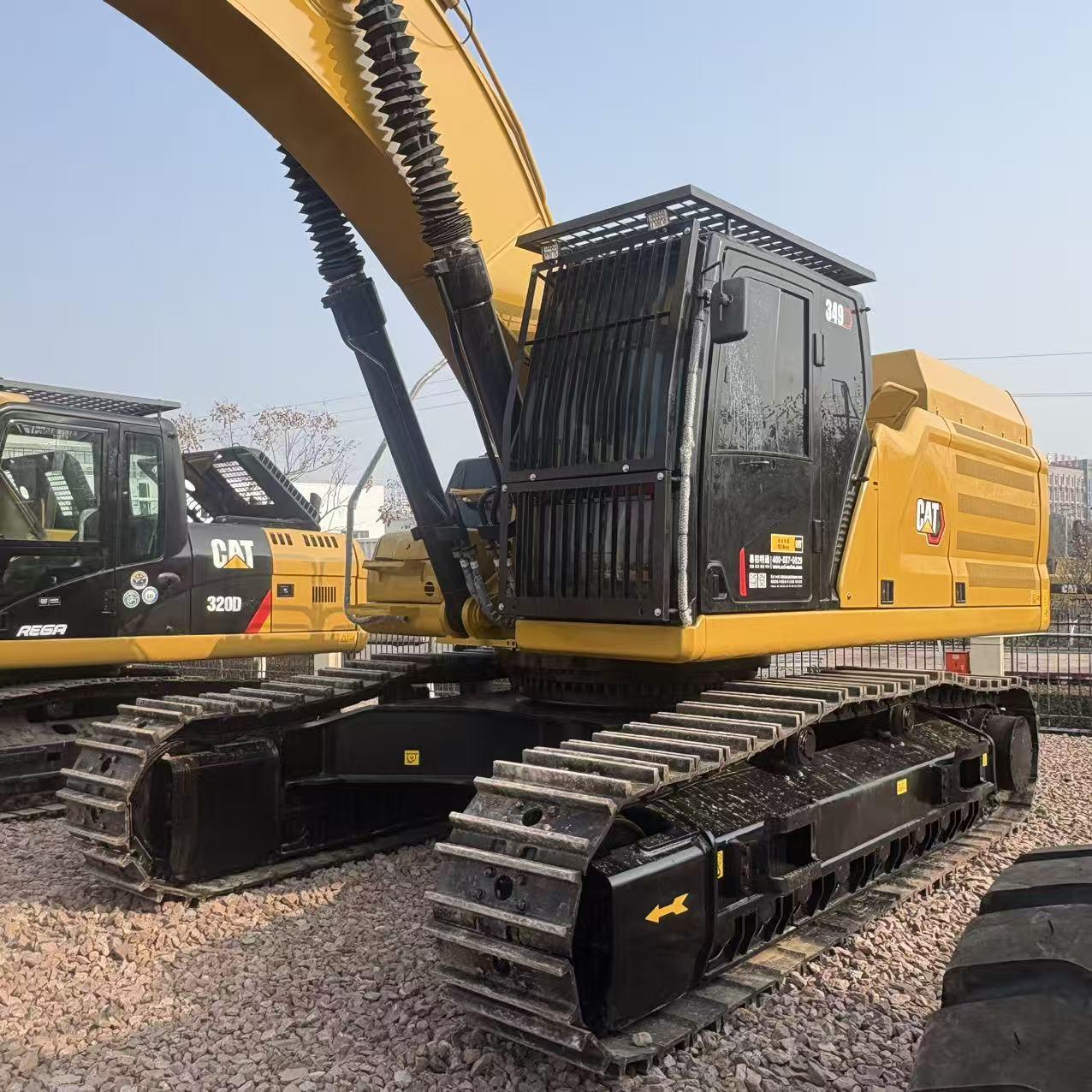
The global used construction equipment market has been expanding steadily, valued at USD 57.5 billion in 2024 and projected to reach USD 79.05 billion by 2033, growing at a CAGR of approximately 3.6%. This growth is driven primarily by cost efficiency: contractors worldwide can save 40-60% on capital expenditure by opting for well-maintained used machinery instead of purchasing new equipment.

Among the most sought-after models in the 22-ton class is the Hyundai R220LC-9S crawler excavator—a machine that has earned a reputation for balancing powerful performance with fuel efficiency and long-term reliability. This article provides a comprehensive, data-driven guide to the used Hyundai R220LC-9S excavator, covering its technical specifications, market pricing trends, pre-purchase inspection protocols, and practical buying advice for 2026 buyers.
1. Technical Specifications: What Makes the R220LC-9S a Reliable Performer
The Hyundai R220LC-9S is a 22-ton crawler excavator manufactured since 2019, built to handle heavy construction, earthmoving, mining, and infrastructure projects. Below is a verified summary of its core specifications:
Dimensions and Weight
- Operating weight: approximately 21.2–21.9 tons (46,740–48,280 lbs)
- Transport length: 9.53 m, Transport width: 2.8 m, Transport height: 3.0 m
- Track width: 600 mm
Performance Capabilities
- Bucket capacity: 0.8–1.2 m³ (with variations up to 1.5 m³ depending on configuration)
- Maximum digging depth: approx. 6.72 m (22 ft 1 in)
- Maximum horizontal reach: approx. 9.82 m (32 ft 3 in)
- Tear-out (bucket digging) force: 133.4 kN
- Arm crowd force: 144.2 kN
Engine and Power System
Most R220LC-9S units in the used market are equipped with either a Cummins QSB6.7 or Hyundai HM 5.9 diesel engine, delivering approximately 112 kW (150 hp) at 1,950 rpm. The Tier 2/Tier 3 engine configuration is a notable advantage for many international buyers, particularly those operating in regions where Tier 4 emissions aftertreatment systems (DPF, DEF) are not mandatory. These engines offer simpler maintenance, lower operating costs, and no regeneration downtime.
Fuel Efficiency
Fuel consumption averages 15–18 liters per hour depending on operating mode. In economy mode, the R220LC-9S consumes approximately 15 L/h; in standard mode, about 16.6 L/h; in power mode, approximately 18.2 L/h. The two-stage auto deceleration system and highly efficient economy mode significantly reduce fuel consumption and minimize environmental impact.
Hydraulic System
The excavator features a dual variable-displacement piston pump system delivering 2 × 222 L/min of hydraulic flow, providing smooth, precise, and responsive control for multi-function operations. Hyundai’s CAPO (Computer-Aided Power Optimization) system automatically balances hydraulic flow based on load conditions.
Undercarriage and Stability
The “LC” designation indicates a long chassis design with nine rollers on each side, providing superior operational stability and lower ground pressure—critical for working on soft or uneven terrain. The undercarriage also features tapered side frames for efficient debris clean-out and a sealed track chain with urethane seals.
Operator Comfort and Safety
The spacious cabin is ergonomically designed with adjustable seating, a color LCD monitoring screen, large windows for excellent visibility, and an emergency stop system. Safety features include ROPS/FOPS-certified reinforced cabin structure and advanced monitoring systems that alert operators to potential mechanical issues.
2. Used Market Pricing: What to Expect in 2026
In 2026, the used Hyundai R220LC-9S excavator remains highly competitive in the 22-ton class. Based on current listings and verified pricing data, price ranges vary primarily by year of manufacture and operating hours:
- 2020–2022 models with 1,000–3,000 hours: USD 23,000–26,000 FOB
- 2018–2019 models with 3,000–5,000 hours: USD 22,000–25,000 FOB
- 2024 near-new model with very low hours (under 500 hours): USD 24,000–27,000
At approximately 4,800 operating hours, the machine has typically passed its steepest depreciation curve but still retains 70-80% of its total service life. With proper maintenance, Hyundai excavators in this class regularly achieve 12,000–15,000+ operational hours before major overhaul. This translates to years of productive work at a fraction of the new purchase price—often 50-60% less than a brand-new equivalent machine.
3. Why Choose a Used Hyundai Excavator? Reliability and Resale Value
Hyundai excavators have earned a strong reputation in global used equipment markets for their robust reliability, consistent performance, and global parts availability. Independent buyer reviews consistently note that Hyundai machines demonstrate minimal breakdowns and consistent performance over extended periods with proper maintenance.
In terms of resale value, a well-maintained 2–3 year old Hyundai excavator with approximately 2,500 hours can retain up to 85% of its original purchase price when resold, reflecting both the brand’s durability and the strong demand for used Hyundai equipment in emerging markets. The combination of high initial build quality and competitive pricing makes used Hyundai excavators an attractive proposition for contractors, rental fleets, and construction firms seeking predictable total cost of ownership.
Hyundai’s extensive global dealer network ensures parts availability across Asia, Africa, the Middle East, Europe, and the Americas. The Cummins engines used in many R220LC-9S units are among the most widely supported industrial engines worldwide.
The growth in demand for used construction equipment is particularly pronounced in Asia-Pacific, the Middle East, and Africa, where rapid urbanization and infrastructure projects are fueling the market. Hyundai’s competitive pricing and reliable support network have positioned it as a top choice in these regions, alongside established brands such as Caterpillar, Komatsu, Hitachi, and Volvo.
4. Pre-Purchase Inspection Checklist for Used Hyundai R220LC-9S
Buying a used excavator without proper assessment is a significant financial risk. A single overlooked structural crack or hydraulic system failure can cost 30-40% of the machine’s purchase price to remediate. Below is a professional inspection protocol recommended by heavy equipment industry experts.
Step 1: Documentation and Service History Review
- Request complete service records showing scheduled maintenance intervals, component replacements, and repair history
- Verify engine hour meter readings—cross-reference with telematics records if available
- For imported machinery, verify customs clearance documents and original manufacturer specifications
Step 2: Structural Visual Assessment
- Inspect the main chassis members, boom sections, and attachment points for cracks, especially around high-stress zones such as pin bosses, pivot points, and fabricated joints
- Look for evidence of previous repairs—poorly executed welding, mismatched paint, or replacement panels may indicate prior damage that compromises structural integrity
- Fresh paint on older equipment often conceals corrosion or crack repairs
Step 3: Engine and Hydraulic System Testing
- Perform a cold start—the engine should start smoothly without excessive cranking or abnormal knocking
- Check for exhaust emissions: black smoke indicates fuel inefficiency; blue smoke suggests internal engine wear
- Inspect all hydraulic lines, cylinders, seals, and connections for leaks, wear, or damage
- Operate all hydraulic functions—the machine should respond smoothly without delay, jerking, or whining noises. Reduced responsiveness or erratic movement may indicate internal wear or system contamination
Step 4: Undercarriage and Track Inspection
- Inspect tracks, rollers, sprockets, and idlers for uneven wear and alignment issues
- The undercarriage is one of the most costly components to replace—ensure no signs of excessive wear, cracks, or misalignment
Step 5: Operational Field Test
- Conduct a live operational test under working conditions. Observe the machine during active excavation, swinging, and traveling to identify hidden issues that may not be evident during static inspection
- Test both when the machine is cold and after it has been running for several minutes—some issues only appear once components have reached operating temperature
5. How to Buy a Used Hyundai R220LC-9S Excavator with Confidence
When evaluating purchasing channels, buyers should prioritize suppliers that offer:
- Third-party inspection readiness – Suppliers willing to facilitate independent inspections demonstrate confidence in their machine quality
- Clear maintenance records and service history – Transparent documentation is a reliable indicator of responsible ownership
- Professional shipping and logistics support – Experienced forwarders should offer flexible shipping options (container, flat rack, RO-RO, bulk vessel) to match your destination port requirements
- Post-sale parts and service support – The availability of spare parts and technical assistance is critical for minimizing operational downtime
A working partnership with a specialized used machinery supplier can significantly reduce procurement risks and ensure you receive a machine that delivers consistent, long-term performance.
Trusted Used Excavator Supplier – Taihongmachinery (TH Engineering Equipment Limited)
Taihongmachinery (TH Engineering Equipment Limited) is a professional and reliable supplier of high-quality used construction equipment, headquartered in Shanghai, China. With years of export experience across global markets—including South America, Africa, the Middle East, Southeast Asia, and beyond—Taihongmachinery specializes in providing thoroughly inspected, well-maintained used excavators, loaders, bulldozers, graders, rollers, and other heavy machinery.
Every used Hyundai R220LC-9S excavator offered by Taihongmachinery undergoes a rigorous pre-delivery inspection process covering structural integrity, engine health, hydraulic system performance, and undercarriage condition. The company offers:
- Detailed pre-sale inspection reports and walk-around videos – Full transparency on machine condition
- Flexible FOB/CIF shipping arrangements via container, flat rack, or RO-RO vessel – Tailored to your destination
- Competitive pricing with negotiable terms – T/T payment available with 30% deposit and 70% balance
- Ongoing spare parts and technical support – Ensuring minimal downtime after purchase
- 12-month warranty on selected units – Added peace of mind for international buyers
Whether you are expanding your rental fleet, upgrading your construction fleet, or sourcing cost-effective machinery for a major infrastructure project, Taihongmachinery delivers quality and professionalism you can count on.